REVIEW · KATHMANDU
14-Day Annapurna Base Camp Trek from Kathmandu
Book on Viator →Operated by Outfitter Himalaya Holidays P. Ltd · Bookable on Viator
One staircase at a time, you earn the views. This 14-day Annapurna Base Camp trek is built around big scenery, but also the everyday stuff that makes Nepal feel real: village life, old forests, bamboo shade, and those sudden Himalayan sightlines when the clouds lift. You’ll move from Kathmandu’s temples to Pokhara’s lakes, then into a trekking route that climbs through rhododendron forests and higher, cooler hills with prayer flags and chortens.
I like two things a lot. First, the trip is thoughtfully paced: you get a sunrise chance from Poonhill (3232m) and you reach Base Camp (4170m) with multiple trekking days that build gradually. Second, the support sounds strong—past groups repeatedly mention guides and porters who keep you informed, help you stay safe, and make the logistics feel easy, even when the trail turns steep.
A consideration: this is not a walk in the park. The route includes repeated descents and stair sections, and your legs will feel it. If you know you wobble or get shakier on the way down, plan to take the day 10 descent seriously, since that route choice is specifically meant to help trekkers who struggle on steeper downhill days.
In This Review
- Quick hits before you go
- From Kathmandu temples to trekking-ready days
- Pokhara’s lakes, then the first trail push
- Tikhedunga to Ulleri: Machhapuchhare starts showing up
- Poonhill sunrise and the Ghorepani to Tadapani color switch
- Chomrong: the gateway feeling at the Annapurna doorstep
- Entering the sanctuary approach: avalanche tracks and high meadows
- Base Camp morning, then the smart way back
- Chhumrong, Jhinudanda, and the hot springs payoff
- Back to Kathmandu: a long drive you’ll actually enjoy
- Price and what $950 buys in real terms
- Guides and group rhythm: why small teams feel safer
- Trekking difficulty: moderate fitness, real altitude, lots of steps
- What you’ll actually see each day (and what to watch for)
- Should you book this Annapurna Base Camp trek?
- FAQ
- Is airport pickup included?
- What permits are included for the trek?
- How much of the trip is guided?
- What meals are included?
- Is travel insurance included?
- Is a porter included?
Quick hits before you go
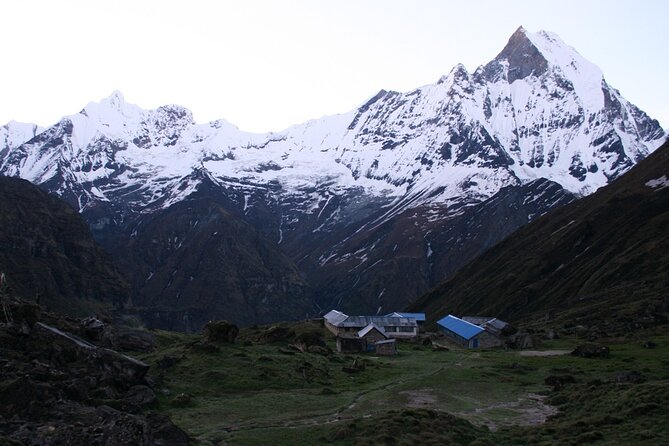
- Village culture all the way up: you pass multiple communities with different lifestyles, plus Buddhist and animistic symbols along the way.
- Poonhill sunrise morning: you’ll hike to viewpoint height early for wide mountain views before dropping down through lodges again.
- Forest variety, not just “mountains”: rhododendron blooms, bamboo stretches, and quieter alpine sections as you gain altitude.
- Base Camp day is built in: you get time to visit the Base Camp area in the morning, not just a quick photo stop.
- Small groups (max 14): easier managing, more personal attention, and less chaos on narrow trails.
- Support staff matters here: guides and porters get frequent praise for safety, patience, and good on-trail guidance.
From Kathmandu temples to trekking-ready days
Day 1 is about easing in. You’re met at Tribhuvan Airport and transferred to your hotel, and the evening is free. That matters because Kathmandu’s traffic can be a brain-melter on arrival day—having that pickup removes a lot of stress.
Day 2 shifts you into cultural Nepal fast with a Kathmandu Valley sightseeing tour. You’ll visit Kathmandu Durbar Square, Monkey Temple, Pashupatinath Temple, and Boudhanath Stupa with a professional guide. You also get time to shop for trekking equipment, which is useful if you’re arriving with gear gaps.
One practical note: you’ll be walking and climbing around heritage sites before you start trekking. Don’t schedule anything intense for the rest of the day after your temple circuit. Save your legs for the first trek day later.
You can also read our reviews of more tours and experiences in Kathmandu.

Pokhara’s lakes, then the first trail push
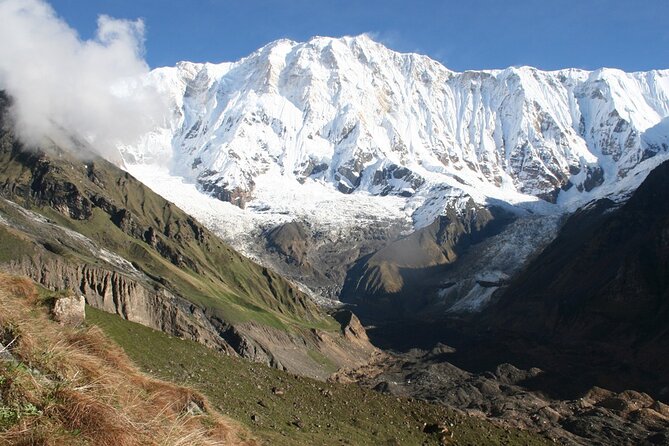
On Day 3 you drive from Kathmandu to Pokhara, about 6 hours, along the Trisuli and Marsyangdi River. The road follows active river scenery, and the route also gives views of Ganesh Himal and Manaslu peak when conditions allow. Pokhara is your decompression base here—lakes, caves, and Hindu and Buddhist sites nearby, so it’s an easier transition than jumping straight onto trails.
Day 4 begins the trekking rhythm. You drive about 1.5 hours to Nayapul, then start a relatively easier opening hike to Tikhedunga (1577m) via Birethanti (1065m). This is the kind of day you want early in the trek: enough elevation and village walking to get moving, but not so punishing that you’re cooked before the real climbs.
If you’re new to trekking, this first day is a good gauge. Your pace should feel steady, not heroic. You’re setting your breathing for the next stretch, including the steep parts later.
Tikhedunga to Ulleri: Machhapuchhare starts showing up
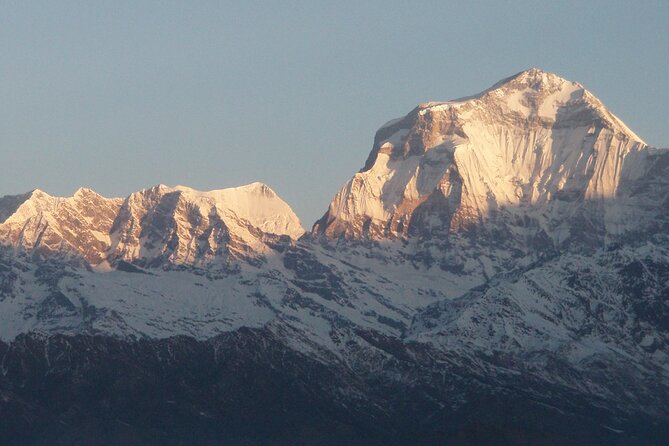
Day 5 is where the trek really wakes up. After breakfast, you ascend steeply for about two hours, then climb gently as you pass through Ulleri (2070m.) and Banthanti. This route is known for dramatic mountain sightlines, and your effort gets rewarded with views of Machhapuchhare (Fish Tail), Hiunchuli, and Annapurna (south views) along the way.
After that initial push, the trail eases for a while and you’ll trek through rhododendron and shaded forests with birds calling around you. The day ends at a camp, so it’s also a “get used to camp life” step before you move deeper into the higher valleys.
What I like about Day 5 is the mix. You get a real climb, then a calmer forest section that lets you reset. That pattern matters on a trek like this, because your mood follows your breathing.
Poonhill sunrise and the Ghorepani to Tadapani color switch
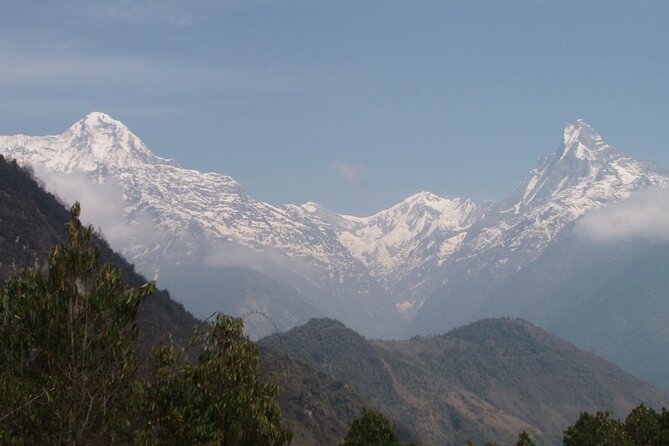
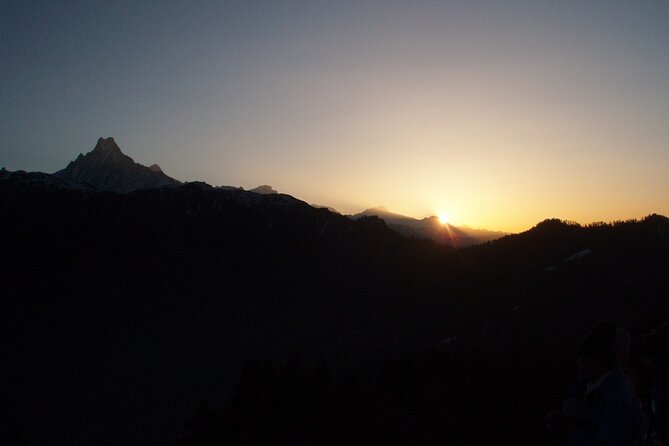
Day 6 starts with a hike to Poonhill (3232m.) for sunrise views over a long list of peaks, including Dhaulagiri, Annapurna I and II, Machhapuchhare, and Lamjung Himal. Even if clouds roll in, the overall experience is still about being high enough to feel the scale of the region and see how the ridges layer.
Then you hike down to Ghorepani for hot breakfast, and you continue to Tadapani (2650m). This is the rhododendron shift you’ll feel most during this trek. The description highlights spring blooms, but even outside peak bloom times, rhododendron and forest cover still bring that “green hiking tunnel” feeling.
A small strategy tip: if you’re sensitive to early starts, treat the morning like a job interview. Drink something, eat something, and keep your clothing ready for quick temperature changes. Higher viewpoint mornings can be chilly even when lower villages feel warm.
Chomrong: the gateway feeling at the Annapurna doorstep
Day 7 moves you through dense forests first—descending gently through rhododendron and oak, listening for birds—then it adds a steep section as you climb toward Chomrong. The day includes a mix: steep ascents, flatter stretches, and enough movement to keep your body warm.
Chomrong is a big deal on the route. It sits at the base of Himalchuli and is described here as a gateway to Annapurna Base Camp. I like that phrase because you can feel it: after Chomrong, the trail’s mood becomes more serious and more focused on getting you into the sanctuary area.
Day 8 continues with stone stair descents at the beginning, then a suspension bridge crossing Chhomrong Khola. After that, you climb out of the side valley. Bamboo, rhododendron, and oak line the route as you work toward Sinuwa (2350m), then descend a long stone staircase into deeper bamboo/rhododendron before reaching Bamboo and heading toward Dovan and Himalaya.
This is also a good day to pay attention to footing. The description calls out long stair sections—those are great for stamina but tough on knees. Trekking poles help a lot on repeated steps, if you have them.
Entering the sanctuary approach: avalanche tracks and high meadows
Day 9 is where the valley widens and the terrain starts to feel more open. You’ll see gates to the sanctuary area, and the route crosses avalanche tracks on a narrow trail hugging cliff areas. That detail matters: it’s not just scenery, it’s a landscape shaped by seasonal movement, so staying alert is part of the deal.
You reach Bagar (3310m.), described as a green meadow with abandoned hotels. That “meadow pause” is a mental checkpoint: you’re past the intense forest climbing and moving toward the Base Camp bowl area.
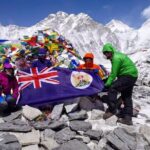
The trail follows along the valley side, through alpine meadows, and gently up as you approach 4170m. When you finally reach Annapurna Base Camp, you get that clear end-of-the-line feeling—this is the holiday goal, not just another viewpoint stop.
If you’re hoping for the moment when it feels real, Day 9 is often when people start to understand what they earned. You’ve been climbing through villages and forests for days; now it’s open terrain and altitude.
Base Camp morning, then the smart way back
Day 10 is the Base Camp day in a practical sense. After breakfast you visit the Base Camp and surrounding views. The description notes that the views from Base Camp are amazing, so you’re not rushing through in a hurry. Then you start trekking back to Dovan, about six hours down.
The route choice here is a thoughtful one. It mentions that some trekkers may have problems going down due to shaking or wobbling legs from fatigue. You’re also going down more easily than on the way up, and the plan accounts for that common hiking reality.
I like this approach because it respects your body. A great trek isn’t just about hitting the destination; it’s also about getting you down safely with your mobility intact.
Chhumrong, Jhinudanda, and the hot springs payoff
Day 11 drops you back through forests with rhododendron, oaks, and bamboo, moving from Bamboo to Sinuwa and then down toward Chhumrong. You’ll follow a stone staircase for about an hour to reach Chhumrong, then continue steeply down to Jhinudanda. At the end of the day, you enter rooms at the guest house.
Then comes the treat: you can go to the hot springs for a refreshing bath in warm natural hot water. This is one of those “yes, do it” moments. You’re dealing with sore calves, stiff ankles, and the kind of tired that sneaks into your sleep. Hot springs won’t fix everything, but they help your recovery feel possible.
Day 12 is your final trekking day. After breakfast, the route descends first, then you get flat land until Birethati. You stop in Birethati for lunch, then walk about 30 minutes to Nayapul where a car/van waits to take you back to Pokhara.
That transition from hiking to vehicles is bigger than you might think. For most people, it feels like exhaling. Just don’t celebrate too hard right away—tomorrow is a long travel day.
Back to Kathmandu: a long drive you’ll actually enjoy
Day 13 is a 7 AM tourist bus ride back to Kathmandu after breakfast. It takes about 6 hours, passing satellite towns, rural settlements, gushing rivers, and terraces. This is one of those travel segments that can feel scenic rather than exhausting, especially because you’ve already done the hard work on foot.
Day 14 ends quietly and smoothly. You’re transferred to the international airport for your final departure. After a trek like this, you’ll feel the difference between arriving and leaving—one is noise, the other is closure.
Price and what $950 buys in real terms
At $950 per person for roughly 14 days, you’re paying for more than “a guide plus a trail.” What you’re actually buying is the full framework: experienced guide, trekking permits (Annapurna conservation entry and TIMS), sightseeing in Kathmandu, and ground transport Kathmandu to Pokhara and back. You’re also getting a meal plan that covers part of the journey—breakfast 12 times, lunch 9 times, and dinner 8 times—plus 13-night accommodations during the tour.
That’s the value piece. Trekking in Nepal has variable costs—lodges, permits, transport, and food add up quickly. A package approach keeps you from having to calculate daily logistics while you’re focused on the hike.
What’s not included is equally important. Nepal entry visa fees, travel insurance (not optional here), international airfare, and tips for guide/porter/driver are extra. Alcohol and nonalcoholic drinks are also not included. If you show up without travel insurance, you’re taking a risk you probably don’t want to carry at altitude.
And if you want a porter, that’s listed as optional: it’s not included unless you arrange it. Many people choose to travel lighter when the group pace is moving steadily.
Guides and group rhythm: why small teams feel safer
This trek runs with a maximum of 14 travelers, which is a quiet win. Smaller groups mean less crowding at viewpoints and a calmer flow on narrower trails and stone stair sections.
The strongest theme in feedback is support quality. People repeatedly highlight guides and porters who are warm, patient, and attentive, and who keep safety front and center. Several guide names come up in praise—Raj and Bier, Bhim, Soraj, Suraj, Amrit, Indra, and Pralad. The common thread is clear: communication, organization, and on-the-ground help matter on this route.
You’ll also feel it in the way the trek days are designed. There’s a balance of climbing and forest walking, plus a dedicated Base Camp morning and a planned downhill day that’s easier on tired legs.
A practical takeaway: if you’re the type who likes structure, you’ll probably feel comfortable here. If you’re the type who hates following group timing, you might feel constrained on the way up and down.
Trekking difficulty: moderate fitness, real altitude, lots of steps
The program asks for moderate physical fitness. That’s a fair description for the kind of trekking you’re doing. You’re hiking multiple days, reaching high points like Poonhill (3232m) and Base Camp (4170m), and walking on steep slopes and stairs.
The itinerary includes steep climbs early (like Day 5) and long stair descents later (like Day 8 and Day 11). If your knees are a concern, treat trekking poles as non-negotiable gear, and practice a relaxed downhill pace. You don’t need speed here—you need rhythm.
Altitude can hit people differently. Even without perfect weather, you’ll be moving higher each day. The best approach is simple: don’t race the day. Use frequent pauses and drink regularly, even when you don’t feel thirsty.
What you’ll actually see each day (and what to watch for)
Here’s how the scenery and day feel are likely to change as you go:
- Kathmandu Day 2: temple and stupa highlights plus time to sort gear.
- Pokhara Day 3: river road views, lakeside decompression, culture nearby.
- Tikhedunga to Ulleri: steep effort, then forest and bird-filled walking.
- Poonhill sunrise Day: early cold-to-warm rhythm, then a lodge breakfast drop.
- Chomrong gateway Day: stone stairs, a bridge crossing, bamboo shade.
- Sanctuary approach: cliff-adjacent narrow sections near avalanche tracks.
- Base Camp morning: payoff time, then a planned downhill to reduce fatigue stress.
- Hot springs Day 11: recovery and relief.
- Return travel: a scenic bus ride and easy airport finish.
Weather matters on mountain treks. The route is still worth it even on cloudy days, but clear mornings are when those long mountain views feel unforgettable.
Should you book this Annapurna Base Camp trek?
If you want a guided Annapurna Base Camp trek with smooth logistics, this looks like a strong option. You get permits included, a professional guide, Kathmandu sightseeing, and a clear trekking plan that includes both sunrise viewing from Poonhill and a dedicated Base Camp morning. Past groups also highlight the human side—patient guides and supportive porters who keep things organized and safer-feeling.
Book it if these points fit you:
- You like structure and want help with permits, transport, and daily planning.
- You’re comfortable hiking for multiple days with stairs and steeper sections.
- You want village-to-alpine Nepal, not only peak views.
Consider skipping or adjusting if:
- You have major knee issues or you know downhill stair sections wreck you.
- You prefer fully independent travel and hate group pacing.
- You don’t already have travel insurance lined up, since it’s listed as compulsory.
If you match the moderate fitness target and you’re ready for stairs, this trek has the right mix of effort and payoff—forests, communities, and then that Base Camp moment where the whole climb makes sense.
FAQ
Is airport pickup included?
Yes. You’ll be met and greeted by an airport representative and transferred to the hotel on arrival day, with the start point listed as Tribhuvan Airport in Kathmandu.
What permits are included for the trek?
The tour includes Annapurna conservation entry and TIMS permit.
How much of the trip is guided?
You’ll travel with an experienced guide throughout the program.
What meals are included?
Breakfast is included 12 times, lunch is included 9 times, and dinner is included 8 times, based on the provided inclusions.
Is travel insurance included?
No. Travel insurance is not included, and it’s listed as compulsory.
Is a porter included?
A trekking porter is not included unless you need one, so you should plan for that as an optional add-on.