REVIEW · HANOI
2 Days Sapa Trekking In Cat Cat And Ta Van Village From Hanoi
Book on Viator →Operated by GADT Travel · Bookable on Viator
Sapa feels like a different country once the bus starts climbing. This 2-day trek puts you in the rhythm of the region with visits to Cat Cat, Y Linh Ho, and Ta Van, plus a real mountain-girded hiking day. You get a friendly English-speaking guide in Sapa, and the tour is built around keeping things moving without making you plan every step yourself.
I especially like how this package handles the hard parts for you: round-trip Hanoi–Sapa transportation by modern AC bus, and a full day of meals (breakfast, lunch twice, dinner) that helps you avoid the usual search-for-food headache. I also like the focus on a moderate, doable trekking route with sights that actually change as you walk, including terraced farmland views and ethnic village life.
One possible drawback: the hotel quality can be hit-or-miss, and at least one past guest flagged a room that felt quite humid. Add in Sapa’s quick-weather shifts, and you’ll want to pack for cold or drizzle so your trek doesn’t turn into a slog.
In This Review
- Key things to know before you go
- Getting From Hanoi To Sapa Without the Hassle
- Day 1: Cat Cat Village and the Start of Mountain Life
- Sapa Hotel Night: When a Clean Room Helps You Trek
- Day 2 Trekking Route Through Y Linh Ho and Ta Van Village
- What You’ll Need (Cold Sapa, Rain, and a Light Pack)
- Price and Value: Why $94.88 Can Be Fair
- Who This 2-Day Trek Fits Best
- The One Thing to Watch Before You Book
- Should You Book This Sapa Cat Cat and Ta Van Trek?
- FAQ
- How much does the 2-day Sapa trekking tour cost?
- Where do you get picked up in Hanoi?
- What is the meeting point and end point?
- Is hotel drop-off included when you return to Hanoi?
- How long is the Day 2 trek and how much walking is it?
- What’s included in the price?
- What should I pack for Sapa trekking?
- What happens if the tour is canceled due to weather?
Key things to know before you go
- Cat Cat village stop with admission included so you don’t waste time figuring out tickets.
- A guided 9km trek on Day 2 that’s long enough to feel like a trek, but not a full multi-day ordeal.
- Y Linh Ho and Ta Van are the walking highlights, with rice-field scenery and quiet village atmosphere.
- Meals are mostly handled (breakfast, lunch twice, dinner), so you can spend less on daily logistics.
- Small group size (up to 20) keeps it easier to move as a unit with your guide.
Getting From Hanoi To Sapa Without the Hassle
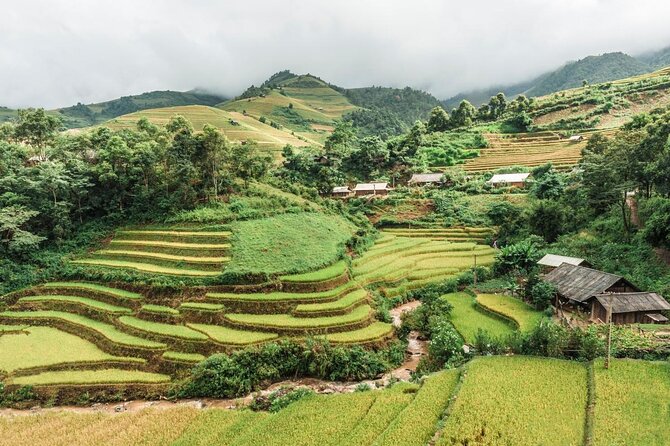
Your day starts in Hanoi Old Quarter. You get picked up around 6:00–6:30 from the hotel area, then you head out by modern AC bus toward Sapa. The drive isn’t just a tube ride to the mountains—there are rest stops along the highway, including one around the Lao Cai area, which matters if you want to arrive with energy instead of travel-cranky.
The tour also gives you a practical meeting point: 30 P. Lý Thái Tổ (Hoàn Kiếm). Your return end point is the same area, but there’s an important catch: the tour does not include hotel drop-off after the trip. So plan your own short transfer back to your room once you’re back in the city.
This matters for value. If you’ve ever done DIY Sapa trips, you know the day can get eaten by waiting, ticket lines, and coordination. Here, the package keeps the moving parts inside the itinerary.
You can also read our reviews of more tours and experiences in Hanoi.
Day 1: Cat Cat Village and the Start of Mountain Life
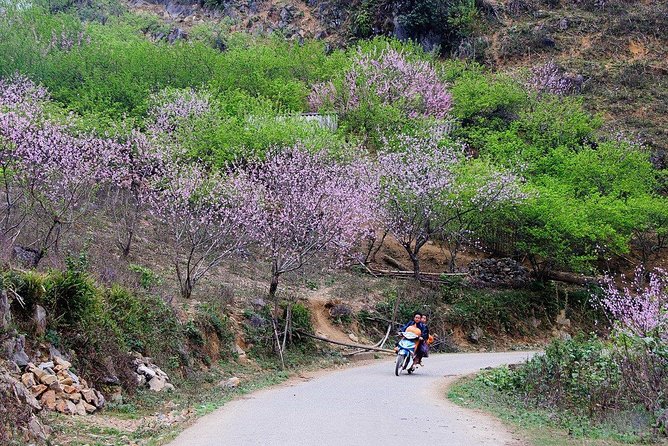
Day 1 is about easing into the region and hitting one of the most recognizable village areas: Cat Cat village. After the bus ride, you’ll have time on arrival to stretch, then your visit begins with the admission/ticket being included. That’s a small detail, but it keeps the day from getting bogged down in practical admin.
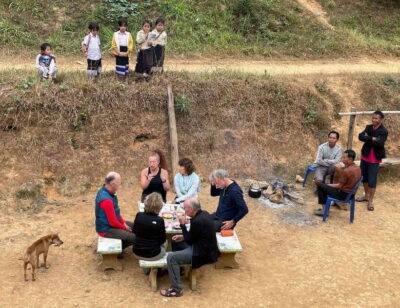
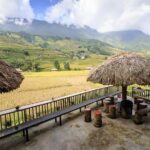
Cat Cat is at the foot-of-mountain style setting many people associate with Sapa. You’ll walk in village surroundings, see traditional life up close, and get the kind of “we’re really here” feeling that you don’t get from a quick photo stop.
Then you’ll continue into the day with included meals. The package includes dinner and typically keeps lunch covered as well (the tour lists lunch twice across the 2 days). For me, the big advantage is simple: after travel time, you don’t want to spend your limited Sapa hours searching for food.
Also, the guide experience is a real part of this tour. One guest specifically praised guide May for being friendly, flexible, and professional. That’s exactly what you want when a mountain schedule needs to adjust a bit—whether it’s weather, timing, or just helping you understand what you’re seeing.
Sapa Hotel Night: When a Clean Room Helps You Trek
You get one night in a 3-star or 4-star hotel (your choice at booking). The listing emphasizes clean, fully equipped rooms, and that’s the goal because Day 2 trekking starts early and runs longer than many people expect.
Still, here’s the honest angle from a review: one past guest said the hotel wasn’t amazing and noted a very humid room plus limited variety in meals. That doesn’t mean your stay will be the same, but it does mean you should go in with realistic expectations. In Sapa, humidity happens. Old buildings and mountain climates can make rooms feel damp if ventilation isn’t great.
Practical tip: use Day 1 to dry anything that needs it, and pack a spare layer for morning. If you bring a light top that you can put on right after breakfast, you’ll feel more comfortable the moment you start moving.
The tour also handles luggage in a helpful way: on Day 2, you carry a light pack, while larger luggage is kept at the hotel. That means your trek day stays focused instead of turning into a back-and-forth gear shuffle.
Day 2 Trekking Route Through Y Linh Ho and Ta Van Village

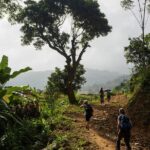
Day 2 is where the tour earns its name. After breakfast from about 7:00–8:30, you check out, gather what you need, and set off trekking with a light pack. The main route is roughly 9km over about 3.5 hours—enough to feel like a true hike, but built for travelers with moderate fitness.
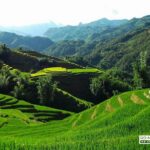
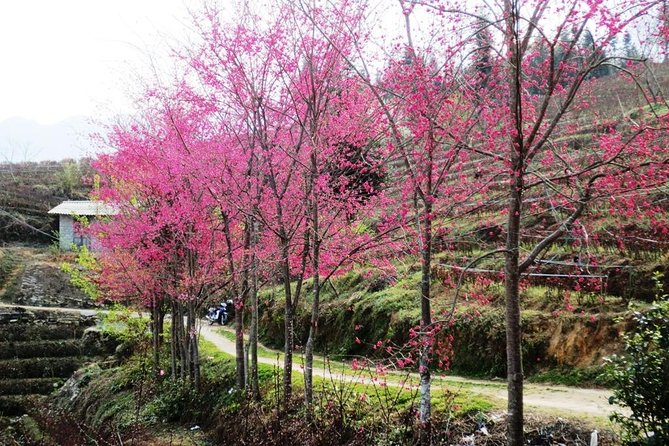
Your first trekking stop is Y Linh Ho. This area is known for dramatic views over terraced farmland. As you walk, you get a real sense of how the valley farming shapes daily life. Even if you’re not an expert photographer, you’ll likely want to pause a few times because the angles change as you gain or lose small elevations.
After Y Linh Ho, you trek onward to Ta Van village, home of the Dzay ethnic group. The tone here shifts. Cat Cat can feel like a more tourist-facing village stop. Ta Van is described as peaceful, with rice fields and small houses that look close to the land they grow. It’s the kind of stop where you can slow down, take in the scenery, and learn what daily life looks like when the main activity is farming and tending the fields.
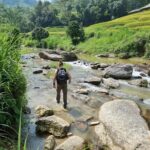
The trekking portion is listed as about 1 hour for the Ta Van segment, which suggests the route is broken into manageable pieces rather than one long continuous push. Still, the tour sets a clear expectation: only moderate physical fitness is required, but it’s not a sit-and-watch walk. You’ll be on uneven terrain, and Sapa weather can make everything feel harder.
And yes, that means you should bring proper footwear. The tour specifically recommends trekking shoes, plus sun protection and insect repellent. If you ignore that list, you’ll pay for it later, especially on days when the air is crisp and the sun still hits.
What You’ll Need (Cold Sapa, Rain, and a Light Pack)
Sapa is famous for weather that can change fast. The tour notes it’s often cold from September through March, and you should bring warm clothes, scarf, hat or cap. Even if the day starts bright, a cool wind can make you feel colder than you expected once you’re walking for hours.
The basics you should pack, based on what the tour recommends:
- Trekking shoes with good grip
- Sun glasses and sun cream
- Insect repellent
- Warm layer (scarf helps more than you think)
- Cash in Vietnam Dong for personal expenses
Also, have a plan for small discomforts. A scarf is useful for wind and chill. A hat keeps the cold air from hitting your forehead as you walk. Insect repellent matters in village areas even when you don’t expect it. These are the kinds of items that turn a trek from manageable to miserable.
One more consideration: the tour says children, older travelers, or anyone with low physical health aren’t allowed. That’s not just “liability talk.” The route includes trekking in conditions that can become dangerous if it rains.


Price and Value: Why $94.88 Can Be Fair
At $94.88 per person, this tour is priced like a “packaged deal” rather than a collection of separate bookings. The reason it can make sense is what you’re getting for that money.
Included items you can treat as real savings:
- Round-trip Hanoi–Sapa–Hanoi by modern AC bus
- English-speaking guide in Sapa
- One night in a 3-star or 4-star hotel
- Meals: breakfast, lunch (2), and dinner
- Entrance/sightseeing fees for included stops
What’s not included:
- Drinks during meals
- Personal expenses and tips
- Hotel drop-off after you return to the bus stop
So the value hinges on whether you’d otherwise pay separately for transport, guide time, entrance fees, and meals. If you’d do a DIY version, you might save money—but you’d also spend time coordinating. For many people, this package is worth it because it keeps you walking and sightseeing instead of managing logistics.
One more note on cost: the tour mentions national holiday surcharges (extra $20 per person or 20%) when applicable. If your dates fall near a public holiday, double-check the total before you commit.
Who This 2-Day Trek Fits Best
This is a great fit if you want a classic Sapa experience without planning every detail, and you’re comfortable with a moderate hiking day. You’ll like it if:
- You enjoy walking through real villages and farmland areas
- You want Y Linh Ho views and the quieter feel of Ta Van
- You value having an English-speaking guide explain what you’re seeing
- You prefer a small group pace (up to 20)
It’s less ideal if you’re seeking a super-relaxed sightseeing day with almost no walking. This is trekking. You’ll need decent shoes and a willingness to get outdoors even when the weather is moody.
And because the tour explicitly restricts low physical health participation, this is also not the right choice if you need a gentle, fully accessible route.
The One Thing to Watch Before You Book
Two things can affect your experience.
First is weather. The tour is explicitly described as requiring good weather, and the itinerary timing may shift depending on conditions. In mountains, rain can turn paths slippery fast. If conditions aren’t right, you might be offered a different date or a refund.
Second is hotel variation. The tour offers clean rooms and decent comfort, but at least one review pointed to a very humid room and limited variety in meals. If you’re picky about hotel comfort, bring that mindset. Plan to spend most of your time outside the room anyway, and keep your expectations practical.
Should You Book This Sapa Cat Cat and Ta Van Trek?
If you want a straightforward 2-day Sapa adventure from Hanoi with transport, meals, a guide, and a real walking day, I think this is a solid booking. The combination of Cat Cat, Y Linh Ho, and Ta Van is built for people who want both iconic scenery and village atmosphere, and the inclusion of meals and entrance fees helps keep costs under control.
I’d hesitate only if you hate long bus rides, are sensitive to humidity in hotels, or you know you’re not comfortable trekking in potentially cool mountain weather. If that’s you, choose a route with less walking.
Bottom line: pack warm, wear good shoes, and you’ll get a memorable Sapa mix of fields, villages, and mountain views without turning the trip into a logistics project.
FAQ
How much does the 2-day Sapa trekking tour cost?
The price is listed at $94.88 per person.
Where do you get picked up in Hanoi?
Pickup is offered from hotels in the Hanoi Old Quarter area. If your hotel is outside that area, you’ll be told where to meet after booking.
What is the meeting point and end point?
The start and end point is 30 P. Lý Thái Tổ, Lý Thái Tổ, Hoàn Kiếm, Hà Nội 100000, Vietnam.
Is hotel drop-off included when you return to Hanoi?
No. After the tour you will return to the bus stop, and you’ll need to arrange your own transfer to your hotel.
How long is the Day 2 trek and how much walking is it?
Day 2 includes a route of about 9km in around 3.5 hours, plus additional trekking time to reach Ta Van village as part of the plan.
What’s included in the price?
Included features are round-trip Hanoi–Sapa–Hanoi by modern AC bus, an English-speaking guide in Sapa, pickup from hotels in the Old Quarter, entrance and sightseeing fees, one night in a 3-star or 4-star hotel, plus meals (breakfast, lunch twice, and dinner).
What should I pack for Sapa trekking?
The tour recommends trekking shoes, sun glasses, sun cream, and insect repellent. Bring warm clothes, a scarf, and a hat or cap because Sapa weather is unpredictable and often cold from September to March.
What happens if the tour is canceled due to weather?
The tour requires good weather. If it’s canceled due to poor weather, you’ll be offered a different date or a full refund.