REVIEW · KATHMANDU
Pikey Peak Trekking
Book on Viator →Operated by Sherpa Expedition & Trekking · Bookable on Viator
Eight days, big mountains, quiet villages. Pikey Peak (4,067m) in Nepal’s Solu Khumbu region puts you in striking view of Everest, Makalu, and more, with sunrise and sunset moments that feel close-up and human.
I like how the trail can be wonderfully quiet, especially on stretches people describe as so peaceful they felt like they had the path mostly to themselves. And I love that the trip is built around full-board meals, so you spend your energy hiking, not figuring out food.
The only real watch-out is the climb to 4,067m and the early start at 6:15am. If you’re not comfortable with steady uphill days and waking up before the sun, this won’t be a casual stroll.
In This Review
- Quick highlights
- Pikey Peak and the big-view advantage at 4,067m
- The route through Kerung, Pattale, Jhapre, Lamajura, and Junbesi (with Phaplu as the base)
- Sunrise and sunset at Pikey Peak: how the hard part stays worth it
- Guides, quiet trails, and what private means on this trek
- Meals on the trail: full board is a real value
- Price and value: what $1,435.90 per person is buying
- Timing, meeting point, and how to be ready for a 6:15am start
- Should you book Pikey Peak Trekking?
- FAQ
- Where is the meeting point and what time does the trek start?
- How long is the Pikey Peak trek?
- What is the highest point on the route?
- Where does the trek start and end?
- What meals are included?
- Are drinks included?
- Is this a private tour?
- What is the cancellation policy for a full refund?
Quick highlights
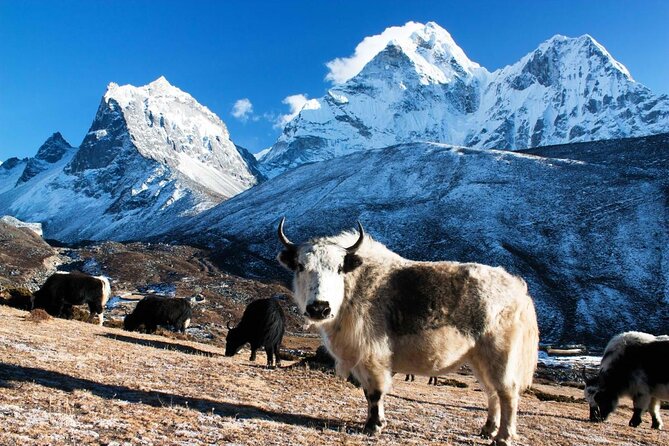
- Epic sunrise views from 4,067m: A high hill position with big-Himalaya sightlines at dawn.
- A quieter feel when conditions line up: Some days can feel remarkably empty on the trail.
- Full-board meals included: Breakfast plus your meals during the trek; drinks are extra.
- Village-to-village trekking: You move through settlements like Kerung, Pattale, Jhapre, Lamajura, and Junbesi.
- Guides you can recognize by name: The Sherpa team often includes guides such as Dawa Sherpa and Jay Bir.
Pikey Peak and the big-view advantage at 4,067m
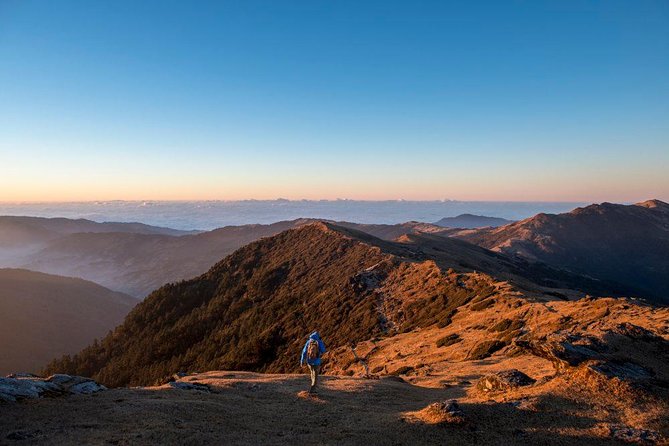
Pikey Peak is one of those rare places where “tall enough to matter” meets “not so remote you’re gone for weeks.” At 4,067m, you’re high enough to chase a serious view, but this is still a realistic 8-day trek for people who want the Himalaya without turning the trip into a month-long project.
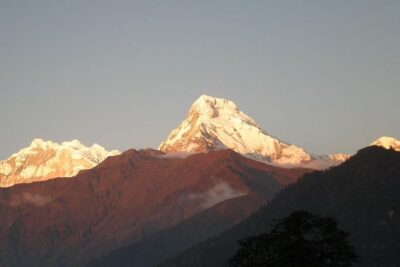
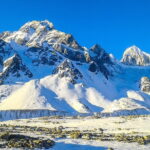
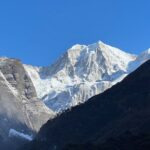
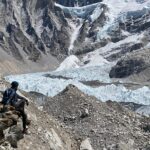
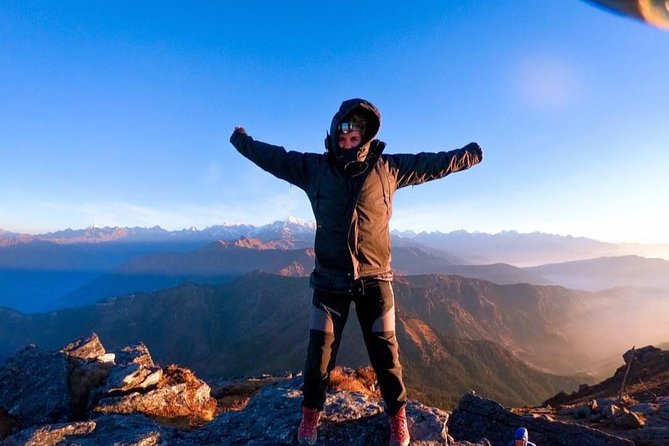
From the top, you’re not just looking at one famous peak. You get sweeping views across many ranges in the eastern and central Himalayas, with names like Everest, Makalu, Kanchenjunga, Annapurna, Gaurishankar, Lhotse, Nuptse, Numbur, Sishapangma, Thamserku, and Mera Peak all part of the wide-angle conversation. The best part is that sunrise and sunset aren’t just scenery—they’re the reason you’ll feel the effort in your legs.
And if you’re thinking, I want that eight-thousander energy without doing the highest-altitude treks—this is exactly the kind of hill trek that can fit that goal.
You can also read our reviews of more tours and experiences in Kathmandu.
The route through Kerung, Pattale, Jhapre, Lamajura, and Junbesi (with Phaplu as the base)
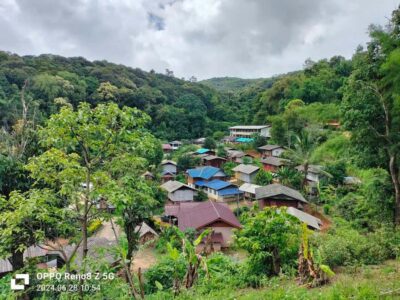
This trek begins and ends at Phaplu, and the walking route threads through several village stops: Kerung, Pattale, Jhapre, Pikey Peak, Lamajura, and Junbesi. That village sequence matters because you’re not only hiking between view points—you’re walking through everyday life in the Solu Khumbu region.
Here’s how these stop types tend to feel, and what to watch for:
Phaplu (start and finish)
Phaplu is your base point for the trek portion itself. Expect a more town-like start compared with the higher settlements you’ll pass later, and plan to treat your first hours as a warm-up for a longer stretch of hiking.
Kerung and Pattale (early trekking rhythm)
These are part of the earlier segment where you settle into the pace. You’ll want to start conservatively here. Early energy control pays off later because the trek’s “headline” is a summit-area moment tied to sunrise and/or sunset.
Jhapre (where the trail starts to feel more serious)
By the time you reach Jhapre, the hiking days start to feel more like sustained trekking rather than easy walking. This is a good point to focus on steady steps, consistent breathing, and not rushing the altitude game.
Pikey Peak (the reason you came)
This is the high point that ties everything together. Even if you’re tired, it helps to remember this segment is about reaching the right vantage for sunrise views and the same ridge line at dusk.
Lamajura and Junbesi (lower-alpine culture feel)
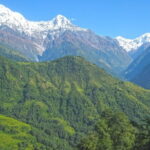
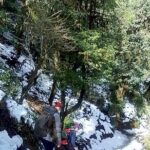
These village stops add a cultural layer to the climb. One of the strongest themes people highlighted is how this can feel like a lower alpine and cultural experience even though you’re getting major Himalayan vistas. The benefit for you is simple: you’re not just chasing photos; you’re seeing how communities live along the trekking routes.
The return back toward Phaplu
Coming down is still work. Your legs will feel it, and you’ll likely appreciate the same village rhythm again—this time with a little more gratitude and a little less urgency.
Sunrise and sunset at Pikey Peak: how the hard part stays worth it
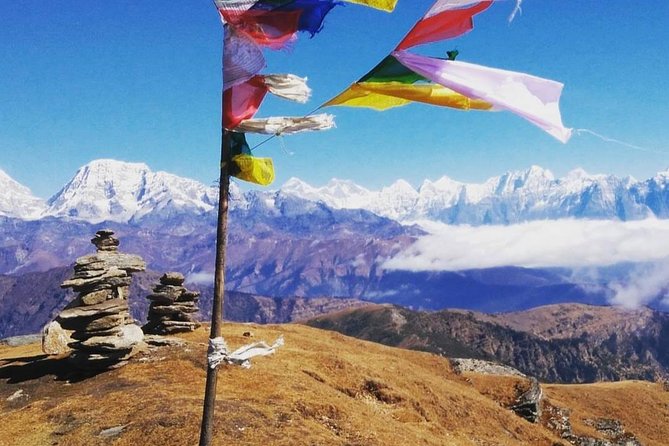
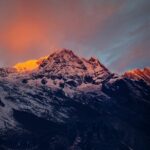
The big attraction here is clear: breathtaking sunrise and sunset from Pikey Peak. That means your hardest stretch isn’t just about reaching elevation. It’s about being at the right place at the right time, when light turns mountain ridges into a layered, almost dramatic map.
If you want this to go smoothly, plan your mindset as much as your packing:
- Start slow enough that you still have enough gas to enjoy the summit moment.
- Keep layers ready for a cold ridge feel at dawn and a chill fade at sunset.
- Bring something you can move with easily. You’ll be moving up, then standing for a while to watch the light shift.
A practical bonus: when the view is the headline, you’ll feel the payoff fast. After hours of hiking, the transition from effort to awe tends to land right where it should.
Guides, quiet trails, and what private means on this trek
This is a private tour/activity, so you’re not sharing the experience with strangers in a big mixed group. That matters on a trek like this because the vibe can change day to day: quieter trails feel even better when your group stays consistent, and it’s easier to match the pace to your needs.
The guide team you might work with is a big deal here. Names that show up in the Sherpa Expedition & Trekking sphere include Dawa Sherpa, Jay Bir, Hiese Lama, and Nee-ma Sherpa working alongside C-erpa Pasang. When guides are this visible in real accounts, it usually means they’re active in the experience—not just paperwork and logistics.
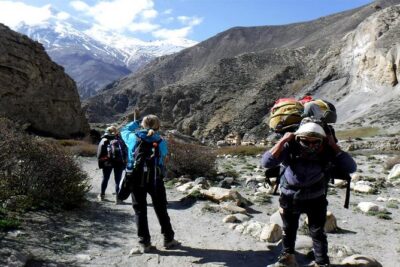
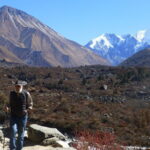
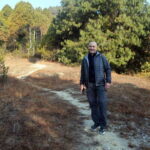
One of the more memorable points people describe is the trail’s calm. You can get stretches so quiet that the path feels like yours. That isn’t guaranteed every day, but it’s one of the reasons I like this trek type for people who hate crowds.
For your own planning, private also means you can ask for small adjustments. If you need a slightly slower rhythm or a longer break before the summit push, your guide should be able to adapt more than a rigid group schedule.
Meals on the trail: full board is a real value
Food on trekking days is not a small detail. It’s energy, morale, and timing. On this trek, the included plan covers breakfast and full-board meals during the trek.
So you’re not piecing together lunch while tired. You can focus on hiking, resting, and then eating when it’s time. That’s especially helpful on a route where your day can revolve around reaching a ridge at dawn or dusk.
The one clear gap: hard and soft drinks are not included. That means if you’re the kind of person who likes to budget for tea, soda, or anything extra at meal time, keep that in mind. For value, it’s better to think of this trek’s meal inclusion as your base fuel, then plan drinks as add-ons.
Price and value: what $1,435.90 per person is buying
At $1,435.90 per person, this isn’t a budget trek. It sits in the category where the quality of coordination matters: guiding, meal planning, and keeping you on track from start to finish.
Here’s what your money is doing in practical terms:
- Private trekking setup for your group (not a crowded big-group feel).
- Full-board meals plus breakfast, which removes a lot of hassle.
- A clear start structure from the Kathmandu meeting area, with the trek portion tied to Phaplu.
- A local guiding team under the Sherpa Expedition & Trekking brand.
The value equation gets easier when you compare it to what you’d likely pay if you tried to assemble the same support yourself. Meal planning alone can be a savings in both money and stress. The drinks not included are the main “extra,” so it’s wise to bring a spending buffer for that.
Also, the mobile ticket feature is worth noting if you like smooth, paper-light travel. Less fumbling means more time for sleep and packing.
Timing, meeting point, and how to be ready for a 6:15am start
The trek start is listed at 6:15am, with the meeting point at Tribhuvan International Airport, Ring Rd, Kathmandu, Nepal. The activity ends back at that same meeting point. In between, the trekking portion starts and ends at Phaplu.
That split matters for your day planning. You’ll want to be in Kathmandu with enough buffer to get to the airport-area meeting on time. A 6:15am start is not the time for a slow breakfast or late arrivals.
For your body, the moderate physical fitness requirement is stated as moderate. That’s encouraging, but you should still expect the trek to feel like trekking. The top is 4,067m, and you’re walking between settlements through varying trail conditions, with a summit moment tied to sunrise and/or sunset.
Packing thoughts (kept practical, not fancy):
- Layers for cold early starts
- A warm hat and gloves you can actually hike in
- Good traction shoes or boots
- A small daypack for water and essentials
- A headlamp if you get an early ridge start (useful for pre-dawn timing)
If you do these basics well, the rest of the experience becomes easier to enjoy.
Should you book Pikey Peak Trekking?
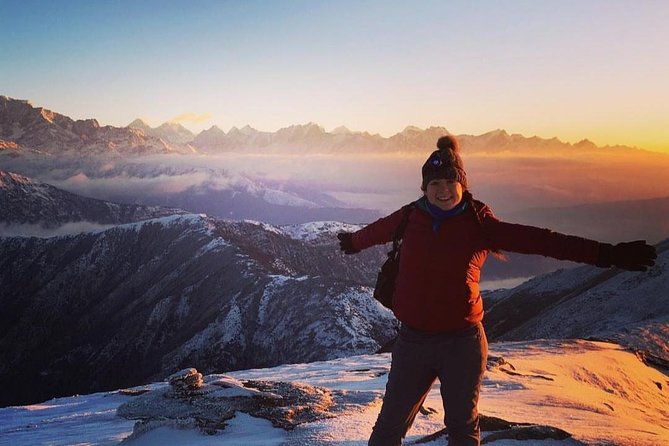
I’d book this trek if you want big-Himalaya views in an 8-day window, with a strong emphasis on sunrise and sunset from Pikey Peak (4,067m). It’s also a great choice if you care about cultural village walking through places like Kerung, Pattale, Jhapre, Lamajura, and Junbesi, not just a nonstop grind.
Choose it with eyes open if:
- You’re sensitive to early mornings and higher-altitude effort.
- You’d rather have drinks included in the price (they’re not).
- You want a super-budget option (this is priced for guided support and private care).
If you match the fitness level and you like the idea of a quiet, scenic ridge moment with serious mountain views, this is the kind of trek that can feel unforgettable without needing a longer time commitment.
FAQ
Where is the meeting point and what time does the trek start?
The meeting point is Tribhuvan International Airport, Ring Rd, Kathmandu, Nepal. The start time is 6:15am.
How long is the Pikey Peak trek?
The duration is listed as 8 days approximately.
What is the highest point on the route?
Pikey Peak is listed at 4,067m.
Where does the trek start and end?
The trekking portion begins and ends at Phaplu.
What meals are included?
Breakfast is included, along with full-board meals during the trek.
Are drinks included?
Hard and soft drinks are not included.
Is this a private tour?
Yes. It’s a private tour/activity, so only your group participates.
What is the cancellation policy for a full refund?
Free cancellation is available. You can cancel up to 24 hours in advance for a full refund. If you cancel less than 24 hours before the experience’s start time, you don’t get a refund.