REVIEW · POKHARA
Pokhara: 4-Day Poon Hill and Ghandruk Guided Trek
Book on GetYourGuide →Operated by MTA Trekking Pvt. Ltd. · Bookable on GetYourGuide
A sunrise over the Annapurnas is never boring. This short trek from Pokhara mixes Poon Hill magic with the slow, friendly rhythm of Ghandruk. I love the built-in time window for early mountain light, and I love how the route keeps you moving through real villages instead of only viewpoints. One thing to consider: you will climb lots of steps and hike 6 to 7 hours some days, so it’s not a stroll.
This is a well-packaged guided experience: you get a local licensed guide, permits, and round-trip transport, plus tea house overnights on the trail. Guides named Prabit, Ramit, and Sishir come through in the feedback, with people praising attentive care and solid pacing. The main drawback is simple and practical: at these altitudes and early hours, weather can still throw a curveball.
In This Review
- Key Points to Know Before You Go
- Annapurna Views in 4 Days: What This Trek Really Delivers
- Day 1: Pokhara to Ulleri via Nayapul and the Modi River Steps
- Day 2: Rhododendron Forest Hikes to Ghorepani Tea House Nights
- Day 3: Poon Hill Sunrise, Annapurna and Dhaulagiri, Then Ghandruk
- Day 4: Ghandruk Traditions, Guided Village Time, and Back to Pokhara
- When to Hike: Spring Rhododendrons and Autumn Clear Views
- Guides and Pacing: Why People Keep Mentioning Prabit, Ramit, and Sishir
- Price and Value at About $226: What You’re Actually Buying
- Transport and Pickup: Making It Easy to Start in Pokhara
- What to Pack for a Step-Heavy, Sunrise-Based Trek
- Who This Trek Suits Best (and Who Might Want Another Option)
- Should You Book This 4-Day Poon Hill and Ghandruk Trek?
- FAQ
- How long is the Pokhara Poon Hill and Ghandruk trek?
- What is the pickup and drop-off like in Pokhara?
- What’s included in the price?
- Are permits required?
- What language is the guide?
- Is this a private group trek?
- What time of year is best?
- What is the trek’s difficulty like?
- What should I bring since it is not included?
Key Points to Know Before You Go
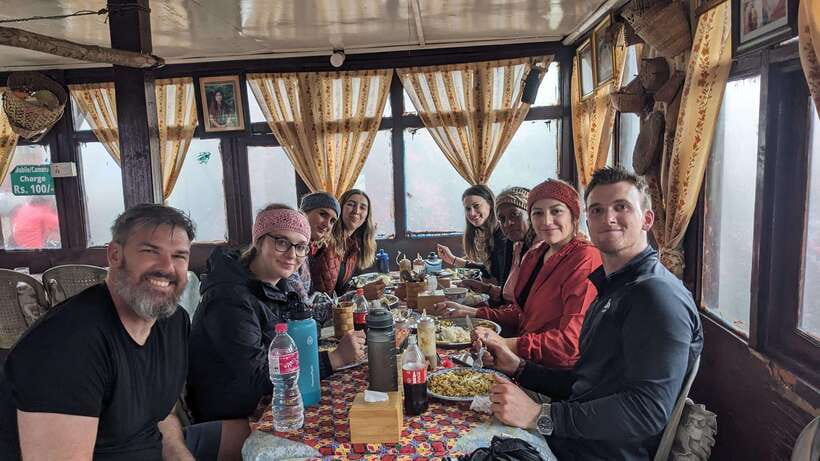
- Poon Hill sunrise is the centerpiece, with early wake-up timing to catch Himalayan color.
- Rhododendron forests show up on the lower trek sections, especially in spring.
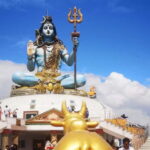
- Ghandruk village time gives you Gurung culture, food, and a more lived-in feel than just a stop for photos.
- Guides matter here, and feedback highlights careful pacing and real help on the trail.
- Included basics (guide, permits, rescue support, transport, and trek meals/accommodation on the full package) reduce planning stress.
- Short trek, real hiking: expect step-heavy days and long total walking, not just easy paths.
Annapurna Views in 4 Days: What This Trek Really Delivers
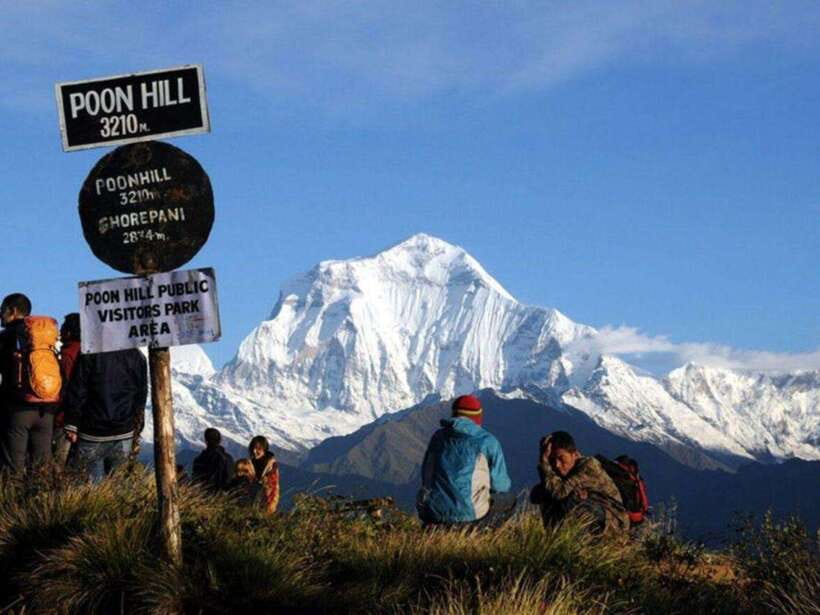
If you want Annapurna views without committing to a huge expedition, this trek is built for you. You start from Pokhara, then work your way upward to about 3,210m, where the mountains start taking over the sky. The big payoff is twofold: you get a classic Himalaya sunrise from Poon Hill, and then you shift gears to village life in Ghandruk, home to Gurung culture and hospitality.
What makes this route especially appealing is the balance. Most short treks here chase one viewpoint and call it done. This one gives you a second, more human experience afterward. Poon Hill is the spectacle. Ghandruk is the memory you keep after the photos.
The format also feels practical. You’re not stuck figuring out logistics or permits. The experience includes a local licensed guide, TIMS and permits, and round-trip transportation. That’s not just convenience. It’s safety, too, because the route is known and guided, and the package includes emergency rescue assistance.
You can also read our reviews of more tours and experiences in Pokhara.
Day 1: Pokhara to Ulleri via Nayapul and the Modi River Steps
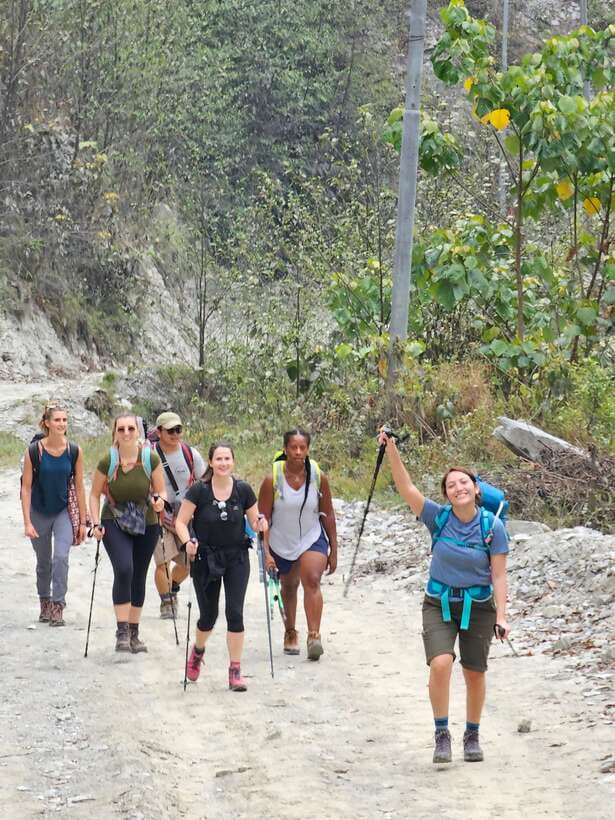
Day 1 starts with a drive from Pokhara toward Nayapul, then you begin walking with a fresh, scenic warm-up along the Modi River. This is a good start because it puts you in the Annapurna mood early, with views that can include Annapurna South.
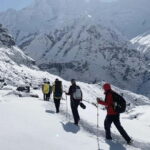
Then comes the part you feel in your legs: a big push of many steps up to Ulleri. It’s not technical hiking, but it is steady climbing. I like this for first-time trekkers because it builds confidence quickly: you can set your own pace, and the climb has a clear goal.
When you reach Ulleri, you end with tea house downtime. That matters more than people think. You’ll be ready to eat, rest, and sleep without the stress of searching for food or wondering what comes next.
Practical takeaway: pack for comfort on steps (good socks, shoes you trust) because Day 1 is where the “short trek” label can be misleading. It’s short in days, not in effort.
Day 2: Rhododendron Forest Hikes to Ghorepani Tea House Nights
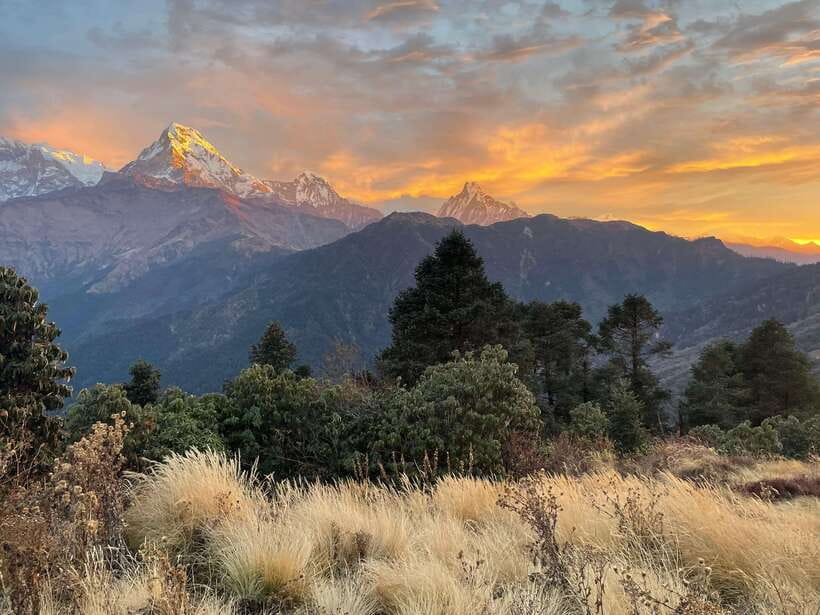
Day 2 is more uphill work, but it’s also more nature. You keep climbing and walking through rhododendron forests, and in spring (March–May) those blooms can turn the trail into a living color show. Even if you aren’t hiking in peak bloom season, rhododendron forests still give you shade and a sense of moving through something alive, not just stone and air.
You’ll also keep encountering local day-to-day life along the path. This is where the trek starts to feel Nepal-real: tea house routines, simple trails, and communities that have learned to live with the rhythm of hikers passing through.
You finish the day at a tea house in Ghorepani. This is one of the most useful things about a guided short trek: the overnight location is chosen to support the next morning’s big moment at Poon Hill. You’re not scrambling for timing. You’re lined up for sunrise.
Practical takeaway: keep today steady. Don’t sprint for views. Save energy, because tomorrow is an early start and a longer day.
Day 3: Poon Hill Sunrise, Annapurna and Dhaulagiri, Then Ghandruk
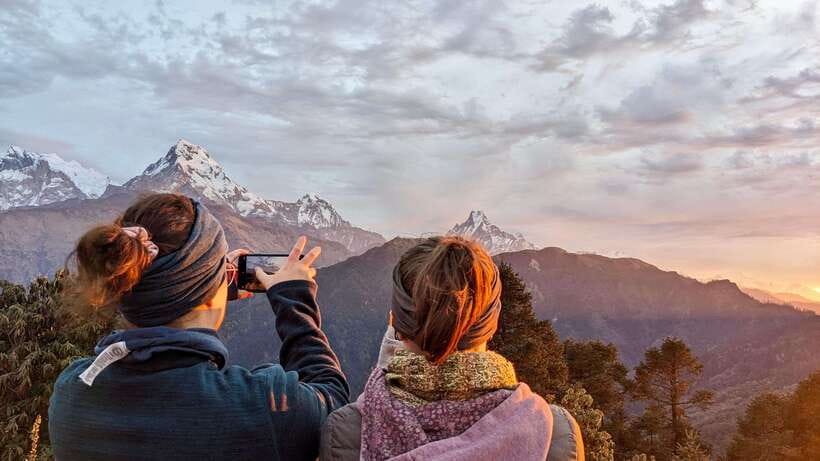
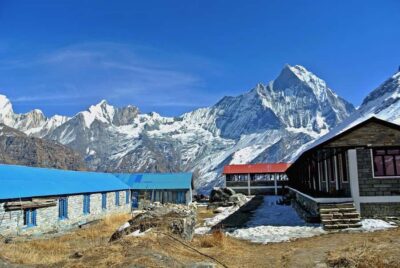
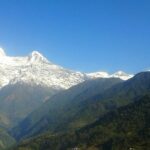
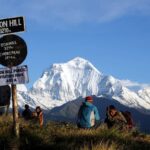
This is the day you’ll remember most clearly. You wake up early for sunrise at Poon Hill, then you watch the mountains light up. The views here are known for covering major peaks like Annapurna and Dhaulagiri.
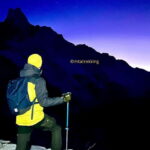
A sunrise trek is partly about the sky, but it’s also about your timing. Starting early means cooler air, less cloud movement, and a better chance at clear visibility. Of course, weather can change, so I’d treat sunrise as the plan, not a guaranteed script.
After you get that sunrise moment, the route continues to Ghandruk. This is where the trek turns into a long walk and a culture-forward day. Your energy needs to be good. The guidance is straightforward: make sure you have a solid breakfast before the push, because this part is described as a long day.
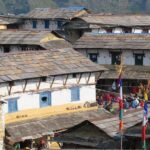
When you arrive in Ghandruk, you’re not just dropping into a viewpoint settlement. You’re entering a village with Gurung community life. The atmosphere shifts from climb-and-look to wander-and-learn.
Practical takeaway: this is the day to be smart about your body. Hydrate, eat consistently, and keep moving at a pace your lungs can handle. You’ll enjoy the village more if you’re not arriving wiped out.
Day 4: Ghandruk Traditions, Guided Village Time, and Back to Pokhara
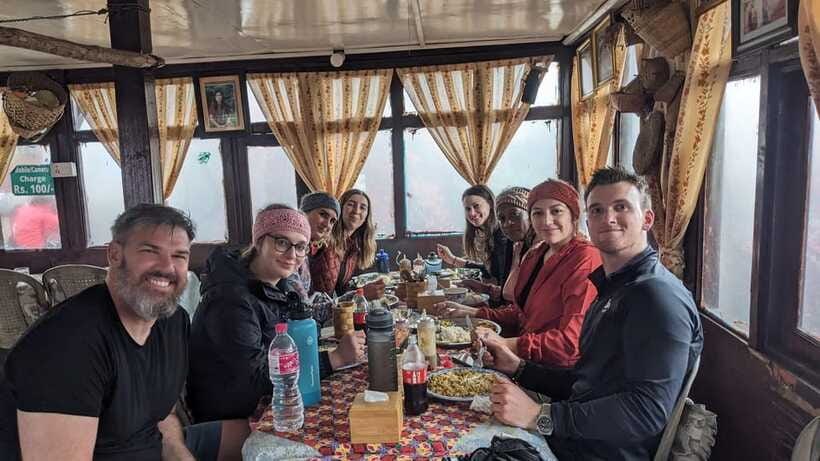
Day 4 gives you something many short treks miss: time to actually slow down in the village. You spend more time exploring Ghandruk and its traditions, and the experience includes a guided tour of about 2 hours. That’s where culture becomes more than a passing glance.
Ghandruk is especially known for Gurung hospitality, and feedback highlights people trying Gurung food and even cultural dress. That’s the kind of experience that feels personal because it’s about how people live, not just what mountains look like.
Then you walk back toward Nayapul and drive to Pokhara. The ride back matters emotionally. After days of altitude and hiking, it helps your body switch off. Once in Pokhara, you can relax and let the trek settle into your memory.
Practical takeaway: plan a calm evening in Pokhara on Day 4. You’ll want a hot shower, a proper meal, and time to let your legs recover.
When to Hike: Spring Rhododendrons and Autumn Clear Views
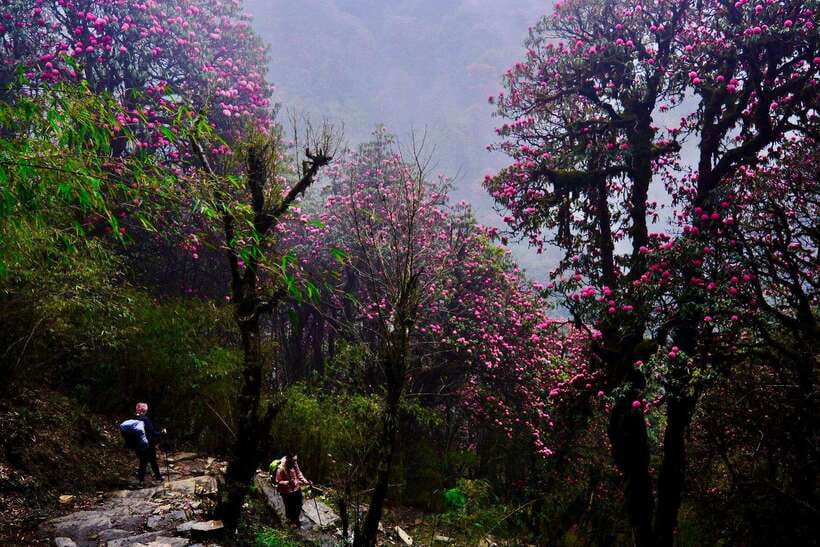
Timing is a big deal for this trek. The best season for spring (March–May) is when rhododendrons can bloom along the trail. If your goal is color and softer-feeling forest paths, this is the window you want.
For visibility, autumn (September–November) is the go-to for clearer skies. Since a major highlight is sunrise at Poon Hill, you care about cloud cover and atmospheric clarity more than you would on a hike with fewer viewpoint moments.
If you’re flexible, I’d base your choice on what you value most:
- Want rhododendron scenery? Lean spring.
- Want the best chance of crisp mountain views? Lean autumn.
Guides and Pacing: Why People Keep Mentioning Prabit, Ramit, and Sishir
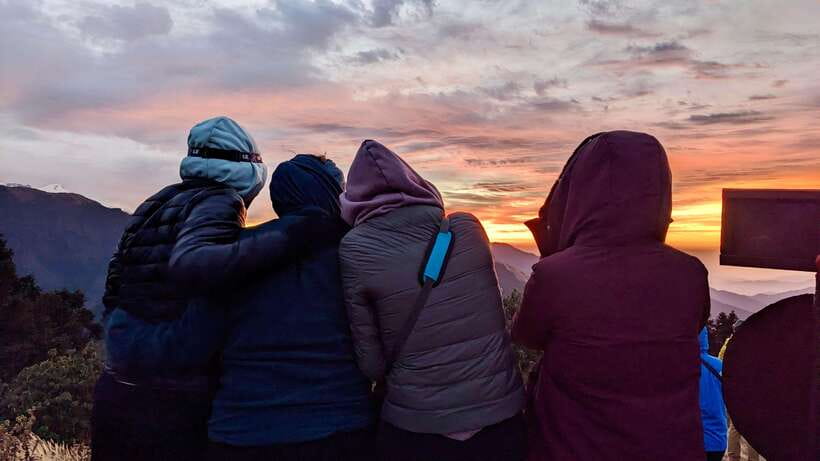
In a trek like this, the guide affects everything from your comfort to your confidence. The feedback here is consistent: guides show up attentive, responsive, and tuned to the group.
Names that came up clearly include Prabit, Ramit, and Sishir. People liked that their pacing felt spot on, and that guides were present when needed. One traveler also noted Prabit being great for photography, which is a real perk because early sunrise moments are hectic. You want someone who understands angles, timing, and when to help you get the shot without rushing you.
Private group trekking also changes the vibe. You’re not negotiating your pace with strangers who have different stamina. You can ask questions, slow down for photos, and keep a calmer rhythm.
Practical takeaway: pick a guide mindset. If you want a smooth experience, choose one who manages pace and timing. This trek’s structure supports that, especially with the sunrise plan at Poon Hill.
Price and Value at About $226: What You’re Actually Buying
The listed price is $226 per person, and for Nepal trekking, that only feels like a good deal if the package genuinely reduces your workload. Here’s what’s included, based on the activity details:
Included:
- Round-trip transportation
- Local licensed guide
- Accommodation and meals during the trek (for the full package)
- Emergency rescue assistance
- Permits and TIMS
Not included:
- Personal trekking equipment
- Expenses caused by accidents or natural disasters during the trek
So what are you really paying for? Not just “some hiking.” You’re paying for:
1) The guide to manage the route and timing
2) The paperwork (TIMS and permits) so you’re not doing admin on the fly
3) The logistics that let you focus on walking, eating, and resting
That’s why short guided treks often cost more than DIY. You buy fewer unknowns. If you don’t want to plan transport from Pokhara, handle permits, or worry about tea house arrangements day by day, this price can represent decent value.
Transport and Pickup: Making It Easy to Start in Pokhara
One underrated part of any trek is the first hour. This one comes with round-trip transportation, and there are lots of pickup and drop-off options around Pokhara. You can find listings including areas like Lakeside Road and central hotels, plus pickup near Pokhara International Airport.
That matters because Pokhara can be spread out, and trekking days start early. If you’re starting from a convenient hotel area, you’ll lose less time and energy before you even begin climbing.
Practical takeaway: confirm your pickup location clearly so you’re not trekking to meet the vehicle with a heavy day pack.
What to Pack for a Step-Heavy, Sunrise-Based Trek
You’re going to do a mix of steep steps, cool early mornings, and daytime walking. The package covers meals and accommodation on the trek for the full option, but you still need personal trekking equipment.
At minimum, I’d plan for:
- Comfortable hiking shoes with grip for stone and steps
- Warm layer for early sunrise at Poon Hill
- Rain protection, because weather in the Himalayas can change fast
- Water and snacks for the longer walking day to Ghandruk
- Sunglasses and sun protection (altitude + morning brightness can be intense)
If you’re not sure what counts as personal gear for this specific provider, you can ask before you go. But the overall message is clear: they’ll handle the guided part. You bring the body-friendly gear.
Who This Trek Suits Best (and Who Might Want Another Option)
This trek is a great fit if:
- You want a 4-day plan with a major highlight (Poon Hill sunrise) and a culture component (Ghandruk Gurung community)
- You prefer guided support and included permits
- You’re comfortable hiking 6–7 hour days and tackling lots of steps
It might be less ideal if:
- You want a low-effort walk with minimal climbing
- You’re sensitive to early mornings
- You’re expecting a fully flat trail
Still, it’s built as a realistic short trek. The combination of tea houses, clear daily structure, and guidance makes it approachable for many people, as long as your legs and lungs can handle the climb.
Should You Book This 4-Day Poon Hill and Ghandruk Trek?
Yes, I’d book it if your priorities are:
- Sunrise views at Poon Hill
- A second stop that’s about people and culture, not just scenery
- A guided plan where permits, transport, and rescue support are already handled
I’d think twice only if you know you dislike step-heavy hiking or you hate early alarm mornings. The trek schedule is built around sunrise, and the climbing is part of the experience.
If you do book, the smart move is to go into it focused on pacing. Eat well, hike steadily, and save energy for the village day in Ghandruk. That’s where the trip turns from a view chase into a lived memory.
FAQ
How long is the Pokhara Poon Hill and Ghandruk trek?
It lasts 4 days.
What is the pickup and drop-off like in Pokhara?
There are many pickup locations in Pokhara (including Lakeside area and other hotels) and multiple drop-off locations when you return.
What’s included in the price?
The full package includes round-trip transportation, a local licensed guide, accommodation and meals during the trek (full package), emergency rescue assistance, and permits including TIMS.
Are permits required?
Permits and TIMS are included as part of the activity.
What language is the guide?
The live tour guide speaks English.
Is this a private group trek?
Yes, it is listed as a private group.
What time of year is best?
Spring (March–May) is best for rhododendron blooms. Autumn (September–November) is best for clear skies.
What is the trek’s difficulty like?
The route involves step climbing and day hikes, including longer walking days (so it’s not a flat walk).
What should I bring since it is not included?
Personal trekking equipment is not included, and you should also plan for any costs from accidents or natural disasters, since those expenses are not covered.