REVIEW · KATHMANDU
Annapurna Luxury Circuit Trek
Book on Viator →Operated by Nepal Trek Adventure and Expedition P.Ltd · Bookable on Viator
Luxury meets high passes on this Annapurna trek.
What makes the Annapurna Luxury Circuit Trek interesting is that it treats the Annapurna Circuit like a real adventure, but runs it with organized logistics and comfort where you’re not walking. I especially like the way you’re met on arrival in Kathmandu and moved smoothly into the trek rhythm, and I also like that your luggage is handled by a dedicated porter (shared with another guest), so you can focus on the trail and acclimatization.
The one drawback to keep in mind: this is still high-altitude walking. Even with safety-first pacing and rest built in, you’ll cross Thorong La at 5,416m and spend long stretches on days that feel demanding if you’re not used to elevation.
In This Review
- Key highlights to know before you go
- Kathmandu arrivals: comfort and clarity before the mountains
- From Kathmandu to Besisahar and Chame: the trek begins with a drive
- Upper Pisang and Manang: where acclimatization becomes real
- Manang to Ladar (4,230m): Tibetan influence and a higher body baseline
- Into the cold: Ladar toward Thorong High Camp
- Thorong La (5,416m) and the downhill to Muktinath
- Marpha to Jomsom: apples, river views, and strong winds
- Pokhara and the final city wrap: Fewa Lake and a reset
- What you’re really paying for with a “luxury” circuit
- Value check: how $2,000 can make sense (and what you must plan for)
- Who should book this Annapurna Luxury Circuit Trek
- Final verdict: should you book?
- FAQ
- How long is the Annapurna Luxury Circuit Trek?
- What is the group size for this trek?
- When does the tour start and where do we meet?
- Is airport pickup included in Kathmandu?
- Where will you stay during the trek and in Nepal’s cities?
- Do you have porter support for luggage?
- What is the highest point on the route?
- Are flights used during the journey?
- What’s required or not included for the cost?
- What happens if the trek is canceled due to weather or if I cancel?
Key highlights to know before you go
- Small group size (max 10): you’ll move as a tight unit, which usually means fewer delays.
- 4-star hotels in Kathmandu and Pokhara: real comfort before the mountains and after you finish.
- Porter support (2 guests per porter): less weight on your body, more energy for the climb.
- A built-in acclimatization day in Manang: you get time to adjust instead of rushing straight up.
- Thorong La crossing (5,416m): the hardest day, with big payoff views and a dramatic downhill.
- Flights to connect the end of the circuit: Jomsom to Pokhara, then Pokhara to Kathmandu, which saves time.
Kathmandu arrivals: comfort and clarity before the mountains
On day 1, you’re not left to figure things out on your own. An airport representative meets you outside the terminal holding a Nepal Trek Adventures signboard, then you’re guided to a tourist vehicle for the ride to your hotel. That matters on an adventure like this, because you’re planning for altitude later; you want sleep, food, and a calm start—not paperwork stress.
You also get real city comfort built in. The package includes 2 nights at 4-star hotels in Kathmandu and 2 nights at 4-star hotels in Pokhara, so your trip doesn’t vanish into tea houses until the end. If you like a hot shower and a proper bed before you start walking at altitude, this is a big part of the value.
One more practical detail: the stated meeting point is Nepal Trek Adventure and Expedition P. Ltd. at Thamel Marg in Kathmandu, with a start time of 6:15 am. If you’re the type who hates running late, plan to be settled the night before.
You can also read our reviews of more tours and experiences in Kathmandu.
From Kathmandu to Besisahar and Chame: the trek begins with a drive
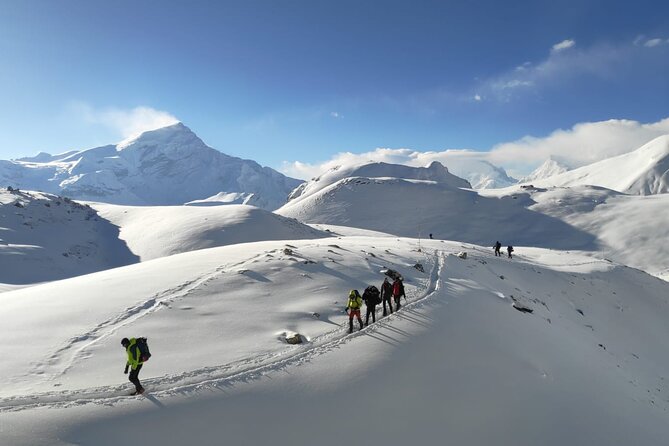
Day 2 starts with a scenic drive from Kathmandu to Besisahar that takes about 6–7 hours. You’ll pass through lush hills and traditional towns, and then you get downtime on arrival to rest up and eat local food before the trekking rhythm kicks in.
Day 3 continues with another long drive, about 6–7 hours, from Besisahar to Chame. Chame sits at around 2,670m, and it’s described as a gateway toward the Manaslu region. Along the way, you cross suspended bridges and rivers, which adds a sense of motion before your first big walking day. That’s a subtle but useful thing: it primes you for the constant changing views without exhausting your legs too early.
You stay overnight in a lodge in Chame. Even though it’s a “luxury” trek, think of these early nights as functional comfort—warm enough, a decent bed, and an atmosphere that helps you get ready for higher altitudes.
Upper Pisang and Manang: where acclimatization becomes real
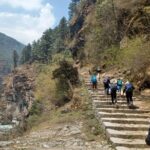
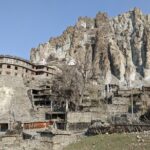
Day 4 pushes you into the middle elevations with a route that takes you toward Upper Pisang. Expect dense forests, stream crossings, and big rock scenery as you move toward the Annapurna range viewlines. Upper Pisang is also known for its traditional character, and you can visit local monasteries and talk with local residents. You’ll sleep in a cozy teahouse here, which is the kind of small change that helps the mountains feel close instead of distant.
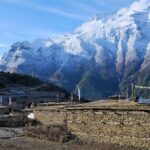
Then comes Day 5: the hike to Manang at about 3,540m. Manang is a key trading center in this region, and the setting around it is described as dramatic, with tall peaks like Annapurna III, Gangapurna, and Tilicho Peak in the wider circle. What I like about reaching Manang in this trek style is that you’re not just “arriving”—you’re setting up your body for the real altitude challenge later.
Day 6 is the big acclimatization buffer, and it’s one of the reasons this package works for people who want comfort plus a smarter altitude plan. You stay in Manang to adjust. The day includes activities mentioned in the plan such as seeing Gangapurna and the ice lakes, plus a visit to Vraja village to see the Himalayan Rescue Association. That visit is specifically tied to learning about acute mountain sickness, which is exactly the kind of education you want when you’re about to go higher.
So instead of a straight line up, you get a day that helps your body catch up and helps your mind understand what’s happening.
Manang to Ladar (4,230m): Tibetan influence and a higher body baseline
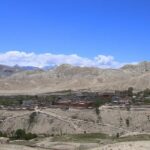
Day 7 hikes from Manang to Ladar (around 4,230m). The route is described through juniper and pine forest, with a steady climb that shifts the air and the feel of the ground. As you approach Ladar, the plan notes how Tibetan culture influences buildings and village life, which gives you a cultural layer instead of only “altitude scenery.”
The walk is listed as about 5–6 hours, and it’s described as not too hard compared with what comes next. That’s useful: after an acclimatization day, you still need a push upward, but you don’t want the push to be a wall.
This stop is also where “luxury” means you’ll still be taken care of—your guide, pacing, and logistics are managed—but your body is still doing real work. Pack light, move steadily, and treat this day as building your rhythm for the upcoming pass.
Into the cold: Ladar toward Thorong High Camp
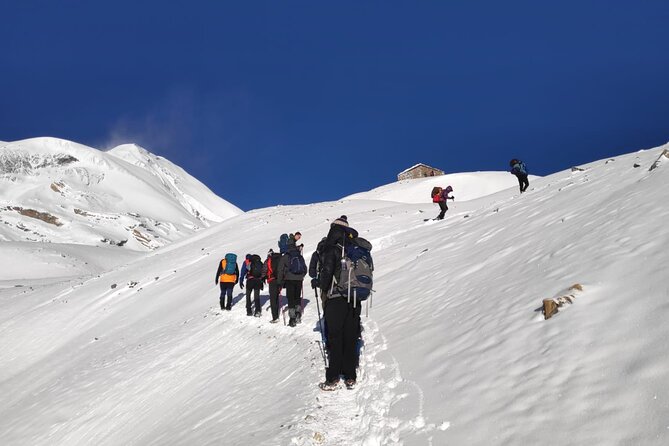
Day 8 is where the trek starts feeling much more alpine. The plan talks about moving through areas like Dusa and Dughla, with yak fields mentioned along the way. Then you’re heading toward the higher camps and the terrain changes above the tree line.
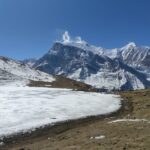
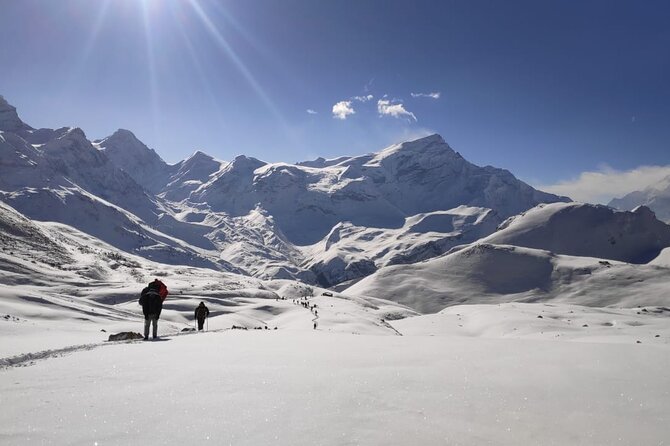
You’ll notice the environment shifts: snow-covered paths, fewer visible greens, and slopes instead of sheltering vegetation. That matters because above the tree line, comfort is not just “nice to have.” Cold affects your pace, your hydration, and how quickly you get tired. The hike to Thorong High Camp is described as about 5–6 hours and includes steeper ground and increasing altitude pressure.
If your goal is to reach Thorong La confidently, Day 8 is a key day to respect. Go slow, keep sipping fluids, and focus on steady steps rather than chasing speed.
Thorong La (5,416m) and the downhill to Muktinath
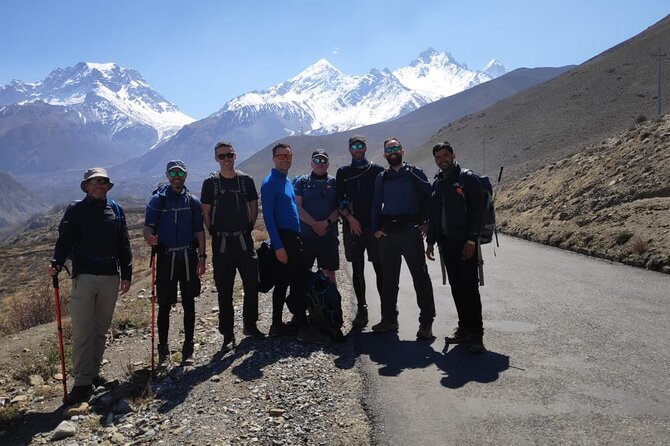
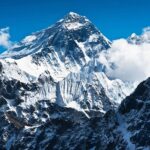
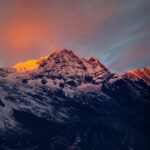
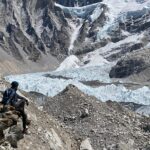
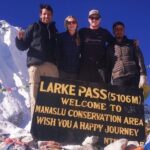
Day 9 is the hardest part of the trek: crossing Thorong La Pass at 5,416m. The climb to the pass is described as tough, but the reward is major—views of mountains and rivers all around you.
After the pass, the itinerary shifts into a downhill toward Muktinath, a holy site with both Hindu and Buddhist temples and natural spring water sources. This transition is more than scenic. A pass day can feel like a mental obstacle; then the descent gives your legs work that’s still serious, but different. It’s also a nice reminder that this is not just a mountain climb—it’s a place people have practiced faith and daily life around for a long time.
The total time for this section is listed around 6–7 hours, so plan to start with energy and end with patience.
Marpha to Jomsom: apples, river views, and strong winds
Day 10 takes you from Marpha to Jomsom. The route is described with classic features: traditional stone houses and apple orchards, plus time along the Kali Gandaki River after crossing it. Marpha’s apple setting is a real cultural anchor here—if you like food moments on a trek, this is one of the more memorable.
Jomsom is described as the administrative center of the Mustang area, with stores, hotels, and places to eat. You can also visit the Jomsom Museum and there are hot springs mentioned as an option. One thing to plan for: Jomsom is known for strong winds, and the notes say to be ready for stormy weather. Even if you’re not scared of wind, it can affect comfort and how quickly your plans feel tight.
Day 11 makes it easier again: you fly from Jomsom to Pokhara in the morning. You get views of peaks like Dhaulagiri and Annapurna, then you’re dropped into Pokhara’s calmer rhythm.
Pokhara and the final city wrap: Fewa Lake and a reset
After arriving in Pokhara on Day 11, the plan gives you breathing space. Pokhara is known for calm lakes and mountain views, and the route specifically mentions Fewa Lake as a place you can visit. You also have time for the city’s nightlife if that’s your thing—this part of the trip is designed to help your body recover from the altitude stress.
Day 12 returns you to Kathmandu with a short 30-minute flight from Pokhara. Once you land, you’re transferred to your hotel to freshen up and relax. Later in the evening, the company schedules a farewell dinner, which is a nice closing ritual after days of early starts and quiet focus.
Day 13 is a final airport transfer to Tribhuvan International Airport with your representative, so you can fly out of Nepal.
What you’re really paying for with a “luxury” circuit
A luxury trek isn’t just softer beds. In this Annapurna version, “luxury” shows up in three places that actually change your experience:
1) Comfort windows in cities
You get 4-star hotels in Kathmandu and Pokhara, which helps you recover between the demanding trek days and the flights.
2) Less load on your body
The package includes a trekking porter, carrying luggage for two guests sharing one porter. That’s a practical upgrade. Carrying less makes it easier to walk consistently and saves energy for the hardest altitude day.
3) Safety focus plus real acclimatization
The plan emphasizes acclimatization to minimize altitude sickness and builds in time in Manang. The inclusion of a Himalayan Rescue Association visit tied to acute mountain sickness education is especially relevant. It’s not only “go higher,” it’s “understand the risk.”
Now the tradeoff. You’re still walking the Annapurna Circuit’s altitude profile. The route includes extreme heights like Thorong La (5,416m) and long days that can test your breathing and stamina. Luxury can make the experience smoother, but it can’t change physics.
Value check: how $2,000 can make sense (and what you must plan for)
At $2,000 per person, the value depends on what you personally want out of the trek.
Here’s what the package lists as included:
- permits
- flights listed as Kathmandu–Lukla–Kathmandu
- a trekking porter for luggage (shared: 2 guests per porter)
- 2 nights 4-star hotel in Kathmandu
- pre-briefing of the trek
- 2 nights 4-star hotel in Pokhara
- select meals (the package specifically lists dinner and lunch on the trek’s later days, plus breakfast near the end)
- airport and local transfers connected to the schedule
- maximum group size of 10 and pickup offered
But the day-by-day schedule also includes flights that appear to be part of the trek’s routing: a morning flight from Jomsom to Pokhara and a 30-minute flight from Pokhara to Kathmandu. Because the included-flight line mentions Kathmandu–Lukla–Kathmandu, I’d treat that as something to confirm with the operator before you pay in full. You want clarity on which flights are actually part of your exact plan versus general package inclusions.
What’s not included is equally important:
- drinks with alcohol
- personal trekking equipment
- travel insurance that covers medical and emergency evacuation
- tips for guide and porter (tipping is expected)
If you’re already comfortable buying your own insurance, bringing your own gear, and tipping appropriately, this kind of package can feel fair for what it coordinates: comfort in cities, porter help, and a structured altitude plan.
Who should book this Annapurna Luxury Circuit Trek
This tour is a strong fit if you:
- want the Annapurna Circuit experience but prefer fewer “logistics headaches”
- appreciate good accommodation before and after the high country days
- want a guide-led plan that includes acclimatization and practical education around altitude
- can handle long, sometimes tough walking days and don’t treat the pass as optional
It’s less ideal if you:
- want a purely budget trek with maximum independence
- expect that luxury will remove the altitude challenge (it won’t)
- dislike the idea of a small-group schedule and fixed timing around flights
Final verdict: should you book?
I’d recommend booking the Annapurna Luxury Circuit Trek if your top priority is a high-pass adventure with comfort and guidance, and you’re honest with yourself about altitude. The Manang acclimatization day and the careful emphasis on safety education make it feel more deliberate than a simple “go up, hope for the best” plan.
Before you say yes, check one key thing: the exact flight components. The package lists Kathmandu–Lukla–Kathmandu, while the route also uses Jomsom–Pokhara and Pokhara–Kathmandu flights. Get a clear written confirmation of your flight itinerary so there are no surprises.
If that’s sorted, this is a smart way to do the Annapurna Circuit with your body supported and your trip still feeling like a real mountain journey.
FAQ
How long is the Annapurna Luxury Circuit Trek?
The trek is listed as 13 days (approx.).
What is the group size for this trek?
The tour has a maximum of 10 travelers.
When does the tour start and where do we meet?
The start time is 6:15 am, and the meeting point is Nepal Trek Adventure and Expedition P. Ltd., Thamel Marg, Kathmandu 44600, Nepal.
Is airport pickup included in Kathmandu?
Yes. On arrival, an airport representative meets you outside the terminal and transfers you to your hotel.
Where will you stay during the trek and in Nepal’s cities?
You use lodges and teahouses during the trekking portion, plus 2 nights at a 4-star hotel in Kathmandu and 2 nights at a 4-star hotel in Pokhara.
Do you have porter support for luggage?
Yes. A trekking porter is included for carrying luggage, with 2 guests sharing 1 porter.
What is the highest point on the route?
The trek crosses Thorong La Pass at 5,416 meters.
Are flights used during the journey?
Yes. The trek includes a morning flight from Jomsom to Pokhara, and a 30-minute flight from Pokhara to Kathmandu. The included section also lists flight (Kathmandu–Lukla–Kathmandu).
What’s required or not included for the cost?
Travel insurance is required to cover medical and emergency evacuation. Not included are drinks with alcohol, personal trekking equipment, and tips for guide and porter (tipping is expected).
What happens if the trek is canceled due to weather or if I cancel?
There is free cancellation, and you can cancel up to 24 hours in advance for a full refund. The experience requires good weather, and if it’s canceled due to poor weather, you’ll be offered a different date or a full refund. The policy also notes a minimum number of travelers can affect cancellation.