REVIEW · SAPA
2 Day Trekking Experience: Explore with knowledgeable local guide
Book on Viator →Operated by Sapa Trekking Tours: Live like a local whilst exploring the breathtaking scenery of Muong Hoa Valley · Bookable on Viator
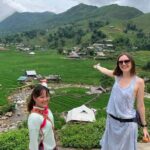
You’ll remember this for the people, not just the trails. This 2-day Sapa trekking experience is built around walking the Muong Hoa Valley with local Hmong guide Bau, plus time with her family and the chance to see daily life up close.
Two things I really like: Bau’s calm, patient coaching (she’s known for clear explanations and excellent English), and the way the trek keeps weaving in food and family moments instead of feeling like a conveyor belt tour. One possible drawback is the pace: it’s listed as moderate fitness, and day one includes a long walking stretch (about 16km), so you’ll want to come prepared.
In This Review
- Quick Take: How This Trek Works in Real Life
- Key Highlights You Should Care About
- Walking the Muong Hoa Valley the Local Way
- Price and Value: Is $65 a Fair Deal?
- Your Two-Day Itinerary, Decoded
- Day 1: About 16km Through Muong Hoa Valley
- Day 2: Continued Trekking + Lunch With a Local Family
- What It Feels Like With Bau as Your Guide
- Pickup, Group Setup, and How You’ll Coordinate
- What to Expect From the Physical Side (Moderate Doesn’t Mean Easy)
- Food and Overnight: Why This Part Matters
- Best Fit: Who Should Book This Trek?
- Practical Tips Before You Go
- Should You Book Bau’s 2-Day Trek?
- FAQ
- FAQ
- How long is the trek?
- What is the trekking location?
- What’s the price for this 2-day experience?
- Is pickup included?
- Is this tour private or shared?
- What meals are included?
- What is not included in the price?
- What fitness level do I need?
- Do you use a mobile ticket?
- Is there free cancellation, and how far in advance?
Quick Take: How This Trek Works in Real Life
This isn’t a “sit on a bus, take a photo, move on” outing. You’re moving through the valley and villages with a guide who knows the people and rhythms—so you spend less time chasing sights and more time understanding what you’re seeing.
The main consideration for you is footwear and energy. You may be able to get extra help with boots (Bau has been praised for bringing spare boots), but the hike distance still adds up over two days.
Key Highlights You Should Care About
- Bau’s hotel pickup and practical support: she’s known for showing up ready to help, including bringing extra boots if you need them.
- Day one’s about-16km trek through Muong Hoa Valley: real walking time, not a short stroll.
- Overnight time in Bau’s home and family connection: the experience is built around sharing meals and space with her household.
- Lunch with a hospitable local family on day two: food feels part of the story, not an afterthought.
- Small-group feel with a private tour setup: it’s described as private, so you’re not competing with crowds.
- Clear communication: reviews highlight Bau’s patience, explanations, and strong English.
You can also read our reviews of more tours and experiences in Sapa.
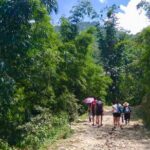
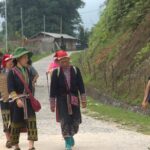
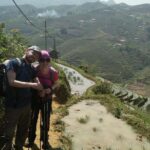
Walking the Muong Hoa Valley the Local Way
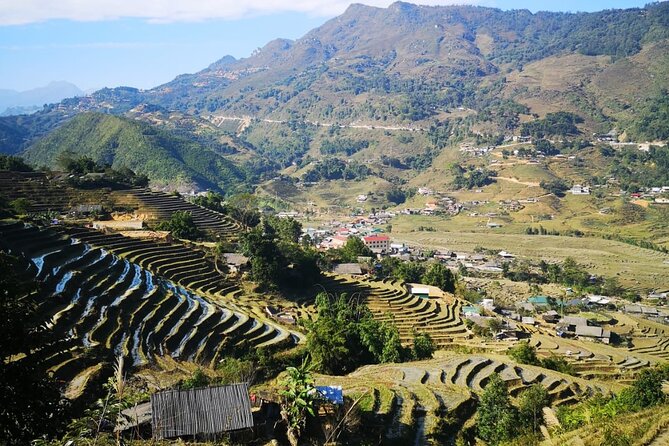
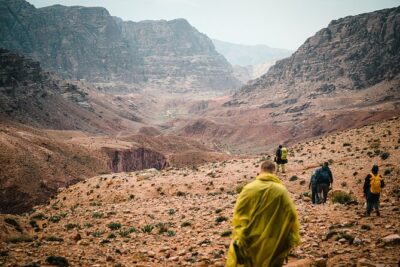
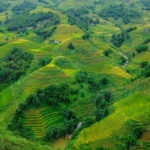
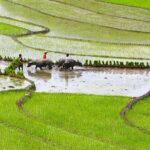
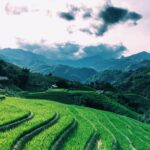
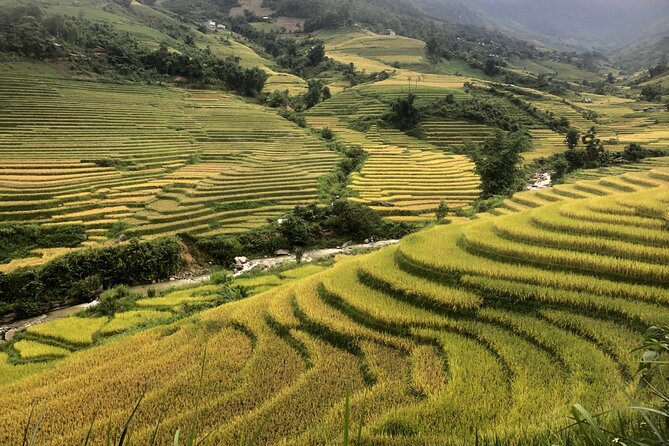
Sapa is famous for scenery, but what makes this kind of trek click is how you move through it. The big selling point here is the combination of a real trekking distance (especially day one) and a guide who can connect the walking to local Hmong culture and everyday life.
I like that the experience is framed around a guide’s knowledge of the community rather than just “look at that view.” That means you’re more likely to understand why people do certain things—how they live, what matters to them, and what the landscape is to them—rather than only seeing it as a backdrop.
You also get a solid value bundle for the price. At $65 for about two days, you’re not just paying for time on foot. You’re paying for a local guide, meals (two lunches plus dinner), and pickup. For many visitors, that turns the trek into a cost-controlled day that still feels deeply personal.
Price and Value: Is $65 a Fair Deal?
Let’s talk money in plain terms. For $65, you’re getting:
- Two lunches and one dinner included
- Pickup offered
- A local Hmong guide who leads the trekking and adds cultural context
That’s the heart of the value. Without those meal inclusions, many trekking days in Sapa quietly rack up extra spending fast. Here, your biggest food costs are handled, and the guide side is included in the package price.
Now, what’s not included matters too: tips and personal expenses including insurance. If you already budget for tip and you have your own travel insurance, the “not included” list won’t surprise you. If you don’t, you’ll want to plan for those add-ons so the total cost stays comfortable.
Your Two-Day Itinerary, Decoded
The itinerary is simple on paper, but the real experience is the rhythm: walk, pause, eat, talk, then walk again. The trekking days are long enough that you’ll feel you’ve done something, but the guide’s support helps you keep moving.
Because the tour is described as private (only your group participates), the schedule feels less rigid. You’re more likely to get answers to questions, and you can ask for adjustments if you need a slower pace.
Day 1: About 16km Through Muong Hoa Valley
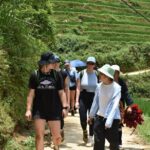
Day one is built around a scenic trek through Muong Hoa Valley, roughly 16km. That distance is the key detail. Even if you’re in decent shape, it’s a day that asks for steady effort—not sprint energy, not stroller-mode pacing.
What makes the day special is the way the guide connects the walk to people and culture. Bau is repeatedly praised for being patient and explaining clearly, so you’re not just walking beside scenery—you’re learning as you go.
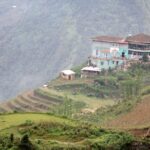
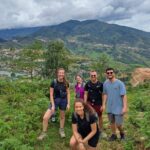
You’ll also see the human side of the trip in the way day one wraps up. Reviews describe finishing the day at Bau’s home, meeting her family (including her daughters and husband), and sharing a cozy, welcoming stay. That matters because it changes the whole vibe from “tour day” into “day with someone you just met.”
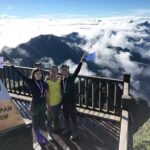
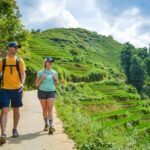
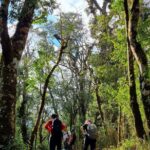

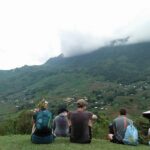
Day 2: Continued Trekking + Lunch With a Local Family
Day two continues the exploration through more of the Sapa mountain-and-village setting. The structure stays similar: walk, look closely, learn what you’re seeing, then refuel.
Lunch on day two is specifically described as shared with a hospitable local family. That’s a big difference from tours that treat lunch as a ticket to a generic restaurant. When a meal is part of the community setting, you usually get better context for what you’re tasting and why it’s served.
Day two is also where the cultural payoff can feel strongest. By the time you’re on day two, you’ve already met your guide, spent hours on the path, and started building a sense of how local life works. Then lunch becomes more than calories—it becomes a conversation.
What It Feels Like With Bau as Your Guide
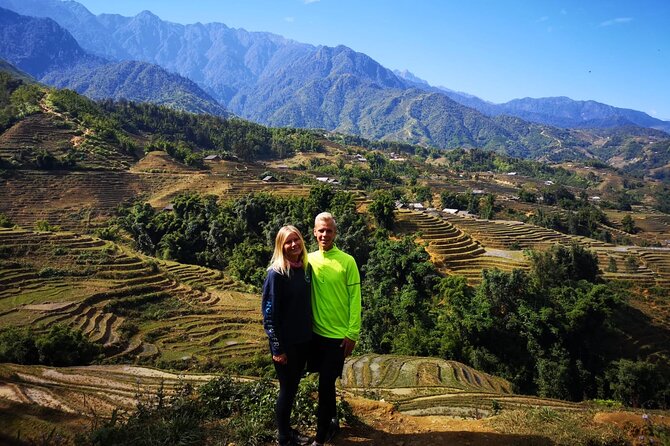
Bau comes through in the reviews as the main reason people love this trek. And it’s not the usual “smiling guide” fluff. The praise is specific:
- Patience: she explains things in a way that doesn’t rush you.
- Excellent English: communication is a real comfort on long trekking days.
- Support when it counts: one review calls out that she brought extra boots that saved the trip.
That matters for you because Sapa treks can be slippery or muddy depending on conditions, and 16km is not a short walk. If your feet aren’t happy, you’ll feel it for the rest of the day. The fact that Bau is prepared with practical solutions is a serious quality marker.
Also, the tone of the experience is often described as like spending time with someone who wants you to love their home. That’s not just marketing language—it’s what happens when the guide knows the people and the story behind what you’re seeing.
Pickup, Group Setup, and How You’ll Coordinate
This experience includes pickup offered, and it’s described as near public transportation. In practice, that usually means your start time is smoother than tours that only meet at a remote point.
The tour is also listed as private, meaning only your group participates. That gives you two advantages:
- Less waiting around for other schedules
- More flexibility to ask questions or adjust your pace
There’s also mention of a mobile ticket and group discounts. A mobile ticket is the small thing that prevents headache later. And if you’re traveling in a group and can stack the discount, this trek can become even better value.
What to Expect From the Physical Side (Moderate Doesn’t Mean Easy)
The experience is described as requiring moderate physical fitness. Combine that with day one’s approximate 16km walk, and you should plan like the trek will be demanding even if it’s manageable.
So here’s how to think about it:
- If you’re used to walking 90 minutes to a few hours at a time, you’ll probably be okay.
- If you’re not consistent with walking, day one might feel long.
- If weather is wet or trails are muddy, your pace may slow even if your legs are fine.
And this is where Bau’s preparedness helps. Reviews mention extra boots. That’s a reminder to bring your best shoes, but also a comfort that the guide is not totally hands-off if something goes wrong.
Food and Overnight: Why This Part Matters
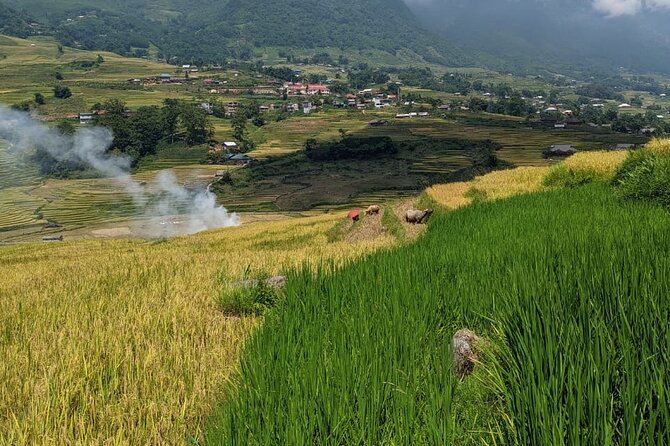
Meals are not just “included.” They’re part of what makes this trek feel real. The package lists dinner and two lunches as included, and the reviews add that you may share time in Bau’s home and eat with her family.
That blend—guided walk plus community meal—creates a different kind of travel memory. You don’t just remember the view. You remember the conversations, the hospitality, and the sense of being treated like a person, not a customer.
A practical note: when a trek includes long walking and home-style meals, you’ll want to pace yourself with water and snacks. The tour includes major meals, but it doesn’t say you’ll have endless snack stops along the route. Your comfort will depend on how smart you are with hydration and energy.
Best Fit: Who Should Book This Trek?
This trek is a strong match if you:
- Want a local-guide-led experience tied to Hmong culture and daily life
- Prefer walking with context over photo-only sightseeing
- Like meeting families and sharing meals during the journey
- Want pickup convenience and a private setup
It’s also a good pick if you’re traveling with someone who appreciates that slower, people-first style. Several reviews highlight how well the experience works as a shared day with friends or family.
If you’re chasing an easy hike with minimal interaction, this might feel too personal for your style. But if you want meaning and comfort along the way, that personal tone is the whole point.
Practical Tips Before You Go
Based on what the experience is built around, here’s how to prepare without overthinking it:
- Plan for day one being the bigger effort. The roughly 16km trek is your anchor point.
- Bring footwear you trust. Extra boots may be available through the guide, but your own shoes are still your first line of comfort.
- Dress for changing mountain weather. Even when Sapa looks clear, conditions can shift, especially over a multi-hour hike.
- Ask questions early. Bau is praised for explanations, and long walks are when good conversation is easiest.
And one more: keep your mindset flexible. A trek like this can’t be reduced to a checklist. The best moments come when you slow down enough to notice the everyday details the guide is pointing out.
Should You Book Bau’s 2-Day Trek?
If you want value, real walking, and a guide-driven cultural experience, I’d say yes—especially if you’re the type of traveler who likes meeting locals and eating where the story lives.
Book this trek if:
- You’re comfortable with a moderate fitness level and a long day of walking
- You want the connection side—Bau’s family hospitality and the shared meals—rather than only scenery
- You appreciate strong communication from a guide with excellent English and patient teaching
Skip it (or look for an easier option) if:
- You want a short hike with minimal walking effort
- You’re not ready for a roughly 16km day
- You prefer meals that are strictly restaurant-based
FAQ
FAQ
How long is the trek?
The experience runs for 2 days (approx.).
What is the trekking location?
It takes place in Sapa, Vietnam, around the Muong Hoa Valley.
What’s the price for this 2-day experience?
The listed price is $65.
Is pickup included?
Pickup is offered.
Is this tour private or shared?
It’s a private tour/activity. Only your group participates.
What meals are included?
Dinner is included, and lunch is included on both days (2 lunches total).
What is not included in the price?
Tips and personal expenses—including insurance—are not included.
What fitness level do I need?
The trek is described as moderate physical fitness.
Do you use a mobile ticket?
Yes, it’s listed as a mobile ticket.
Is there free cancellation, and how far in advance?
Yes. You can cancel up to 24 hours in advance for a full refund.