REVIEW · KATHMANDU
Langtang Valley Trek
Book on Viator →Operated by Asian Heritage Treks and Travels · Bookable on Viator
Langtang Valley has a calm kind of power. From pine forests and wild mountain streams to the Tamang and Tibetan-style life around Kyanjin Gompa, this trek mixes big Himalayan scenery with close-up culture in a place that still feels real. One thing to plan for: most of your day-to-day meals and drinks are not included, so you’ll want a cash budget once you’re on the trail.
I like that the trip runs with an experienced, English-speaking, government-licensed guide plus porter support (set up at 2 trekkers for every 1 porter). In past trips, I’ve seen this guide experience make a real difference—people specifically praised guides like Hari for knowledge and Norris for adapting the trek to fit the group.
The other practical consideration is that the days are consistently active: you’ll be hiking roughly 6 to 7 hours on many days, including one tough climb that gains about 1,000 meters. If you’re even a little unsure about stamina, it’s worth training before you go.
In This Review
- Key things that make this trek worth your time
- Why Langtang Valley feels different on the trail
- Price and logistics: what $715.59 buys you
- Kathmandu arrival day: settling in with sites you can actually use
- From Kathmandu to Gatlang: the long drive and the permit moment
- Day 3 to Day 4: Nagthali’s views and the Tibetan-leaning villages
- Day 5 to Day 7: from Sherpa Gaun to Langtang Village, then onward to Kyanjin Gompa
- Day 8 rest day: Tserko RI at 5,000m and monastery time
- Day 9 to Day 10: the downhill to Lama Hotel, then the finish to Syabrubesi
- Day 11 and Day 12: Kathmandu free time and departure support
- What you’ll notice most: prayer systems, village life, and yak dairy
- Pace, fitness, and packing tips that match this route
- Should you book this trek?
- FAQ
- How long is the Langtang Valley trek?
- Where does the trip start and end?
- Is pick-up from Kathmandu included?
- What accommodations are included during the trek?
- Do I get a guide and porter?
- Are permits included?
- Is food included?
- What optional activities are there on the rest day?
- What is the cancellation window for a full refund?
Key things that make this trek worth your time
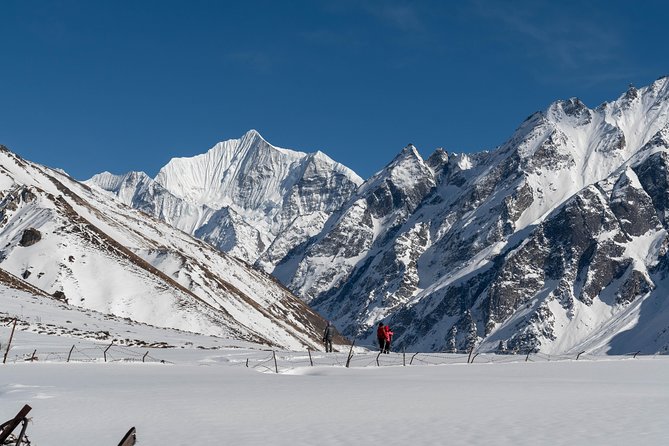
- Valley of Glaciers scenery: dramatic mountain views tied to Langtang National Park.
- Tamang and Tibetan-influenced culture: prayer flags, chortens, mani walls, and monastery life.
- Kyanjin Gompa day: a peaceful base for yak dairy (cheese and curd) and prayer-filled stone walls.
- An optional high viewpoint on Day 8: Tserko RI at 5,000m without extra cost.
- Real logistics support: private jeeps, permits handled, and a porter setup that helps you hike longer.
Why Langtang Valley feels different on the trail
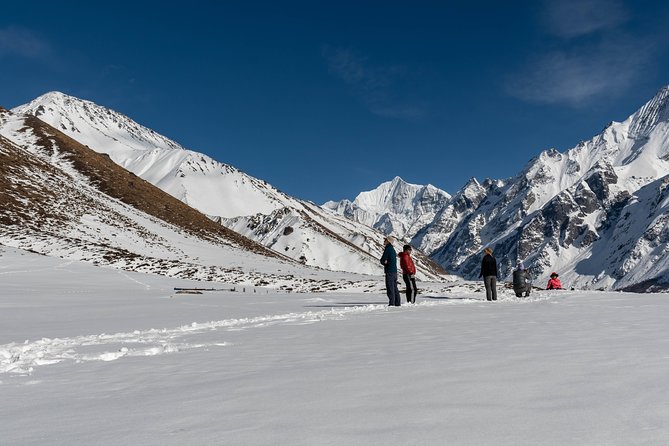
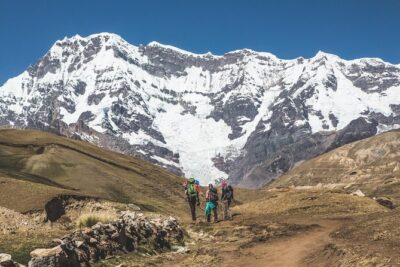
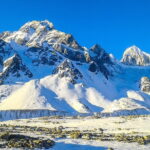
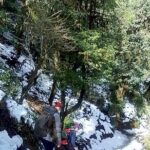
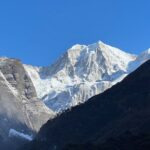
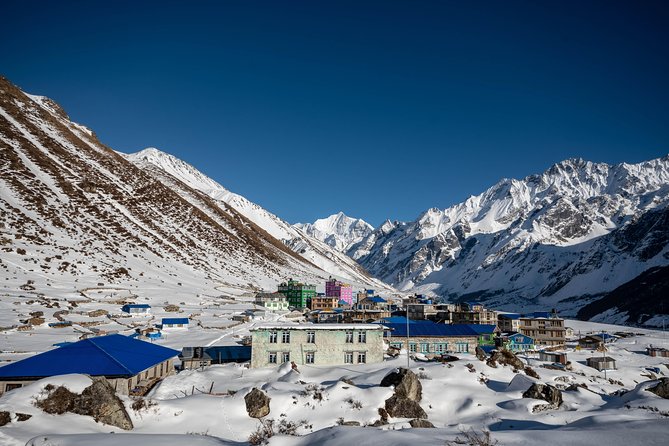
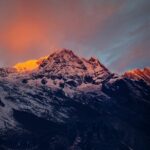
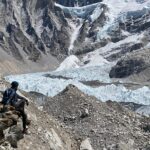
Langtang Valley is often called the Valley of Glaciers, and you’ll feel that name as you walk. The views tend to show up in layers—first as distant peaks, then as glaciers and steep walls that seem closer each day. Even when you’re just moving through forest, the air has that clear mountain feeling that makes every bend in the path feel significant.
What I also like is how “wild” it stays. You’re walking through pine forests and mountain-stream country where you might see animals (the trek description even flags a chance of Nepal Gray Langur monkeys). This isn’t just photo time. It’s a real hike through a functioning national park.
Then there’s the human side: Langtang is home to communities with Tamang and Tibetan cultural influence, and you see that in daily details—how villages are built, how prayer flags are tied along the route, and how monastery life blends into the trail experience.
You can also read our reviews of more tours and experiences in Kathmandu.
Price and logistics: what $715.59 buys you
At $715.59 per person for an about-12-day program, the value is mostly in the “setup work” that can drain time and energy on your own: transport, permits, and guided hiking.
Here’s what’s included, in the practical sense:
- Private jeep transfers in the Kathmandu–Gatlang and Syabrubeshi–Kathmandu segments.
- 8 nights of local lodge accommodation during the trek.
- A government-licensed, English-speaking guide.
- Porter service (2 trekkers : 1 porter).
- Permits for Langtang National Park and TIMS, plus other necessary permits.
- Kathmandu hotel stay: 3 nights at Hotel Yatri Suites & Spa or similar, on breakfast basis.
- Local taxes.
What you should budget separately:
- All food, drinks, and beverage costs during the trip (lodge meals are typically where your spending lands).
- Tipping for the guide, driver, and other support staff.
- Travel insurance, international flights, and tourist visa (not included).
- Personal hiking gear.
For many people, this price feels fair because you’re paying for reduced friction. You don’t have to chase permits, match jeeps, or figure out village-to-village routing while you’re tired. Still, you should go in knowing that the trek won’t be a fully catered package—plan on paying for most meals.
Kathmandu arrival day: settling in with sites you can actually use
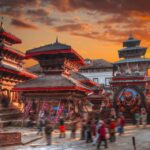
Day 1 is a Kathmandu landing and orientation day. You’re met at the airport by a representative with your name, then taken by private vehicle to your hotel near Thamel.
What’s useful here is the quick “orientation by sight”: on the ride you pass Pashupatinath Temple (UNESCO) and you get a glimpse of the Royal Palace Museum (Narayanhity) from outside. The drive also gives you an easy first look at the Garden of Dreams area as you near Thamel.
This is the kind of day where you don’t need a grand schedule. You just need rest, a good meal, and an early night so the long drive tomorrow doesn’t feel like punishment.
From Kathmandu to Gatlang: the long drive and the permit moment
Day 2 starts with a big travel day: an 8 to 9 hour drive from Kathmandu to Gatlang. You’ll travel through mountain regions as the road climbs and you get views of peaks like Ganesh Himal, Manaslu, and Annapurna from along the way.
Then comes the important admin step. Before you reach Dhunche, you need to have your TIMS and National Park Permit ready to show at the Park Gate. If you’re the kind of traveler who likes a system, keep those documents in the same easily accessible pocket from here on out.
Once the road drops downhill and you reach Sayabru Besi, the route leads into Langtang National Park. At higher altitudes, human settlements become less frequent, which sets your mindset for what the trek will feel like: more quiet, more sky, and fewer distractions.
Gatlang is your first trekking village here, and it’s described as a Tamang community with terraced hills and warm hospitality. That matters because your first night can shape how you feel on Day 3—arrive calm, not rushed.
Day 3 to Day 4: Nagthali’s views and the Tibetan-leaning villages
Day 3 is the hiking day from Gatlang to Nagthali, built around a route that involves walking from Chilime and moving through a thick forest. The description even calls out possible sightings of Nepal Gray Langur monkeys, which is exactly the sort of “stay alert but relaxed” moment you want on an early trek day.
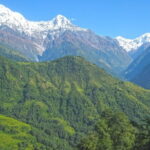
As you leave the forest behind, you hit open grassland with big Himalayan views—Ganesh Himal, the Langtang Range, and the Sanjen Ranges. Then you reach Nagthali, a place that used to be a meditation center for local monks and priests.
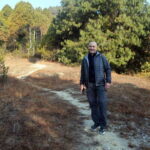
Day 4 shifts the tone toward Tibetan-influenced village life. You start with about an hour of downhill walking to Thuman, then continue through rhododendron forests and meadows toward Briddhim. This is where you start noticing the cultural thread: villages influenced by Tibetan practice, people who love singing and dancing, and a landscape where daily work and prayer-world coexist.
If you like hiking that mixes walking with conversation, Day 4 is the sort of day that rewards patience. It’s not only about covering distance. You’re also learning how people live here.
Day 5 to Day 7: from Sherpa Gaun to Langtang Village, then onward to Kyanjin Gompa
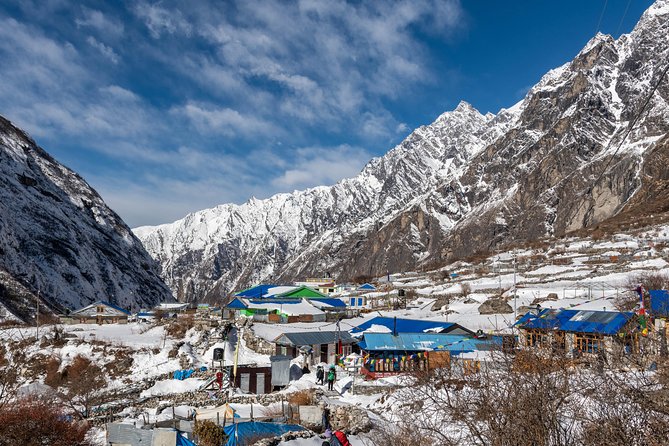
Day 5 starts from Briddhim and moves through forests, terraced fields, and villages like Sherpa Gaun. The route passes through chortens, mani walls, and prayer flags, which are more than decorations. They’re route markers and a visible reminder that this land is lived-in, not just scenic.
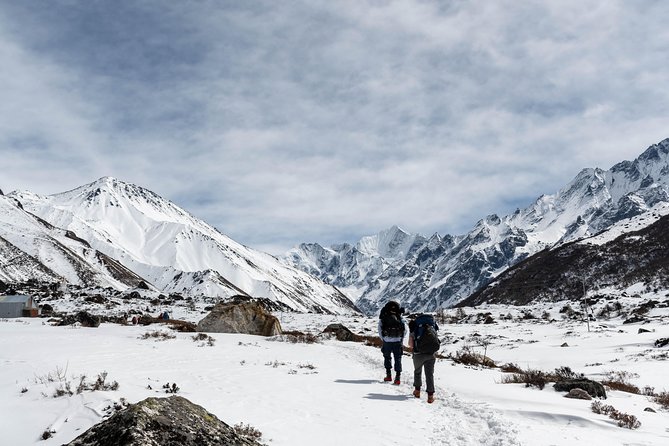
This day is described as moderate but can feel challenging. You’ll likely gain motivation from the views of peaks such as Langtang Lirung, Langtang II, and Ganesh Himal. Since you’re still early in the trek, this is a good day to practice a steady pace: short pauses, water breaks, and no sprinting.
Day 6 is the tougher one: Sherpa Gaun to Langtang Village in about 6 to 7 hours, including a steep forested slope and a total climb of around 1,000 meters. The trek’s description makes a big point of the Langtang River sound traveling with you, plus you cross a refreshing stream and you’ll see water-driven prayer wheels.
Then comes Langtang Village, described as an ancient settlement with rich history and mountain views. This is the kind of stop that’s worth slowing down for. When you’re tired, a “village with history” can sound vague—but once you see prayer artifacts and how the settlement sits in the valley, it becomes real.
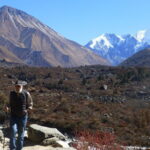
Day 7 goes from Langtang to Kyanjin Gompa. The walk includes views of Langtang Lirung, plus that big prayer-stone feel—walls covered with writings and prayers that locals treat as important. You also cross several rivers during the hike, which adds energy and forces you to pay attention to footing.
Finally, you reach Kyanjin Gompa, where you can try yak cheese and curd. For me, that kind of food is travel value because it’s not a gimmick. It’s what the area produces and what makes sense in that altitude and climate.
Day 8 rest day: Tserko RI at 5,000m and monastery time
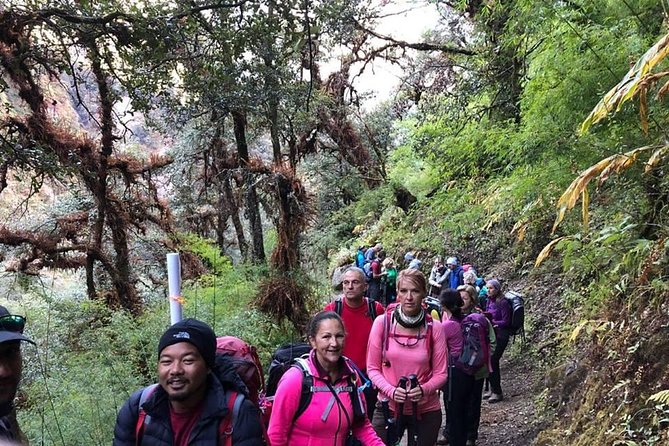
Day 8 is a real break. You’re based at Kyanjin Gompa and the idea is to recover and adjust to higher altitude.
There’s an optional hike to Tserko RI, described as the highest point of this trek at 5,000m above sea level. The big payoff is the view of mountains, glaciers, and the Langtang Valley. Because this is optional and included at no extra cost, you can choose based on how you feel that morning.
Even if you skip the high viewpoint, there’s plenty to do: you can visit an ancient monastery and check out a cheese factory and glacier. These are the kind of activities that turn a rest day into a meaningful one, without forcing you into more grinding altitude.
Day 9 to Day 10: the downhill to Lama Hotel, then the finish to Syabrubesi
Day 9 is downhill through a dense forest to Lama Hotel, about 6 to 7 hours. You walk through Tamang settlements again, with Tibetan-influenced religious and cultural practices.
Downhill days are tricky in a different way. Your legs might feel fresh at the start, then your knees get grumpy after a few hours. The best move is to take controlled steps and use trekking poles if you have them.
Day 10 is the final trekking day. After breakfast at Lama Hotel, you hike toward Syabrubesi. The trek time is typically 3 to 4 hours, downhill, through lush green forest as described. When you reach Syabrubesi, you transition into the drive back to Kathmandu, about 6 to 7 hours.
This is the part where you’re both happy and a little emotionally weird. You’ve been living by trail timing, and now you’re back in vehicles and roads. Don’t underestimate that mental shift—build in a calm Kathmandu evening after arrival.
Day 11 and Day 12: Kathmandu free time and departure support
Day 11 is a free day in Kathmandu. You can stroll around Thamel and do souvenir shopping, or choose optional activities like full-day sightseeing, an Everest mountain flight, a cooking workshop (including momo), or a handicraft tour.
Day 12 ends after breakfast. You get advice and help with onward travel arrangements, plus a private vehicle transfer to Tribhuvan International Airport, scheduled about 3 hours before departure.
This matters because trekking trips can go wrong when airport timing is unclear. Here you get a clean finish.
What you’ll notice most: prayer systems, village life, and yak dairy
This trek has a spiritual rhythm built into the route details. You’ll see prayer flags and mani walls on the way, and you’ll also encounter practical religious tools like water-driven prayer wheels. These things can look decorative from a distance, but on the ground they become part of how people remember and mark the path.
Village culture is another big theme. You move through Tamang and Tibetan-influenced communities at multiple points—Gatlang, Thuman, Briddhim, Sherpa Gaun, and later Lama Hotel. The tone in these descriptions isn’t “museum culture.” It’s living culture: homes, terraced fields, singing and dancing, and daily routines you can watch while you walk through.
And then there’s the food you’re specifically told about: yak cheese and curd at Kyanjin Gompa. Even if you’re not a huge dairy person, this is a taste of local adaptation. At altitude, food choices aren’t random. They match what the area can produce.
Pace, fitness, and packing tips that match this route
This trek suits travelers with moderate physical fitness. The hiking days are often in the 6 to 7 hour range, with some moderate climbing and a known steeper day (the Day 6 gain of about 1,000 meters).
A simple pacing plan helps:
- Start each day slower than you want to.
- Take short breaks, not long ones that cool you down.
- Drink water regularly and keep your documents (TIMS and permits) easy to reach early on.
Altitude planning: Day 8 is built as an acclimatization rest day, and the optional hike to 5,000m gives you the option to push higher if you’re feeling good. If you feel off, skip the high point and use the monastery/cheese factory options instead.
Packing-wise, the only hard fact here is that personal hiking gear isn’t included, so bring what you need: layers for mountain temperature swings, rain protection, and footwear that can handle forest trails and river crossings. Since the route includes streams and river crossings, don’t assume you can “just step around” wet spots.
Should you book this trek?
Yes, I think you should consider booking this Langtang Valley trek if you want a guided route that mixes major mountain viewpoints with Tamang and Tibetan-style culture in villages you actually pass through. The guide and porter support are built into the structure, which keeps the hiking focus on enjoying the day rather than managing logistics.
I’d pause and train a bit first if you know you struggle with sustained downhill or steep climbs, since you’ll face long days and at least one serious ascent. And if you hate the idea of paying for meals on the trail, plan for that upfront—food and drinks are not included, so budgeting matters.
If you want a trek that feels grounded—prayer stones underfoot, forest air in your lungs, and mountain views that show up again and again—Langtang Valley is a strong choice.
FAQ
How long is the Langtang Valley trek?
It runs for about 12 days.
Where does the trip start and end?
It starts in Kathmandu and ends back in Kathmandu, with airport transfer to Tribhuvan International Airport on the final day.
Is pick-up from Kathmandu included?
Yes, pickup is offered, and the package includes private vehicle transfers in Kathmandu plus drives between Kathmandu and the trek start/finish points.
What accommodations are included during the trek?
The trip includes 8 nights of accommodation during the trek in local lodges.
Do I get a guide and porter?
Yes. You get an experienced, English-speaking, government-licensed guide, and porter service is included (2 trekkers: 1 porter).
Are permits included?
Yes. Langtang National Park permits and TIMS are included, and you’ll need them available for the Park Gate before reaching Dhunche.
Is food included?
No. All food, drinks, and beverage costs during the trip are not included.
What optional activities are there on the rest day?
On the Day 8 rest day, you can hike to Tserko RI (up to 5,000m) and you can also visit the ancient monastery, cheese factory, and glacier. The activities are described as no extra cost.
What is the cancellation window for a full refund?
You can cancel up to 6 days in advance for a full refund, based on local time cut-offs.