REVIEW · MARRAKECH
Trekking in Morocco / 3 Days Valley Trek in the Atlas Mountain & Waterfalls
Book on Viator →Operated by Trekking in Morocco · Bookable on Viator
Three days in Morocco start with a steep view. This small-group Atlas trek threads together Toubkal National Park valleys, high mountain passes, Berber villages, and big waterfall scenery. I love the practical mule-supported setup (you hike, they carry the load), and the small group size (so your guide can actually look after you). The one real catch: it’s still 5–7 hours of hiking each day over passes up to around 2500m, so plan for long effort, not a casual stroll.
You’ll start with round-trip transfers from Marrakech and a daypack-light rhythm: breakfast and trekking lunches are handled, plus a cook who keeps the food coming. You can also add comfort time in Ait Aissa with an optional hamam steam bath in the evening, which is a great way to reset your legs. If you hate cold mornings, slick trails after rain, or you’re aiming for fully flat hiking, this might feel like more work than you expect.
In This Review
- Key Highlights That Make This Trek Work
- Why This Trek Feels Like a Real Atlas Journey
- Price and What You Really Get for $267
- Day One: Imlil to Tizi n’Tamaterte and Down to Tachdirt
- Day Two: Oudit Pass to Ait Aissa (and the Optional Hamam)
- Day Three: Waterfalls, Mzik Pass (2500m), and the Long Descent to Imlil
- Guides, Teamwork, and Why the Mule Support Matters
- What to Pack: Don’t Overthink It, Just Prepare
- Who This Trek Fits Best (and Who Should Rethink It)
- Should You Book This Marrakech to Atlas Valleys Trek?
- FAQ
- FAQ
- What time does the trek start?
- Where does pickup and transport happen?
- How long is the trek and how much do you walk each day?
- What’s included in the price?
- Is water included?
- Can I cancel for free?
Key Highlights That Make This Trek Work
- Small group (max 15): your guide can pace you and keep an eye on the group.
- Mules and mule handlers: fewer heavy bags on your back, more focus on the path.
- Passes with payoff views: Tizi n’Tamaterte, Oudit Pass, and Mzik Pass all climb above the valley floor.
- Two-night village stay: you sleep in local guesthouses/gites, not a hotel bubble.
- Waterfalls on Day Three: the route includes the big Toubkal National Park waterfalls before heading down.
- Food is built in: included lunches, breakfasts, and dinners make day-to-day logistics easier.
Why This Trek Feels Like a Real Atlas Journey
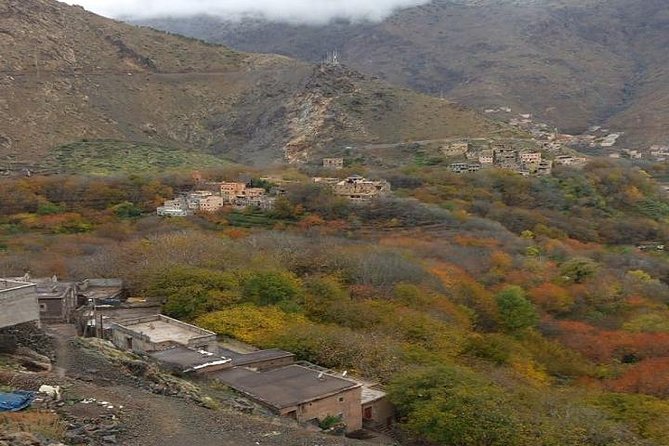
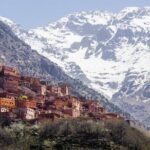
This is a classic High Atlas valley route, based out of Imlil. The structure is simple: you hike from village to village, you cross passes for big viewpoint moments, and you end each day in a local place that’s part of everyday mountain life.
What I like most is how the trip is set up so you’re not spending energy on logistics. Mules carry your bags and food, a cook prepares meals, and your guide runs the day. That means your brain stays on: watch your footing, enjoy the views, and ask questions when you get the chance.
Your group size matters here. With a maximum of 15 people, you’re less likely to feel like you’re just following a line. Many hikers value that personal attention, especially because this route does involve multiple climbs, not just one.
The other big “feel” factor is pacing. Yes, you’ll walk for hours, but the plan is broken into manageable chunks with lunch stops (including a lunch on a high pass on Day One). It’s not a race; it’s a mountain day with an end goal each time.
You can also read our reviews of more tours and experiences in Marrakech.

Price and What You Really Get for $267
At about $267.13 per person for roughly three days, the value comes from what you’re not arranging yourself. You’re paying for round-trip transfers from Marrakech, a local guide, two nights of accommodation in local houses, and meals that cover most of your time on trail.
Here’s what that typically matters for you:
- Transfers remove the headache: you don’t have to figure out timing or get stuck waiting for local rides back and forth.
- Meals remove decisions: three lunches, two breakfasts, and two dinners are included, plus coffee and/or tea. That’s one less thing to budget or hunt for during a hike.
- Mules add real comfort: carrying less usually means you finish the day with more energy for the evening.
- A cook means less improvising: food is prepared for the group, so you’re not relying on snacks and roadside stops.
What’s not included is small but important. Water is not included, so you’ll buy it separately from shops along the way, and tips aren’t included. If you’re the kind of traveler who wants to control every cost, that’s a quick check to keep in mind.
Also, this trek is scheduled with a start time of 8:30 am, which is common in the Atlas. That early departure is part of the value: you’re on trail when conditions are usually better and you’re not rushing to reach villages in the dark.
Day One: Imlil to Tizi n’Tamaterte and Down to Tachdirt
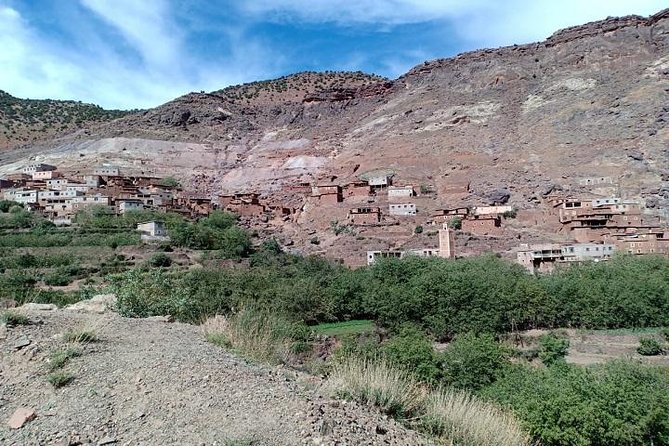
Day One is about 5–6 hours walking. You start in Imlil at about 1740m, climb up to Tizi n’Tamaterte (2300m), then continue down toward Tachdirt (or sometimes Tinghourine) for the night.
This is a strong “first day” for two reasons. First, you get elevation and mountain air early, so later passes don’t feel as shocking. Second, the route is built to give you a lunch moment on the pass after Tizi n’Tamaterte—so you’re not just climbing until you’re ready to fall over.
What makes this day special
- You get high-pass viewpoints without needing technical skills.
- You transition from a more base-town feel into the rhythm of mountain villages.
- You end at a local guesthouse, which helps the trip feel grounded in place.
What to watch for
- Start the day with layers. Even if it feels warm at 8:30, it can shift quickly when you’re higher up.
- The climb is not about speed—it’s about steady steps and good footing.
Your reward at the end is sleep in a local place, with the kind of mountain hospitality that feels simple and direct. It’s also where you’ll meet the mule team in motion—your mule handlers are part of how the trip stays comfortable.
Day Two: Oudit Pass to Ait Aissa (and the Optional Hamam)
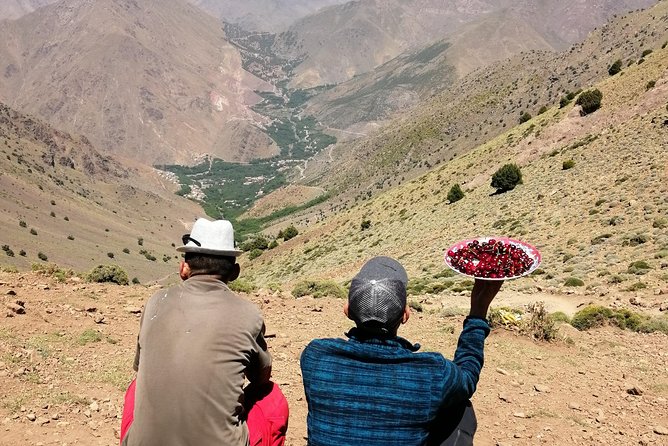
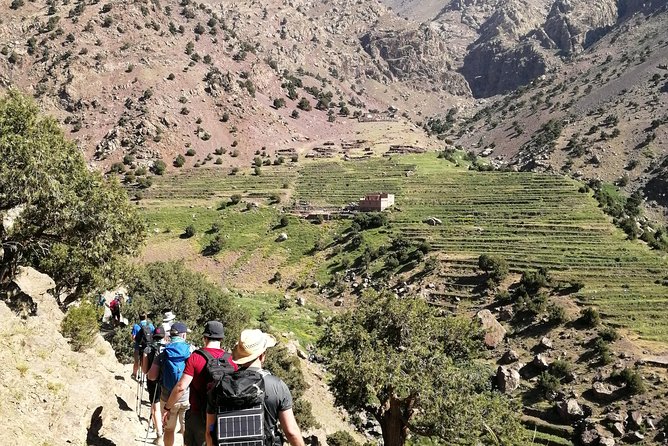
Day Two runs about 6–7 hours of trekking. The path goes from Tinghourine/Tachddirt onward through Ikkis, then Aguersiwal (around 2100m), then Matat and finally to Ait Aissa.
This is the day with more “crossing” energy. You follow picturesque villages and pass over the Oudit Pass (about 2200m). In other words, you’re not just walking along one valley floor—you’re moving between sections of the High Atlas terrain.
Why this day is worth it
- You’ll see how villages connect across ridges and slopes.
- The pass crossing gives you that wide-angle mountain sense you came for.
- You reach Ait Aissa with time to recover before the next day.
In the evening, Ait Aissa has a gite to stay in, and there’s an optional steam bath (hamam) if you want it. For hiking days, that matters. Your feet and legs take a beating, and a warm reset can make Day Three feel less heavy.
A practical note: the hamam mention is useful, but don’t assume it’s hands-off. Bring your towel and plan your comfort gear accordingly.
Day Three: Waterfalls, Mzik Pass (2500m), and the Long Descent to Imlil
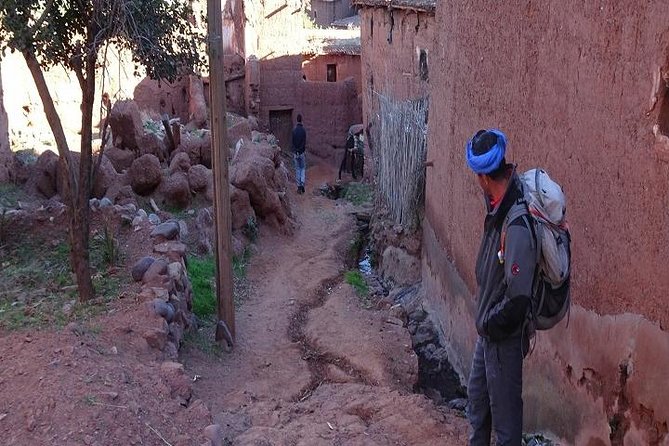
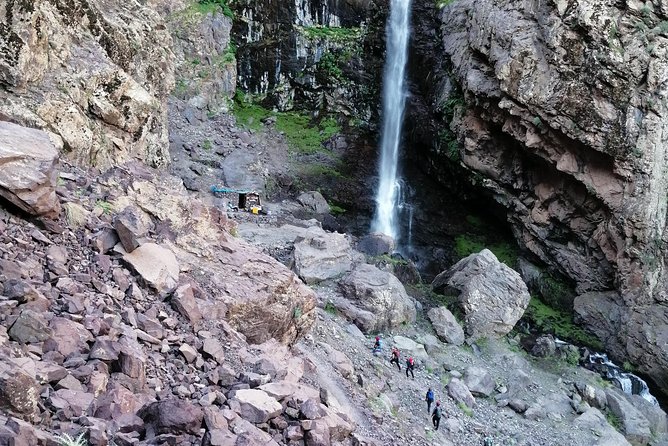
Day Three starts with a highlight: you’ll visit the biggest waterfalls in Toubkal National Park, then continue on a path that goes over Mzik Pass (about 2500m). After that, you’ll have lunch in Mzzik, then trek down to Imlil and finish with the transfer back to Marrakech.
Walking time is about 6 hours. The shape of the day is clear: waterfalls and views come first, then you earn your descent.
What makes Day Three feel different
- The waterfalls break up the rhythm of passes and village walking. It adds variety and a sensory change from stone and trail.
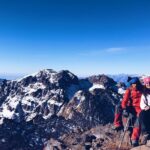
- The climb/crest near Mzik Pass is where you get big viewpoint payoff over the Ait Mizan valley.
- Lunch at Mzzik gives you a more solid mid-day anchor before the walk down.
What to keep in mind
Waterfalls can vary with season and recent rain. The route includes them, but the intensity can change. The good news is that even when water levels aren’t raging, you’re still getting the dramatic mountain route and the pass views.
By the time you reach Imlil, you’ll be ready for the transfer back to Marrakech. It’s the right “final note” after three days of moving under passes.

Guides, Teamwork, and Why the Mule Support Matters
This trek is guided, and the guide doesn’t just mean someone holding a map. In small Atlas groups, the guide is the person who:
- manages the pace,
- keeps you moving between villages and paths,
- handles route choices over passes,
- and knows how to talk to people along the way.
From past group experiences, guides like Sabir, Mohamed, Hassan, Ibrahim, and Abdul have led trekking groups on similar Atlas routes. A common theme is that the good guides bring English support and local insight, including how villages work and what life looks like off the main trail.
Then there’s the mule team. The listing includes mules to carry baggage and food plus mule handlers. That’s not a luxury; it’s what turns a “possible” hike into a “fun” hike. Without that support, you’d likely carry more weight and arrive at guesthouses more tired.
Finally, the cook matters more than most people think. Meals aren’t just fuel; they’re also how you recover between long walking days. Included breakfasts, lunches, and dinners, plus coffee/tea, mean the trip stays organized so you’re not scrambling for food at odd hours.
What to Pack: Don’t Overthink It, Just Prepare
You’ll want gear that handles changing temperatures, plus protection for sun and wind. The essentials here are listed for a reason, and they match what tends to make or break comfort on an Atlas trek.
Bring:
- Sleeping bag (important for overnight stays in local houses)
- Walking shoes with decent grip
- Jackets plus warm light layers
- Warm clothes for evenings (nights can get cold)
- Hat, sun cream, and sun glasses
- Towel (especially if you plan to use the hamam)
- Any gear you’ll need for a multi-day walk over passes
Water is not included, so plan to buy it along the way. It’s common for water to be sold from local shops, and it’s worth carrying a bottle you can refill as needed.
The info also says items you can’t bring can be rented at an equipment shop. That’s helpful if you’re traveling light. Just check what’s practical for you to rent versus pack, especially sleeping bag comfort.
Who This Trek Fits Best (and Who Should Rethink It)
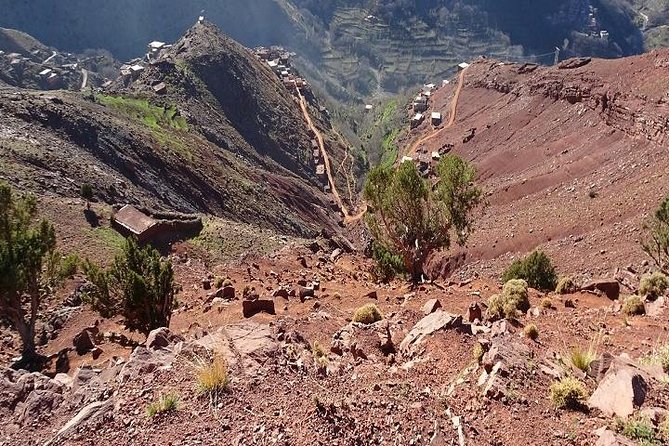
This is built for moderate physical fitness. The walking durations are not tiny: 5–6 hours on Day One, 6–7 on Day Two, and about 6 hours on Day Three, plus the fact that you cross multiple passes.
So this trek suits you if:
- you’re comfortable walking for hours on uneven trails,
- you’re okay with climbs up to around 2300m and 2500m,
- you want village-to-village hiking and not just one viewpoint hike,
- you like guided trips where meals and lodging are handled.
It may not suit you if:
- you only want flat walking,
- you get stressed by changing weather and altitude,
- you’re very sensitive to cold nights and long days.
One more honest note: solo travelers should be aware that group dynamics can shape the experience. If you’re traveling alone, it’s smart to ask questions ahead of time about how the guide runs a one-person group and whether pace and communication style will work for you.
Should You Book This Marrakech to Atlas Valleys Trek?
I’d book it if you want a classic Atlas Mountains experience that mixes real hiking with real mountain village living—and you want it organized enough that you can focus on the trail, not the planning. The combo of mule support, included meals, and two nights in local accommodation makes it feel like you’re getting a lot of trail time without the extra hassle.
I’d think twice if you’re looking for an easy, walk-anywhere vacation. This route includes multiple pass crossings and long walking days, and the comfort level depends heavily on your hiking readiness and packing.
If you’re choosing between similar Atlas options, this one stands out for its “best of” mix: Imlil valley hiking, the Oudit Pass crossing, the Ait Aissa evening with hamam as an option, and the waterfalls plus Mzik Pass views on the final day.
FAQ
FAQ
What time does the trek start?
The start time is 8:30 am.
Where does pickup and transport happen?
The tour includes round-trip transfers from Marrakech.
How long is the trek and how much do you walk each day?
It’s approximately 3 days, with walking times of about 5–6 hours on Day One, 6–7 hours on Day Two, and about 6 hours on Day Three.
What’s included in the price?
Included are transport from and back to Marrakech, a local guide, all food during the trek, mules to carry baggage and food, accommodation in local houses, a cook to prepare meals, and coffee and/or tea.
Is water included?
No. Water is not included and you buy it from locals shops.
Can I cancel for free?
Yes. Free cancellation is available if you cancel at least 24 hours before the experience’s start time.