REVIEW · UBUD
Jatiluwih full day e-bike cycling with lunch & trekking program
Book on Viator →Operated by Green Bikes Bali · Bookable on Viator
Jatiluwih feels bigger than the photos, and the e-bike makes it easy. This full-day ride-and-trek pairs electric mountain bikes with a serious UNESCO rice-terrace experience around Batukaru Temple and Jatiluwih’s famous valley views. After cycling through terraced rice fields and jungle paths, you slow down for an authentic lunch at Green Cafe and then head out on foot.
What I like most is that the ride stays fun, not exhausting: the e-bikes are simple to use, so you can enjoy the bamboo forest, jungle, and village roads without arriving wiped out. I also love the afternoon choice to trek 2 to 2.5 hours through rice fields toward the river, where the pacing feels calmer than the main routes.
One consideration: it’s still an active day. You’ll be in the saddle for a couple of hours plus several hours of cycling and transfer time, and the trekking is time-on-your-feet in warm conditions—so pack for sun and wear comfy shoes.
In This Review
- Key highlights at a glance
- Entering Jatiluwih via Batukaru Temple: the day’s best warm-up
- Electric mountain bikes: why this tour feels friendly (and still real)
- Cycling through rice terraces at the center of Jatiluwih
- Green Cafe lunch: simple, local, and timed for energy
- The trekking portion: 2 to 2.5 hours toward the river
- Pickup, minivan ride time, and what a 7-hour day really means
- Price and value: is $88 a good deal for this mix?
- Who should book this Jatiluwih e-bike + trekking day?
- Should you book Green Bikes Bali’s Jatiluwih e-bike + trek?
- FAQ
- FAQ
- What time does the tour start?
- How long is the full-day experience?
- Where does the cycling start?
- Is hotel pickup included?
- What’s included with the bike and safety gear?
- What do I eat for lunch?
- Do I need to have e-bike experience?
- How long is the trekking part?
- Can I cancel for free?
Key highlights at a glance
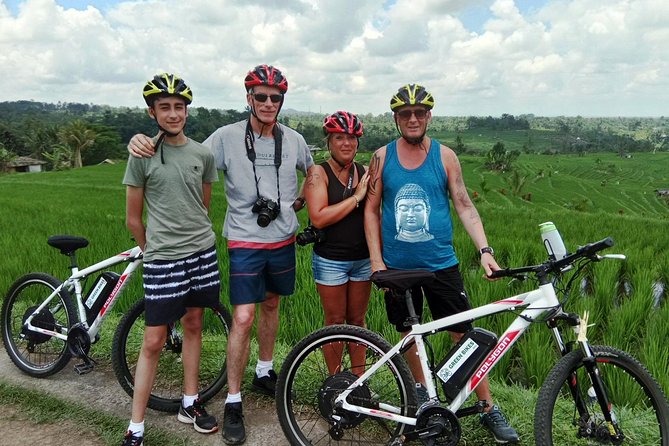
- UNESCO Jatiluwih by e-bike: Cycle through the center of the rice terraces in the valley of 4 extinct volcanoes
- Local guides: The guides are from the area and can explain what you’re seeing in the fields
- Jungle + bamboo forest route: You’ll pass dense jungle, giant bamboo, small rivers, and streams
- Balinese lunch in the rice fields: Traditional nasi camour served at Green Cafe with coffee/tea
- Afternoon trekking off the busiest paths: A 2–2.5 hour walk down toward the river through scenic terrain
- Small group size: Maximum of 12 travelers, so it’s easier to keep the day relaxed
Entering Jatiluwih via Batukaru Temple: the day’s best warm-up
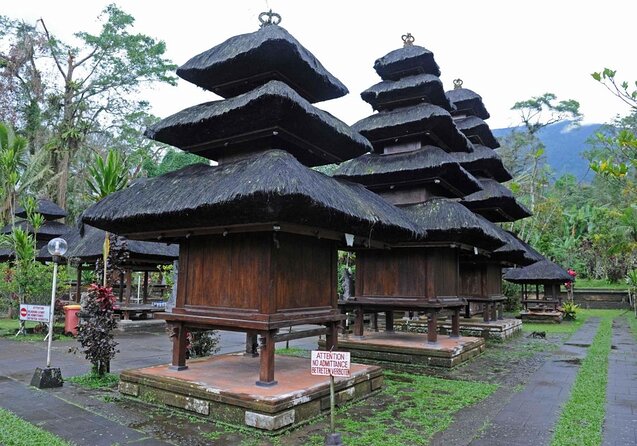
The tour starts around Batukaru Temple, then you roll out on small, quiet roads toward Jatiluwih. That early stretch matters because it sets your rhythm. You’re not thrown straight into hills; you’re getting your bearings on the bike while the scenery builds from temple area surroundings into greener terrain and rural roads.
From there, the route blends natural areas and farming life. Expect passes through dense jungle, a giant bamboo forest, and small rivers and streams. That mix helps the ride stay interesting, because you’re not just staring at terraces from one angle—you keep turning corners, crossing quiet lanes, and catching glimpses of valley views as you move.
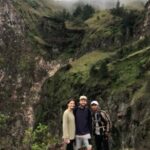
And you’re doing all of this in one of Bali’s most famous rice landscapes. Jatiluwih is over 300 hectares of rice terraces and tropical vegetation, recognized as UNESCO World Heritage. The unique angle here is that you’re cycling through it, not just looking at it. It’s a big difference in how you experience the place.
Practical tip: if you’re sensitive to heat, start hydrating early. The day has you outdoors for a good chunk of time before and after lunch.
You can also read our reviews of more tours and experiences in Ubud.

Electric mountain bikes: why this tour feels friendly (and still real)
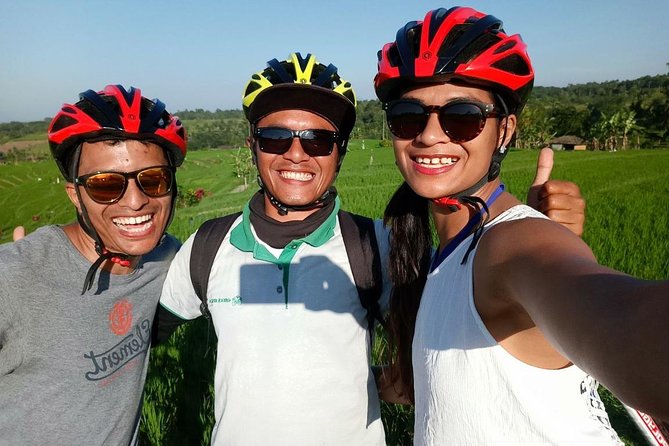
You ride electric mountain bikes provided by the operator, with a helmet included. The big selling point is also the most practical one: e-bikes make the ride easier, and they’re described as simple to use. So if you’re not a strong rider, you still get the benefit of moving through a wide area without brute-force pedaling.
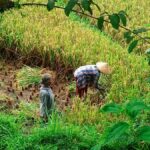
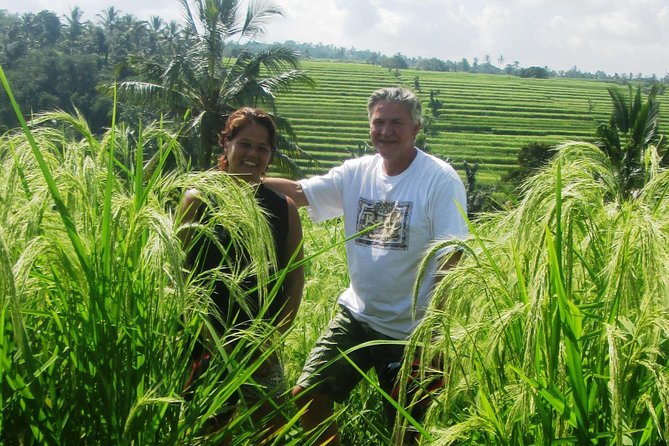
The ride time is about two hours for the cycling portion from start to Jatiluwih, and it’s designed to let you enjoy the journey. You’re not doing technical trails; you’re moving along roads and paths where your main job is staying comfortable and paying attention to your guide. You’ll also see farmers working the rice fields using traditional practices, which is the kind of detail that’s hard to notice if you’re rushing or stuck in a car.
One more point: the tour includes bottled water and beverages. That sounds small, but it helps you stay comfortable during the ride, especially if you’re traveling in warmer months.
Consideration: there’s a height requirement—guests should be at least 150 cm because smaller bikes aren’t available. If you’re shorter, you may need to plan differently.
Cycling through rice terraces at the center of Jatiluwih
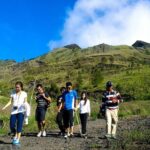
Once you reach Jatiluwih, you cycle through the center of the UNESCO site. The goal here is to make the terraces feel like a place you can ride through, not just something you stand beside for a few minutes.
In practice, that means you’re following a route that threads through rice farms, valleys, and vegetation, with opportunities to spot how farmers manage different sections of the terraces. The valley setting is part of what makes Jatiluwih memorable: you’re in a landscape tied to the valley of 4 extinct volcanoes, and that geology shows up as layered terrain and long sightlines.
This is also where the e-bike changes the whole experience. With regular bikes, many people would choose to pedal lightly or avoid certain roads. Here, the assisted effort keeps you moving steadily, so you can slow down mentally and actually notice what’s around you—rice steps, irrigation features, and the way villages sit along the edges of fields.
If you’re the kind of traveler who likes photos, you’ll also have more chances to get them. The route isn’t a single viewpoint; it’s progression. You’ll see the terraces from different angles as you move through the area.
Green Cafe lunch: simple, local, and timed for energy
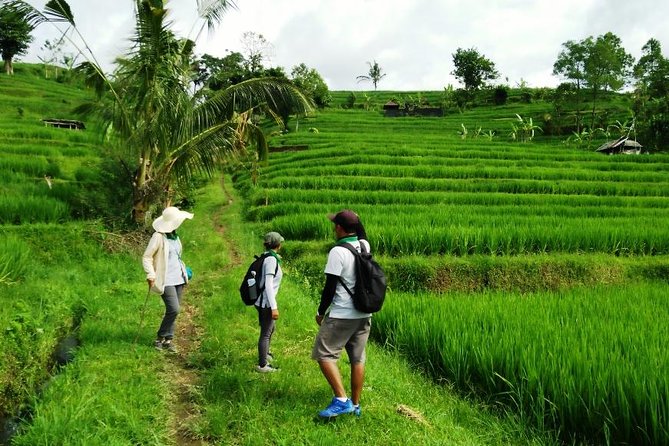
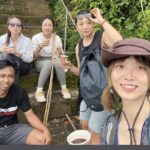
Lunch is served in Green Cafe, surrounded by rice fields. You get a traditional Balinese lunch described as nasi camour, including water plus coffee or tea. The point of this meal location and timing is energy management: you’ve already cycled part of the day, and the afternoon trekking still needs fuel.
I like that this isn’t framed as a fancy show or a staged buffet. It’s a straightforward local meal in a real setting, which makes the day feel more grounded. And because coffee/tea is included, it helps you reset before you head back into the heat and walking.
What to do: after lunch, take a few minutes to reassess your gear before trekking. If you’re wearing sandals or shoes that don’t grip well, consider adjusting early. You’ll be walking on paths through rice areas, and a stable shoe choice matters more after lunch when you’re warm and moving slower.
Alcohol isn’t included, but it’s available to purchase. If you’re planning to trek after, keep it light or skip it. It’s simply safer for comfort and balance.
The trekking portion: 2 to 2.5 hours toward the river
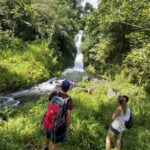
After lunch, you set off for trekking in rice fields for about 2 to 2.5 hours. This is the part that many people remember because the route is designed to get you away from the busiest patterns.
The direction matters: you go off the beaten path, and the walk takes you down toward the river, passing through even more natural terrain. That combination—rice-field scenery plus a descent toward water—creates variety without needing technical hiking. Even if you’re not an athlete, the trekking is more about steady walking and enjoying the changing view than about scrambling.
The included local guide is a big deal here. They can help you understand what you’re seeing in the fields and along the route. And because the guides are local to the area, they tend to point out details you’d likely miss on your own, like how farming schedules shape what you see.
How hard is it? The data doesn’t spell out steepness or difficulty, so go by common sense: assume it’s active walking in warm conditions with some uneven footing. Bring sunblock, wear comfortable clothes, and use shoes that won’t slip if the ground is damp near water.

Pickup, minivan ride time, and what a 7-hour day really means
This tour is about 7 hours total and starts at 10:00 am. If you have hotel pickup, you’ll likely spend some time in an air-conditioned minivan on the way in and out. That’s part of why the day feels manageable: you’re not driving yourself, and you’re not piecing together separate activities.
You’ll also be with a small group—maximum 12 travelers. For a day that includes two outdoor segments (cycling plus trekking), that small size helps keep things organized. It’s easier for the guide to adjust pacing, and you’re less stuck in a huge moving crowd.
Mobile ticket is offered, which usually means you can keep things simple on arrival. And insurance is included, which adds comfort for a day that mixes bikes and walking.
One logistics tip from experience with days like this: plan your morning so you’re not rushed. A calm start makes the mid-day lunch and the afternoon trek feel like a smooth progression, not a grind.
Price and value: is $88 a good deal for this mix?
At $88 per person, this tour lands in the “good value if you’ll do both parts” category. Here’s why: you’re getting a full half-day structure (cycling) plus an afternoon walk, and that’s paired with hotel pickup and drop-off, an air-conditioned minivan, electric bike use, helmet, and a traditional lunch.
You’re also getting guidance and admission. Admission to the Jatiluwih site is included, plus bottled water and beverages are included. When you tally that up, the cost isn’t just for the e-bike—it’s for the entire organized day: transport, staffing, bike gear, meal, and the trek guide.
Not included is alcohol, but you’re not paying extra for common essentials like water and coffee/tea. If your goal is to experience Jatiluwih without spending extra time planning routes, hiring separate transportation, or booking separate activities, the package format is what makes the price feel fair.
Quick reality check: if you love biking but skip trekking, you won’t get the full value. The trekking is a major part of what makes the day feel like more than a “ride through the view” experience.
Who should book this Jatiluwih e-bike + trekking day?
This is a great match for you if you want:
- UNESCO rice terraces access without doing everything on foot
- An e-bike option that helps you enjoy the scenery instead of grinding uphill
- A day that mixes cycling, a real local lunch, and a calmer walking route later
It’s also a good pick if you like learning from local guides. The whole day is designed around the rice terraces and surrounding nature, and your guide can help connect the dots—what you see in the fields, and how farming shows up along the route.
You might want to skip or reconsider if:
- You’re under 150 cm height (no smaller bikes are available)
- You don’t want a day that includes trekking for 2 to 2.5 hours
- You’re expecting a fully relaxed, sit-down tour. This one is active, in a friendly way, but still active.
If you want a blend of countryside biking and a meaningful walk, this tour fits well.
Should you book Green Bikes Bali’s Jatiluwih e-bike + trek?
I’d book it if you’re planning to visit Ubud and you really want Jatiluwih to be the highlight. The combination of e-bike cycling through UNESCO rice terraces plus an afternoon trek toward the river is the sweet spot. It gives you multiple “modes” of seeing the area—moving fast enough to cover distance, then walking slow enough to notice details.
My main advice is to show up prepared. Wear comfortable shoes, bring sun protection, and treat lunch as fuel for the trek. If you do that, you’ll leave with two different kinds of memories: the satisfying feeling of riding through the terrace center, and the quieter, personal payoff of walking a route that takes you away from the busiest parts.
FAQ
FAQ
What time does the tour start?
The tour starts at 10:00 am.
How long is the full-day experience?
It runs for about 7 hours (approximately).
Where does the cycling start?
The cycling starts from Batukaru Temple.
Is hotel pickup included?
Yes, hotel pickup and drop-off are included.
What’s included with the bike and safety gear?
You get use of the electric bike (electric mountain bike) and a helmet.
What do I eat for lunch?
Lunch is a traditional Balinese nasi camour at Green Cafe, with water and coffee or tea included.
Do I need to have e-bike experience?
No experience is required. The e-bikes are described as easy to use.
How long is the trekking part?
The trekking lasts about 2 to 2.5 hours.
Can I cancel for free?
Yes. Free cancellation is available up to 24 hours before the experience start time for a full refund.