REVIEW · SAPA
Sapa 1 Day Trekking Tours
Book on Viator →Operated by Asia Travel Legend · Bookable on Viator
One day, three village stories, zero stress planning. This Sapa 1-day trekking tour is built around meeting your guide, getting a map, and picking a route that fits your pace—then walking into village life around Ta Van, Ta Phin, or Giang Ta Chai.
What I like most is simple: the included local lunch after your walk, and the way your guide brings the villages to life with real context about everyday rural life and ethnic communities. The one thing to plan for is trail conditions—if it’s rained recently, paths can turn muddy and slippery, so proper shoes help a lot.
In This Review
- Key Things You’ll Notice on This Sapa 1-Day Trek
- How This Sapa Day Trek Really Works (Meeting Your Guide at 9:00)
- Route Options in Sapa: Ta Van, Ta Phin Cave, or Giang Ta Chai
- Ta Van Village Loop (via Y Linh Ho and Lao Chai)
- Ta Phin Village Route (and a Cave Visit)
- Giang Ta Chai Village Route (Sa Seng, Hang Da, Hau Thau)
- The Timing: 9:00am Start, About 3:00pm Finish, and Why the Day Still Feels Long
- Lunch, Valley Entrance Fees, and What You Still Need to Pay
- Pickup, Drop-off, and Getting Back to Sapa Town
- Guides Matter Here: What You’ll Learn While You Walk
- Price and Value: Is $65.39 Worth It?
- What to Pack for Sapa One-Day Treks (Especially After Rain)
- FAQ
- FAQ
- What time does the Sapa 1-Day Trekking Tour start?
- How long is the trek day?
- Is lunch included?
- Are valley entrance fees included?
- Do I get pickup and drop-off?
- How do you get back to Sapa Town after the trek?
- Are drinks included?
- Can I leave my luggage somewhere before the trek?
- Should You Book This Sapa 1-Day Trek?
Key Things You’ll Notice on This Sapa 1-Day Trek
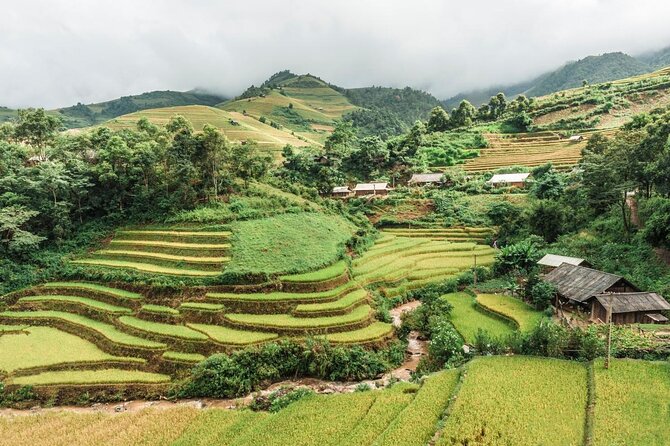
- Route choices start after you meet your guide (you decide difficulty and where to go on the spot).
- Lunch is included, typically timed during the Lao Chai or Ta Phin portions of the trek.
- You can store luggage at the office and even shower before/after your walk.
- Valley entrance fees are covered, so you don’t have to hunt down extra tickets mid-day.
- Transport back to Sapa Town is included, usually by motorbike taxi or a shared minivan depending on group size.
- Private by your group only, not a packed mixed crowd.
How This Sapa Day Trek Really Works (Meeting Your Guide at 9:00)
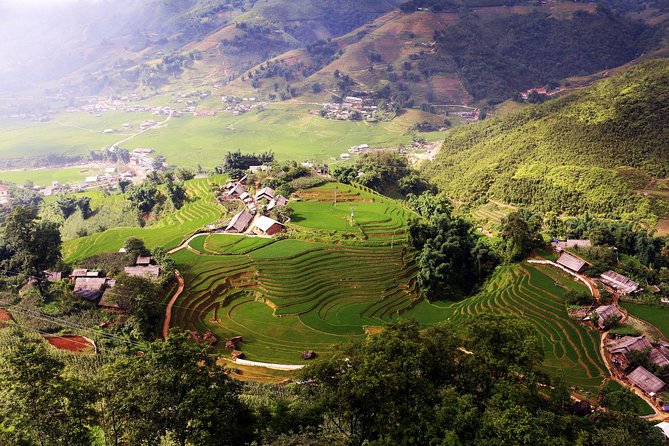
This tour runs on a straightforward rhythm: you start at 9:00am, meet your guide (either at your hotel in Sapa or at the provider’s office), and then you get to choose your walking plan after you see the map. That matters because Sapa trekking can feel very different depending on weather and trail conditions. You’re not locked into one rigid track from the start.
If you use the office option, it’s handy that you can leave your luggage there while trekking. Some travelers also like having access to a shower at the office—small detail, big difference when you’ve been hiking in humid mountain air.
Your guide’s role is more than just leading the group. Guides like Lomao, Lan, Lang, May, and Sy are highlighted for being friendly and for sharing information about rural villages and the Hmong way of life. Even if you’re not chasing “culture lectures,” you’ll still benefit from someone pointing out what you’re actually seeing.
One practical note: this tour is listed as private, so the pacing tends to be more flexible for your group than a large joiner trek. Still, it’s trekking—so expect real walking, not a quick stroll.
You can also read our reviews of more tours and experiences in Sapa.
Route Options in Sapa: Ta Van, Ta Phin Cave, or Giang Ta Chai
The best part is that your trek plan can vary a bit by guide. Once you meet, you’ll decide difficulty and where to go. Below are the common one-day route patterns you may choose from, each built around about 4 hours of walking for the main loop.
Ta Van Village Loop (via Y Linh Ho and Lao Chai)
This is the route pattern: Sapa → Y Linh Ho → Lao Chai (lunch) → Ta Van → back to Sapa. You’re looking at around four hours on foot, with lunch during the Lao Chai portion.
Why it’s a great choice: Ta Van is a popular stop because it feels like a living village, not a photo stop. The route also gives you a natural “story arc” as you move through different hamlets, then end in Ta Van with time to slow down.
Possible drawback: if you’re short on stamina, four hours in Sapa’s terrain can still feel like a lot—especially if rain has made the steps slick. If that’s you, pick a lighter difficulty when your guide offers the options.
Ta Phin Village Route (and a Cave Visit)
This pattern goes: Sapa → Ma Tra → Ta Phin (lunch + cave visit) → back to Sapa. Again, about four hours of walking, with lunch and the cave stop during the Ta Phin section.
Why it’s worth considering: the cave visit adds variety. When hikes start to feel repetitive, that kind of change in scenery breaks up the mental monotony.
Possible drawback: caves can mean cooler spots and damp ground nearby. If you’re traveling with kids or someone less comfortable on uneven surfaces, ask your guide how the ground looks after rain.
Giang Ta Chai Village Route (Sa Seng, Hang Da, Hau Thau)
This pattern is: Sapa → Sa Seng → Hang Da → Hau Thau → Giang Ta Chai → back to Sapa. It’s listed as a four-hour portion with admission included.
Why you might like this one: moving through several small stops (Sa Seng, Hang Da, Hau Thau, then Giang Ta Chai) can feel like you’re getting a broader slice of valley village life rather than just one main area.
Possible drawback: more segments can mean more chances to hit uneven ground. If the weather has been poor, this route may feel more effort than the Ta Van plan.

The Timing: 9:00am Start, About 3:00pm Finish, and Why the Day Still Feels Long

The trek is presented as a one-day experience running 9AM to 3PM, but the overall duration is listed as about 14 hours. That gap usually comes from travel time tied to pickup and return—so don’t fixate on the headline times. Think “mostly daytime trek,” then allow extra time around it for the full door-to-door experience.
In your planning, focus on what you’ll do during that block:
- You begin with introductions and a map-based plan.
- You walk through villages and viewpoints.
- You take lunch when the route passes Lao Chai or Ta Phin.
- You finish, then you’re transported back to Sapa Town.
If you’re expecting to relax the whole day afterward, plan for at least some fatigue. Even guides who keep the pace comfortable are still leading you up and down mountain paths.
Lunch, Valley Entrance Fees, and What You Still Need to Pay
The tour includes lunch in a local restaurant, the entrance fee to the valley, and transportation back to Sapa Town after your trek. Drinks are not included, so I recommend budgeting a little extra if you like water beyond what you bring.
From a value point of view, this matters. In Sapa, small add-ons can add up fast—especially if you end up paying multiple entrance fees or scrambling for lunch at the wrong moment. Here, lunch is timed as part of the route, so you don’t lose trekking momentum searching for food.
Also, the lunch isn’t just a prop. Guides are often good at timing meals so you’re not eating too early when you’re still warming up. It’s one of the reasons the day feels smoother than “walk, then figure it out.”
Pickup, Drop-off, and Getting Back to Sapa Town

You’ll get pickup and drop-off. The guide can meet you at your hotel in Sapa, or you can start at the provider’s office. That gives you flexibility depending on where you’re staying and how much you want to handle in the morning.
Transport back to Sapa Town is included, and it’s listed as either:
- a motorbike taxi, or
- a shared minivan,
depending on your group size.
That means you get a real end point at the end of the trek, rather than trekking until your feet demand a bus schedule. It also means you might be in a small group that splinters into different vehicles, so don’t assume everyone returns by the exact same ride.
One extra detail: the itinerary mentions a 20-minute pickup from Hanoi Old Quarter with admission ticket free. If you’re coming from Hanoi as part of your overall trip plan, that short pickup segment could be relevant. Just match it to what you booked so you’re not surprised by where the day starts.
Guides Matter Here: What You’ll Learn While You Walk
A good trek guide can make or break the day. The standout in this experience is how guides are described as warm, accommodating, and invested in explaining what you’re seeing.
For example:
- Lomao is praised for sharing interesting facts about rural villages in Sapa and the Hmong culture.
- Lan is described as accommodating, with one account noting Lan carried her baby on her back during the trek while still guiding and explaining along the way.
- Lang is highlighted for being considerate and for talking about local people and history in a way that felt natural, not forced.
What you should take from this: you’re not just buying scenic walking time. You’re paying for someone who can turn the route into a conversation—where you can ask questions about day-to-day life and how communities work outside the tourist bubble.
If you’re a solo traveler, that’s a big comfort factor. If you’re traveling with family, it also helps because a guide can adjust explanations, pacing, and moments of rest.
Price and Value: Is $65.39 Worth It?
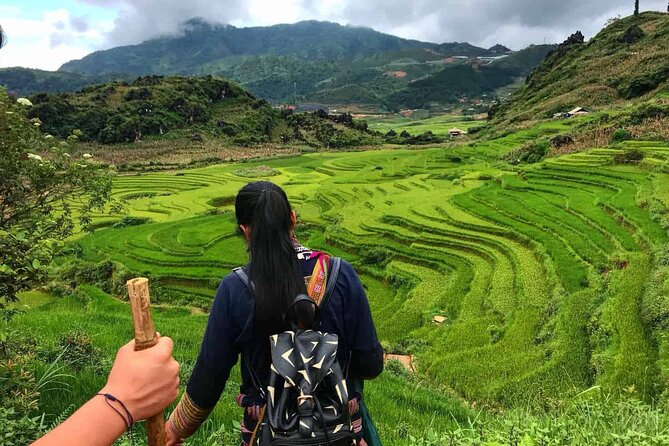
At $65.39 per person, this is priced like a guided walking day that covers the big practical costs: guide, lunch, valley entrance fee, and return transport.
To judge value, compare what you’d likely pay on your own:
- A reliable guide (hard to replace),
- Lunch at the right time (often the most annoying part),
- Entrance fees and local admin (easy to miss without help),
- And transport back to Sapa Town.
This tour includes all of that, and it’s private for your group. You’re not just paying for “walking time.” You’re paying for how the day is organized so you can focus on the villages and the mountain views rather than paperwork.
One thing to keep in mind: drinks are not included, and you’ll want to bring your own water plan. Also, the trek difficulty is adjustable based on what you choose when you meet your guide—so you get more control over how hard the day feels.
What to Pack for Sapa One-Day Treks (Especially After Rain)
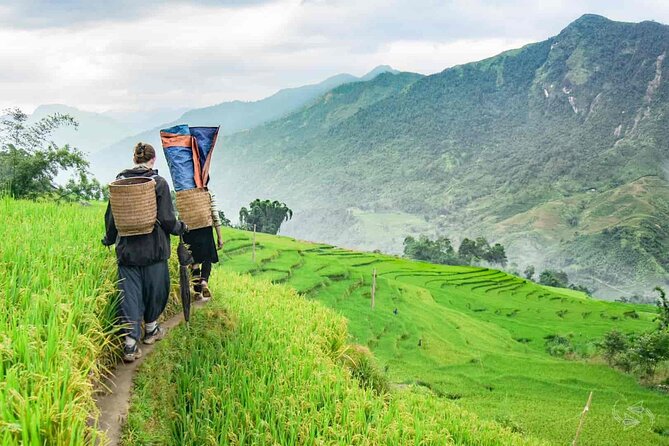
You don’t need mountaineering gear for this. But you do need basics that work on uneven paths.
Here’s what I’d prioritize based on the kind of feedback you’ll see for Sapa treks:
- Good grip shoes for muddy, slick trails after rain.
- A light layer for cooler air on higher sections.
- Something small for hydration since drinks aren’t included.
- A rain-ready option (poncho or light jacket), because weather can change and tracks can get messy.
One review notes that even when it rained, kids still enjoyed the route—just expect the ground to be less “nice carpet trail” and more “real trekking path.” If you’re bringing older family members, choose a medium or easier difficulty when your guide offers options, and be honest about comfort levels.
FAQ
FAQ
What time does the Sapa 1-Day Trekking Tour start?
The tour start time is 9:00am.
How long is the trek day?
The trek portion is listed as 9AM to 3PM, and the overall duration is listed as about 14 hours.
Is lunch included?
Yes. Lunch in a local restaurant is included, and food for lunch is listed as part of what’s included.
Are valley entrance fees included?
Yes. The tour includes the entrance fee to the valley.
Do I get pickup and drop-off?
Yes. Pick up & Drop off are included. Your guide can meet you at your hotel in Sapa, or you can start at the provider’s office.
How do you get back to Sapa Town after the trek?
Transportation back to Sapa Town is included. The ride is listed as either a motorbike taxi or a shared minivan, depending on your group size.
Are drinks included?
No. Drinks are not included.
Can I leave my luggage somewhere before the trek?
Yes. You can leave your luggage in the office while trekking, and there’s also an option to take a shower there.
Should You Book This Sapa 1-Day Trek?
Book it if you want a guided day that mixes real village stops with practical structure—lunch included, valley entrance covered, and a guide who helps you match the trek difficulty to your group. I’d especially consider it if you value the human side of trekking: guides like Lomao and Lan are repeatedly praised for making the walk meaningful through local stories.
Skip or be cautious if you’re very worried about uneven terrain after bad weather. In that case, plan to choose the easier option when your guide maps out the day, and make sure you’ve got shoes with serious grip.
If you’re looking for a one-day way to experience Sapa beyond the viewpoint circuit, this is a solid, organized choice—and it keeps the day moving so you can enjoy the walk instead of managing logistics.