REVIEW · CATANIA
Sunset Trekking on Mount Etna
Book on Viator →Operated by Etna Sicily Tours · Bookable on Viator
Sunset on Etna feels different. You’ll ride past Etna villages, then walk through extinct craters at around 2,000 meters, finishing with a lava cave tour that feels straight out of a sci-fi documentary. It’s the kind of evening outing that makes the volcano feel close and personal.
I especially like the easy-to-follow trekking style: soft walking in old craters, views from the edge, and time to understand the volcanic story as you gain altitude. I also love the cave add-on—your helmet and torch turn a simple walk into hands-on exploration of lava flow formations.
One consideration: this is a mountain trip, so you’ll want solid hiking shoes and a jacket, and winter conditions can mean going to lower altitudes if roads are icy or snowy. Also, there’s no lunch, so plan to eat before you go.
In This Review
- Key highlights at a glance
- Why Mount Etna at sunset hits harder than daytime
- The drive through Etna villages: orchards, vineyards, and local context
- Walking the extinct craters near 2,000 meters (and staying on your feet)
- What to watch for on the trail
- Old lava flows and views from the crater edge
- The lava flow cave: helmet, torch, and speleologist-style gear
- Practical cave tips that make the visit easier
- Transport, group setup, and how the timing works
- Price and value: what $98.90 covers (and why it’s not just a transfer)
- Who this sunset Etna trek is best for
- The real win: Danila’s energy and the story behind the volcano
- Should you book Sunset Trekking on Mount Etna?
- FAQ
- Where is the Sunset Trekking on Mount Etna tour located?
- How long does the tour take?
- What time does the tour start during the week?
- Is pickup included?
- Is the tour private?
- What’s included for the lava cave visit?
- Do I need to bring anything besides my booking confirmation?
- Is lunch included?
- What happens in winter or bad weather?
- Can I cancel for free?
Key highlights at a glance
- Sunset timing that makes the whole eruption story feel real, not just scenic
- Easy trekking on extinct craters with lava flows, woods, and big viewpoints
- A guided lava-flow cave visit equipped with helmet and torch
- Etna village scenery en route, with vineyards and orchards along the way
- Danila’s high-energy guiding style, focused on volcano origins and local community life
- Transport handled with an air-conditioned vehicle and off-road/minivan transfers
Why Mount Etna at sunset hits harder than daytime
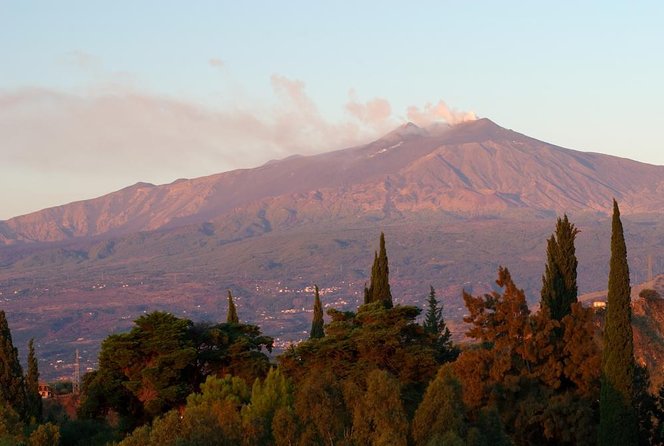
Etna at sunset has a built-in “slow down” effect. The air cools off, the light changes the color of the lava terrain, and the whole experience feels more atmospheric than a rushed afternoon. The tour is built around that moment, and the result is a visit that feels almost cinematic—without turning it into a gimmick.
What makes it work is the pacing. You’re not only driving up and snapping photos. You’re spending real time walking through extinct craters and then stepping into a lava cave, which means you see the mountain in layers: open sky, then darkness and stone.
If you’re choosing this over a generic Etna trip, the sunset focus is the difference. It’s also great if you like tours that explain the “why” behind the scenery—how Etna formed, how eruptions shaped the ground, and how the surrounding communities live alongside it.
You can also read our reviews of more tours and experiences in Catania.

The drive through Etna villages: orchards, vineyards, and local context
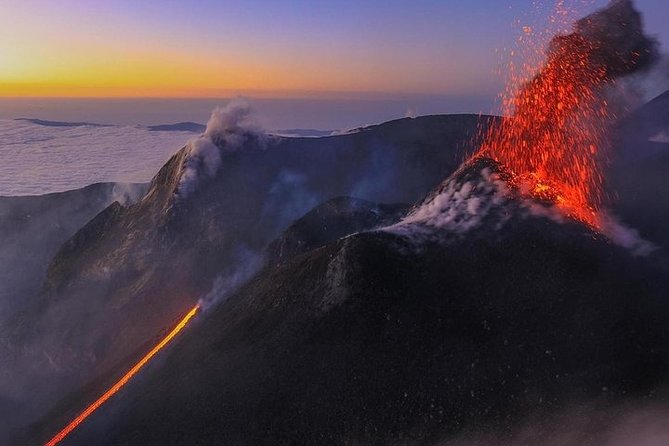
Before the trekking even starts, you’ll get a sense of how Etna shapes daily life. The route passes through characteristic Etna villages, and you’ll notice vineyards and orchards as the altitude gradually increases. It’s a simple setup, but it matters because it frames the volcano as part of culture—not just a landmark on a map.
Your guide also shares the story of how the largest active volcano in Europe came to be. That context changes what you see later: lava flows stop being random patterns and start looking like evidence of past activity. You’ll get explanations along the way, not just at one stop, so the trip feels connected.
Expect a bit of “mountain travel reality.” The experience uses an air-conditioned vehicle, and the tour may include transfers by 4×4 off-road vehicles and/or minivans. That means you’re moving efficiently, but you should still be ready for road bumps and changing views as you climb.
Walking the extinct craters near 2,000 meters (and staying on your feet)

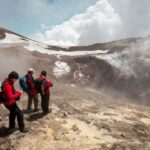
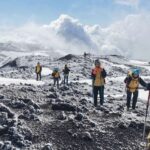
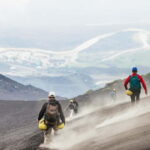
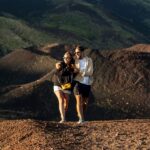
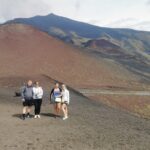
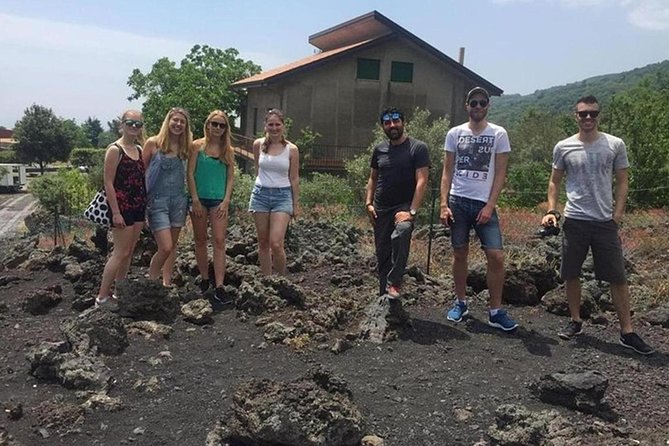
The main walking portion focuses on extinct craters around roughly 2,000 meters. This is described as soft trekking, and it’s set up to be suitable for everyone, which is a big deal if you’re not after technical hikes. You’re not fighting steep climbs for hours—you’re exploring terrain that’s already “quiet,” formed by older eruptions.
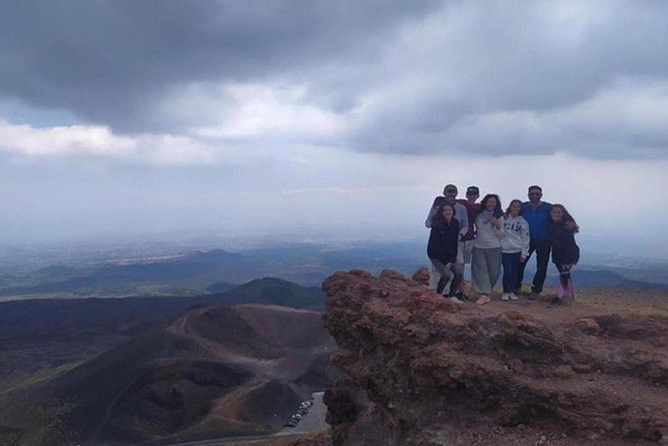
One of my favorite parts of this style of outing is how it balances structure with freedom. You’ll explore the innermost parts of old craters on foot, and at certain points you’ll walk along the edge for sweeping views. That “edge moment” is where the scale of Etna really lands, because you can see lava terrain stretching out while the sky opens overhead.
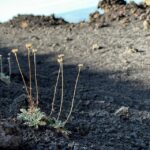
Nature is part of the walk too. The route passes areas with birch, oak, and pine woods alongside the volcanic ground. That mix is a helpful reminder: even on a volatile mountain, life finds a way to grow.
What to watch for on the trail
Wear hiking shoes. Even though it’s soft trekking, volcanic paths can be uneven, and you’ll be happier with real grip than with casual sneakers.
Bring a jacket. Sunset temperatures can drop fast, and the cave portion later makes “warm enough” the goal, not “comfortable when you started.”
Old lava flows and views from the crater edge
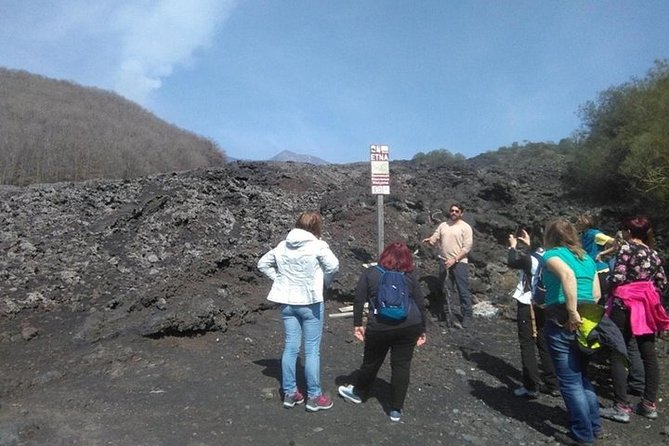
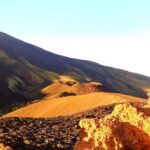
Inside the extinct crater area, you’re looking at a mix of old lava flows and plant life living side-by-side. That combination is what makes this stop feel educational without feeling like a classroom. You can actually compare different surfaces and textures—some areas look fresher, others more worn, and the guide helps connect those details to what happened during eruptions.
As you move along the craters, you’ll also get moments that are purely visual. Walking near the crater edge is where the mountain opens up, letting you admire a wide view while you’re still standing right on volcanic ground. It’s the kind of payoff that feels worth the climb even if you’re not doing a hard hike.
The tour also aims for a smooth flow: about 4 hours is tied to this core crater and cave experience portion, and it’s timed to fit the sunset vibe. Translation: you’re not stuck in one place too long, and you’re not rushed through either.
The lava flow cave: helmet, torch, and speleologist-style gear
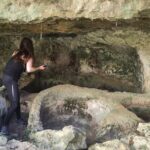
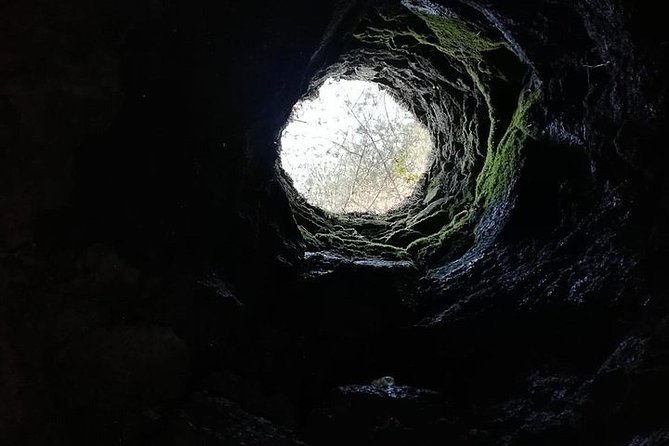
This is the part that turns the trip from “good volcano visit” into something you’ll remember. You’ll explore a lava flow cave formed during an eruption, and you’ll do it equipped like speleologists—with a helmet and a torch supplied by the tour.
That gear changes everything. With the helmet you can move with confidence in low or uneven spaces, and the torch means you’re seeing stone and texture up close instead of relying on distant light. It’s hands-on and physical in a way that feels more real than viewing lava formations from a distance.
Cave visits also add a different pace to the evening. Outside you’re watching the terrain and the sky; inside you’re watching details—walls, shapes left by lava, and the way the cave’s conditions affect visibility. The tour notes that these caves have special properties, and even without getting overly technical, you’ll feel it in the atmosphere once you’re inside.
Practical cave tips that make the visit easier
- Keep your jacket on if you tend to get cold; caves can feel cooler than the air outside.
- Stay mindful of your footing even if the walking isn’t described as difficult. Cave floors can be tricky.
- Pay attention when the guide explains how to move and where to look with your torch.
Transport, group setup, and how the timing works
The tour is built around transfers, not self-driving. You get an air-conditioned vehicle, and pickup is offered. The experience also uses private transportation, which usually means fewer logistical headaches for you and a more consistent schedule.
One more important note: it’s a private tour/activity, meaning only your group participates. That can be a big advantage if you like a more personalized pace or you’re traveling with friends and want the guide’s full attention.
Timing is also clear. The listed time window is Monday through Thursday, with a start around 3:30 PM to 4:00 PM (local time). The whole experience runs about 5 hours in total, so you’ll finish with plenty of evening left, not a late-night scramble.
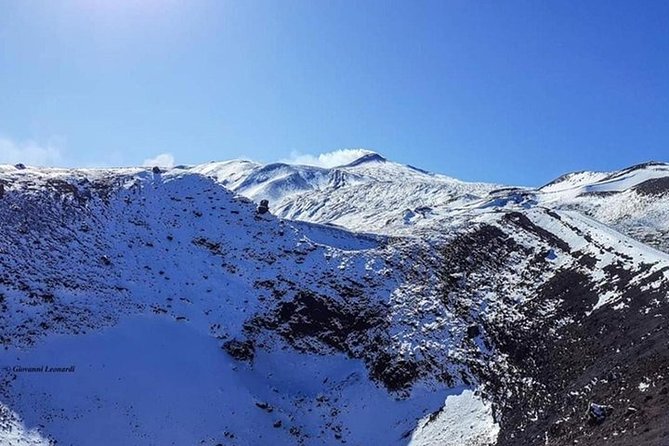
If weather matters to you: in winter, the excursion could take place at lower altitudes if conditions include ice and/or snow on the roads. That’s not a downgrade—it’s smart safety planning.
Price and value: what $98.90 covers (and why it’s not just a transfer)
At $98.90 per person, the price isn’t just for a quick look. You’re paying for a package that includes:
- helmets and torches for the cave
- an admission ticket included for the core experience
- air-conditioned vehicle transport and private transportation
And you should factor in the time commitment: roughly 5 hours is long enough for a genuine walk plus a guided cave exploration. If you were to do the same things independently, you’d likely spend time lining up gear, arranging transport, and coordinating timings—especially for a sunset-focused visit.
The one notable trade-off: lunch isn’t included. That’s an easy fix, but you should handle it ahead of time. If you’re prone to snack-hungry trekking, bring a plan before you head out.
There’s also mention of group discounts. If you’re traveling with friends, that can make the math even better.
Who this sunset Etna trek is best for
This outing is designed to be broadly approachable. The crater trekking is described as soft, and the activity is noted as suitable for most travelers. If you want Etna without going full endurance athlete, this fits.
It’s especially good if you enjoy tours with two layers:
1) active time outdoors (walking through extinct craters)
2) a story-rich stop (volcano origins and local culture themes)
The cave makes the second layer tangible.
You might reconsider if:
- you’re sensitive to cooler temperatures at sunset and don’t plan to bring a jacket
- you’re uncomfortable with uneven ground, even if it’s not labeled difficult
- you hate trips that involve mountain driving and transfers (the route may use 4×4 off-road vehicles and/or minivans)
The real win: Danila’s energy and the story behind the volcano
One standout from the experience is the guide’s style. Danila is described as high energy and strong at sharing details about the volcano and the surrounding communities. That matters because Etna isn’t just a pile of rock—it’s geology plus people plus long-term adaptation.
You’ll likely feel that in how the trip moves. The explanation doesn’t sit separately from the walking. It shows up as you gain altitude and as the terrain changes, so the story lands at the exact moment you can visualize it.
And yes, sunset is repeatedly called out as the right time to be there. That’s consistent with the way the cave and crater stops contrast: you start with wide views and village scenery, then you shift from daylight into torchlight geology.
Should you book Sunset Trekking on Mount Etna?
I think this is a smart pick if you want an Etna experience with three ingredients: sunset timing, walking that feels manageable, and a real cave exploration with proper gear. The helmet-and-torch cave stop is the kind of “included” feature that elevates value, and the crater walk adds enough movement to make the trip feel earned.
Book it if you:
- like guided explanations that connect geology to local life
- want a structured evening plan that’s about 5 hours
- are comfortable bringing a jacket and wearing hiking shoes
Skip it (or choose a different Etna option) if you’re looking for a super short outing or if you don’t want to handle the cave portion, which is darker and gear-based.
If your goal is to see Etna as more than a photo spot, this sunset trek is built for that.
FAQ
Where is the Sunset Trekking on Mount Etna tour located?
The tour is based in Catania, Italy.
How long does the tour take?
It lasts about 5 hours.
What time does the tour start during the week?
For the listed operating dates, it runs Monday through Thursday with a start time between 3:30 PM and 4:00 PM.
Is pickup included?
Pickup is offered.
Is the tour private?
Yes. It’s a private tour/activity, and only your group will participate.
What’s included for the lava cave visit?
Helmets and torches are supplied by the tour, and an admission ticket for the experience is included.
Do I need to bring anything besides my booking confirmation?
You should wear hiking shoes and bring a jacket.
Is lunch included?
No, lunch is not included.
What happens in winter or bad weather?
In winter, if there are adverse conditions like ice or snow on the roads, the excursion could take place at lower altitudes.
Can I cancel for free?
Yes. You can cancel for a full refund up to 24 hours before the experience’s start time.