REVIEW · SAPA
Sapa Easy Trekking Villages 2 days, 1 night: Meals, Local guide, 3 star hotels
Book on Viator →Operated by Vietnam Tonkin Travel · Bookable on Viator
Sapa trails feel personal here. This easy-style route pairs guided village walks in the Sapa rice-terrace area with real time with local ethnic communities, not just quick photo stops. You also get built-in comfort like hotel transport and a private room before the homestay part.
I especially like the mix of warm, structured support and authenticity. There’s a local guide for the long stretches, plus included meals that let you try Vietnamese food in places you can’t replicate on your own. And after a day of walking, the overnight setup gives you a proper reset.
One thing to think about: the trekking days can still be tiring. Even with an “easy” label, you’ll be on your feet for hours, and the route includes downhill walking and uneven paths.
In This Review
- Key highlights at a glance
- Two days that turn Sapa into a lived-in place
- Price and value: what you’re really paying for
- Where the day starts: pickup timing and the Golden Villa Hotel base
- Afternoon walk to Cat Cat: short distance, big cultural payoff
- Ta Van and the trek toward Y Linh Ho: the Hmong village experience
- Hotel comfort first, homestay cooking next
- Meals that match the places you visit
- The guide makes the route feel easy
- What to pack and how to handle the trekking pace
- Transportation that keeps the itinerary smooth
- Who this tour is best for (and who should think twice)
- Should you book this Sapa Easy Trek with homestay cooking?
- FAQ
- What is the duration of this Sapa tour?
- How much does the tour cost?
- Where does the tour start?
- What villages are included?
- What meals are included?
- Is a local guide provided?
- What accommodation is included?
- Is transport included?
- What group size should I expect?
- Is there a special fee during Tet?
- What happens if weather is bad?
Key highlights at a glance
- Small group size (max 15) so the guide can actually help you pace the walk
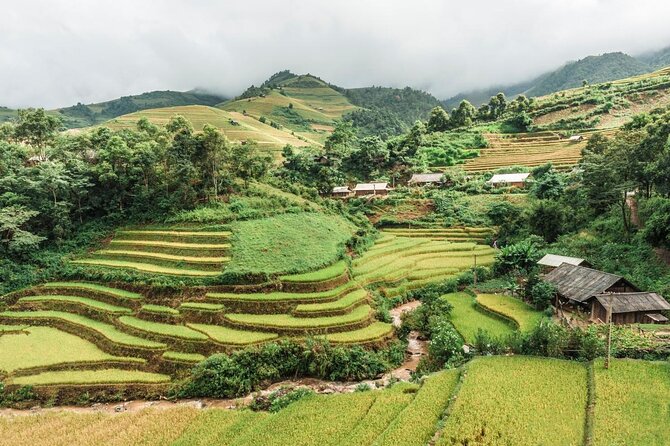
- Cat Cat and Ta Van to Hmong villages (Y Linh Ho) for hands-on culture, not just scenery
- Private hotel room with ensuite before the homestay cooking portion
- Meals included across the trip: breakfast, dinner, and lunch (2)
- Sapa market time focused on authentic Vietnamese cuisine
- Admission tickets handled and a promise to skip the long lines
Two days that turn Sapa into a lived-in place
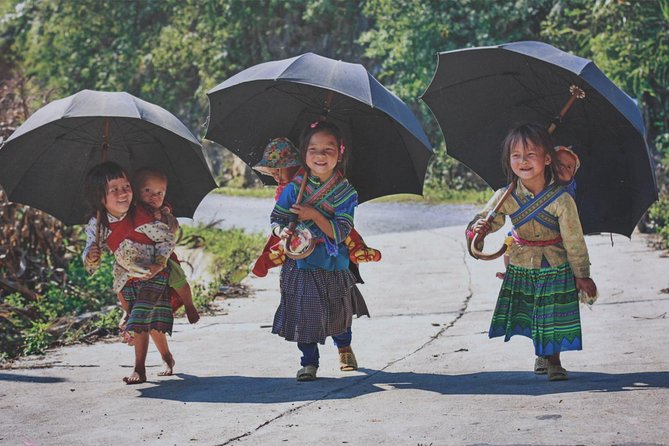
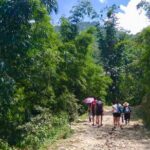
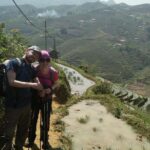
This is the kind of Sapa trip that works when you want village life without turning your holiday into a fitness boot camp. You get a guided route through mountain villages where you can see how people farm, travel, and build daily routines around the terrain.
You’re not just looking at the view from a bus window. You walk parts of the area around Sapa’s terraces and villages, then you slow down to talk, learn names of communities, and understand what daily life looks like outside the main town.
The tour is also set up to reduce friction. Pickup is offered, there’s a fixed meeting point at Golden Villa Hotel, and the day plans are built around reasonable check-in/check-out windows. You’re not wandering around trying to stitch together transport and tickets.
And yes, you’ll still do trekking. But this route is designed so that the day doesn’t feel random—your guide handles the flow and you can focus on walking, asking questions, and taking photos.
You can also read our reviews of more tours and experiences in Sapa.
Price and value: what you’re really paying for
At $90 per person, this is one of those Sapa options that feels fair once you count the included items. You’re getting:
- A local guide for the village walking
- Hotel pickup and drop-off tied to the tour schedule
- Multiple meals (breakfast, dinner, and two lunches)
- Admission tickets included
- A promise to skip long lines
- An overnight experience that includes a private hotel room plus a homestay portion
- Mobile ticket convenience
If you tried to rebuild this yourself, you’d quickly spend money on transport, guides, meals, and ticket costs. In particular, a homestay component and a guided trek with stops in multiple villages are hard to replicate at a low price—this is where the value lives.
The one cost to watch: on Tet holidays, there’s a $35 per person surcharge on specific dates in mid to late February 2026. If your travel window overlaps Tet, that extra fee changes the math.
Where the day starts: pickup timing and the Golden Villa Hotel base
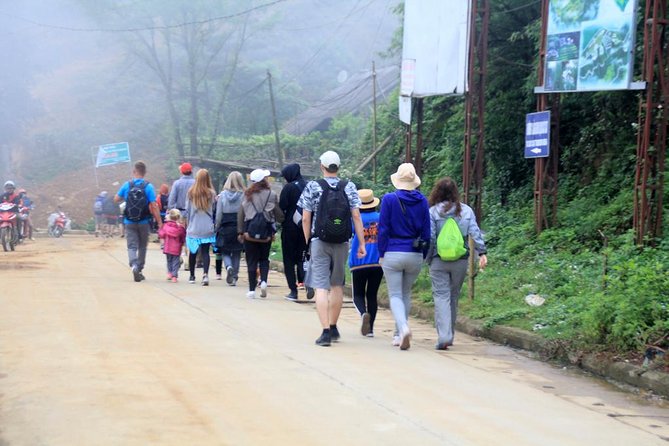
The meeting point is Golden Villa Hotel (075 Đ. Thạch Sơn, TT. Sa Pa). The day structure matters here: you can be picked up from hotels in Sapa town center around noon time, but the scheduled start time listed is 1:00 pm at the Golden Villa Hotel area.
Why I think that matters: Sapa days can feel chaotic if you start late. Here, the schedule is designed so you arrive, eat, check in, then head out with daylight still on your side.
Also keep in mind the practical detail that the tour includes pickup/drop-off and skips the long-line headache. You’re not standing around waiting while everyone argues about tickets and meeting points.
Afternoon walk to Cat Cat: short distance, big cultural payoff
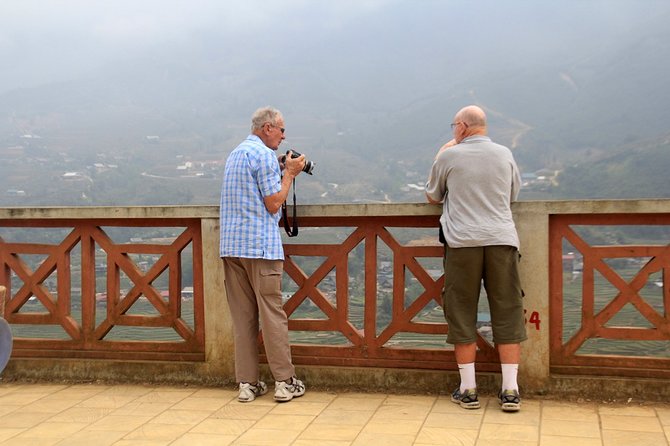
On the first day, after lunch and check-in, you depart the hotel around 2:30 pm. From there you walk roughly 3 km downhill as you head into the Cat Cat village area.
This is a smart way to start if you’re new to Sapa trekking. The afternoon timing gives you a gentler entry into the walking routine, and Cat Cat is known for being approachable compared to the more remote corners of the valley. It’s the kind of stop where you can:
- Get your bearings quickly
- Learn what to look for as you walk (fields, trails, homes, daily movement)
- Ask questions in a way that feels natural—not like you’re rushing through a checklist
Drawback to factor in: a downhill walk can feel more tiring than it looks, especially if your knees are sensitive. Wear shoes with good grip, and take short breaks if you need them.
Ta Van and the trek toward Y Linh Ho: the Hmong village experience
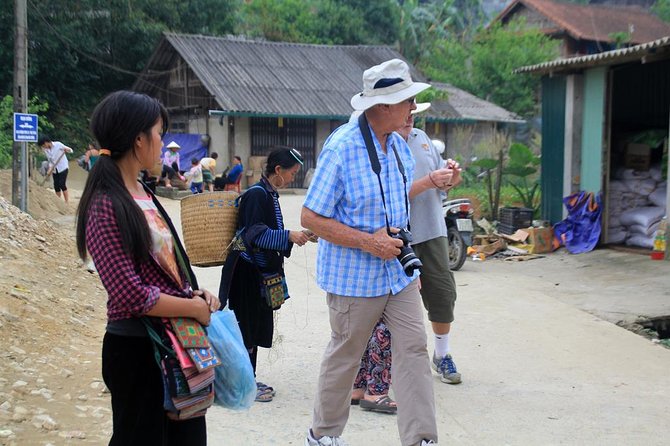
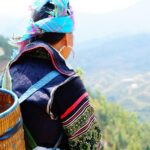
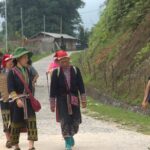
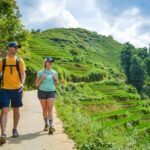
The second day starts with breakfast and check-out before 8:30 am. Then the trek moves you toward Y Linh Ho, a village inhabited by the Hmong minority.
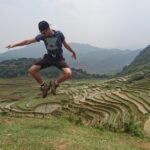
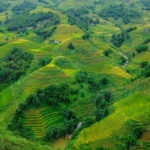
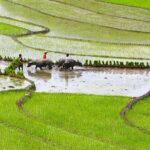
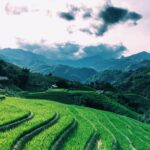
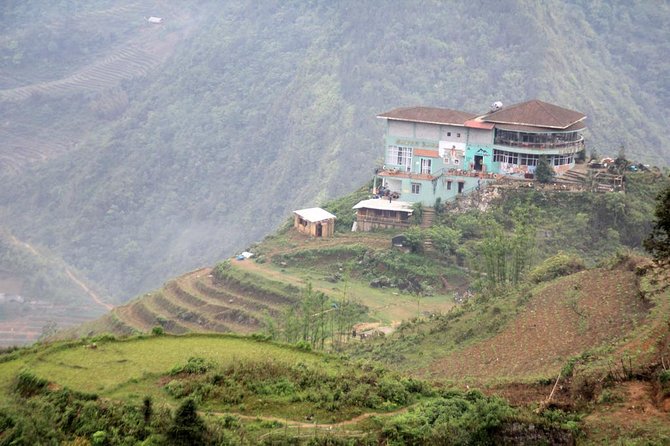
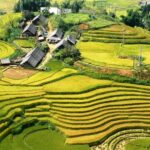
This is where the trip shifts from scenic walking to community-focused exploration. The area around Y Linh Ho is tied to terraced agriculture, so your photos and your observations will be about how people adapt to steep terrain—how fields are shaped, how paths connect homes, and how daily work fits into the slope.
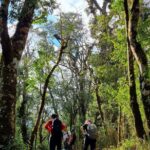
What I like about this section is that it’s not a dead-end walk. You’re moving through multiple village areas, with your guide helping you interpret what you’re seeing. If you care about understanding ethnicity and village life (not just getting photos), this trek is built for that.
One more practical note: this is also the part of the trip where “easy” still means you should have realistic expectations. You’ll likely be walking for hours. Bring water, wear layers, and plan for cool mountain air that can change quickly.
Hotel comfort first, homestay cooking next
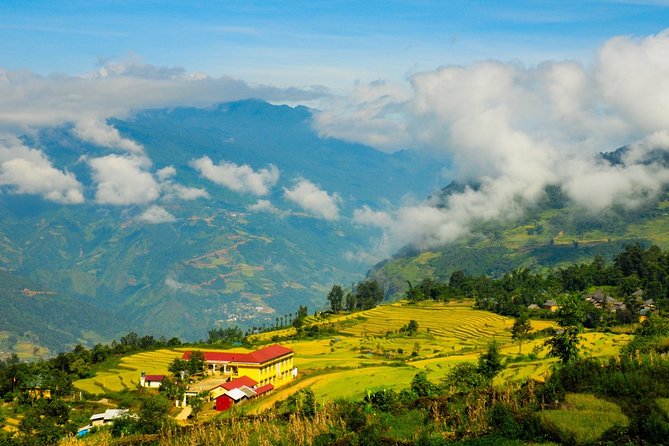
This tour’s overnight setup is a big part of why it’s popular. You get a private hotel room with ensuite before the homestay portion. That means you start with familiar comfort, then switch gears to the slower, more personal rhythm of a local home.
The homestay component is described as an included experience where you’ll cook dishes with a local family. This is not just a photo moment. Cooking together changes the tone of the evening—suddenly you’re learning by doing, and questions come up naturally while you’re working in the kitchen space.
What you should consider:
- You’re going to shift environments mid-trip, so pack with that in mind (a small daypack for walking, and easy-to-reach items for the night).
- Homestays can vary. The tour includes the homestay experience, but you should still expect that it feels different from a standard hotel room.
Value-wise, though, this is the strongest part of the itinerary. A homestay isn’t automatically “luxury,” but it’s often the most memorable cultural interaction—especially when the evening includes a shared meal and cooking.
Meals that match the places you visit
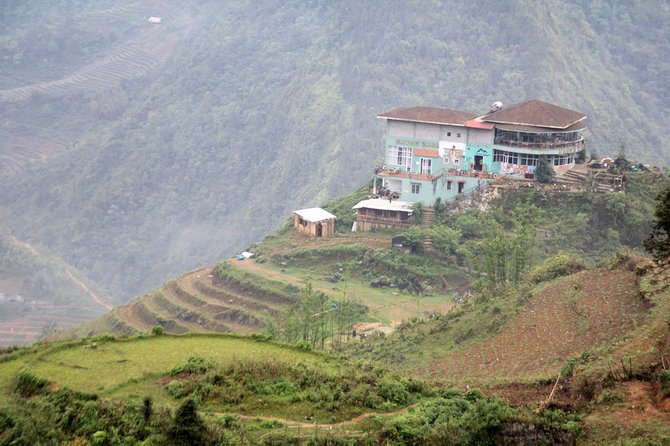
Meals are included across the trip: breakfast, dinner, and lunch (2). There’s also time built around the Sapa market to learn about authentic Vietnamese cuisine.
I like this structure because it keeps you from making three separate food decisions each day. You’re fed, and you’re fed in ways that connect to the locations you’re visiting.
What to do with this: treat meal time as part of the learning. If your guide is friendly and asks you questions, lean into it. You’ll usually get better answers about ingredients, cooking styles, and everyday life when you’re eating together.
Drinks and alcohol aren’t included, but they’re available to purchase. If you like to have a drink with dinner, budget a little extra.
The guide makes the route feel easy
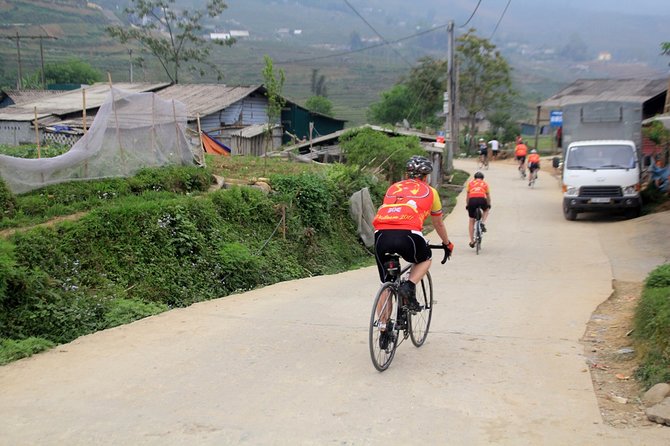
For this kind of trekking, the guide is not a side feature. It’s the difference between a walk that feels confusing and a walk that feels meaningful.
In the information provided, several guide names come up—such as Linh, Hoa, Vu, May Trang, and Thanh—and the consistent theme is communication and comfort on the trail. That matters because village treks can be hard to interpret without help. Even when the terrain is similar from one village to the next, the stories change: crops, family roles, and how community life is organized.
If you want to get the most out of the trek, come ready with questions like:
- How do you think about farming on steep slopes?
- What’s different about life in each village?
- What do visitors usually misunderstand?
Your guide can turn a long walk into a series of mini lessons.
What to pack and how to handle the trekking pace
Because this is still a trekking tour, you’ll enjoy it more if you plan like you’re hiking, not like you’re sightseeing from a comfortable chair.
Practical packing priorities:
- Comfortable walking shoes with traction (especially for downhill segments)
- Light layers for cool mornings and afternoon weather shifts
- A small daypack for water and snacks you want between meal times
- A rain layer if conditions look questionable (the tour notes good weather is required)
Also, there’s a stated formal dress code for the experience. That’s unusual for a trek, so I treat it as a hint that you may have moments that are a bit more dressed-up than pure hiking. Bring your practical trekking outfit, but consider a clean change for later parts of the day, especially for market or evening meal moments.
Transportation that keeps the itinerary smooth
The tour includes hotel pickup and drop-off, and the overview also mentions round-trip transport from Hanoi. Either way, the key value is that you don’t have to solve transport on your own.
You’ll likely feel this most on the transition points: arriving in Sapa, getting checked in, and then returning at the end of the activity. The tour is designed to keep you moving with minimal waiting around.
There’s also a mobile ticket, which is convenient if you’re juggling other Vietnam plans and don’t want paper tickets.
Who this tour is best for (and who should think twice)
This works well for you if:
- You want guided trekking with cultural stops (Cat Cat, Ta Van area, and the walk toward Y Linh Ho)
- You like the idea of a homestay cooking experience
- You want included meals so you can focus on the trail and the people
- You prefer a small group (max 15), which helps with pacing and conversation
You might want a different option if:
- You have mobility or knee issues. The tour includes hours of walking plus downhill sections.
- You dislike spending time walking between villages and would rather do a lighter, shorter stroll.
Should you book this Sapa Easy Trek with homestay cooking?
I think this is a strong choice if you want the Sapa experience to feel structured and human. The value comes from the combo: guide-led village treks, included meals, and that hotel-to-homestay shift where you cook and eat with a local family.
Before you book, match your expectations to the trekking reality. It’s not a chairlift tour. Wear proper shoes, be ready for cool mountain conditions, and accept that the walk is the main event.
If your dates overlap Tet, also factor in the $35 per person surcharge. And keep an eye on weather—this experience requires good conditions, and if it gets canceled due to poor weather, you’ll be offered another date or a full refund.
If that all fits your travel style, book it. This is the kind of trip where you come away knowing more than where to take a photo—you understand how people live where you’ve walked.
FAQ
What is the duration of this Sapa tour?
It runs for about 2 days.
How much does the tour cost?
The price is $90.00 per person.
Where does the tour start?
It starts at Golden Villa Hotel, 075 Đ. Thạch Sơn, TT. Sa Pa, Sa Pa, Lào Cai 330000, Vietnam. Pickup is also offered from hotels in Sapa town centre around noon time.
What villages are included?
Cat Cat village is included on the first day, and Ta Van Village is included on the second day, with a trek toward Y Linh Ho.
What meals are included?
Breakfast, dinner, and lunch (2) are included.
Is a local guide provided?
Yes, a local guide is included for the activities.
What accommodation is included?
You have a private hotel room with ensuite as part of the experience, plus an overnight homestay experience.
Is transport included?
Hotel pickup and drop-off are included, and the overview also mentions round-trip hotel transport from Hanoi.
What group size should I expect?
The tour has a maximum of 15 travelers.
Is there a special fee during Tet?
Yes. There is a $35 USD per person surcharge on Tet holiday dates listed as Feb 14–23, 2026.
What happens if weather is bad?
The experience requires good weather. If it’s canceled due to poor weather, you’ll be offered a different date or a full refund.