REVIEW · KATHMANDU
Gokyo Lakes, Gokyo Ri Trekking Package – 10 Days
Book on Viator →Operated by Breeze Adventure Pvt Ltd · Bookable on Viator
The Everest region can be loud. This trek’s different: you’ll work your way into the Gokyo Lakes basin for big high-mountain views and a quieter rhythm than the usual crowd trail. I love the mix of culture and scenery, from Sherpa villages with prayer wheels to the national park feel in Sagarmatha National Park. I also really like that the best moments are earned the hard way, especially the sunrise climb to Gokyo Ri. A heads-up: this is altitude trekking, so you’ll want a steady pace and smart acclimatization, not bravado.
The route is packed with contrast. You’ll start with a flight into Lukla’s drama, cross suspension bridges, and then move above the tree line as the air gets thinner. One possible drawback: the views depend heavily on weather, and you’re also dealing with simple tea-house comfort and basic facilities at altitude.
In This Review
- Key highlights you’ll feel fast
- The big idea: why Gokyo Lakes beats the usual Everest plan
- Day 1: Kathmandu to Lukla—getting airborne with style (and nerves)
- Day 2: Namche Bazaar approach—bridges, forests, and your first Everest glimpse
- Day 3: Namche acclimatization—museum, monastery, and Everest viewpoint tea
- Day 4: The Gokyo route split—Pasang Sherpa’s trail and musk-deer odds
- Day 5: Dole to Machhermo—above the tree line, Cho Oyu appearing early
- Day 6: Gokyo Lakes day—tea breaks, three lake moments, and Ngozumpa Glacier
- Day 7: Gokyo Ri sunrise—600 meters that feel like a big reset
- Day 8: Down to Namche—mostly downhill, with one annoying climb
- Day 9: Namche to Lukla—bridges, villages, and saying goodbye
- Day 10: Lukla to Manthali to Kathmandu—homecoming with a final mountain blur
- Price and value: what $1,686.67 likely covers (and what you should confirm)
- The human piece: the kind of support you want in the Everest region
- Should you book this Gokyo Lakes trek package?
- FAQ
- FAQ
- How long is the Gokyo Lakes and Gokyo Ri trek?
- Where does the trip begin?
- Is pickup included in Kathmandu?
- What is the main highlight besides the lakes?
- Do you pass through Namche Bazaar?
- Are meals included?
- Is international airfare included?
- Are showers and charging included?
- What fitness level do I need?
- How big is the group?
- What if weather is bad?
- What is the cancellation window?
Key highlights you’ll feel fast
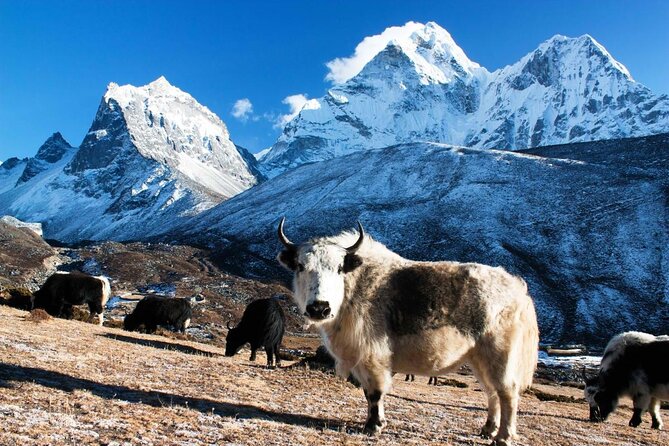
- Gokyo Ri sunrise (5357m / 17,575 ft) for a front-row view of Everest, Cho Oyu, Lhotse, and Makalu
- Three Gokyo Lakes with blue-green water that looks almost unreal against steep valley walls
- Ngozumpa Glacier walk with a clear reminder that glaciers are changing fast
- A real acclimatization day in Namche Bazaar, with the museum and Khumjung Village
- Small group size (max 15) and an experienced trekking team feel
- Everest Base Camp trail split that keeps the Gokyo route feeling more intimate
The big idea: why Gokyo Lakes beats the usual Everest plan
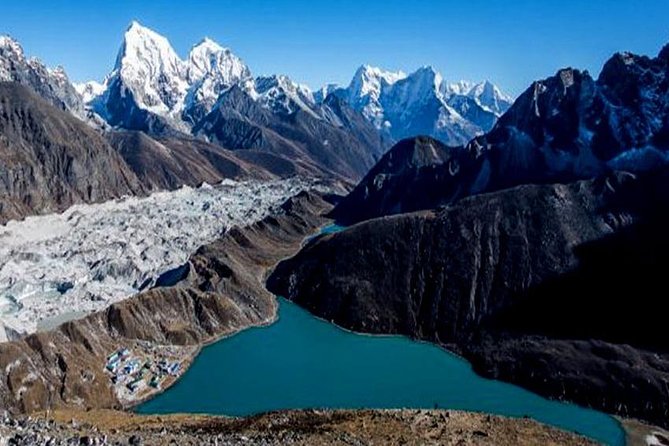
If you’re trying to choose between Everest Base Camp and Gokyo, this package makes a strong case. You still get the 8000-meter giants in your sightline, but the daily vibe shifts from the heavy foot-traffic of the main Everest route to a more personal trek through villages and high places.
The color of the lakes matters here. Those blue-green basins sit inside dramatic walls, so you’re not just seeing peaks—you’re seeing contrast: cold ice-and-stone scenery meeting water that looks tinted by the sky. And the closer you get, the more the viewpoint geometry works in your favor. At Gokyo Ri, you’re high enough that the glaciers and ranges stack like a layered map.
Another quiet win: you’re not only hiking for one iconic photo. The trek gives you multiple “stop and stare” moments—Namche viewpoints, the climb to Dole and Machhermo, the lake approach, and then sunrise over the whole region.
You can also read our reviews of more tours and experiences in Kathmandu.
Day 1: Kathmandu to Lukla—getting airborne with style (and nerves)
The experience starts with a morning flight from Kathmandu to Lukla, departing from the Kathmandu domestic airport. If you’ve never flown into the Everest region before, the plane views alone are part of the payoff: you’re seeing Himalayan terrain early, with that jittery anticipation that makes the first step feel like a beginning ceremony.
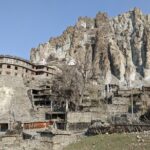
After landing, you meet the trekking crew and transition quickly into Sherpa country. The walk begins near villages with agricultural fields, plus mani stones and prayer wheels—small details, but they set the tone. Then you reach Phakding, and you’re greeted by cool Himalayan air and first real mountain backdrop scenery, including a view of Kusum Kanguru as you move through the early trail.
Practical note for your body: even if you’re not yet “tired,” this day can still feel intense. The flight, the change in altitude, and the early start combine. Take it easy on the first afternoon steps.
Day 2: Namche Bazaar approach—bridges, forests, and your first Everest glimpse
Today is about building altitude slowly and learning the trail’s rhythm. You head toward Namche Bazaar, crossing suspension bridges and tracking along the Dudh Koshi River bank. Along the way, you pass small Sherpa villages and pine forests, which helps break up the climb mentally.
You’ll pass through Monjo and officially enter Sagarmatha National Park, which gives the trek a clear sense of place and protection. Lunch is at Jorsalle, then the path continues uphill through forests.
One thing you’ll remember: crossing the highest suspension bridge in the Everest region. It’s one of those moments where you look down, look up, and feel grateful for every careful step. Then you climb more and finally arrive at Namche Bazaar for an overnight at a tea-house-style lodge.
If you tend to move fast, this is where you should slow down. The goal is to keep your breathing smooth so tomorrow’s acclimatization actually helps.
Day 3: Namche acclimatization—museum, monastery, and Everest viewpoint tea
This is the day that turns the whole trip from possible to comfortable. You wake up in Namche and take a first look toward Mt. Kongde Ri, then settle into an acclimatization plan for your body.
You hike to the Sagarmatha National Park Museum and Khumjung Village. The museum and monastery stops matter because they ground what you’re seeing in local culture and conservation. There’s a notable detail at the monastery: a supposed Yeti scalp. It’s quirky, but it also shows how stories travel alongside the mountains.
You also get to the Everest Viewpoint, and from the museum area you can see a strong cluster of peaks, including Everest, Lhotse, Nuptse, and Ama Dablam. There’s also a stop at the famous Everest Hotel for tea, which is a small moment but a useful one—short pause, warm drink, and a chance to check your energy levels before heading back.
Drawback to consider: even with acclimatization, this hike still takes effort. If you’re feeling breathless, take your time and don’t treat the viewpoint day like a sprint.
Day 4: The Gokyo route split—Pasang Sherpa’s trail and musk-deer odds
After breakfast, you ascend toward the top of Namche Bazaar for another viewpoint, then continue along the trail toward the junction where the routes divide. This is a key decision point: the Gokyo Lakes trek goes one way, and Everest Base Camp goes another.
I like that this day includes named local contribution: the gentle trail toward Kyanjuma was built by Pasang Sherpa, funded by donations from trekkers. It’s a reminder that the trail isn’t just scenery—it’s community work and ongoing maintenance.
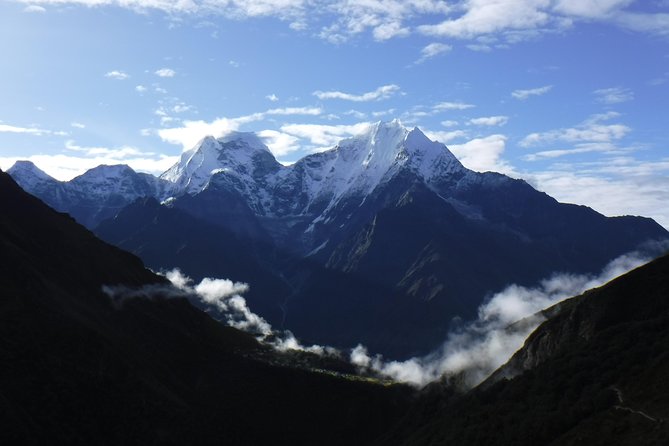
From the junction, you take the Gokyo path up to Mong La Danda. You’ll get strong views of Ama Dablam and Thamserku, then descend to Phortse Thanga for lunch. Between Phortse Thanga and Dole, you have your best chance to spot musk deer—not guaranteed, but it’s one of those “look up, look around” opportunities where patience pays.
The day ends in Dole, a small village with excellent views, plus enough comfort to reset your legs for the climb toward Machhermo.
Day 5: Dole to Machhermo—above the tree line, Cho Oyu appearing early
From Dole, you trek toward Machhermo on a gradual uphill path that takes about four hours. Early on, you can catch sight of Cho Oyu after roughly 15 minutes of climbing, which is a nice morale boost because it means the big 8000-meter views aren’t reserved only for the summit day.
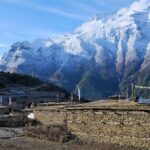
Between Dole and Machhermo you pass two small villages—Lafarma and Luza—where you can rest. As you gain altitude, you’ll reach a point where you’re above the tree line, and the scenery instantly changes. Less forest cover means more sky, more exposure, and often sharper mountain lines.
Machhermo itself is described as quiet and near a river. That matches the vibe you’ll feel on the Gokyo route: less traffic, more space, and a better chance of hearing your own breath.
If you’re sensitive to cold, bring layers you can actually use. Above the tree line, temperature swings can be fast once the sun drops.
Day 6: Gokyo Lakes day—tea breaks, three lake moments, and Ngozumpa Glacier
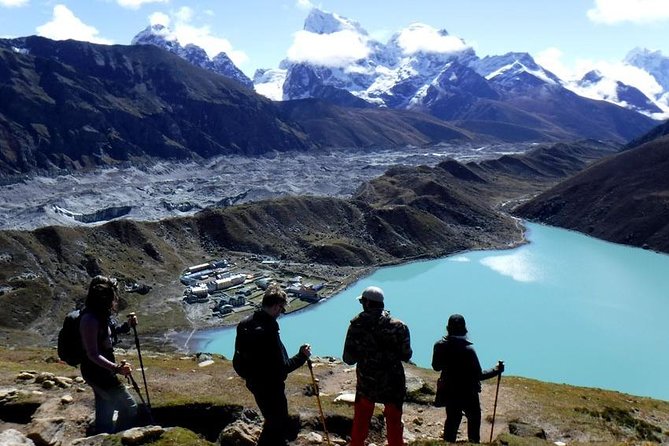
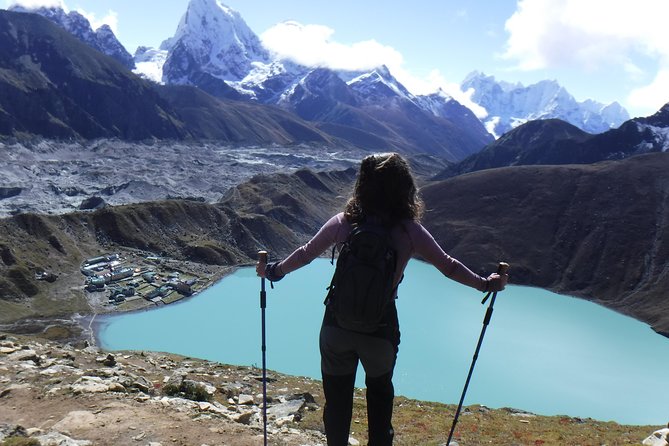
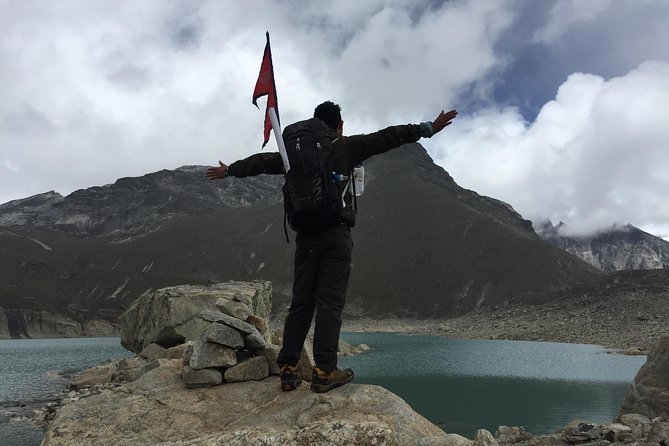
This is the day you’ll talk about later. You start early, and along the way you stop at a village for tea, soaking in the mountains around you. About an hour after that tea break, you reach the first lake, and then you continue to the second lake nearby.
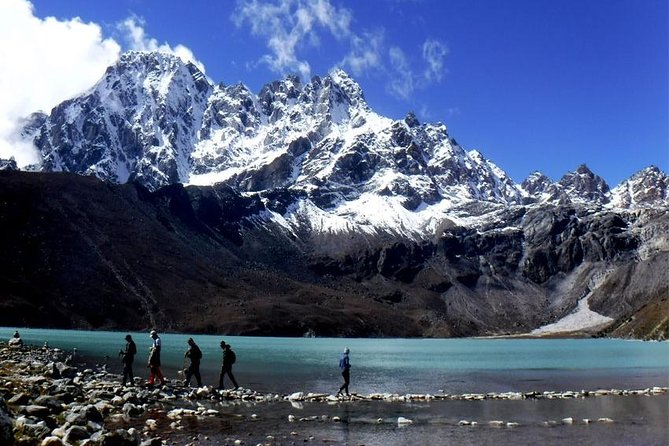
The pacing here matters. You don’t just rush through the lakes—you move step-by-step, giving your eyes time to adapt. The second and third lakes build on the first, and the blue-green water becomes more dramatic as your elevation and viewing angle improve.
After seeing the third lake, you take a lunch break there. You also get a special view of Cho Oyu from this area. Then comes the glacier side of the day: you walk up to the Ngozumpa Glacier, noted as the longest glacier in Nepal. You’ll also see it with a sense of urgency, because it’s melting rapidly due to climate change. That’s not “sad tourism”—it’s an educational reality you can physically stand next to.
Finally, you continue onward to Gokyo Village for the night. This puts you in position for the next morning’s climb.
Day 7: Gokyo Ri sunrise—600 meters that feel like a big reset
This is the highlight that earns its reputation. You’ll start early and push to reach Gokyo Ri before sunrise so you can watch the peaks glow as light spreads.
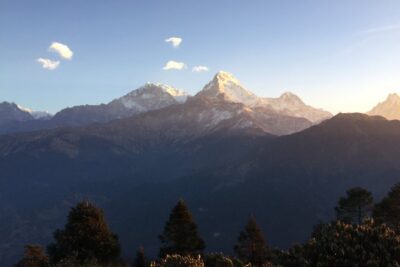
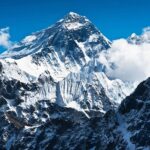
The climb is steep—about 600 meters—and it’s a real workout, not a sightseeing walk. But the reward is a stacked view of four 8,000-meter peaks: Everest, Cho Oyu, Lhotse, and Makalu. It’s the kind of view that makes you forget what day it is, then remember exactly why you came.
After you’re done soaking in the panorama, you head back to Gokyo Village for breakfast. Then you continue down to Machhermo, timing lunch so you’re not stuck in the cold too long.
Tip: sunrise climbs are where a headlamp and warm layers matter. Even if the trail is manageable, the temperature before dawn can test your gear and your patience.
Day 8: Down to Namche—mostly downhill, with one annoying climb
Today is a relief for your legs. You head down to Namche Bazaar, passing through Dole. The trail is mostly downhill, but there’s a catch: about a 40-minute climb from Phortse Thanga to Mong La Danda.
Once that’s done, the rest is comparatively easier as you pass through Kyanjuma and reach Namche. This is also a good day for practical stuff—time to explore and buy souvenirs before you leave the Everest region.
The benefit of doing this day before your final descent is mental. It gives you a buffer: you’re still in the mountains, but you’re not starting over each time. It feels like closing chapters instead of opening new ones.
Day 9: Namche to Lukla—bridges, villages, and saying goodbye
You start with breakfast surrounded by mountain views, then trek down toward Lukla. You’ll get last chances at big sights—there’s a moment when you get a final look at Mt. Everest, then you transition into farewell mode.
The day includes a lot of movement through Sherpa villages and multiple suspension bridges—six in total. After crossing the highest bridge, you walk on to Phakding for lunch, then continue toward Lukla.
By the time you reach Lukla, it can feel like the trek is switching from hard work to a slower kind of celebration. It’s also your last night in the Himalaya before the flights and the ride back toward Kathmandu.
Day 10: Lukla to Manthali to Kathmandu—homecoming with a final mountain blur
You wake up, have breakfast, and walk to Tenzing-Hillary airport for the flight to Manthali. From there, you drive to Kathmandu. The drive is about 5 hours, passing local villages along the way.
This is a nice ending format because it’s not just “take a plane and go.” You still get a transition day where the scenery shifts gradually from high-altitude trekking country back to everyday Nepal life.
And that lines up with an included treat: a post-trek celebration dinner in Kathmandu is part of what you’re paying for.
Price and value: what $1,686.67 likely covers (and what you should confirm)
The price is listed as $1,686.67 per person, with a 10-day duration. What makes the value feel real is that the package includes a lot of the “tiring logistics” you don’t want to manage yourself: transport to and from Tribhuvan Airport, a first aid kit, service charges and government taxes, the Kathmandu celebration dinner, plus meals (listed as 10 breakfasts, 10 lunches, and 9 dinners).
That said, the trek starts with a flight to Lukla and ends with a flight to Manthali. The included list doesn’t explicitly spell out domestic flight coverage, so you should ask the operator what portion of flight costs is included versus paid separately.
Also, altitude trekking has costs you can’t avoid: tea-house nights, and often shower and electronic charging fees. Those are listed as not included, so budget extra for comfort items at altitude.
Why the group size matters: the maximum group size is 15. In practice, this usually means less crowding on the trail and a better chance of keeping a sensible pace with a small team.
The human piece: the kind of support you want in the Everest region
One of the best signals from past experiences is how smoothly the trip runs when the people behind it communicate well. The office contact Kishwor is specifically praised for prompt answers before a trip is confirmed and for making sure the itinerary runs without issues. That matters because the Everest region punishes confusion—if something goes wrong, you want fast, calm problem-solving.
On the trekking side, guides like Lhakpa are described as reliable and fun, while other teams include names such as Sarki Sherpa and Pemba (plus support crews that include Sushant and Prem). Even if your exact crew differs, it’s a good sign that the operator commonly staffs the route with experienced, friendly people who take care of practical details.
As with any trekking company, you’ll still be the one making choices day to day—pace, hydration, layers. But a good support team makes those choices easier.
Should you book this Gokyo Lakes trek package?
Book it if you want high-mountain views that feel earned, plus a trek that shifts away from the busiest Everest routes. The combination of Gokyo Lakes, Ngozumpa Glacier, and a sunrise push to Gokyo Ri is a very strong “value-per-day” lineup.
Consider passing or switching dates if you hate altitude hikes or if you’re very sensitive to cold mornings. Also, the itinerary relies on weather, so plan for possible changes if conditions are poor.
If you like culture as much as scenery—Sherpa villages, the national park museum stop, and time in Namche—you’ll likely find this route hits the right balance.
FAQ
FAQ
How long is the Gokyo Lakes and Gokyo Ri trek?
It’s listed as 10 days (approx.).
Where does the trip begin?
It begins in Kathmandu, Nepal.
Is pickup included in Kathmandu?
Transportation to and from Tribhuvan Airport is included, and pickup is offered.
What is the main highlight besides the lakes?
The sunrise climb to Gokyo Ri (5357 meters / 17,575 feet) is the major highlight.
Do you pass through Namche Bazaar?
Yes. You trek toward Namche Bazaar, have an acclimatization day there, and return later after Gokyo Ri.
Are meals included?
Breakfast and lunch are listed for 10 days each, and dinner is listed for 9 days.
Is international airfare included?
No. International airfare is not included.
Are showers and charging included?
No. Shower and electronic charging fees at guest houses during the trek are not included.
What fitness level do I need?
A moderate physical fitness level is required.
How big is the group?
The maximum group size is 15 travelers.
What if weather is bad?
The experience requires good weather. If it’s canceled due to poor weather, you’ll be offered a different date or a full refund.
What is the cancellation window?
Free cancellation is available up to 24 hours in advance for a full refund.