REVIEW · KATHMANDU
Manaslu Circuit Trek – 14 days of Himalayan Adventure
Book on Viator →Operated by Wonder Himalaya · Bookable on Viator
A less-crowded Himalayan circuit with big views. This 14-day Manaslu Circuit threads through the Manaslu Conservation Area with Mt. Manaslu (8,163 m) in your sightline, plus Tibetan-influenced villages and monastery stops that feel real, not staged. You’ll also be crossing higher ground toward Larkya La Pass, where the mountains start looking bigger than you remembered.
What I like most is the way the trip keeps you supported. You get an experienced licensed trekking guide, and you’ll also have an oxi-meter used to check heart rating and oxygen saturation, which matters when altitude starts calling the shots.
One thing to consider: this is not just a “walk and chat” route. Between the high crossing day and the long travel day back toward Kathmandu, you’ll want to show up ready to move steadily and handle some long hours, even with a moderate fitness level.
In This Review
- Key highlights you’ll feel fast
- Manaslu Circuit: fewer crowds, more mountain time
- Kathmandu meet-up, then a scenic handoff into the trek
- River valley trek days: forests, bridges, and the Budhi Gandaki trail rhythm
- Namrung to Shyala to Sama Gaon: mani walls and big Manaslu energy
- Sama Gaon acclimatization day: rest, Birendra Taal, and monasteries
- Samdo and the higher trail: prayer flags, rockier steps, and oxygen checks
- Bhimtang descent to Kathmandu: relief in your knees, long hours in your day
- Price and value: what $1,099 really covers
- Guides, porters, and how the team keeps the trek human
- What to pack (and what to assume will be missing)
- Who should book this Manaslu Circuit trek
- Should you book Wonder Himalaya for the Manaslu Circuit?
- FAQ
- What’s included in the $1,099 Manaslu Circuit trek?
- Are meals included on the trek?
- What permits do I need for this trek, and are they covered?
- Will I have a guide and oxygen monitoring?
- What fitness level do I need?
- Can I get a full refund if I cancel?
Key highlights you’ll feel fast
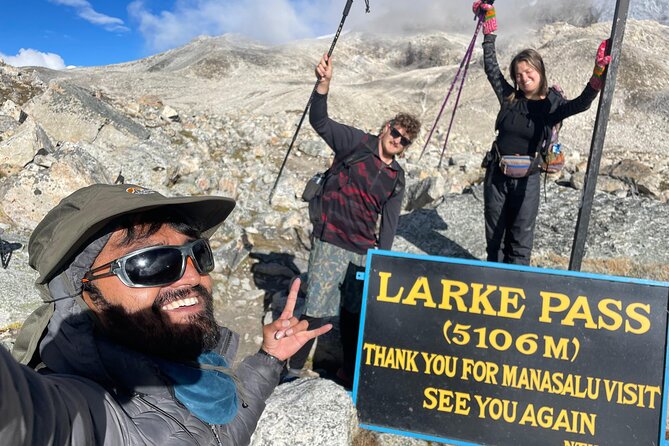
- Manaslu massif views with fewer crowds: the circuit is known as one of Nepal’s more satisfying options without the crush.
- High-altitude support, not just a promise: oxi-meter checks help you pace yourself on the climb.
- Tibetan culture details you can actually see: mani walls, chortens, prayer flags, and monasteries along the way.
- Wildlife and conservation setting: chances to spot Himalayan tahrs, blue sheep, and (rarely) snow leopard in the broader conservation landscape.
- A smart acclimatization day: a rest day at Sama Gaon with a short hike to Birendra Taal and a monastery visit.
Manaslu Circuit: fewer crowds, more mountain time
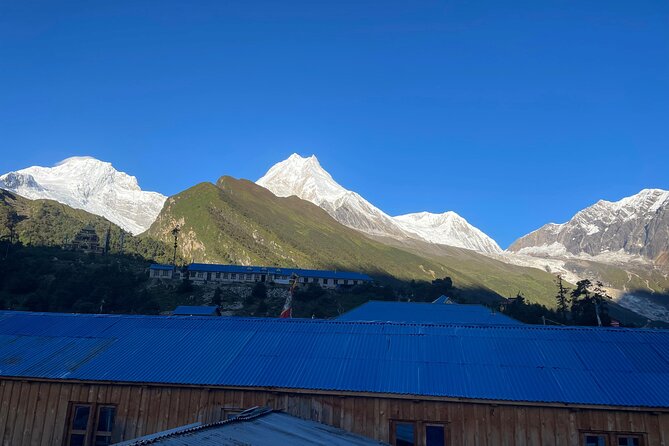
Manaslu Circuit is popular for a reason, but it doesn’t feel like the busiest-ticket trek in Nepal. You’re walking around the Manaslu Conservation Area, with Mt. Manaslu anchoring the backdrop as you gain elevation. That constant visual reference point changes the rhythm of the trek: every climb feels like it’s paying rent.
This route also mixes big views with human-scale travel. You’ll pass Tibetan-influenced villages, Buddhist monasteries, and traditions visible in the everyday details—mani walls, chortens, and prayer flags that mark the trail like signposts. If you like your trekking with cultural texture (not just scenery), this is a strong match.
There’s also an animal-and-conservation angle. The trek is described as being famous for Himalayan tahrs and blue sheep, and it’s in the zone where people may hope for snow leopard sightings. You won’t control wildlife, but you can feel the conservation setting around you.
You can also read our reviews of more tours and experiences in Kathmandu.



Kathmandu meet-up, then a scenic handoff into the trek
Day 1 is a straightforward arrival setup. When you land at Tribhuvan International Airport (TIA), a Wonder Himalaya representative meets you holding a placard with your name. It’s a small thing, but it’s the kind of stress-killer you want after a long flight—get your bearings fast.
From there, the trip settles into motion. Day 2 starts with an early breakfast in Kathmandu and a scenic drive out toward Maccha Khola. The drive route is part of the experience: you’ll pass views of the Trishuli and the Budhi Gandaki River along the way, so you’re already getting that Himalayan river-valley feel before your boots hit the trail.
This structure matters because it keeps you from feeling like you’re rushing. You’re not just thrown onto a trail the moment you arrive; you’re eased into the geography.
River valley trek days: forests, bridges, and the Budhi Gandaki trail rhythm
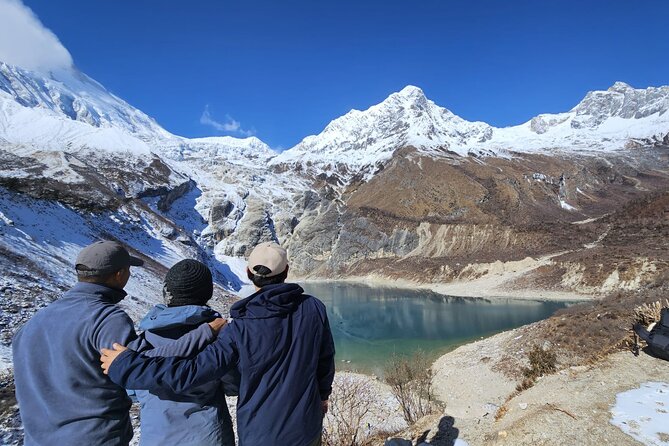
Day 3 begins with your official trek from Maccha Khola onward toward Jagat. The route follows lush subtropical forests and tracks the Budhi Gandaki River. That combination of greenery plus river movement helps when you’re still warming up physically and mentally. It’s steady, scenic, and not overly technical.
Day 4 keeps that “valley walking” energy going, but adds more trail character. Expect dense forests with tall trees and colorful rhododendron. You’ll also cross several suspension bridges swaying above rushing rivers and streams. Bridges sound like a gimmick until you’re there—sudden exposure, moving air, and your brain asking you to stay careful.
By Day 5, the trek shifts more toward village scenery. You’ll start from Deng toward Namrung, passing through Bihi Phedi and Bihi. This is where the trek leans into Tibetan influence, and you’ll start noticing the cultural style that becomes more obvious as you go.
If you like “micro-destinations” on a trail day—villages you can read, not just bedrooms you can sleep in—these river-to-village segments are a good fit.
Namrung to Shyala to Sama Gaon: mani walls and big Manaslu energy
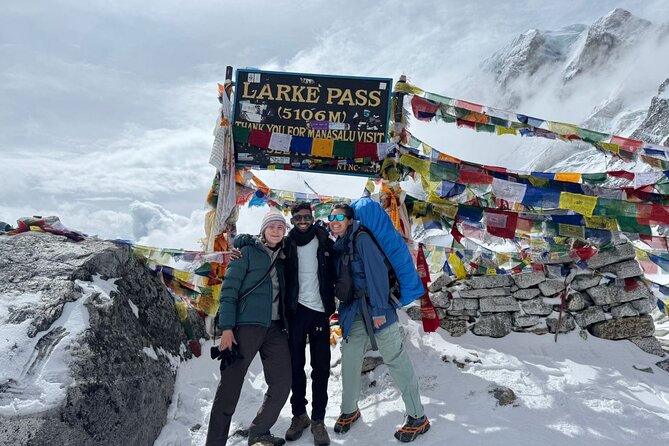
Day 6 runs Namrung to Shyala. The trail climbs through forests of rhododendron and pine, and along the way you pass traditional Buddhist mani walls and chortens. These aren’t random decorations. They’re part of the route’s spiritual geography, and they help you feel the trek is moving through communities, not just wild terrain.
By Day 7 you’ll head from Shyala to Sama Gaon. This section is described as alpine forests and open ridges with breathtaking views of the Manaslu massif. When you reach open ridges, the mountains tend to start looking less like “a view” and more like the main event. You’ll also keep encountering traditional mani walls, so the trail’s cultural markers stay in view as you gain altitude.
This is also a good time to pay attention to pace. Even when it feels like you can power through, the goal is to arrive feeling better than you started. The trip’s design supports that with rest and acclimatization later, but your day-to-day effort still matters.
Sama Gaon acclimatization day: rest, Birendra Taal, and monasteries
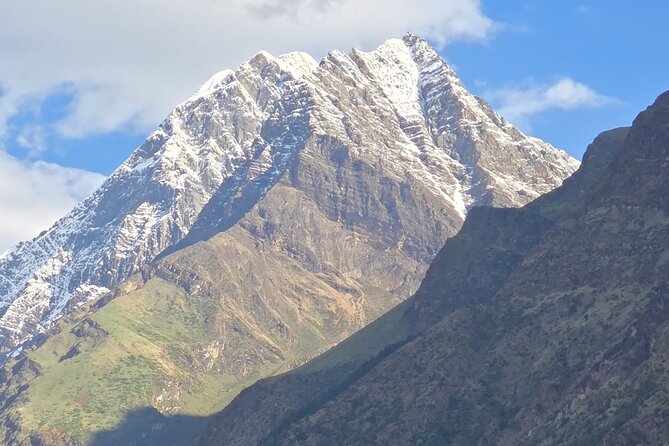
Day 8 is your dedicated acclimatization and rest day in Sama Gaon. Instead of trying to “push to altitude” every day, the itinerary builds a pause into the plan. That’s a real quality-of-experience decision for most trekkers because it reduces the chance you’ll feel wrecked later.
You’ll also take a short-day hike to Birendra Taal Lake, named after Nepal’s late King Birendra. It’s a gentle way to move your legs and still feel like you did something meaningful in the mountains.
The same day includes a monastery visit: Labrang Gompa, also referred to as Kargya Chholing. The itinerary notes monks do blessing ceremonies. Even if you don’t speak the local language, you can still observe how the community practices religion as part of everyday life.
If you’re wondering whether this is a “real rest day” or just a box-check, this one has enough structure that you’ll likely feel physically recovered afterward and mentally refreshed.




Samdo and the higher trail: prayer flags, rockier steps, and oxygen checks
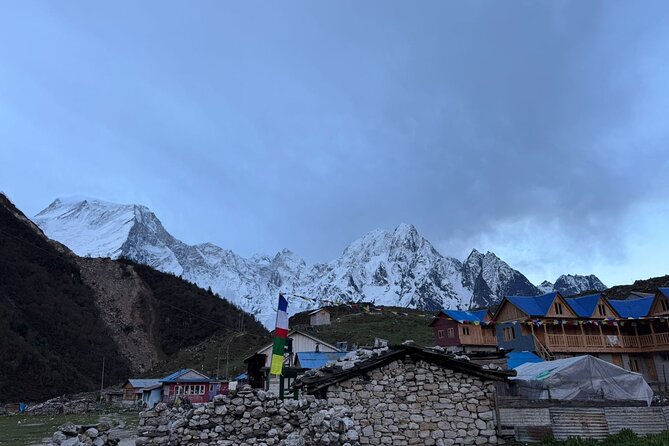
Day 9 heads higher toward Samdo Village, with the Manaslu peak watching over you as you walk. As the route ascends, the terrain becomes more challenging (the plan mentions increasing terrain difficulty and higher altitude dynamics). This is where steady breathing and consistent effort matter most.
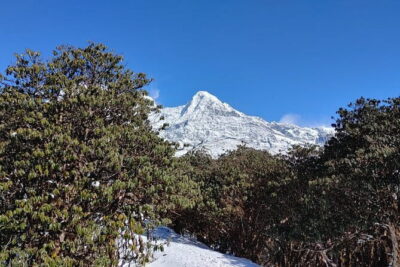
Day 10 continues the climb into rockier trails. You’ll see tall peaks like Manaslu and nearby mountains, and you’ll notice prayer flags fluttering along the way. Prayer flags are not just pretty. They act like a visual thread that helps you sense you’re traveling within a living spiritual landscape.
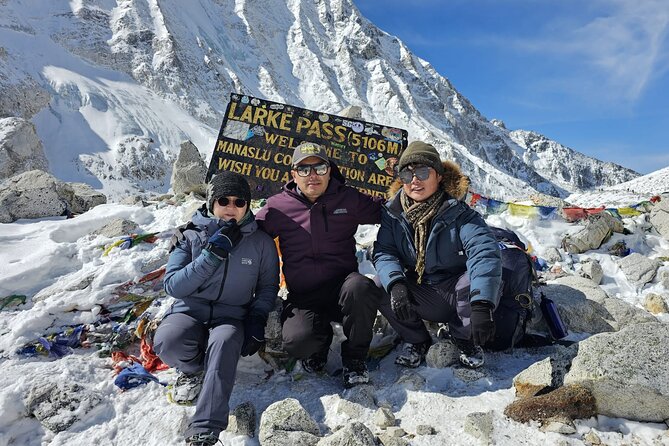
Day 11 is your big crossing day: you start early, cross Larkya La Pass, then descend toward Bhimtang. The itinerary notes crossing small streams early and then later descending through rocky paths and open valleys for several hours. This day is where your earlier rest and acclimatization pay off.
The inclusion of an oxi-meter is one of the more practical features on paper. It helps you and your guide track oxygen saturation and heart rate so your pace isn’t just a guess. That doesn’t remove altitude risk, but it supports smarter decisions when you’re already tired.
Bhimtang descent to Kathmandu: relief in your knees, long hours in your day
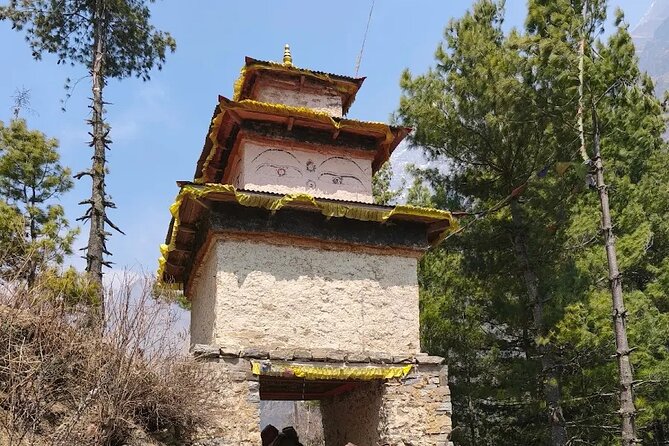
Day 12 starts with an early breakfast in Bhimtang, then a descent into lower elevations. The route moves through pine and rhododendron forests, with occasional glimpses of distant mountains. Descents can be tough on knees, but lower elevation usually helps your breathing stabilize. You’ll likely feel both relief and the need to protect your legs.
Day 13 brings a long journey back to Kathmandu. First, you’ll drive by jeep to Besisahar. You’ll also be traveling through rough roads, with the beauty of the region seen from the window. Then you’ll continue to Kathmandu, finishing with enough time to regroup rather than arriving at the airport immediately.
By Day 14 you’re done trekking. The day ends with farewell and a transfer to Tribhuvan International Airport. This is the kind of finish that keeps your body from feeling like it has to sprint to the last moment.
Price and value: what $1,099 really covers
At $1,099 per person for about 14 days, the price makes more sense when you see what’s included. You get core logistics handled: public transportation for key segments (Kathmandu to Machikhola, Tilche to Besisahar, and Besisahar to Kathmandu) and a representative meet-up on arrival.
You also get permits covered: Manaslu Conservation Area Permit, Annapurna Conservation Area Permit, and a Restricted Area Permit. On many treks, permits can feel like an afterthought—here they’re treated as part of the plan, which protects your time and reduces paperwork stress.
Food and gear are also baked in. The itinerary includes lunches and dinners for most days (11 each) and breakfasts (13). You also get trekking equipment support: a down-filled sleeping bag and walking poles. Add in the oxi-meter, trekking route map, and a licensed guide, and the trek starts looking like you’re paying for safety, pacing support, and fewer gaps.
What’s not included matters for budgeting. Coffee/tea, alcohol, bottled water, snacks, and personal expenses are extra. Electronic device re-charge is also not included, so plan for power needs.
If you’re comparing offers, use this list as your measuring stick. If another price is lower, ask what they drop. If another price is higher, ask why it’s higher and whether you’re paying for more inclusions or more comfort that you’ll actually use.
Guides, porters, and how the team keeps the trek human
Wonder Himalaya’s approach shows up in the details: experienced licensed guides, strong porters, and a support crew. That matters because a trek like this is not only about views. It’s about keeping the day moving in a safe, calm way.
The guide names in the feedback give you a real sense of what kind of leader you might get. Niranjan is mentioned as the person who helped match the best offer to preferences. Guides named Santosh and Pradip are praised for caring for the group and noticing if anyone falls behind, then waiting or searching for them. That’s exactly the kind of behavior you want on a pass day, when attention and patience make the difference.
Also, the itinerary includes an oxi-meter for checking oxygen saturation and heart rating. That’s not a guarantee against altitude issues, but it’s a practical tool that helps your guide make better calls about pace and rest.
If you’re traveling alone, this kind of team setup can help. One review notes someone came to Kathmandu alone and still found everything perfect with the agency and guide.
What to pack (and what to assume will be missing)
Even with down sleeping bag and walking poles provided, you still need to manage your daily comfort. The trek plan notes that coffee/tea, snacks, bottled water, and alcohol are not included. You’ll also need personal expenses and coverage for travel insurance and medical evacuation (not included).
Because the days include a major high crossing (Larkya La Pass) and long travel time, pack for three things: warmth, dryness, and steady movement.
Practical packing mindset:
- Warm layers for early mornings and higher elevation.
- Gloves/hat and a layer that blocks wind for colder sections.
- A daypack for water, snacks, and the stuff you’ll want immediately.
- Your own refillable water strategy, since bottled water is not included.
- Charging plan, because electronic device re-charge isn’t covered.
One more note: the itinerary says service animals are allowed. It doesn’t say anything about pet policies or extra fees, so if that applies to you, you’ll want to ask directly.
Who should book this Manaslu Circuit trek
This tour fits best if you:
- Want a moderate physical fitness trek with clear pacing and a built-in acclimatization day.
- Care about Tibetan Buddhist culture details like mani walls, chortens, monasteries, and prayer flags.
- Like mountain views without the feeling that every stop is overcrowded.
- Appreciate safety support tools like an oxi-meter and an experienced licensed guide.
You might want to reconsider if:
- You’re not comfortable with a long crossing day and a longer drive day back toward Kathmandu.
- You rely on included bottled water, snacks, or in-cabin device charging, because those are not included.
- You don’t want to plan around travel insurance and medical evacuation on your own.
Should you book Wonder Himalaya for the Manaslu Circuit?
If you’re aiming for a classic Manaslu experience with real support, this one is worth a look. The mix of permits covered, meals included, trekking gear support (down sleeping bag and poles), and the oxi-meter for oxygen and heart-rate checks is a strong base for value.
I’d book it if you want a route that’s less crowded, rich in Tibetan-influenced village moments, and structured with an acclimatization day in Sama Gaon. I’d pause if you dislike long travel days or if you expect more on-the-spot extras like snacks, tea/coffee, or bottled water included in the price.
FAQ
What’s included in the $1,099 Manaslu Circuit trek?
The price includes public transportation for Kathmandu to Machikhola, Tilche to Besisahar, and Besisahar to Kathmandu; entrance fees for the Manaslu Conservation Area Permit, Annapurna Conservation Area Permit, and a Restricted Area Permit; an experienced government registered trekking guide; an oxi-meter to check heart rating and oxygen saturation; trekking equipment including a down-filled sleeping bag and walking poles; a trekking route map; lunches (11), dinners (11), and breakfasts (13). It does not include coffee/tea, alcohol, bottled water, snacks, personal expenses, travel insurance, medical evacuation, or electronic device re-charge.
Are meals included on the trek?
Yes. Lunch is included 11 times, dinner is included 11 times, and breakfast is included 13 times, based on the trek’s provided schedule.
What permits do I need for this trek, and are they covered?
This experience includes entrance fees for the Manaslu Conservation Area Permit, Annapurna Conservation Area Permit, and a Restricted Area Permit.
Will I have a guide and oxygen monitoring?
Yes. You’ll have an experienced government registered trekking guide, and the trip includes an oxi-meter to check heart rating and oxygen saturation.
What fitness level do I need?
The trek is listed as moderate physical fitness, and it notes that moderate physical fitness trekkers can easily accomplish it.
Can I get a full refund if I cancel?
Yes. There is free cancellation. You can cancel up to 24 hours in advance for a full refund, and the policy states cut-off times are based on the local experience start time.