REVIEW · MEDAN
2 Days 1 Night Ethical Jungle Trekking
Book on Viator →Operated by Sumatra Orang Utan Treks · Bookable on Viator
Jungle nights in Sumatra feel different. This Gunung Leuser National Park trek pairs long rainforest walks with the kind of river camping experience that’s hard to fake anywhere else.
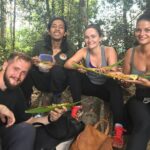
I love how this trip keeps the focus on the trail, not logistics. Breakfast, lunch, and dinner are handled, so you can spend your energy on spotting wildlife and getting your body into “hike mode.” I also love the small-group feel, with a maximum of 6 people, and guides who go hard on staying safe and finding animals.
The main consideration is effort: expect roughly a 6–7 hour trek on day one, in hot, humid jungle conditions. If you’re not into all-day walking, this may feel like too much.
In This Review
- Key highlights you’ll actually care about
- Entering Gunung Leuser: what this trek really feels like
- Day 1: a 6–7 hour jungle trek from your first morning
- Day 1 details: wildlife odds and what “safe” looks like in practice
- Dinner and the river night: the overnight camping part that changes everything
- Day 2: breakfast, jungle learning, and the herbal medicine walk
- Returning: walk out or go tube rafting down the river
- Guides and orangutan spotting: why names like Dedy and Sandi matter
- Small group size and private setup: better attention in the forest
- Price and value around $207.79: what you’re paying for
- Who this trek suits best (and who should think twice)
- Should you book this 2 Days 1 Night jungle trekking experience?
- FAQ
- FAQ
- How long is the 2 Days 1 Night trek?
- Where does the experience start and end?
- What’s the daily walking time like?
- Are meals included?
- Is admission to Gunung Leuser National Park included?
- Is tube rafting included, or is it optional?
- Is transportation from Medan included?
- What’s the group size?
Key highlights you’ll actually care about
- Overnight camping by a river near Bukit Lawang, so day two starts fresh and quiet, not rushed
- Meal plan included (breakfast plus lunch and dinner), which makes this a better-value jungle stay
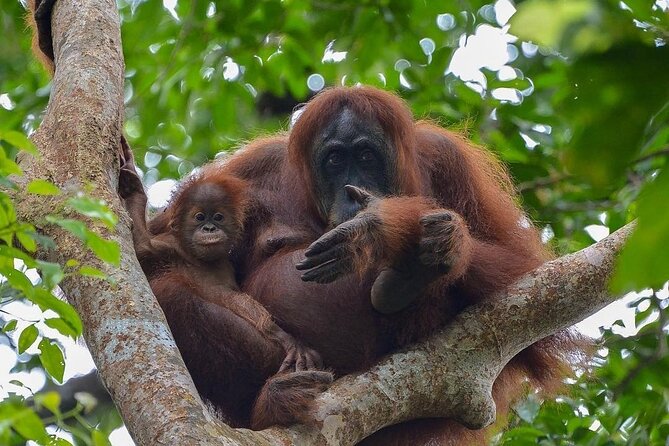
- Orangutan and monkey chances through Bukit Lawang Mountain access, with sightings only if you’re lucky
- Tube rafting optional for your return, letting you choose between walking out or taking the river way
- Guides matter, with named guides like Dedy and Sandi praised for safety and orangutan spotting skills
Entering Gunung Leuser: what this trek really feels like
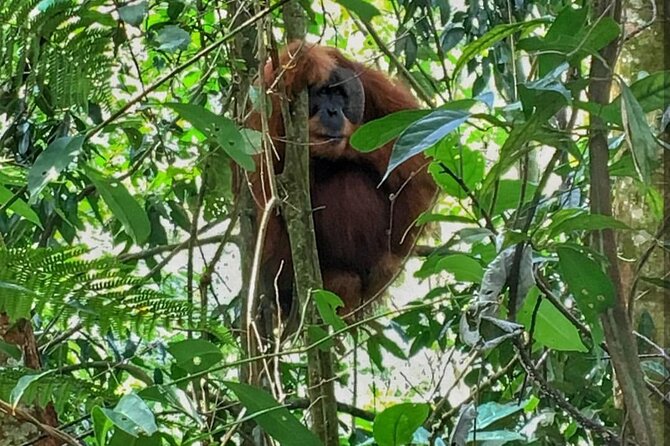
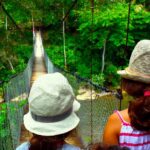
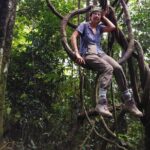
Gunung Leuser National Park is one of those places where the jungle doesn’t sit politely in the background. It’s right there with you—hot air, heavy leaves overhead, and a constant sense that you’re in the animals’ home, not a theme park.
This tour is built around two full days of moving through parts of Bukit Lawang Mountain on the eastern side of the park. You’re not doing a quick “see it and leave” walk. You’re doing an overnight trek, then heading back the next day. That change in pace is what turns a daytime wildlife outing into something more memorable.
The vibe is also practical. You’re not wondering where your next meal comes from or juggling extra snacks. And because it’s a maximum of 6 travelers, you’re less likely to feel like you’re hiking inside a crowd.
One more thing: park entry is described as free for this experience. Even if you don’t obsess over the paperwork, it’s nice when the biggest “gotchas” are handled.
You can also read our reviews of more tours and experiences in Medan.
Day 1: a 6–7 hour jungle trek from your first morning
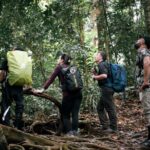
Your day starts with breakfast at 8:30 am, followed by a guide meeting you at your hotel. From there, you’ll head into the jungle for roughly a 6 to 7 hour trek.
That time window matters. It’s long enough that you’ll feel it in your legs by late afternoon. But it’s also long enough to give guides time to adjust to what’s happening in the forest. In a wildlife-focused trek, timing is everything—animals don’t show up on your schedule, and jungle conditions shift quickly.
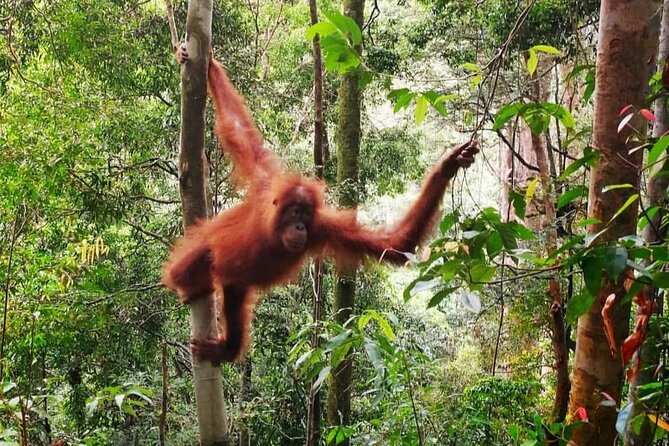
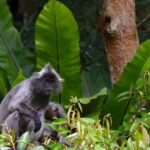
What I like about the way this is structured is that it’s not just “walk until end.” The experience is explicitly geared toward wildlife watching—orangutans and resident monkeys are the big ones mentioned. When the tour description says if we are lucky, that’s your heads-up: you’re not buying a guarantee. You’re buying time and effort in the right habitat.
Also, the tour is private. Even with that small max of 6, it’s not set up like a cattle-call. In practice, that usually means the guide can keep an eye on the group more closely—especially important on trails where footing and footing pace can change.
Practical advice before you go: wear shoes you trust on uneven ground. Jungle trekking isn’t the place for brand-new soles.
Day 1 details: wildlife odds and what “safe” looks like in practice
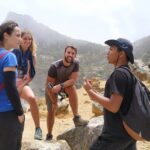
You’ll spend hours surrounded by sounds you can’t fully identify—calls from birds, movement in leaves, the occasional snap or rustle that makes you look up fast. Guides like Dedy are specifically mentioned for keeping people safe and moving with confidence in the jungle. That shows up as practical behavior: pacing that fits the terrain, staying organized, and not letting the group get stretched out.
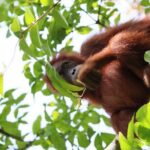
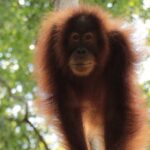
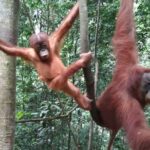
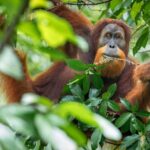
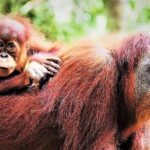
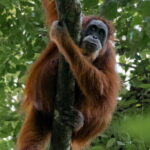
If you’re hoping for orangutans, the best thing you can do is manage your expectations and keep your eyes open. In feedback tied to this route, people have counted multiple orangutans during the trek—numbers like eight and even nine come up, including mom-and-baby situations. Those aren’t things you can demand, but they are proof that this area can deliver real encounters when you’re in the right place at the right time.
One more realistic point: your “best sightings” may come from patience more than sprinting after a rustle. When a guide spots movement, it’s usually about quiet observation and being in position rather than chasing.
Dinner and the river night: the overnight camping part that changes everything
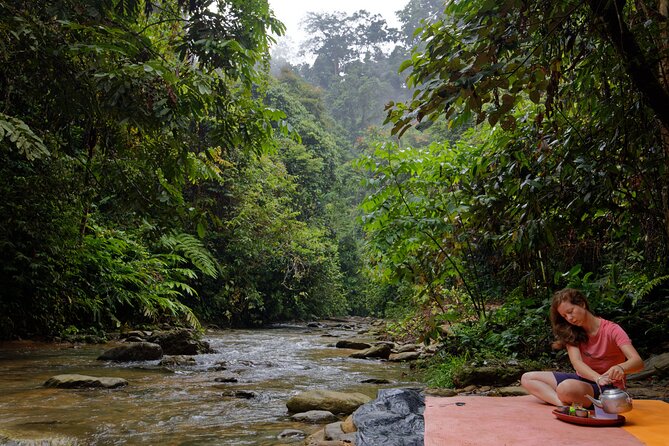
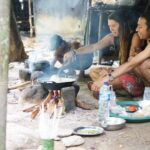
After day one, you’ll camp for one night next to a river. That single detail is a big deal. Rivers turn the jungle from a daytime setting into a night setting, because you get sound all around—water running, occasional wildlife activity, and a cooler air pocket than you might expect inland.
This isn’t just a break between walks. Camping is part of the experience. And since dinner is included, you’re not trying to find food after a long trek. Your energy goes into resting and recovering instead of searching.
What makes river camping feel authentic here is the basic rhythm. You go into the forest, then you return to a natural landmark rather than a paved base. If you’re the type who enjoys quiet moments—listening more than talking—this is where that side of travel shows up.
The trade-off is comfort. The provided information doesn’t list upgrades like private bathrooms or hotel-style amenities, so assume it’s jungle camping. If you need a soft bed and easy modern conveniences, you may find the overall feel more rugged than you want.
Day 2: breakfast, jungle learning, and the herbal medicine walk
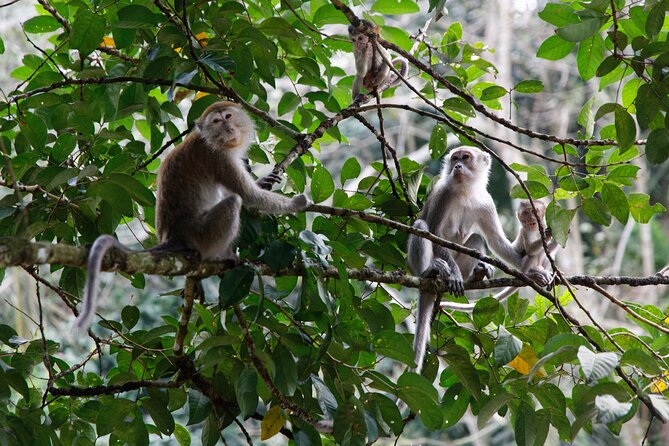
Day two begins with breakfast provided by Team Bukit Lawang Planet, and then you’ll continue walking into the jungle again.
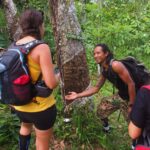
Here’s a unique part: you’ll learn about forest plants that can be used as herbal medicine. That turns the second day from pure sightseeing into something educational and hands-on.
Even if you don’t remember every plant name, this kind of walk gives you a new way to look at the forest. Instead of seeing everything as “green,” you start noticing patterns—how leaves grow, which plants stand out, and why local knowledge matters. In a jungle ecosystem, the details are the story.
As on day one, you also have another round of wildlife chances. The tour description points toward orangutans and resident monkeys, again framed with if you are lucky. So keep your eyes open, but stay mentally flexible. A successful day is often defined by what you spot, not by how hard you push for a specific animal.
Also keep in mind the second day starts after the first day’s effort. Mentally, it helps to think of day two as steady walking plus learning—not an all-out hike.
Returning: walk out or go tube rafting down the river
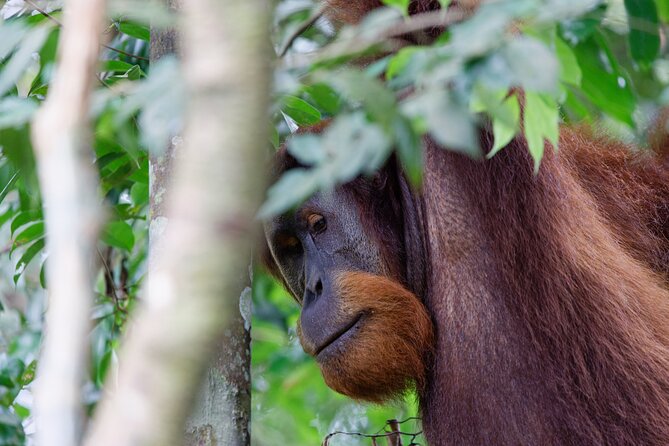
Getting back can be either on foot or by tube rafting down a river. You’ll be offered both options, and you can choose based on your comfort and energy level.
Walking out is the more “active” option. If your legs still work and you want to stay in jungle mode a bit longer, it’s a good fit.
Tube rafting is the more “fun break” option. The river run gives you a change of pace after two days of trekking, and it can feel like the experience’s reward moment. Just remember: your comfort may depend on water conditions and how your body handles a bumpy ride.
My practical take: if you’re already feeling beat up, rafting can help you finish the trip without turning the last hours into survival mode. If you want control over your pace and don’t like sitting still on moving water, walking out may feel better.
Either way, you end back at the meeting point area.
Guides and orangutan spotting: why names like Dedy and Sandi matter
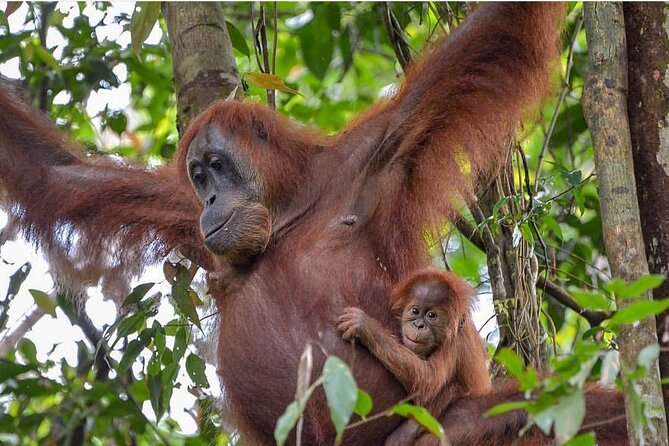
Wildlife treks live or die on the guide’s skill set. Here, that shows up in feedback that specifically calls out guides by name—Dedy for safety-focused guiding and Sandi for orangutan knowledge and spotting ability.
That matters because orangutans aren’t sitting on a billboard. Guides need to read the forest: movement patterns, likely feeding areas, and subtle signs that you’re near an animal even before you see it. Sandi is described as extremely knowledgeable about orangutans, with sightings including moms and babies. That kind of detail usually comes from experience and careful observation, not luck alone.
If you want to maximize your chances, pay attention to how your guide asks you to move. You’ll usually get better viewing when people follow instructions closely—slower pace, quiet observation, and holding position when the guide calls for it.
And safety matters here. Jungle terrain is uneven, and you’ll likely be dealing with slippery spots during humid weather. Dedy’s safety focus is specifically mentioned, which is exactly what you want from a guide in this kind of environment.
Small group size and private setup: better attention in the forest
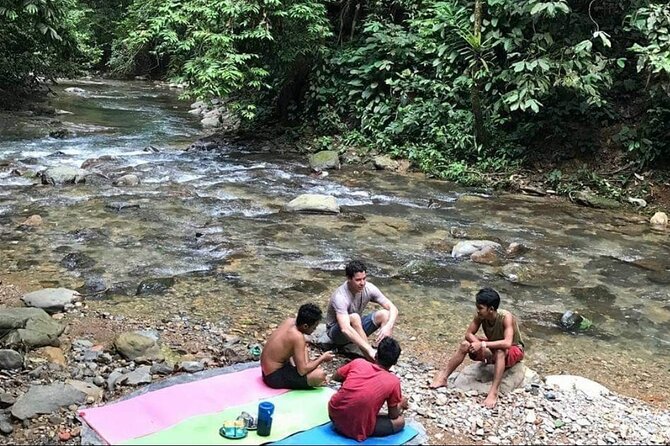
The tour caps at 6 travelers. That’s not a tiny number, but it’s small enough that a guide can manage attention and spacing. In wildlife areas, that makes a real difference.
Here’s why: with fewer people, it’s easier to keep the group together on narrow or uneven trails, and it’s easier to stop and look without creating a traffic jam behind you. You also have a better chance of asking questions in a way that actually gets answered, especially during the plant-learning portion.
The fact that it’s private overnight trekking also supports a smoother flow. You’re not waiting for others to finish photos or catching up after someone lags behind.
It’s also a good sign for travelers who want a more personal experience without turning it into a solo-for-everything situation.
Price and value around $207.79: what you’re paying for
At about $207.79 per person, this trek lands in a mid-range bracket for a two-day jungle experience with an overnight stay. The value isn’t just the “overnight” label. It’s what’s included.
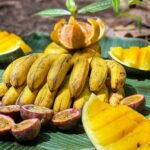
Meals are built in: breakfast, lunch (2), and dinner. That’s a concrete cost you don’t have to estimate, buy, or carry. Admission is listed as free for this experience, which reduces surprise fees.
You’re also paying for time and local expertise: guided treks, camping arrangement next to a river, and the return method (walk or tube rafting). Even with a simple structure, the guide and staff effort across two days is real.
What’s not included: private transportation pickup from the airport or from Medan city may have a fee. Pickup is mentioned as offered, but you should plan for that extra cost if you’re not already close to Bukit Lawang.
If you’re comparing options, this is the kind of trip that can look pricier on paper but becomes fair once you count meals and included park entry.
Who this trek suits best (and who should think twice)
This is a strong match for you if:
- You want a real overnight jungle experience, not a day trip.
- You’re excited about orangutans and monkeys, and you’re okay with sightings being luck-based.
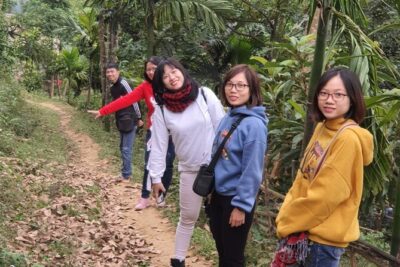
- You prefer a small group and guides who handle safety and navigation.
- You like learning on the trail, especially the herbal medicine plant talk.
Think twice if:
- You need a low-effort vacation. A 6–7 hour hike on day one is part of the deal.
- You expect hotel-level comfort. This is camping next to a river.
- You hate any uncertainty. The tour is clear that sightings depend on luck.
Most travelers can participate, but your comfort depends on your willingness to walk and sit through an active couple of days.
Should you book this 2 Days 1 Night jungle trekking experience?
I’d book it if your goal is a focused, guided, overnight rainforest stay with wildlife chances and meals already sorted. The small group cap, included food, and the river-camping night make it feel like you’re actually going into the jungle—not just passing through.
I would hesitate only if you’re sensitive to physical effort or you’re expecting a soft-comfort setup. The trek is long enough to matter, and camping is part of the experience’s authenticity.
If you’re craving a Sumatra story you can’t recreate at home, this one is built for that.
FAQ
FAQ
How long is the 2 Days 1 Night trek?
It’s scheduled for 2 days (about 2 days total), with one overnight camping night.
Where does the experience start and end?
It starts at the meeting point in Bukit Lawang, at Jl. Orangutan, Bukit Lawang. It ends back at the same meeting point.
What’s the daily walking time like?
On day one, you’ll trek for roughly 6 to 7 hours.
Are meals included?
Yes. Dinner, breakfast, and lunch (2) are included.
Is admission to Gunung Leuser National Park included?
The tour notes an admission ticket as free.
Is tube rafting included, or is it optional?
Tube rafting is an option for your return journey, along with returning on foot.
Is transportation from Medan included?
Pickup is offered, but any private transportation pickup fee from the airport or Medan city is not included.
What’s the group size?
The experience has a maximum of 6 travelers.