REVIEW · KATHMANDU
Langtang Valley Trek
Book on Viator →Operated by Nepal Social Treks and Expedition · Bookable on Viator
Langtang Valley hits a sweet spot: big Himalayan views without technical climbing. I love how this trek mixes Tamang village life with glacier scenery inside Langtang National Park, and I love the day-trip energy of the route—especially the hike to Tserko Ri for sunrise views. One possible drawback: the long Kathmandu drive days on both ends mean you’ll want to treat day 1 and day 8 like part of the trek, not just travel.
What makes this trip feel well run is the human side. Nepal Social Treks and Expedition assigns a professional trek guide, and past trekkers have praised guides such as Santabir, Sandip Aryal, Yadu, and Madan for being attentive and adaptable (including helping when plans or baggage caused hiccups). You also get practical support: a first aid kit, permits handled as part of the package, and lodge trekking logistics built in.
For value, I like that you’re not paying extra for the basics. Lodges, meals (breakfast each day; dinner most days; lunch on trekking days), airport transfers, transport to/from the trailhead, and even trekking gear like a sleeping bag and duffel are included. You’ll still need to budget for visa fees and personal spending, and since a porter isn’t included, you’ll carry your own load.
In This Review
- Key things that make this Langtang trek worth your time
- Langtang Valley Trek: glacier views without technical climbing
- Getting to Syabrubesi: the 7-hour Prithvi Highway intro
- Day 2 trek toward Lama Hotel: suspension bridge, oaks, and teahouses
- Day 3 to Langtang village and Mundu: waterfalls, yaks, and old houses
- Day 4 to Kyanjin Gompa: Buddhist details and yak pastures
- Day 5 Tserko Ri hike: the highest payoff and yak cheese stop
- Day 6 return through Ghoda Tabela: faster descent, same river trail
- Day 7 back to Syabrubesi: oak and rhododendron shade again
- Day 8 drive back to Kathmandu via Thamel: end-of-trek decompression
- Lodges, meals, and the gear that’s actually useful
- Price and logistics: what $860 really buys you
- Who should take this trek (and who should rethink it)
- Book it or skip it: a quick decision checklist
- FAQ
- How long is the Langtang Valley Trek?
- Where does the trek start and end?
- What’s included in the package price?
- Are airport transfers included?
- Do I need to pay for a porter?
- Do I need a Nepal visa?
- Can I cancel for a full refund?
Key things that make this Langtang trek worth your time
- Kyanjin Gompa: a standout monastery stop with Buddhist prayer details and yak-pasture pacing
- Tserko Ri sunrise hike: the highest point of the trek, built for a proper payoff
- Old village reminders at Mundu: places that show how the valley has been rebuilding since 2015
- Teahouse trekking with real rhythm: oak and rhododendron shade, village stops, and manageable daily hours
- Guides who adjust: feedback highlights guides like Santabir and Sandip Aryal for care and responsiveness
- Value that goes beyond the hike: permits, transport, lodge stays, and key gear included in the price
Langtang Valley Trek: glacier views without technical climbing
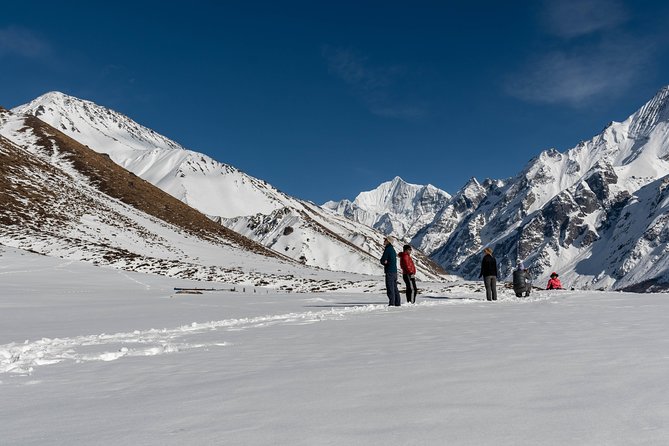
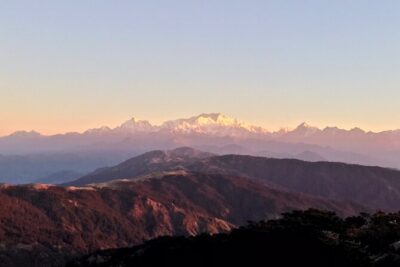
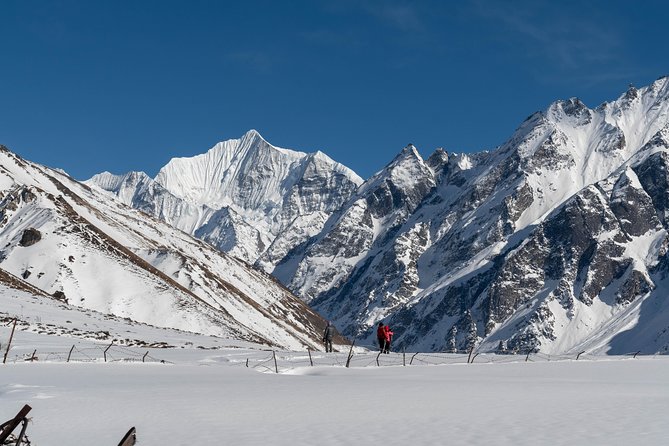
Langtang is often called the Valley of Glaciers, and the name fits. You’re not doing rope work, crampons, or scary ledges. Instead, the trek leans on steady hiking, high-enough elevation for dramatic mountain views, and a route that feels like a living valley—villages, monasteries, water mills, prayer flags, and yaks in the pastures.
This area also matters beyond scenery. After the 2015 Nepal earthquake, Langtang’s communities and lodges suffered hard. On this trek you’ll pass through spaces that still feel like reminders, especially around Mundu, where older houses remain as a contrast to the newer lodge and home styles you’ll see along the way. That gives the trek extra weight: you’re walking through a place that’s healing, not just visiting a postcard.
The other big “why” is proximity to Kathmandu. The trailhead is reachable with a long but straightforward road journey, and the total duration is only about 8 days. If you’re time-limited but still want genuine mountain trekking, this is one of the more practical picks.
You can also read our reviews of more tours and experiences in Kathmandu.
Getting to Syabrubesi: the 7-hour Prithvi Highway intro
Day 1 is a proper transfer day, around 7 hours driving from Kathmandu to Syabrubesi (with the trek’s gateway services waiting there). Most of the drive follows the famous Prithvi Highway, rolling through terraced farms, green hillsides, and occasional views that cue you in to what’s coming.
A nice detail here is that Dhunche appears along the route—Dhunche is the administrative headquarters of Rasuwa District. You also pass through places like Galchi and Trishuli Bazaar before reaching Syabrubesi. That matters because it breaks up the “big jump” from city life to remote hiking. It feels less like you vanish into the mountains, and more like you gradually trade traffic for trails.
Syabrubesi itself is the base village for most Langtang treks. Expect basic trekking infrastructure: guesthouses, hotels, restaurants, shops, and ATMs. For your first evening, it’s useful to do two things: eat something simple and early (so you’re not rushing later), and confirm your packing system so your day-to-day trail routine is smooth.
Practical tip: plan to treat day 1 as part of the effort. Even though it’s road time, your best trek start is a calm evening, not last-minute scrambling.
Day 2 trek toward Lama Hotel: suspension bridge, oaks, and teahouses
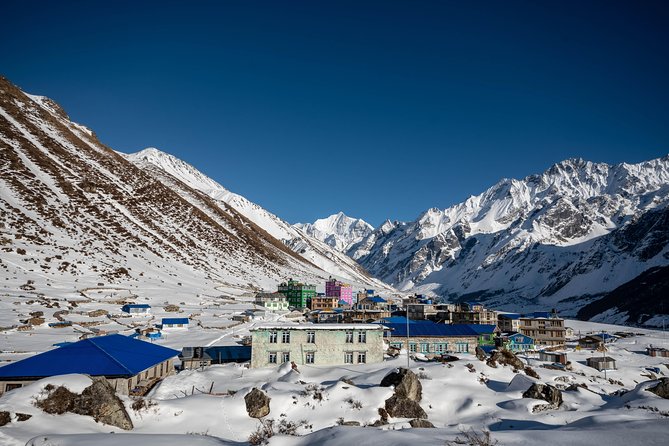
On day 2, you start with breakfast early, then move into the trail proper. The first moment I’d watch for is the small suspension bridge over Ying Yang Khola. It’s quick, but it sets the tone: you leave the main road behind and step into a narrow trekking route that follows Langtang Khola.
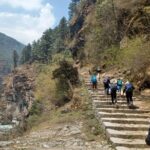
The hiking style here is gradual switchbacks—steady rather than punishing. You’ll hike through areas lined with oak and rhododendron trees for much of the day, and that means shade and a cooler-feeling walking rhythm, especially if the weather is warm. It’s also a day where you might spot wildlife—reports highlight exotic birds and langurs.
Along the way you pass multiple small teahouse settlements: Tiwari Gaon, Bamboo, and Rimche. Teahouses are where you slow down, refill water (depending on what’s available), and reset. They also give the trek a social texture. Even if you’re traveling solo, the rhythm of the valley makes your day feel connected, not lonely.
The only real “consideration” on day 2 is after Rimche, when the trail becomes relatively steep before you reach Lama Hotel. That steep section is short enough to manage, but it’s a good reason to pace yourself early and not start fast just because the morning feels easy.
What to aim for: a steady effort that keeps your breathing controlled. Save energy for later days where you’ll be moving toward village viewpoints and monastery sites.
Day 3 to Langtang village and Mundu: waterfalls, yaks, and old houses
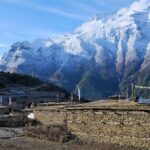
Day 3 pushes deeper into the valley’s character. The route heads toward Langtang village, described as a rocky hillside with cascading waterfalls and occasional glimpses of Langtang Lirung. Even on a walking day, you get that steady “peek and reveal” effect—mountain views that appear between turns rather than one permanent panorama.
You’ll follow the Langtang River uphill past yak pastureland at Ghoda Tabela. This stretch is a visual shift: the valley opens to wider grazing views, with yaks and the Langtang Range showing up more clearly.
Then you reach the Tamang village of Langtang. Tamang culture is part of why this trek feels more than just a hike to scenery. You’ll pass villages and monasteries, with the sense that the trail is part of daily life here.
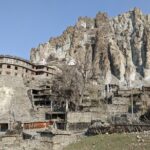
After that, Mundu is only about a 30-minute walk away. This is one of the most meaningful stops for understanding the valley’s recent past. Old houses in the Mundu area serve as reminders of what the villages used to look like. Yet you’ll also see that many lodges and homes are now built in a more contemporary style. That contrast gives the day emotional weight without turning the trek into a history lecture.
If you like photography: Mundu is where you’ll want to slow down. The mix of old and new has a strong visual story.
Day 4 to Kyanjin Gompa: Buddhist details and yak pastures
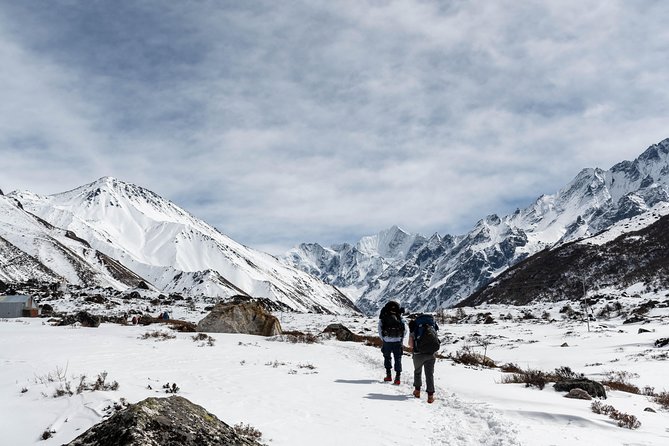
Day 4 is one of the trek’s major cultural-and-view payoffs. You leave Mundu behind and head toward Kyanjin Gompa along a gentle incline through yak pastures. The valley opens up more here, and the views feel less “peeking” and more like a widening stage.
Along the way, you pass villages, water mills, and chortens. Chortens (Buddhist monuments) and prayer decorations are not just decoration on this route—they’re part of how the valley marks meaning in everyday space. You’ll see prayer flags and prayer-wheel details and little dwellings built by locals.
Kyanjin Gompa itself is described as extremely important to locals, and when you arrive you get time to relax in the afternoon. If you feel good and want one more dose of scenery, there’s an optional idea: check out Langshisha Kharka up the valley for more breathtaking views.
Practical note: even though day 4 is shorter than some other days (about 5 hours walking), the altitude and ongoing effort still matter. Plan for a real rest afternoon, not a rush.
Day 5 Tserko Ri hike: the highest payoff and yak cheese stop
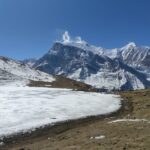
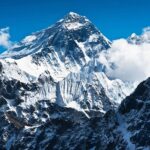
This is the big day. You hike up to Tserko Ri, the highest altitude point on the trek, and the reward is built into the timing: there’s mention of a spectacular sunrise and breathtaking Langtang range views at the top.
You’ll pass through pastures with yaks as you climb. That detail matters because it usually means the landscape stays lively and textured rather than barren and empty. Expect a full-effort hiking day—about 10 hours in total—then a descent back to Kyanjin where you can explore the village.
One fun, practical add-on: you can visit a local yak cheese factory in Kyanjin, try yak cheese, and even buy it. This is the kind of stop that turns the day from just “views, views, views” into something you can taste and remember.
Who will love this day: anyone who wants at least one truly memorable altitude-moment but doesn’t want technical mountaineering.
Who should be cautious: if sunrise hiking pushes your limits, you’ll want to go slow on the ascent and keep water and layers under control.
Day 6 return through Ghoda Tabela: faster descent, same river trail
Day 6 brings you back the way you came, but with a different feel. Starting from Kyanjin, you retrace your path down along Langtang Khola until you reach Mundu, then continue to Ghoda Tabela. The descent is quicker than the ascent, which can feel like relief after a long day 5.
After lunch, you continue the descent down to Lama Hotel. This is where your legs get tested in a different way: not by uphill strain, but by controlled downhill walking. Short step, good footing, and smart pacing help a lot.
If day 5 gave you emotional peaks (sunrise, views, the cheese stop), day 6 gives you a calm re-run: you get to notice how the valley looks from a lower angle and how your body adapts.
Day 7 back to Syabrubesi: oak and rhododendron shade again
Day 7 is a satisfying “return” day. You start with a steep descent to Rimche, then shift into a more gradual path that heads toward Syabrubesi. The trail again runs through oak and rhododendron trees, so you get that cool, wooded walking feel.
Wildlife can come back into the picture too—there are references to exotic birds and animals. You pass through villages and cross a suspension bridge before you connect with a motorway near Syabrubesi.
This day is about resetting after the harder mountain moments. Expect around 5 hours of walking. And yes, the finish point is in the Syabrubesi area (one stop named in the route is Hotel Garden inn Syabrubensi), which keeps you from ending in a vague trailhead with no place to settle.
Tip for your final evening: use it to eat something filling and practical. You’ll likely be tired from repeated elevation changes even if the walking hours are shorter.
Day 8 drive back to Kathmandu via Thamel: end-of-trek decompression
Day 8 is a drive back to Kathmandu, taking the same route as before. The return is part scenic countryside travel, part decompression.
Upon arrival, you get transferred to your hotel in Kathmandu. Thamel is listed as a stop point during the return, and it’s a well-known neighborhood for travelers in general terms, but what matters for you here is that it keeps the ending convenient—no long scramble to get back to the city rhythm.
Practical tip: this is not a day for a big, complicated itinerary. Plan one calm evening. Your body will thank you.
Lodges, meals, and the gear that’s actually useful
The trek is lodge-based, which is one of the reasons it works for people with moderate fitness. You’re not carrying a tent and sleeping system in the mountains. You’re sleeping in local lodges during the trek, and you get full meal planning included for most days.
Included meals are detailed clearly:
- Breakfast: 8 days
- Lunch: 8 lunches (for trekking days)
- Dinner: 7 dinners
That means you can pack fewer worries. You’re not guessing every day where you’ll eat or what you’ll find. Still, like any trekking region, personal snacks and extra drinks are separate.
Gear support is also a big part of the value. Nepal Social Treks and Expedition provides a sleeping bag and a duffel bag for use during the trip. That’s a smart touch if you’re traveling light or trying not to carry expensive or fragile gear through airports.
You should know one key limit: a trekking porter is not included. That means you’re responsible for your own load. If you choose this trek, go with a realistic packing strategy and keep your day-to-day essentials easy to grab from your bag.
You’ll also have a professional guide and a first aid kit described as comprehensive. That won’t remove every risk in mountain travel, but it does help you feel supported when conditions change.
Price and logistics: what $860 really buys you
At $860, you’re not just buying a hike. You’re paying for the “moving parts” that usually add up in Nepal trekking:
- Accommodation in lodge during the trek
- Airport transfers and necessary permits
- Transport from starting and ending point
- A professional trek guide
- First aid support
- Meals (breakfast, lunch, and most dinners as listed)
- Sleeping bag and duffel bag for the trip
On paper, that can look like a lot of inclusions. In real life, it matters because you’re reducing decision fatigue. When meals, permits, and transport are handled, you can focus on walking, rest, and acclimation-style pacing.
A couple things to budget separately:
- Nepal entry visa fees paid by you
- Personal expenses like snacks, alcohol, and shopping
- Gratuities for guide and porter
- International flights (not included)
The big planning note is that the trekking porter isn’t included. If you’re the type who wants a hands-free pack, that could change the math for you. If you travel with a light load, the price feels more straightforward.
Also, this is a private tour/activity for your group. That can feel great if you want your own pacing and less “merge and wait.” Group discounts are listed too, so you might save with the right group size.
Who should take this trek (and who should rethink it)
This trek fits well if you:
- Want impressive Himalayan views without technical skill
- Prefer lodge trekking over camping
- Like cultural stops like Kyanjin Gompa and Tamang villages
- Have moderate physical fitness and can handle longer walking days
It might be less ideal if you:
- Really dislike long road days from Kathmandu (day 1 and day 8 are major chunks of travel)
- Need a porter for comfort—since none is included, you’ll carry your own bag
- Want a highly off-the-beaten-path route with no teahouse stops (this trek uses teahouse villages and established trail rhythms)
The itinerary timing also suggests a need for mental stamina. Day 5 is the standout effort day at about 10 hours, and that’s after already hiking multiple days. If you can handle one long “push” day plus a recovery day or two, you’re in the right zone.
Book it or skip it: a quick decision checklist
I’d book this Langtang Valley Trek if you want a balanced mountain trip: serious enough for real trekking days, but structured enough that logistics don’t eat your energy.
Before you decide, check your own comfort with three things:
- Carrying your load: no trekking porter is included, so pack smart.
- Road-to-trail rhythm: you’re doing long driving on both ends. If you hate travel fatigue, plan your Kathmandu days carefully.
- Sunrise and a long day: Tserko Ri is the high point and day 5 is long. If sunrise hiking doesn’t work for you, you should ask whether your comfort level can be accommodated in pacing.
If those boxes fit your style, this is a strong value choice at $860—especially because you’re getting permits, transport, lodge stays, meals, and key gear handled. It’s the kind of trek where the mountains are the headline, but the valley communities are the reason you’ll remember it after.
FAQ
How long is the Langtang Valley Trek?
The trek is listed as 8 days approximately, with driving from Kathmandu on day 1 and back to Kathmandu on day 8.
Where does the trek start and end?
It starts with a drive from Kathmandu to Syabrubesi, and after trekking back, you drive from Syabrubesi to Kathmandu. Thamel is noted as part of the Kathmandu stop on the return.
What’s included in the package price?
The package includes lodge accommodation during the trek, airport transfers and necessary permits, transport from the trek starting and ending points, a professional trek guide, a first aid kit, and meals (8 breakfasts, 8 lunches, and 7 dinners). It also includes Nepal Social Treks Gears such as a sleeping bag and duffel bag for trip use.
Are airport transfers included?
Yes, airport transfers are included as part of the package.
Do I need to pay for a porter?
A trekking porter is not included. You should plan to carry your own belongings.
Do I need a Nepal visa?
Yes. Nepal entry visa fees should be paid directly by the guest. A current valid passport is required at booking with passport details.
Can I cancel for a full refund?
Free cancellation is available up to 24 hours in advance of the experience start time for a full refund. If you cancel less than 24 hours before, the amount paid is not refunded.