REVIEW · MEDAN
2 Days and 1 Night Ethical Jungle Trek
Book on Viator →Operated by Sumatra Orangutan Explore · Bookable on Viator
Rainforest sleep beats any hotel bed. This 2 days and 1 night trek lets you walk into Gunung Leuser National Park with a small team and spend the night in the jungle, aiming for real wildlife encounters (orangutans and monkeys) while still keeping the day grounded in practical sightseeing. I really love the combo of a night in the rainforest and proper homemade camp food. Just know this is not a casual hike; it’s built for people with strong physical fitness, and you’ll be outside for long stretches in humid conditions.
The route starts near Bohorok/Bukit Lawang and moves from river walking to uphill sections and even rubber plantations before you reach the park area. I also like that the group stays small (max 6), and the guides you meet can range from Niko & Juan to Heri & Fabian, Didi & Dragon, or Banji with assistant Pien, depending on the departure. The possible drawback: you should plan for extra costs for your Bukit Lawang lodging and any transfers, since those are not included.
By day two, you’ll trek deeper for several more hours, then head back toward Bukit Lawang by river tubing. Along the way, you’ll follow a wildlife-focused approach that’s meant to keep things safe and respectful, including entry permits as part of the package. If you want easy comfort or a long pause button, this won’t feel like that.
In This Review
- Key things I’d plan around before you go
- What makes this Gunung Leuser trek feel special
- Day 1: from river walking to the park gate
- Campsite night: dinner, bonfire games, and mosquito-net reality
- Day 2: breakfast in the rainforest, then deeper trekking
- Wildlife viewing that feels guided, not chaotic
- Guides and group size: why it affects your day
- Price and value: what $146.62 buys you
- Your route in plain English (and what to expect each day)
- What to pack for humid jungle hiking (practical, not fancy)
- Who this trek suits best
- Should you book this 2 Days and 1 Night Ethical Jungle Trek?
- FAQ
- What time does this trek start?
- Where does the trek start and end?
- How long is the trek?
- What’s the group size?
- Is park entry included in the price?
- What meals are included?
- What sleep setup is provided?
- Does the trek include river tubing?
- What’s not included?
- What is the cancellation policy?
Key things I’d plan around before you go
- Small group size (up to 6): you’re more likely to hear what’s going on and keep a steady pace.
- Permits included: entry permits for TNGL and ITGA-HPI are part of the trek.
- Sleep setup in the jungle: you get a mattress, mosquito net, and a small blanket at the campsite.
- Camp routine matters: dinner, games by the bonfire, and breakfast set a real rhythm instead of a rushed schedule.
- Wildlife is the point, not a side quest: expect orangutans, monkeys, and other rainforest species to be a daily theme.
- Tubing on the way out: you’ll return by river tubing instead of a second long walk.
What makes this Gunung Leuser trek feel special
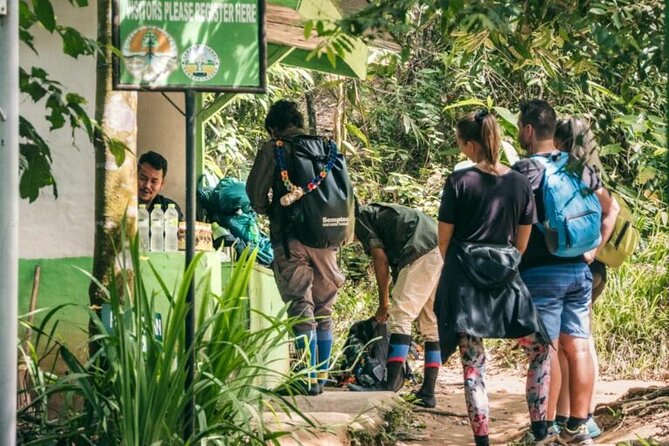
This trek’s core appeal is simple: you get daytime walking for wildlife, plus an overnight in the rainforest so you’re not just passing through. The overnight plan is built around slowing down at the campsite near the river or a waterfall area, with dinner, games, and a bonfire-lit evening.
I also like that the day structure feels natural. You start at 9:00 am, hike through changing terrain, and then settle in. Day two starts again with breakfast in the jungle before you go deeper for more sightings and then use tubing to get back.
One more thing: it’s ethical in the way that counts on the ground. The package includes permits for the protected areas, and the trek stays guide-led with a small group, so you’re not wandering in the dark trying to figure it out yourself.
You can also read our reviews of more tours and experiences in Medan.
Day 1: from river walking to the park gate
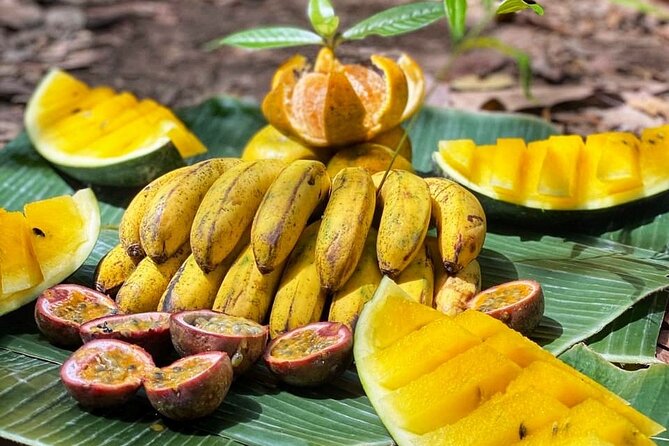
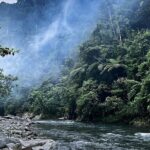
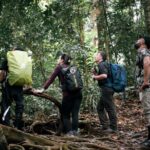
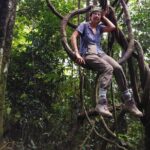
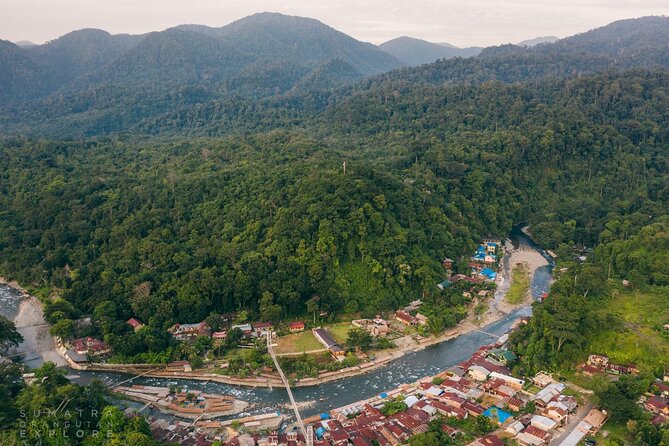
Day 1 begins with a walk down a river, then turns into a climb uphill. After that, you cross rubber plantations on the way to the entrance of Gunung Leuser National Park. That mix of terrain is practical: it’s not only forest-atmosphere, it’s also a sense of how people and landscapes meet at the edge of protected areas.
Once you reach the park area, the plan shifts into wildlife and plant observation time. You’ll spend time looking for fauna and flora, and your guide’s job is to help you notice what’s there without turning it into a frantic chase.
How long is day one? Think around 7 hours on your feet. That’s a full hiking day even before you add the evening routine. If you’re the kind of person who hates long wet walks, this might test you. If you like slow attention—watching birds, tracking movement, listening—this part is the foundation for the whole trip.
Campsite night: dinner, bonfire games, and mosquito-net reality
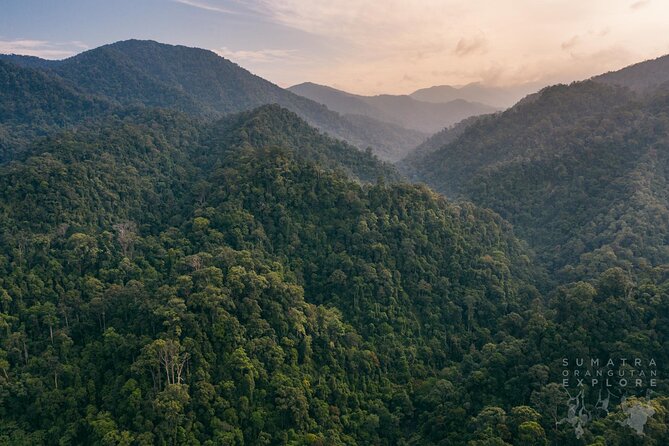
After the first day of hiking, you relax at your campsite near the river or the waterfall. This is where the trek becomes more than a long day walk. You’ll refresh yourself, and the setup includes a mattress, mosquito net, and a small blanket so you can sleep in the rainforest instead of worrying about every comfort detail.
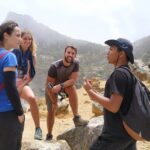
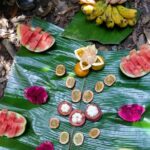
Dinner is described as homemade, and the evening includes chatting and playing games with the guides around a bonfire. That social time is genuinely useful. It’s when guides explain what you may have noticed on the walk and what to watch for the next morning.
You’ll likely hear jungle sounds as you fall asleep. That’s not a minor detail. It’s the feeling that makes the trek memorable, because you’re not just touring nature—you’re living the timing of it.
Practical consideration: this is still outdoors. Even with the mosquito net, bring a calm mindset about insects, damp air, and the fact that your sleep won’t feel like a city bed.
Day 2: breakfast in the rainforest, then deeper trekking
Day two starts with wake-up and homemade breakfast in the rainforest. This matters because you’re fueling up where you’ll continue hiking immediately, not rushing out after a quick bite somewhere else.
After breakfast, you keep trekking deeper into the jungle for about 4 or 5 more hours. This is the stretch where sightings often feel most intense, because you’re getting further into habitat and staying in rhythm with the guides’ observations.
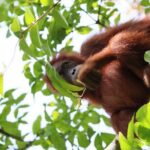
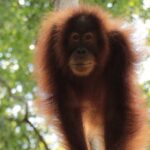
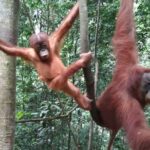
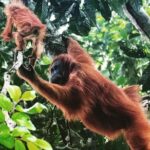
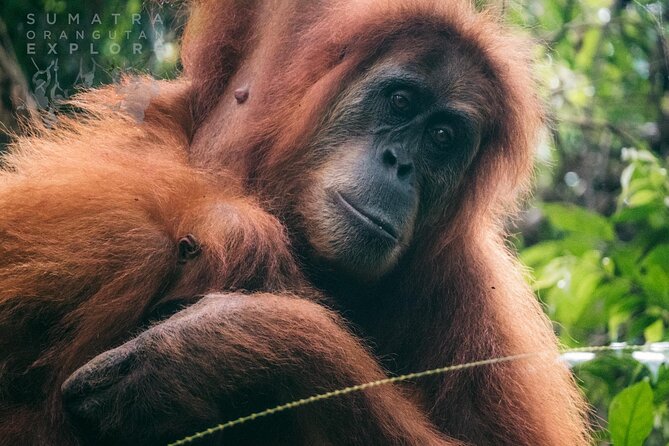
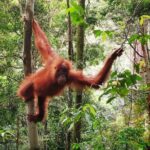
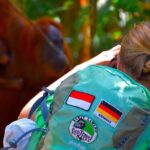
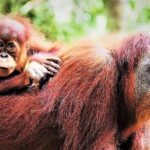
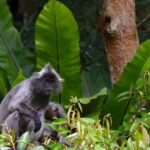
You’re looking for other rare wildlife. Based on past groups, people have had chances to see orangutans up close, including mother-and-child encounters and sometimes more dramatic moments like an alpha male in the area. You might also spot monkeys like leaf monkeys, and other forest residents such as gibbons, depending on the day.
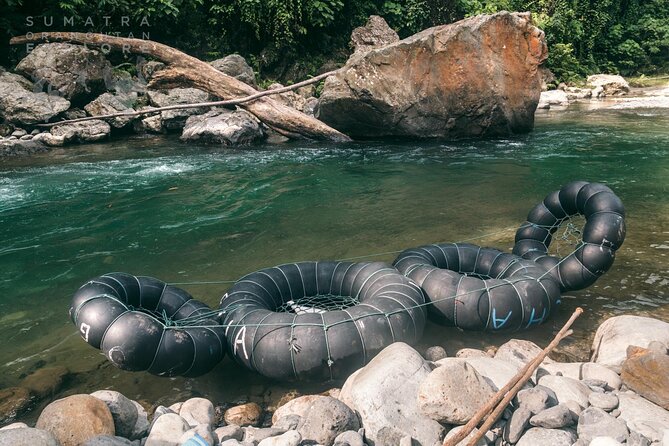
Then you return toward Bukit Lawang by tubing. That’s a nice contrast: after hours of hiking and listening, you get a slower pace on the river for the ride back.
Wildlife viewing that feels guided, not chaotic
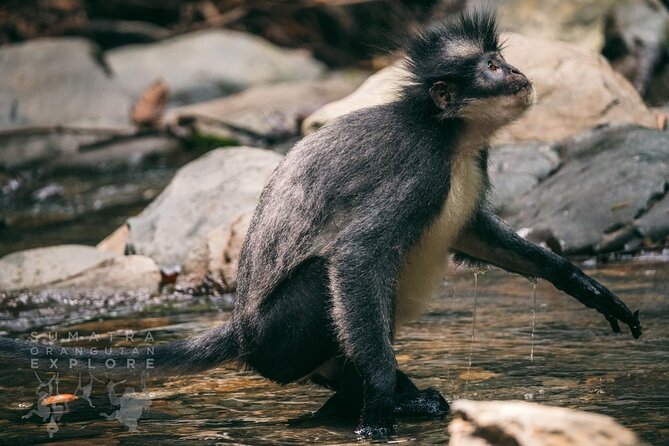
The trek is built around observing fauna and flora as you hike, rather than sprinting from one sighting to the next. With a group capped at 6, you can actually hear instructions, see what the guide points out, and keep moving without losing half the team.
From the guide names you might meet, you’ll see a pattern: the guides are described as friendly, enthusiastic, and attentive. People have specifically highlighted guides like Niko & Juan, Heri & Fabian, Didi & Dragon, Banji with Pien, and Bang Diddi with Bang Amso. That doesn’t mean every guide will give the exact same vibe, but it does point to a consistent focus on explaining what you’re seeing and keeping you comfortable.
How to think about wildlife results: you’re in a living forest with no guarantees. I love that this trek treats wildlife as a shared experience with your guides’ help, so even when sightings are fewer, you still learn how to read the jungle.
Guides and group size: why it affects your day
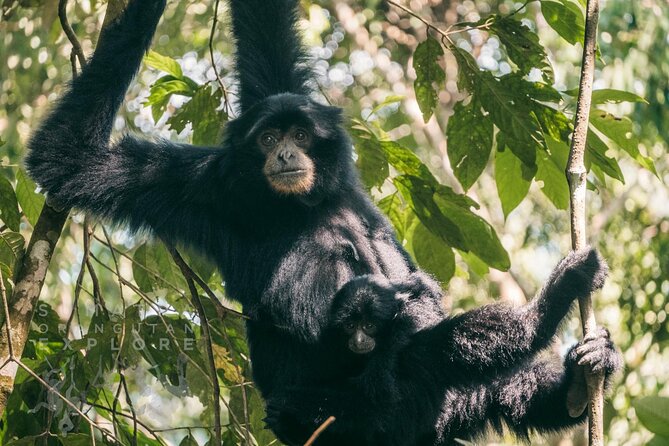
Small group size is more than a number on a listing. With max 6 people, you get a better chance to match pace and get answers while walking. It also makes safety easier—especially when your day includes uneven footing, river sections, and uphill segments.
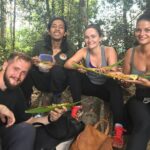
You’ll also spend real time with your team at camp, not only while walking. Games around the bonfire and the casual conversations are part of how the group bonds, and that often makes the sights stick in your memory.
There’s another practical upside. If you have a special diet, one past group noted that the team accommodated it and made sure the guides were aware. That’s a strong sign that communication matters here, but you should still mention your needs when booking so the plan can be handled.
Price and value: what $146.62 buys you
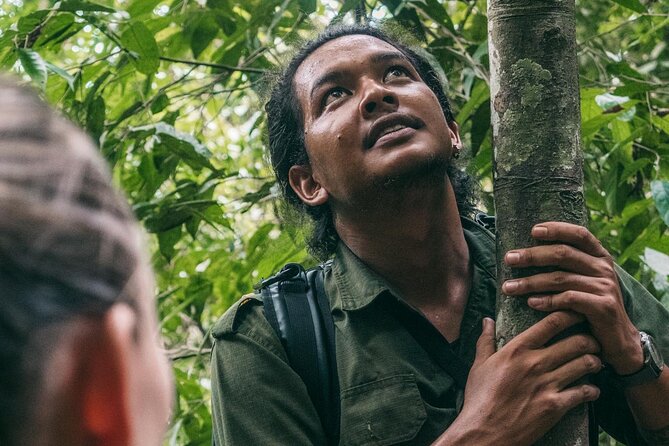
At about $146.62 per person, you’re paying for a guided two-day, one-night rainforest trek with a lot included. The biggest value pieces are the permits, the meals, and the campsite setup.
What’s included:
- Breakfast and dinner
- Coffee and/or tea
- Lunch (2)
- Camp sleeping gear: mattress, mosquito net, small blanket
- Entrance permits for TNGL and ITGA-HPI
- River tubing
- Water refill at the campsite
What’s not included:
- Accommodation in Bukit Lawang
- Transfer to/from Bukit Lawang
That matters because the hike itself is only part of your trip. If you already have a place to sleep and you’re comfortable handling getting to the meeting point, the trek price is easier to swallow. If you still need lodging and transfers, budget those too so you’re comparing fairly.
One more value note: bookings tend to happen far in advance (on average, about 110 days). If your dates are fixed, start planning early, so you don’t end up choosing a backup itinerary on short notice.
Your route in plain English (and what to expect each day)
Here’s the rhythm in human terms.
Day 1 is a full walking day that starts at 9:00 am at the meeting point near Sampe Raya, Bohorok (Sumatra Orangutan Explore location marked as G4X8+WPH). You move from river walking, to uphill effort, to crossing rubber plantations. Then you enter the park area and spend time watching and learning about rainforest life.
Day 1 ends with camp life. You’ll eat homemade dinner, enjoy an evening with games and bonfire chat, and sleep under a mosquito net with jungle sounds nearby.
Day 2 starts with breakfast right where you slept. You trek deeper for several hours, then use tubing to get back toward Bukit Lawang. The activity ends back at the meeting point.
That wrap-up detail is important. You’re not being dropped into a random part of town. You’re returned to where you started, which reduces the stress of coordinating your next move.
What to pack for humid jungle hiking (practical, not fancy)
The data here doesn’t list a gear kit, but it does tell you enough about the experience to pack smart. You’ll be hiking for long blocks on day one and day two, you’ll sleep outdoors at a campsite, and you’ll do river tubing.
So I’d plan for:
- Rain protection and quick-dry clothing
- A water bottle you’re happy to refill (the plan includes water refill at camp)
- Bug protection that works for humid rainforest conditions
- Footwear that can handle wet ground and uneven footing
Also, plan your expectations for the campsite. You’ll have a mattress, mosquito net, and small blanket, which helps a lot. Still, jungle nights aren’t silent and sleep isn’t always easy, so bring patience (and earplugs if you’re that type of person).
Who this trek suits best
This is best for hikers who can handle strong physical activity. The tour specifically says travelers should have strong fitness, which matches the long hiking hours in rainforest conditions.
It also fits you if you like:
- Wildlife spotting paired with explanations
- A small-group vibe (max 6)
- Real camp downtime, like games and bonfire time
- The idea of going deeper than a day tour
If you want a luxury nature vacation with minimal walking, this likely won’t match your style. But if you want something off the beaten path and you’re happy to be outdoors, it’s exactly the kind of trip that changes your brain’s idea of what a vacation can be.
Should you book this 2 Days and 1 Night Ethical Jungle Trek?
I think it’s a strong book if your goal is rainforest time with overnight immersion, guided wildlife observation, and a camp evening that feels human. The value is helped by what’s included: permits, meals, campsite sleep gear, and tubing, plus the small group size that keeps the experience manageable.
Book it if you can commit to the physical part of two long hiking days and you’re okay with outdoor sleeping and unpredictable jungle nights. Don’t book it if you’re looking for comfort-first travel or if you’re not comfortable hiking for 7 hours on day one and another 4–5 hours on day two.
If you do book, mention any dietary needs early. And if your accommodation and transfers are still uncertain, handle those planning pieces first so your budget doesn’t get squeezed at the last minute.
FAQ
What time does this trek start?
It starts at 9:00 am.
Where does the trek start and end?
It starts at Sumatra Orangutan Explore (G4X8+WPH, Sampe Raya, Bohorok, Langkat Regency, North Sumatra 20852, Indonesia) and ends back at the meeting point.
How long is the trek?
The duration is 2 days (about 2 days).
What’s the group size?
This activity has a maximum of 6 travelers.
Is park entry included in the price?
Yes. Entrance permits for TNGL and ITGA-HPI are included, and admission ticket access is listed as free.
What meals are included?
Breakfast and dinner are included, plus lunch (2). Coffee and/or tea are also included.
What sleep setup is provided?
At the campsite you get a mattress, mosquito net, and a small blanket.
Does the trek include river tubing?
Yes. River tubing is included.
What’s not included?
Accommodation in Bukit Lawang and transfers to/from Bukit Lawang are not included.
What is the cancellation policy?
You can cancel for a full refund up to 24 hours before the experience starts. Changes made less than 24 hours before the start time aren’t accepted, and cancellations within 24 hours aren’t refunded.