REVIEW · KATHMANDU
Langtang Valley Trek – 8 Days
Book on Viator →Operated by Base Camp Adventure Pvt. Ltd. · Bookable on Viator
Langtang feels raw and real fast. This 8-day trek from Kathmandu strings together a winding ride to Syabru Besi, a suspension-bridge entry into the Langtang Valley, and big views near Kyanjin Gompa without chasing extreme altitude. I like that it’s planned around a comfortably low elevation, so you get the feel of the high Himalaya while keeping the pace steady.
I also love the people and culture here. The Tamang villages bring a Tibetan-flavored rhythm to the trip, and the Kyanjin monastery is treated as sacred by local communities. On Day 5, you get a nice break from constant walking with optional hikes to viewpoints, plus time around the monastery and the local cheese factory.
One possible drawback: this still takes effort. You’ll want moderate fitness for daily trekking, and the return includes some steeper downhills, plus the road transfer to Syabru Besi is uneven and windy. If you strongly prefer private rooms, note the trek uses guest houses with twin sharing mainly.
In This Review
- Key highlights worth prioritizing
- Langtang Valley: Tibetan-flavored culture and serious mountain drama
- Is 8 days the right length for you?
- Day 1: Kathmandu to Syabru Besi, plus your first big Himalayan look
- Day 2: Bhote Koshi River crossing and the rhododendron-to-bamboo walk
- Day 3: Into Langtang village with stone houses and yaks nearby
- Day 4: The hike to Kyanjin Gompa and the sacred monastery feel
- Day 5: Day off at Kyanjin Gompa, with ri hikes and a cheese factory
- Day 6: Back to Lama Hotel through rhododendron forests
- Day 7: Syabru Besi return, with mountain views and a steeper descent
- Day 8: Drive back to Kathmandu and a final river view
- Price and value: what your $1,000 buys (and what it doesn’t)
- Guide quality and support you can feel
- Gear and comfort: what you’ll be carrying vs what’s provided
- Who should book this Langtang Valley Trek?
- Book it or keep shopping: my decision guide
- FAQ
- FAQ
- How long is the Langtang Valley trek?
- Where does the trek start and where does it end?
- What time does the experience start in Kathmandu?
- What’s included in the trek package?
- What gear is provided for me?
- Do you stay in guest houses or camp?
- Do I need to bring my own trekking equipment?
- Is a guide included, and what language do they speak?
Key highlights worth prioritizing
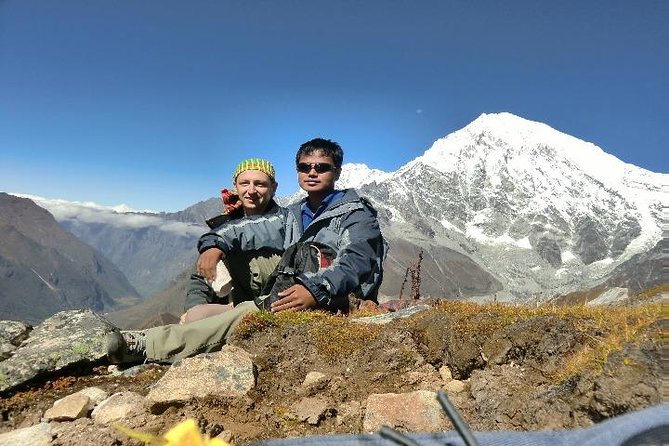
- Syabru Besi to the valley core with a classic river and suspension-bridge start
- Tamang villages with stone thatched houses and an everyday, Tibetan-adjacent way of life
- Kyanjin Gompa for monastery atmosphere and sweeping mountain views
- Day 5 viewpoint hikes (Kyanjin Ri and Tserko Ri) plus a laid-back cheese-factory stop
- Support that checks on you, including an oxymeter for pulse and oxygen saturation
Langtang Valley: Tibetan-flavored culture and serious mountain drama
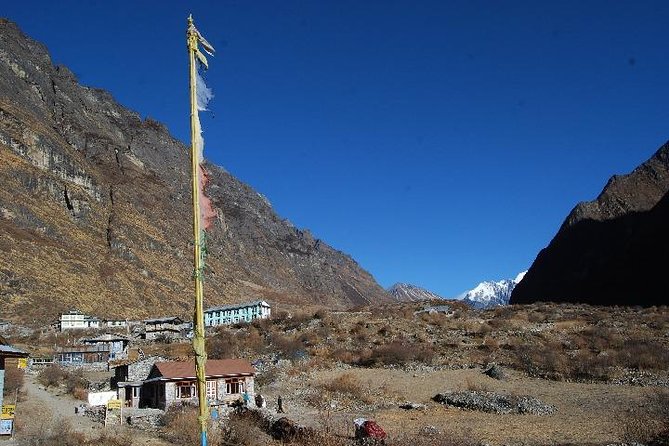
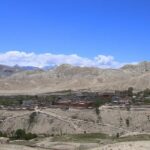
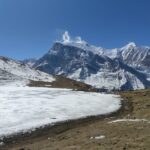
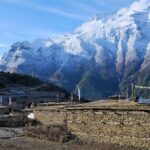
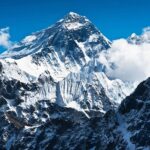
Langtang Valley sits just south of the Tibetan border, squeezed between the main Himalayan range to the north and a lower sweep of snowy peaks to the south. On clear days, Langtang Lirung towers over the area, while peaks like Gang Chhenpo and Naya Kangri shape the skyline to the south. It’s also a rare kind of Himalayan trek because the valley has its own cultural identity—Tamang communities here share religious practices, language, and dress that feel closer to Tibet than to Nepal’s Middle Hills.
I love that the trek doesn’t treat culture as a side note. You pass through real settlements, see how people live with yaks and goats, and walk in a valley where a legend says a lama followed a runaway yak to discover the area. Even the name hints at it: Lang roughly links to yak, and teng (more correctly dhang) points to the idea of following.
And yes, the mountains still do their job. You’re surrounded by towering scenery without needing to reach high camps. The vibe is more about patient travel—morning-to-night walking with layers of view opening as the trail rises.
You can also read our reviews of more tours and experiences in Kathmandu.
Is 8 days the right length for you?
This is an 8-day trek with a moderate physical fitness requirement. That phrase matters because Langtang Valley gives you two things at once: daily trekking work and big visual reward. The route stays at comfortably low elevation, but you’re still walking on mountain trail, often with ups and downs that add up by Day 3, 4, and 5.
If you’re comfortable with 3–6 hours of hiking most days (and you can handle uneven ground), you’ll likely enjoy this route. If you’re newer to trekking, you’ll still get a good introduction because the itinerary builds gradually—from river corridors into the higher village and then up to the monastery area.
One more practical point: this trip uses guest houses rather than camping. That means you’ll sleep in simple lodges along the route, mainly in twin sharing. It’s a big part of keeping the trek “doable,” but you should be ready for basic comforts rather than hotel-level polish.
Day 1: Kathmandu to Syabru Besi, plus your first big Himalayan look
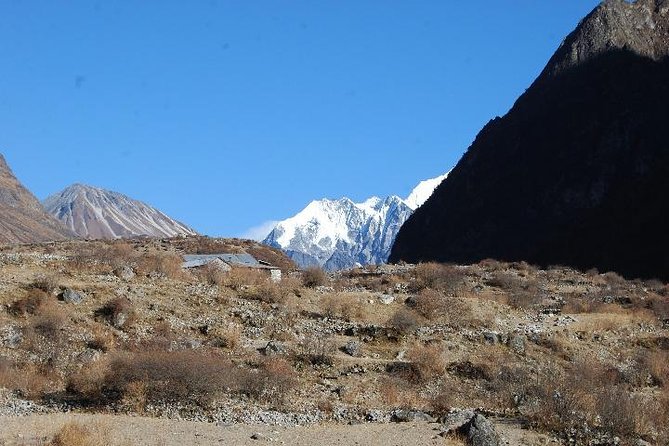
Day 1 starts with a surface bus transfer from Kathmandu to Syabru Besi. Your start time is 11:15 am, and the drive itself is part road-trip entertainment and part altitude intro. The roads are uneven and windy, so you’ll feel the motion, and you’ll likely be happiest if you pack a little patience and keep your snacks and water handy.
This day is also where the mountains begin to show. You’ll enjoy views of the Langtang and Ganesh Himal ranges along the way into Syabru Besi, then settle into the peaceful environment of the town for the night.
Why this matters for your enjoyment: getting to the trailhead by road means less hassle on your first day and a smoother transition into trekking. You’re not fighting jet lag and then immediately starting a technical climb. You’re easing in.
Day 2: Bhote Koshi River crossing and the rhododendron-to-bamboo walk
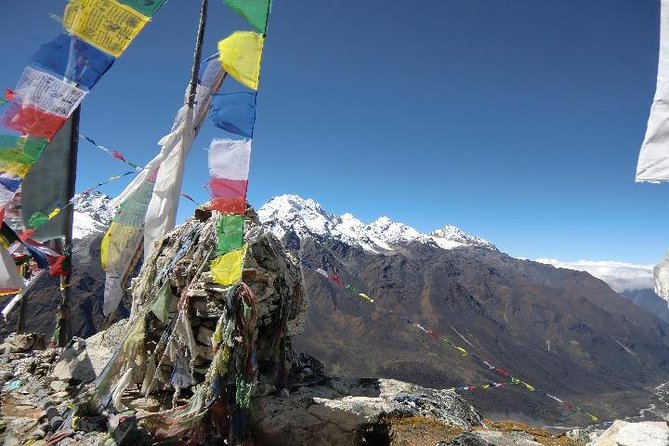
On Day 2, you descend to the Bhote Koshi River and cross a suspension bridge to enter Langtang Valley. That bridge moment is more than scenery: it’s the first clear “you’re in the valley now” feeling. After that, the trail follows the Langtang River upstream.
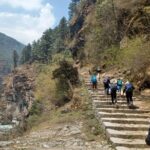
The walking comes with greenery. You pass through lush forest areas—rhodo and bamboo are specifically called out—so even if you’re not thinking about perfect views yet, the trail gives you something to look at and a cooler-feeling environment under the trees.
You end at Lama Hotel. From there, the day’s reward includes views of Naya Kang and Langtang II, which helps you understand the layout of the valley right away.
Possible snag to plan for: forest trekking can still be slippery if it’s wet. Bring trekking poles if you use them, and take your time on footing.
Day 3: Into Langtang village with stone houses and yaks nearby
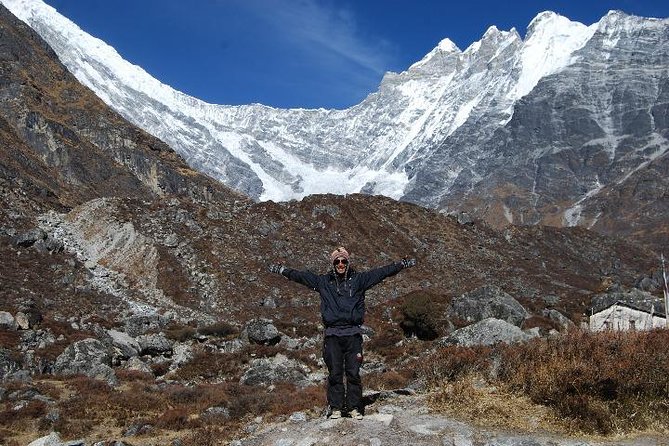
Day 3 is when the valley starts to feel like a community, not just a route. You ascend gradually to the narrow track leading to Langtang village, a Tamang settlement.
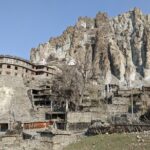
What makes this stop special is how visual the daily life is. You get an attractive view of Langtang Lirung, rhododendron forests, and agro fields, all wrapped around stone thatched houses. Pets are part of the scene too—yaks and wild goats are mentioned as common nearby companions. You can explore around the village, and it doesn’t feel like a quick photo stop. It’s a real place with rhythm.
This day also sets expectations for the rest of your trip. If you’re hoping for cultural immersion with mountain scenery, this village is where it starts to click.
Day 4: The hike to Kyanjin Gompa and the sacred monastery feel
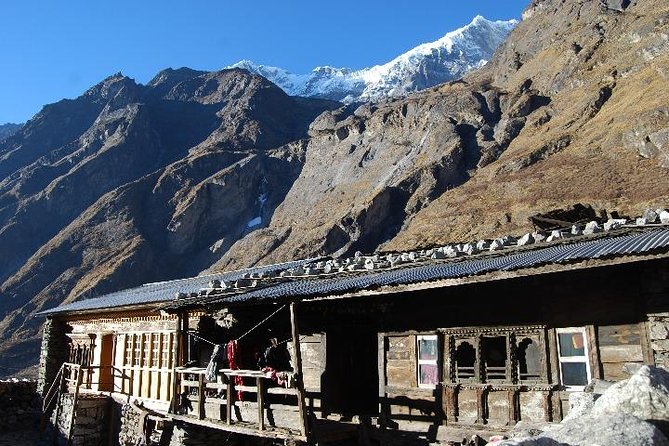
Day 4 takes you onward along the Langtang River toward Kyanjin Gompa. Expect a few ascends and descends on the way, but the overall feeling is steady travel rather than a grind.
Kyanjin Gompa is an ancient monastery and is considered the most sacred site by Tamang locals of the Langtang valley. That matters because it changes the atmosphere when you arrive. You’re not just looking at buildings; you’re reaching a place that locals treat as spiritually central.
The views are a major payoff too. You’ll get sightlines into the Langtang range and dramatic surrounding peaks, including Dorje Lakpa and Langshisa Ri.
A practical note: monastery villages can be cool in the evenings, even when days feel pleasant. Pack for temperature changes you can feel.
Day 5: Day off at Kyanjin Gompa, with ri hikes and a cheese factory
Day 5 is the best kind of break: a day that still rewards effort, but doesn’t force you into constant trekking. You can hike to viewpoint ridges like Kyanjin Ri (4773m) and Tserko Ri (4984m). Those hikes are optional, so you can choose how much you want to push.
Afterward, you can explore the monastery and also visit the local cheese factory in the village. That’s one of those details that turns a mountain trip into a full cultural day. Instead of only thinking about altitude and views, you get a real example of how people manage food and traditions in a high valley.
If you’re traveling with someone who’s less enthusiastic about long hikes, this is also the day that makes compromise easier. Choose the viewpoint hike—or skip it—and still enjoy the place.
Day 6: Back to Lama Hotel through rhododendron forests
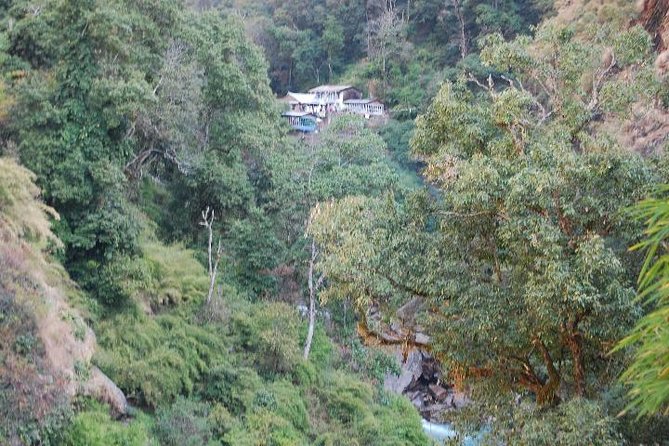
On Day 6, you retrace your way back to Lama Hotel via the trails along the Langtang River. The route goes through lush rhododendron forests and passes Langtang village again and Ghoda Tabela.
Retracing doesn’t have to feel repetitive here. The light changes, the valley looks different from the return direction, and you’ll likely understand the geography better after reaching Kyanjin Gompa and getting that monastery viewpoint.
This day is also where good pacing pays off. If you walk too fast to “make up time,” you’ll pay for it later. Keep it calm, especially if you did the ri hikes on Day 5.
Day 7: Syabru Besi return, with mountain views and a steeper descent
Day 7 brings you back toward Syabru Besi. The path follows the Langtang River with mesmerizing mountain views, green stretches, and passing Tamang villages along the way.
You’ll descend gradually and then steeply on a ridge above Langtang River to reach Syabru Besi for the night. This is the kind of day where your legs matter. Take your time on the steeper parts and consider using poles if you have them.
Day 8: Drive back to Kathmandu and a final river view
Day 8 ends the trek with a drive back to Kathmandu, with views of the Trishuli River for much of the journey. Along the way you’ll see local villages and green countryside sliding past.
Once you arrive, you’ll be transferred to your hotel. Then it’s time for a Kathmandu stroll to reset your brain after mountain quiet.
This finish is practical. You’re not immediately rushing into a flight or long travel day. You get the buffer of hotel time, food, and a shower.
Price and value: what your $1,000 buys (and what it doesn’t)
At $1,000 per person, the big question is value: what’s included versus what you’d normally have to arrange yourself.
Here’s the value-built core:
- Three meals a day during the trek
- Guest house lodging during the trek (mainly twin sharing)
- A local government licensed English-speaking trekking guide
- Permits and national park entry fees
- Down jacket, sleeping bag, and duffel bag
- First aid medical kits and an oxymeter to check pulse and oxygen saturation/heart rate
- Staff costs and transport support, plus surface bus transfers between Kathmandu and the trek start/end
That’s a lot you usually end up paying for separately on budget-style itineraries: guide time, permits, and the gear package alone can be meaningful if you’re traveling with limited luggage.
What’s not included is also clearly defined:
- Travel insurance (compulsory)
- International airfare and airport departure tax
- Alcoholic and non-meal drinks, laundry
- Personal trekking equipment
- Any other expenses not listed in the included section
My honest take: this price makes sense if you want a handled trek with permits, guide, and gear taken care of. If you’re bringing your own sleeping system and planning your own permits and staffing, the savings might be smaller than you expect. But for most visitors, the included setup reduces stress.
Guide quality and support you can feel
The trek includes a local government licensed English-speaking guide. That’s the backbone for safe navigation and practical decision-making when trails change or weather turns.
There’s also a clear pattern in the names people associate with the operator. Shree is mentioned as prompt and concise in communication before the trip, and Prakash comes up as a trekking partner who’s described as fun, knowledgeable, and friendly. Even without assuming everyone gets the same guide, it’s a good sign that the company invests in human support, not just paperwork.
One more nice touch: the package includes an oxymeter to check pulse and oxygen saturation and heart rate. This isn’t about turning the hike into a science experiment. It’s simply better monitoring for a more confident trip, especially in high mountain valleys where you can feel altitude changes even at moderate elevations.
Gear and comfort: what you’ll be carrying vs what’s provided
You get a down jacket, sleeping bag, and duffel bag with the trek package. That’s helpful if you’re trying to travel light or you don’t want to buy rental gear that may not fit well.
Still, the trek notes personal trekking equipment is not included. So you’ll want to bring your own core items like appropriate trekking footwear and any items you prefer in your day-to-day hiking routine.
For comfort: plan for temperature swings. Even when you’re walking in warm sun, mornings and evenings around monastery areas can feel much cooler. Layering beats one heavy piece of clothing.
Who should book this Langtang Valley Trek?
This trek fits best if you want:
- A strong first Himalayan trek experience
- Real village contact with Tamang communities
- Mountain views tied to culture and monastery atmosphere
- A route that feels active but not overly technical
It may not suit you as well if:
- You dislike shared lodging (twin sharing mainly in guest houses)
- You can’t handle daily walking and some steep downhills on the return
- You want a fully self-directed trip with no guide and no included logistics
For couples and small groups, the private setup can also feel reassuring—you won’t be stuck with a mixed-speed crowd.
Book it or keep shopping: my decision guide
I’d book this Langtang Valley Trek if you want an organized, good-value route that balances mountains with actual culture. The combination of Tamang villages, the sacred atmosphere at Kyanjin Gompa, and the optional ridge hikes on Day 5 gives you multiple ways to enjoy the valley—views, walking, and local life.
I’d hesitate if you have very high comfort expectations for guest houses, or if steep trail sections and uneven roads stress you out. Also be sure your travel insurance is ready, since it’s compulsory and not included.
If you like steady trekking, simple support, and the feeling of being far from the usual tourist circuit, this one is a strong pick.
FAQ
FAQ
How long is the Langtang Valley trek?
It’s an 8-day trek with an approximate duration of about 8 days.
Where does the trek start and where does it end?
You start in Kathmandu, then drive to Syabru Besi for the trekking start. The experience ends back at the meeting point in Kathmandu.
What time does the experience start in Kathmandu?
The start time is 11:15 am.
What’s included in the trek package?
The package includes three meals a day during the trek, guest house accommodation (mainly twin sharing), a local government licensed English-speaking trekking guide, trek permits and national park entry fees, first aid kits, and an oxymeter. It also includes a down jacket, sleeping bag, and duffel bag, plus surface bus transfer from and to Kathmandu.
What gear is provided for me?
You’ll be provided with a down jacket, a sleeping bag, and a duffel bag.
Do you stay in guest houses or camp?
You stay in the best available guest houses during the trek (mainly in twin sharing), rather than camping.
Do I need to bring my own trekking equipment?
Yes. Personal trekking equipment is not included.
Is a guide included, and what language do they speak?
Yes. A local government licensed English-speaking trekking guide is included during the trek.