REVIEW · MEXICO CITY
Trekking Through The Volcanoes
Book on Viator →Operated by México Travesías · Bookable on Viator
Volcano air hits different. This Mexico City day hike takes you toward Iztaccihuatl and active Popocatépetl, with forests, high-altitude views, and even fumarole sights.
I love how small the group feels (capped at 13). I also love that you get a backpack and trekking poles so you’re not scrambling to assemble gear before you hit the mountain.
One real drawback: the altitude makes this feel tougher than a similar hike at sea level, and some terrain can be slippery and dusty.
In This Review
- Key things to know before you go
- A Morning Pickup in Condesa and the Drive Toward Iztaccíhuatl–Popocatépetl
- Paso de Cortés: The Forest Start with Iztaccíhuatl Front and Center
- Cerro Altzomoni: Popocatépetl Views and Those Fumaroles
- Down Toward Amalacaxco Ravine: Plants, Possible Wildlife, and Changing Terrain
- How Hard Is It Really: Altitude, Dust, and That Slippery Stuff
- The Lunch Stop That Keeps It Local: Market Tacos and Quesadillas
- Provided Gear and Guides: What You’re Actually Getting
- Price and Value: Is $133.34 Worth a Volcano Day?
- Tips That Make a Big Difference (Condensed and Practical)
- Should You Book This Iztaccíhuatl–Popocatépetl Trek?
- FAQ
- FAQ
- What time does the trek start?
- Where is the meeting point in Mexico City?
- How long is the experience?
- What’s included in the price?
- What language is the tour offered in?
- How big are the groups?
- Do I need to bring hiking poles or a backpack?
- Is lunch included, and what kind is it?
- What’s the cancellation policy?
- Does this depend on weather?
Key things to know before you go
- Small groups (max 13) means more attention and a calmer pace for photos and breaks
- Paso de Cortés → Cerro Altzomoni → Amalacaxco is a classic volcano route with big-view payoff
- Popocatépetl fumaroles add that rare active-volcano factor
- Snack pack + water + lunch keeps energy steady without hunting for food on the road
- Altitude matters: even when the trail looks straightforward, your breathing will notice it
A Morning Pickup in Condesa and the Drive Toward Iztaccíhuatl–Popocatépetl
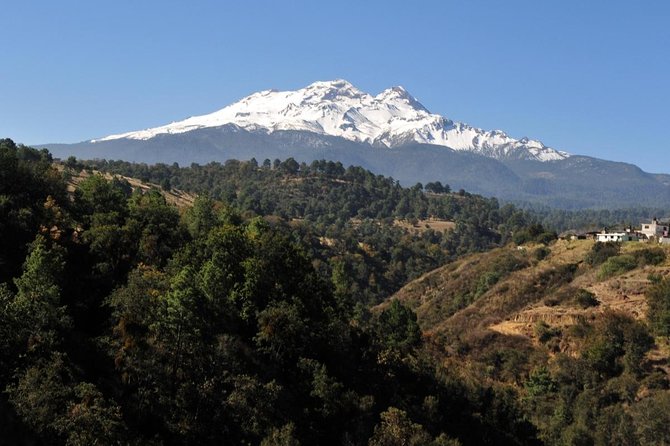
You start early, around 7:00 am, picked up at Av. Vicente Suárez 38 in Condesa. Then you head out of Mexico City toward Iztaccíhuatl–Popocatépetl National Park in private transportation, with your guides handling the logistics and safety gear.
Most people do this as a break from city life, and the timing helps. You’ll be out of the urban bustle while the air is still fresh, and you’re more likely to have good visibility for the views—assuming the weather cooperates.
One practical note: the drive can involve winding roads, so if you’re sensitive to motion, plan for that before you go.
You can also read our reviews of more tours and experiences in Mexico City.
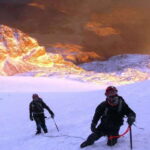
Paso de Cortés: The Forest Start with Iztaccíhuatl Front and Center
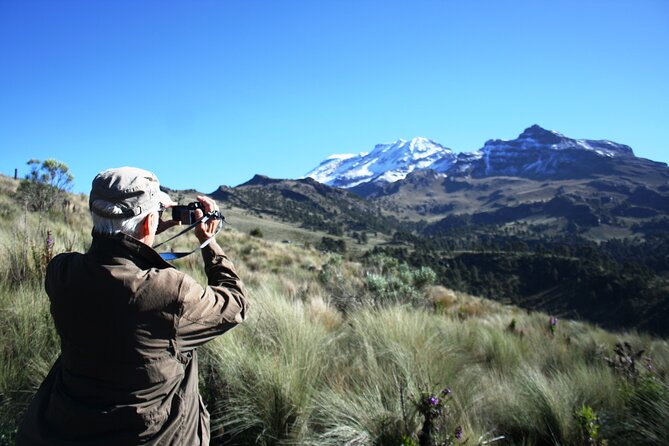
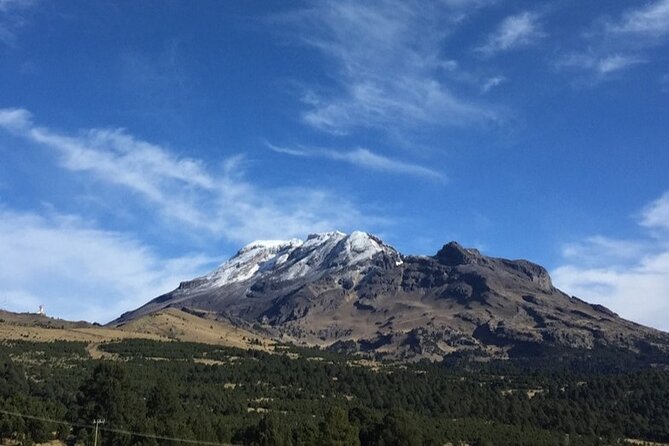
The trek begins at Paso de Cortés. From the start, you walk through forested sections with Iztaccíhuatl in front of you, which is a nice way to “warm up” your body while the views build gradually.
This is where the tour earns its off-the-beaten-track promise. Instead of only stopping at obvious lookouts, you’re actually moving through the area—trees, open stretches, and viewpoints that pop up when you crest a rise.
Why this part matters: forests at altitude feel different. The air can be crisp, the light changes fast, and you’ll notice details like plant textures and small changes in terrain as you go. If your goal is a genuine hiking day, this forest start sets you up well.
Cerro Altzomoni: Popocatépetl Views and Those Fumaroles
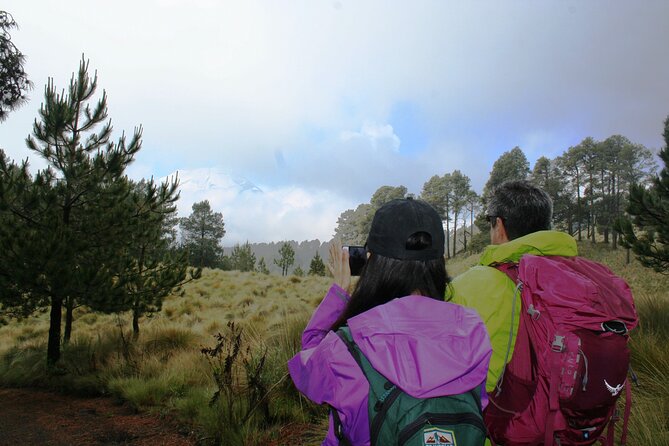
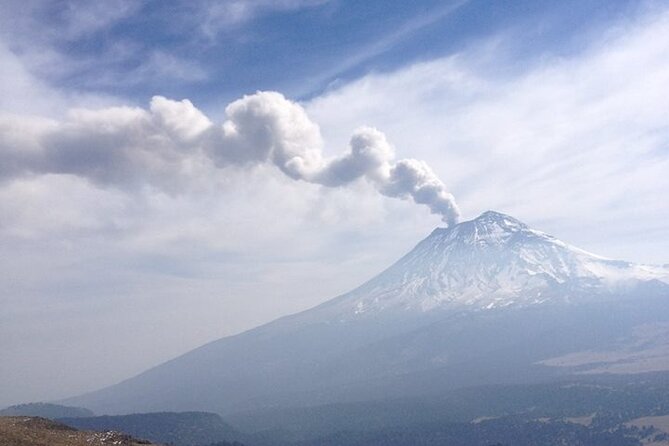
Next comes the climb toward Cerro Altzomoni, where the payoff ramps up. This is the segment built for the big moments: views of Popocatépetl and the chance to see its fumaroles up close.
Fumaroles are one of those things that photos can’t fully explain. In real life, you’re seeing active volcanic activity through misty plumes in the mountain setting—unmistakable and a little humbling.
This is also the point in the hike where pace control pays off. At altitude, it’s easy to overdo it early. Your guide’s job is to keep you moving steadily, and many groups find they do better when they focus on short, consistent efforts rather than rushing.
Down Toward Amalacaxco Ravine: Plants, Possible Wildlife, and Changing Terrain
After Cerro Altzomoni, you descend toward the ravine Amalacaxco. This is where the trail shifts again, and you’ll likely notice more variety in what’s growing around you.
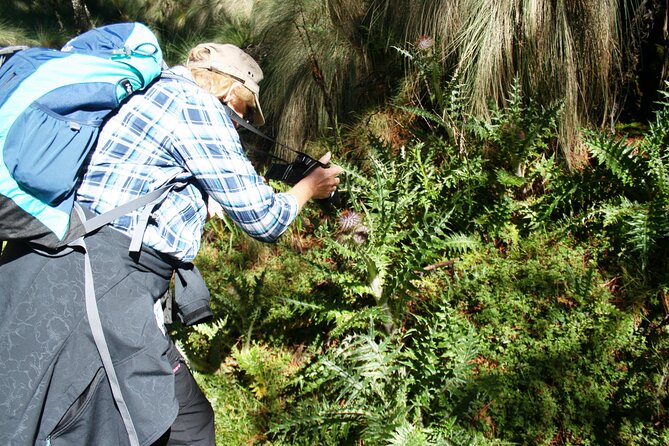
The tour description emphasizes flora here, and that lines up with what makes this segment special: your attention naturally goes from “big volcano photo” to “what is this plant doing?” The terrain can also feel more interesting, with dips and turns that break the monotony of a long climb.
There’s also a chance to see fauna, but you shouldn’t expect a guaranteed wildlife show. Still, the guides can help you slow down and look, which is a big part of getting value out of an outdoor day tour.
Then you loop back to finish at Paso de Cortés, which makes the day feel like a complete route instead of a single out-and-back slog.
How Hard Is It Really: Altitude, Dust, and That Slippery Stuff
Let’s be honest: this hike is about effort at altitude, not technical mountain climbing. Reviews and tour notes point to a high-elevation experience (people reference around 13,000 feet), which means your breathing will be part of the challenge.
You can expect some ups and downs, and a few conditions can make the hike feel harder:
- Slippery ground and rocks at times
- Dust/ash-like material kicking up as people walk
- Temperature swings from morning chill to later warmth
A key theme from real hiking days here: good boots and steady pacing matter more than “hero steps.” Many people describe it as intermediate, but altitude turns it into a real workout if you’re not used to thin air.
You’ll likely get trekking poles, which help a lot on uneven terrain and on the downhill sections. Still, plan to take it slower than your normal pace and use breaks to catch your breath.
The Lunch Stop That Keeps It Local: Market Tacos and Quesadillas
This tour builds in food, and it’s not an afterthought. Before or during the trek, you carry a snack pack in your provided backpack, including 1 liter of water, 600 ml of energy drink, a chocolate energy bar, plus peanuts, fruit, and other small snacks.
Then, on the way back, you stop to eat in a traditional market. The meal includes tacos and quesadillas, and it’s one of the best parts of day hikes like this because it’s both practical and cultural. You’re fueled up after time on your feet, and you’re not just eating a pre-packaged lunch because it’s easy.
One small practical detail: you might be hungry again after the hike, so treat the snack pack as “fuel,” not “dessert.” You’ll likely appreciate the full meal timing when you’re back near the city.
Provided Gear and Guides: What You’re Actually Getting
The tour includes trekking poles and a backpack with your lunch and water. It also states that the guides carry security equipment, which matters on an active-volcano region trek.
You’ll have a professional guide, and in past groups the experience has ranged from talkative narration to more quiet pacing. Still, the strongest guide moments tend to be when someone connects what you’re seeing—flora, geography, and the volcanic story—to where you stand on the route.
Guide names mentioned by previous groups include Bernardo, Carlos, Alan, Sergio, Alberto, Salva, and Johannes. You might not get the exact person, but the common thread is that the guides focus on keeping you safe, on top of pacing, and pointed toward the most meaningful views.
Price and Value: Is $133.34 Worth a Volcano Day?
At about $133.34 per person for a 9-hour outing (approx.), this is a mid-priced day tour. The big reason it works value-wise is what’s included.
You’re not paying only for a hike:
- Private transportation to and from the park
- Guiding through a specific route between the two volcano areas
- Provided poles and backpack
- Lunch plus a carried snack pack with water and energy drink
For many people, the cost-to-comfort ratio improves because you don’t need to source gear, figure out park logistics, or waste time hunting lunch once you’re tired.
Also, the max 13 traveler cap matters. Small groups usually mean less waiting and better attention, especially with altitude pacing and terrain footing.
So if your goal is a guided volcano experience with minimal hassle, this price can be fair. If you’re traveling with your own gear and already know exactly where to go, you could do something cheaper on your own—but you’d give up the structure, safety focus, and route expertise.
Tips That Make a Big Difference (Condensed and Practical)
If you want this day to feel more “enjoyable hike” than “survival mode,” pack and plan like a hiker.
What to bring
- Hiking boots (or shoes with real grip)
- Layers: cold early, warmer later
- Sunglasses and a hat
- Something to help with dust, because ash-like grit can kick up as you walk
- If you get carsick easily, consider motion sickness help ahead of time
Bathroom reality
- People report there are restrooms midway during the drive, but there aren’t trail facilities, so plan for that and consider bringing what you need.
Choosing your pace
You may be able to choose between a shorter and longer option (people mention 9 km or 13 km). If altitude makes you cautious, lean toward the shorter option. If you’re fit and want the full route length, the longer walk can be the better payoff day.
Should You Book This Iztaccíhuatl–Popocatépetl Trek?
I’d book this if you want:
- A guided day trip that gets you out of Mexico City fast
- Active-volcano views and fumaroles, not just a scenic drive
- A route that actually walks through forest, viewpoint climbs, and a ravine area
- A small-group vibe with included lunch and provided hiking gear
Skip it (or at least think twice) if:
- You’re very sensitive to altitude and don’t have a strategy for slowing down
- You dislike hikes with uneven footing and dust
- You want nonstop guide chatter the whole time, every step of the way
If you’re comfortable hiking at altitude and you want a real mountain day with local food afterward, this one is a strong choice.
FAQ
FAQ
What time does the trek start?
It starts at 7:00 am.
Where is the meeting point in Mexico City?
The meeting point is Av. Vicente Suárez 38, Colonia Condesa, Cuauhtémoc, 06170 Ciudad de México.
How long is the experience?
It runs for about 9 hours (approx.), including the mountain time and the drive.
What’s included in the price?
The tour includes private transportation, a backpack with lunch, trekking poles, and a guided hike with security equipment, plus a meal stop with tacos and quesadillas.
What language is the tour offered in?
The tour is offered in English.
How big are the groups?
The tour has a maximum of 13 travelers.
Do I need to bring hiking poles or a backpack?
No. Trekking poles and a backpack are provided for you.
Is lunch included, and what kind is it?
Yes. You’ll have a lunch that includes tacos and quesadillas at a traditional market, and you’ll carry snacks and drinks in your backpack during the hike.
What’s the cancellation policy?
You can cancel for a full refund up to 24 hours before the experience starts.
Does this depend on weather?
Yes. It requires good weather, and if it’s canceled due to poor weather, you’ll be offered another date or a full refund.