REVIEW · RISHIKESH
Chandrashila and Tungnath Himalayan Trekking and Camping
Book on Viator →Operated by Yeti Outdoors · Bookable on Viator
A calm summit comes after a sharp climb. In just six days, this Chandrashila and Tungnath trek stacks temple views, a high-mountain shrine, and Deoriatal Lake into one trip you can actually manage. You’ll walk through deodar and rhododendron forests, camp under the stars, and finish with a serious mountain payoff near 4,000m.
I love the way this route gives you two headline moments in one go: Tungnath at about 3,680m (and its famous Shiva shrine) plus the Chandrashila summit near the top of the program. I also like that the walk isn’t only about altitude; you get a softer break at Deoriatal Lake, where you may see animals and birds sipping right at the shoreline.
One consideration: even with an easy overall label, the last push from Tungnath Temple toward Chandrashila is steep (about 2 km), and altitude can hit some people. If you’re bringing kids, or you’re prone to feeling lightheaded on hikes, plan carefully and go slow.
In This Review
- Key things to know before you go
- Chandrashila and Tungnath in 6 days: why it feels like more
- The big numbers: easy trek label, real altitude, and how to plan your effort
- Getting there from Rishikesh: start point, travel rhythm, and comfort basics
- Forest to meadows: how the first days set you up for the summit
- Tungnath Temple: the cultural highlight that doubles as a serious altitude milestone
- The Chandrashila summit day: the 360 view reward and the weather reality
- Deoriatal Lake: your calm break in the middle of the climb
- Camping nights: tents, sleeping bags, and what you’re really paying for
- Guides, education, and path confidence: what you should ask about
- Price and logistics: does $155.76 feel fair for 6 days?
- Packing and weather strategy: sun, wind, showers, and altitude
- Who should book this trek, and who should think twice
- FAQ
- What is the highest altitude reached on this trek?
- How long is the Chandrashila and Tungnath trekking and camping experience?
- What difficulty level is it?
- What’s included in the price?
- Is transport pickup included?
- When is the best time to go?
- Should you book this trek?
Key things to know before you go
- Tungnath Temple is part of the same trek and sits at about 3,680m, with the highest Shiva shrine reputation.
- Chandrashila reaches around 3,992m, and timing matters for views.
- Deoriatal Lake breaks up the hike and can bring sweet wildlife-and-bird moments.
- Camping is fully set up with tents and sleeping bags, plus meals on trek.
- Steep effort is concentrated near the end, so don’t assume easy means gentle.
- Guides matter here: leaders like Rishabh and Manish Badoni help keep you on the right path.
Chandrashila and Tungnath in 6 days: why it feels like more
This trek is the kind where the headline is the altitude, but the real story is how fast the scenery changes. You’re not just hiking from one viewpoint to another. You’re moving through different “moods”: forest shade, open meadow air, a calm lake break, then temple steps that lead into a more serious climb.
It’s also unusually complete for the time you’re out there. You get a summit target (Chandrashila), a signature stop with cultural weight (Tungnath Temple), and Deoriatal Lake for that reset moment that keeps the whole trip from feeling like one long grind.
And because it’s designed as camping with meals included, you’re not spending energy thinking about logistics. Your focus stays on the trail, the weather, and how you pace yourself.
You can also read our reviews of more tours and experiences in Rishikesh.
The big numbers: easy trek label, real altitude, and how to plan your effort
The trip is listed as an easy trek and runs about 6 days. The maximum altitude is 3,992m / 13,100 ft. That matters because “easy” usually means trail difficulty, not how your body reacts at elevation.
A couple of practical things to keep in mind:
- Altitude sickness can still happen even when the trail is manageable. One review specifically flagged low oxygen as a concern for some people.
- The hardest work is not spread evenly. The steep segment between Tungnath Temple and Chandrashila Peak is the part that can feel like a gear change.
So what should you do? Think in terms of effort control, not speed. If you’re the kind of hiker who sprints uphill, resist that urge here. Start early, keep a steady pace, take short breaks, and save your legs for the steep last stretch.
Getting there from Rishikesh: start point, travel rhythm, and comfort basics
Your day starts at Yeti Outdoors with a 9:00 am start time. The experience ends back at the meeting point. The tour info also notes pickup offered, which is a big deal when you’re doing a trek in hills where getting the “right transport chain” can be confusing.
One traveler shared a route flow that goes like this: meeting in the Dehradun area, then a bus to Ukhimat, followed by a jeep to Sari village. Roads like this are often scenic and worth a couple of quick looks, but they can also shake you around. If you’re sensitive to motion, plan for that with water, layers, and maybe something to steady your stomach.
Also note what’s not included. If you need stay or food around Mussoorie during transit, that’s on you. If you want transportation arranged, the option exists for an extra charge. I’d treat that as your planning buffer: if your arrival timing is flexible, you can keep the whole trip smoother.
Forest to meadows: how the first days set you up for the summit
The trek’s early feel is defined by greenery and shade. Expect walking through evergreen stands including pine, deodar, and rhododendron forests. This is more than scenery trivia. Forest walking usually means:
- more stable footing (often),
- less glare than open slopes,
- cooler conditions in the morning.
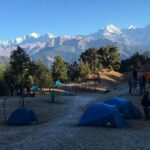
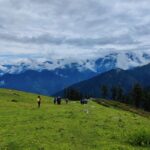
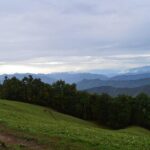
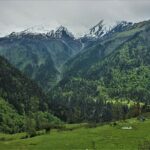
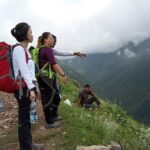
Then the trail opens into lush green meadows with broad Himalayan views. This shift is important psychologically. You’ll go from “watch your step” to “look up and breathe,” which helps you settle into trekking mode instead of overthinking elevation.
This is also where I’d focus on pacing. The goal in the first days is to arrive feeling like you have energy left. When the route gets steep later, you’ll be grateful you didn’t spend your stamina on day one.
Tungnath Temple: the cultural highlight that doubles as a serious altitude milestone
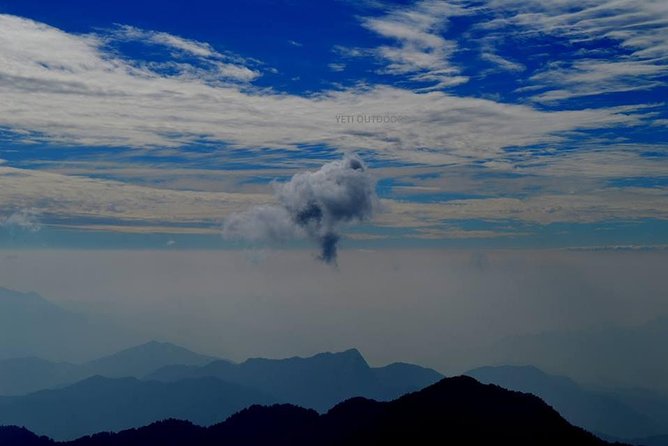
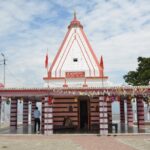
Tungnath is at about 3,680m and is known as the highest Shiva shrine on the globe. Whether you’re deeply religious or just curious, it’s a powerful stop because it changes the character of the trek. You’re not only climbing for views; you’re also arriving at a place people keep returning to.
Practically, Tungnath also marks the point where the trek starts demanding more from your legs. One review calls out that the last segment toward Chandrashila is highly steep, and it begins after you’re near the temple area. So if you want an easier-feeling day, you handle Tungnath like a checkpoint: rest, regroup, drink water, and mentally switch gears.
If you’re hiking with a guide, this is where their role shows. A well-paced plan reduces panic. Guides such as Rishabh and Manish Badoni are praised for knowing paths well, and that matters when trails get steep and weather changes.
The Chandrashila summit day: the 360 view reward and the weather reality
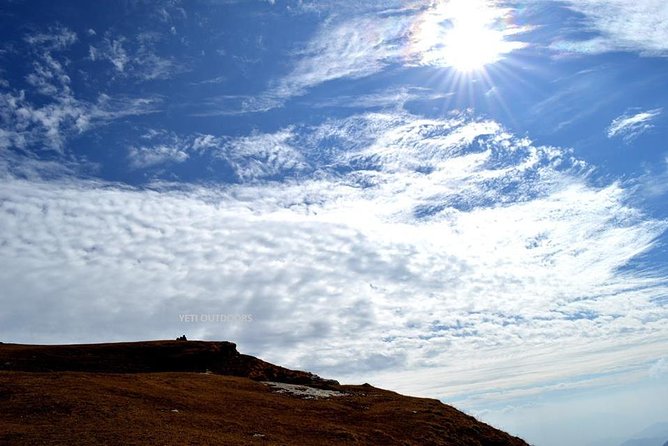
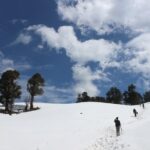
Chandrashila is the peak everyone remembers. The maximum altitude of the trip is around 3,992m, and the summit day is where you earn that top-of-the-world feeling.
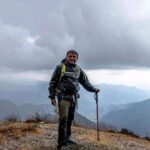
A key tip from the trip feedback: start early so you can reach with time for a full 360-degree view. One review notes reaching by about 11 for the best panorama. That lines up with how mountain weather usually behaves: visibility can shift as the day warms and clouds move in.
What to watch for:
- The summit day can bring scorching sun, wind, and showers even when conditions look fine at breakfast.
- The effort isn’t only distance; it’s the steepness of the last stretch (about 2 km), which can feel brutal if you go too fast.
I’d plan your gear like this: a sun layer, something windproof, and rain protection. Even if it looks clear in the morning, mountain weather can change fast.
Deoriatal Lake: your calm break in the middle of the climb
Deoriatal Lake is described as fairy-tale beautiful, and it acts like a mental breather. This is where the trek shifts from “go go go” into “slow down and notice.” The lake setting is also tied to wildlife moments. You might see animals and birds drinking sparkling water from the lake, which turns a normal rest stop into a small highlight.
Why this matters for your success: if you only climb, you can start feeling irritated and tired before the hard segment. Deoriatal helps you reset. It also gives you a better sense of “why I’m doing this,” not just “how much is left.”
Camping nights: tents, sleeping bags, and what you’re really paying for
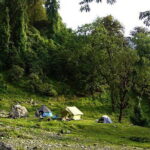
This trip includes the camping setup: tents and sleeping bags plus all technical/kitchen equipment. Meals on trek are included, and the team includes guides, cooks, and helpers, with porters/mules for support.
That’s good value, because high-quality trekking gear and meal planning can quietly double your costs on other DIY-style trips. Here, you’re paying for a system that runs: tents go up, food shows up, and you hike.
One small reality check: camping still means cold nights at altitude, even if you don’t feel it during the day. Bring layers you can sleep in comfortably and make sure your sleeping bag is actually warm enough for your comfort level.
Guides, education, and path confidence: what you should ask about
The trek depends on route knowledge. The reviews highlight how much that can matter, especially for a steep segment. Guides like Rishabh and Manish Badoni are praised for knowing the path well and for running an organized outdoor program that includes education, plus guidance on various parts of the trip.
That doesn’t mean you should trust blindly. When you meet your guide, ask simple questions:
- What’s the pacing plan for the steep part?
- What time do we aim to start summit day?
- How should we adjust if weather turns?
Good guiding is not only about leading. It’s about helping you make smart choices under changing mountain conditions.
Price and logistics: does $155.76 feel fair for 6 days?
The price listed is $155.76 per person for about 6 days. For that number, you’re getting a lot you’d otherwise manage yourself:
- All meals on trek
- Tents and sleeping bags
- Guides, cooks, helpers, porters/mules
- Entry fees and permits
- All fees and taxes
So the value question becomes: are you paying for convenience plus the real work of organizing permits, meals, and gear? Yes. And that’s exactly what makes this style of trek attractive if you want the mountains without the paperwork and packing stress.
The main things not included are also clear:
- Insurance and claims related to natural events like landslides or road blockages
- Personal expenses
- Stay and food in Mussoorie during transit
- Transit transportation can be arranged for extra charge
My take: if you’re comfortable planning your own insurance and you’ll follow the packing plan, the price feels like it covers the practical backbone of the trip.
Packing and weather strategy: sun, wind, showers, and altitude
Even though the trek is labeled easy, weather in the Uttarakhand hills can be unpredictable. One review calls out uncertain weather, including scorching sun, winds, and showers.
Here’s the practical approach:
- Pack layers you can adjust quickly. Mornings can feel cooler; afternoons can feel hot.
- Bring rain gear that actually blocks wind-driven showers.
- Use sunscreen and something for wind. Sun at elevation can be sneaky.
- Hydrate steadily, not only when you feel thirsty.
For altitude, the best tool is pacing. Go slow, breathe regularly, and don’t try to “prove something” on the steep last stretch.
Who should book this trek, and who should think twice
This trek is described as doable with family and friends thanks to easy accessibility and terrain. If your group hikes regularly and you’re comfortable with day-to-day walking in hills, you’ll likely enjoy it.
But take the warnings seriously. One review notes that this trek can feel medium-difficult and suggests not bringing children due to possible altitude sickness and low oxygen issues. The steep last 2 km is also flagged as highly difficult.
So I’d recommend it for:
- adults and teens who hike
- groups who want camping included and don’t want permit/meal planning headaches
- people who enjoy temple stops plus mountain views
I’d think twice if:
- you or your group is sensitive to altitude
- your hiking experience is minimal
- you’re bringing young kids who can’t manage steep climbs or a possible slower pace
FAQ
What is the highest altitude reached on this trek?
The maximum altitude for this experience is listed as 3,992m / 13,100 ft.
How long is the Chandrashila and Tungnath trekking and camping experience?
It runs for 6 days (approx.).
What difficulty level is it?
It’s listed as an easy trek, but there is a steep last stretch toward Chandrashila that can be difficult.
What’s included in the price?
Included are tents and sleeping bags (plus all technical/kitchen/central equipment), all entry fees and permits, all meals on the trek, and the services of guides, cooks, helpers, porters/mules, along with fees and taxes.
Is transport pickup included?
Pickup is offered. The activity also starts at Yeti Outdoors and ends back at the meeting point.
When is the best time to go?
The best time to go is listed as all year around.
Should you book this trek?
If you want a mountain trip that gives you a summit, a landmark temple, and a calm lake stop in one organized package, this is a strong pick. The price looks fair because meals, camping gear, permits, and support staff are included.
Just be honest about the hard part: the steep last push and the altitude near 4,000m can challenge anyone who rushes. If you go early, pace yourself, and pack for changing weather, you’ll be in the right position to enjoy that peace-at-the-top feeling the trek is known for.