REVIEW · KYOTO
Ninja Trekking half-day tour at Mt.Daimonji Kyoto
Book on Viator →Operated by NINJA DOJO and STORE · Bookable on Viator
Ninja trekking sounds fictional until you’re on the path. This half-day experience blends ninjutsu ideas with a real Kyoto hike over the Higashiyama 36 peaks, starting near Nanzenji and working up to Mt. Daimonji.
I especially like the practical focus: you walk with purpose, using breathing and movement tips tied to survival training. I also like the setting—Kyoto’s famous scenery, but on a quieter mountain route that feels more like practice than sightseeing. One thing to consider: it runs about 4 to 5 hours and you’ll want a steady pace, plus snacks and bottled water aren’t included.
In This Review
- Key highlights before you lace up
- Why Mt. Daimonji is the star, and why ninjutsu fits the hike
- Starting at NINJA DOJO and STORE Kyoto: what the morning sets up
- Climbing from Keage (Nanzenji) toward Mt. Daimonji (Nyoigatake)
- Stop focus: Mt. Daimonji and the “power spot” feel
- The walking lesson you’ll feel in your legs: breathing and efficient steps
- Downhill to Ginkakuji: why the return matters more than you think
- A useful mindset for first-time hikers
- Price and value: what $347.48 buys in Kyoto terms
- What’s included, what’s not, and what you should bring
- Quick packing checklist for this specific hike
- Who should book this, and who should choose something else
- Should you book Ninja Trekking at Mt. Daimonji?
- FAQ
- How long is the Mt. Daimonji ninja trekking tour?
- What distance will I walk?
- How hard is it, and who is it for?
- What time does the tour start, and where do I meet?
- Does the tour end back where it starts?
- Is it a private experience?
- What is included in the price?
- What should I plan to pay for myself?
- What happens if weather is bad or I need to cancel?
Key highlights before you lace up
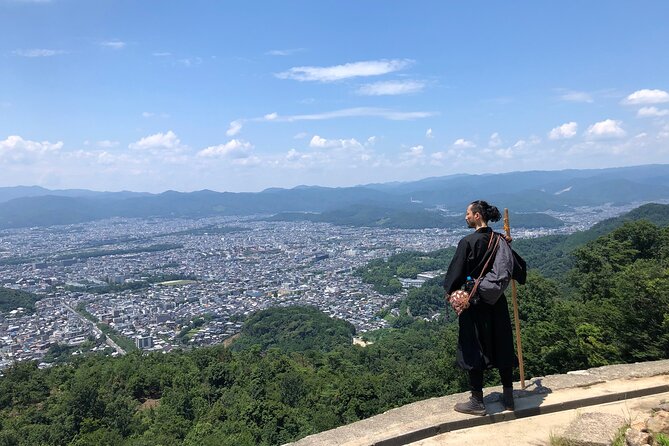
- Ninjutsu meets trail skills: survival-art principles applied to walking, breathing, and mental focus
- Mt. Daimonji and the Higashiyama 36 peaks: Kyoto’s power-spot area, approached on foot
- A 7.5 km route that’s described as relatively gentle and safe, with beginners in mind
- Guided by mountain walking and ninjutsu specialists, often including Izo Sensei
- Free admission at Mt. Daimonji (at that stop), helping stretch your value
- Starts at 10:00 am and returns to the meeting point, so you don’t burn time on logistics
Why Mt. Daimonji is the star, and why ninjutsu fits the hike
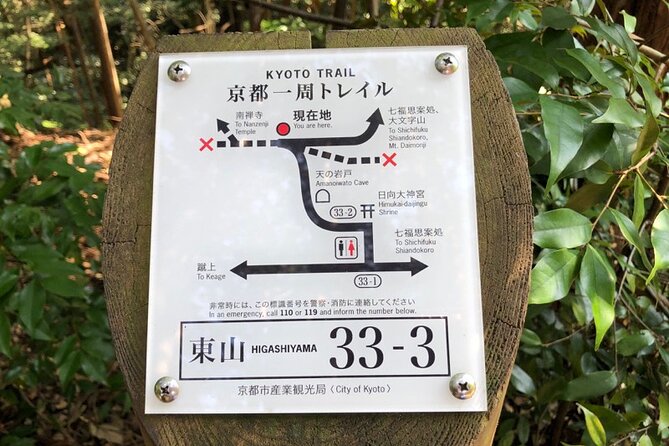
Kyoto has plenty of temple lists. This one feels different because you’re moving through a mountain zone tied to the Higashiyama 36 peaks, with Mt. Daimonji (in the Nyoigatake area) at the center of the story.
The tour’s premise is that ninjutsu is a survival system, not just cool costumes. So you’ll hear about training methods for body control, breathing, mind-and-body practice, and even meditation-style awareness. The key is that it’s not just lecture-style. It’s built into how you walk—how you place your weight, how you manage breath, and how you stay calm when the path tilts.
Even if you’re not into martial arts, I think this approach changes the whole hike. Instead of walking on autopilot, you’re practicing. You’ll notice where your effort goes. And that can make a moderate climb feel more doable—especially if you’re new to mountain walking.
Starting at NINJA DOJO and STORE Kyoto: what the morning sets up
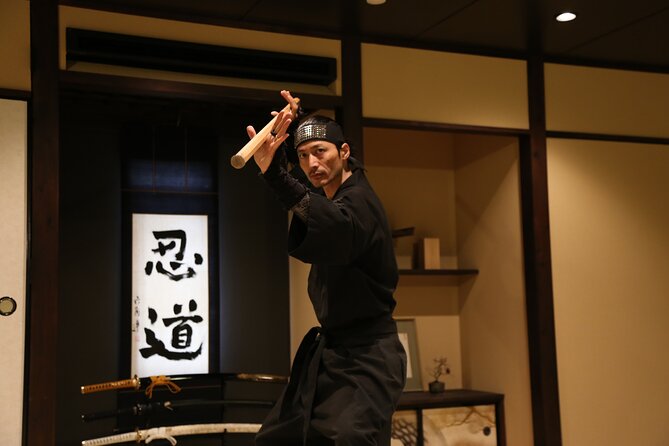
Your day starts at NINJA DOJO and STORE Kyoto Japan (Hakurakutenchō, Shimogyo Ward). The start time is 10:00 am, and the tour ends back at the same meeting point, which keeps the day from turning into a transportation scavenger hunt.
Because the experience is listed as a private tour/activity, only your group participates. That matters. In a smaller group setting, it’s easier to get personal pacing—especially if you’re learning something new like a breathing rhythm or a step pattern.
What I like about starting at a dojo base is that it gives you a mental switch. You’re not just arriving at a trailhead. You’re being prepared for the walk. Instructors such as Izo Sensei have guided people with tips focused on breathing and efficient movement, and that carries directly into how the hike feels once you’re outside.
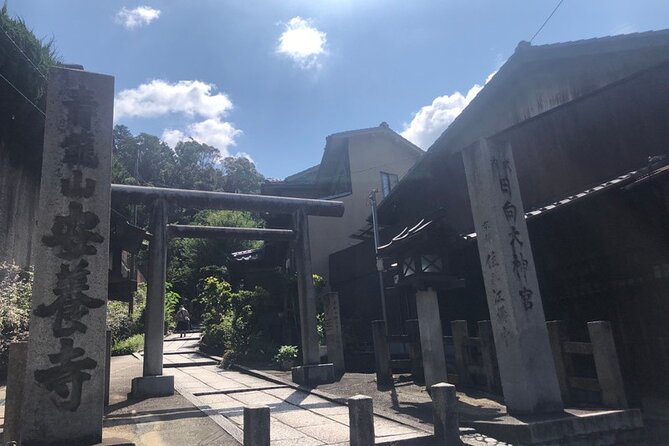
Also, don’t skip the small etiquette moments. One participant described learning the proper manners of bowing when passing through a torii area, plus practical “ninja way” thoughts like how to tie a mark when entering. Those details might seem minor, but they help you feel part of the practice instead of a tourist hovering at the edge.
Climbing from Keage (Nanzenji) toward Mt. Daimonji (Nyoigatake)
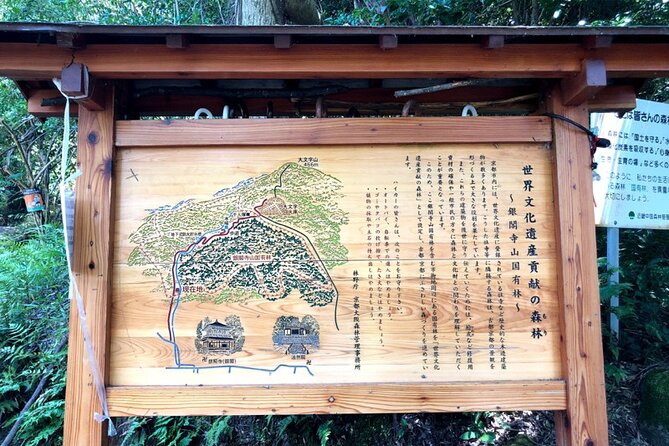
The walk is built around a simple route logic: you climb from Keage (Nanzenji area) up to Daimonji (Nyoigatake), then return downhill toward Ginkakuji.
Distance is about 7.5 km total, and the route is described as relatively gentle and safe. The wording matters. “Gentle” doesn’t mean flat—there will be a work-out feel at points. But the course is structured for gradual pacing, and the tour takes about 4 hours for a segment that’s normally around 3 hours when walked without a training focus. That extra time is where the lesson lives: slower pace, breathing practice, posture checks, and guidance on efficient steps.
This is also where the experience turns from sightseeing into training.
Here’s what you can expect you’ll be doing more than usual on a typical Kyoto walk:
- Practicing a breathing rhythm to help you manage effort
- Learning how to move your body with less wasted motion
- Keeping your mind steady as the path climbs
One review specifically called out breathing and efficiency of movement as standout takeaways. That’s consistent with the tour’s theme: your progress isn’t only about distance. It’s about walking skill.
Stop focus: Mt. Daimonji and the “power spot” feel
Mt. Daimonji is the emotional center of the walk. The experience calls this area one of Kyoto’s power spots, in the broader Higashiyama 36 peaks region. Whether you treat that concept spiritually or just as a meaningful label, the practical benefit is that you’ll reach the viewpoint zone feeling like you earned it.
At this stop, the tour lists admission ticket free, which is nice if you’re trying to watch costs while still doing a guided, specialist-led experience.
The walking lesson you’ll feel in your legs: breathing and efficient steps
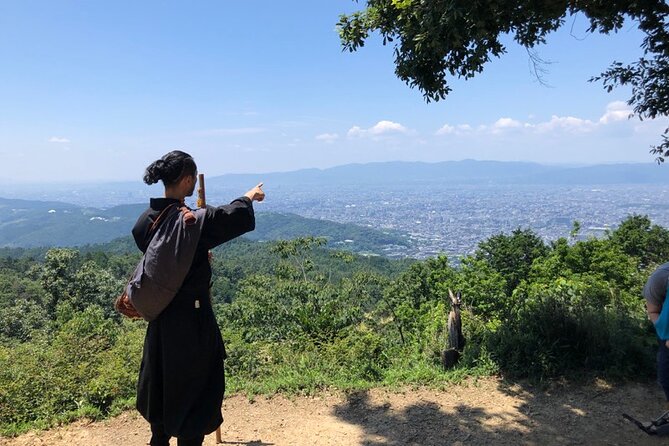
A Kyoto day can turn into a shuffle—one temple, one photo, one crowd—then repeat. This hike is the opposite. It’s a steady walking practice with a training spine.
When instructors teach breathing and movement efficiency, they’re basically helping you solve the same problem most beginners have:
- You get tense
- Your breath gets shallow
- Your steps turn heavy or sloppy
- You burn energy early
Guidance like what Izo Sensei provides—breathing tips and ways to improve movement efficiency—helps you avoid that spiral. You might not realize you’re doing it until someone shows you what to change. Then the difference becomes obvious within minutes.
Another participant described learning things like Kuji-in protection during the experience. Kuji-in is a kind of mental-spiritual technique often taught with focus and intention. I can’t promise what every group will emphasize, but the fact that these elements can show up tells you the tour blends body mechanics with a mindset approach.
And the meditation angle isn’t necessarily about sitting cross-legged. In a mountain setting, “meditation methods” can translate into focused attention while moving—staying calm, listening to your rhythm, and staying present.
Downhill to Ginkakuji: why the return matters more than you think
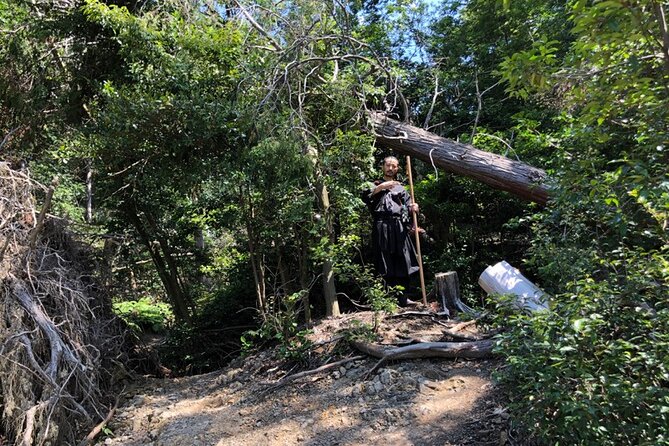
The descent toward Ginkakuji isn’t just “walk it off.” It’s a chance to practice control. Many hikes teach you how to climb. This one also asks you to keep your form under fatigue on the way down.
That’s where the ninja style of efficient movement can really pay off. Downhill is when people start pounding steps, tightening their legs, and losing their rhythm. A good guide will steer you toward quieter, more stable foot placement and pacing that prevents your knees from feeling punished.
The route overall is described as safe and relatively gentle, and participants have noted that while the hike can feel strenuous, it stays manageable because it’s not long in total distance. The lesson time also helps—because when you’re adjusting breath and movement, you’re not just rushing to “finish.” You’re learning how to finish with less stress.
A useful mindset for first-time hikers
One person in the group said it was their first time climbing a mountain, and the instructor walked in front so they could learn how to walk. That’s a big clue about who this tour suits.
If you’ve never hiked before, or you’re nervous about hills, you’ll likely feel more supported than in a self-guided hike. You’ll also get a structure: you’re not deciding pace on your own, and you’re not forced to “perform” for views. The primary goal is practice.
Price and value: what $347.48 buys in Kyoto terms
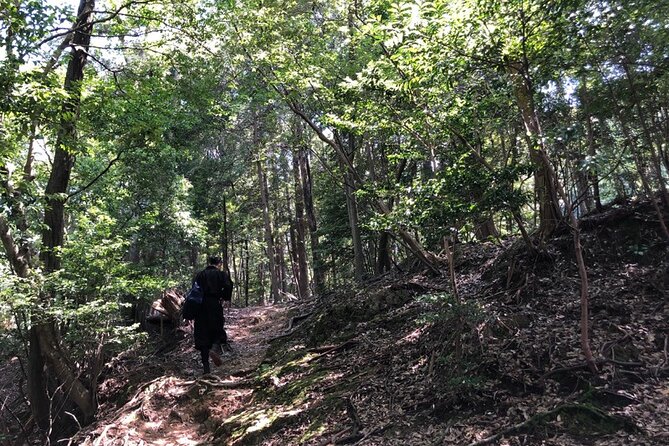
At $347.48 per person for a half-day, this isn’t a budget activity. So let’s talk value like a grown-up.
You’re paying for:
- Specialist instruction that focuses on skills (breathing, movement, training mindset), not just guiding
- A route connected to Kyoto’s Higashiyama 36 peaks and Mt. Daimonji area
- A private tour/activity setup, meaning only your group participates
- Time efficiency: about 4 to 5 hours, from a dojo base to mountain practice and return
You’re not paying for private transportation, and you’re not paying for snacks or bottled water, so those are costs you’ll handle yourself. But in return, your guide time is the product here.
If you compare it to a standard guided walking tour, the difference is the “how.” A regular guide tells you what you’re seeing. This experience tries to change how you move and how you think while walking. That kind of value can be worth it if you’re the type who likes learning a technique you’ll reuse after the trip.
If you mostly want photo stops and temple highlights with minimal effort, this might feel like more work than you expected. But if you want a training-style Kyoto experience, you’re in the right place.
What’s included, what’s not, and what you should bring
Included is listed clearly: all fees and taxes. At least at Mt. Daimonji, admission is free.
Not included:
- Restroom on board
- Private transportation
- Snacks
- Bottled water
That last part matters more than it sounds. A 4 to 5 hour guided trek can be surprisingly demanding, even on a route labeled relatively gentle. I recommend you plan for your own water and a small snack you can eat without rushing. Don’t make the hike harder than it needs to be.
Also:
- Bring any regular medications you need.
- Aim for at least moderate physical fitness. The tour is suitable for beginners, but it still includes a climb and a meaningful walk distance.
Quick packing checklist for this specific hike
- Comfortable hiking shoes with grip
- A small refillable water option (since bottled water isn’t included)
- A light snack
- Sun protection or a light layer depending on season
- Any personal medications
Who should book this, and who should choose something else
This tour fits best if you:
- Want an active Kyoto experience, not just a temple circuit
- Enjoy learning a skill (breathing, walking efficiency, mental focus)
- Like the idea of cultural practice—manners like bowing through a torii area, plus training concepts
It also works well for first-time mountain hikers who are willing to follow instructions. The route length is reasonable, and the tour pace includes extra time for the training component.
I’d skip it (or at least think twice) if you:
- Hate hills and want mostly flat walking
- Want a low-effort “wander and take photos” style day
- Forget basics like water and snacks and rely on luck
Should you book Ninja Trekking at Mt. Daimonji?
Yes, if you want Kyoto with a real activity core and you like the idea of learning how to walk better, breathe better, and keep your mind steady on an actual mountain route. The combination of ninjutsu-themed training and a 7.5 km guided hike through one of Kyoto’s power-spot areas is a rare blend.
No, if your main goal is easy sightseeing with minimal physical effort. This experience is gentle and safe by design, but it still asks you to hike.
If you book, go in expecting practice, not performance. Wear proper shoes, bring water and a snack, and treat the breathing and movement cues like homework you’ll actually enjoy.
FAQ
How long is the Mt. Daimonji ninja trekking tour?
It runs about 4 to 5 hours.
What distance will I walk?
The full course is about 7.5 km.
How hard is it, and who is it for?
It’s described as relatively gentle and safe, and it works for beginners. You should have at least a moderate physical fitness level.
What time does the tour start, and where do I meet?
The start time is 10:00 am. You meet at NINJA DOJO and STORE Kyoto Japan at 528 2F, Hakurakutenchō, Shimogyo Ward, Kyoto 600-8422.
Does the tour end back where it starts?
Yes. The activity ends back at the meeting point.
Is it a private experience?
Yes. It’s listed as a private tour/activity, and only your group participates.
What is included in the price?
All fees and taxes are included. The Mt. Daimonji stop lists admission ticket free.
What should I plan to pay for myself?
Snacks and bottled water are not included, and private transportation is not included. Restroom on board is also not included.
What happens if weather is bad or I need to cancel?
The experience requires good weather. If it’s canceled due to poor weather, you’ll be offered a different date or a full refund. You can cancel up to 24 hours in advance for a full refund.