Three days in Morocco’s high valleys feel effortless.
This trek is a guided small-group hike in the High Atlas with real village guesthouse nights, plus vehicle help and mules so you are not hauling everything on your back. You get a structured route through Imlil and the Azzaden region, with breaks at major waterfalls and time to see Berber villages and terraced fields up close.
I especially like how practical it is for getting into the mountains fast: the pickup and door-to-door transfers mean you spend less time coordinating rides in Marrakech. Second, the trip’s safety-first feel comes from having a local guide for the whole walk and baggage support by muleteers; in past departures, guides like Dris and Nassim have been praised for looking after people step by step.
One possible drawback: the second-night guesthouse is a bit basic (simple shower/bathroom, mattresses, and blankets), so if you want hotel-level comfort, adjust your expectations. Also, the route can shift with weather, so pack for cold and rain even if the forecast looks friendly.
In This Review
- Key things I’d watch before you go
- Why this 3-day Atlas trek works as a first mountain hike
- Getting from Marrakech to Imlil without wasting your trip
- Day 1: Imlil to Ait Mizane valley, terraced farms, and the big waterfall stop
- Day 2 in the Valley d’Azzaden: Tizi Mazzik climb, lunch under junipers, and Tizi Oussem
- Day 3: Matat and Idaissa village paths, Tizi Oudid pass, and river lunch
- Guesthouses, meals, and the practical comforts you should plan around
- Price and value: what $211.49 gets you (and why it adds up)
- What guides do well here (and how that shows on your hike)
- Who should book this trek, and who should choose something else
- Should you book the 3-Day Atlas trek from Marrakech?
- FAQ
- How many people are in the group?
- Where does the tour start in Marrakech?
- What’s included in the price?
- Do I need a sleeping bag?
- Is food available for vegetarians or vegans?
- How long is the hiking each day?
- Are there waterfall stops during the trek?
- What is the cancellation window?
Key things I’d watch before you go
- Group size max 15 keeps the pace human and the guide easier to ask questions.
- Mules and muleteers carry your luggage, so your hike stays focused on walking and photos.
- Major waterfall stops help break up the day and give you memorable Atlas scenery.
- Tizi climbs with scenic lunch on Day 2, including lunch under juniper trees with wide mountain views.
- Two nights in village guesthouses with coffee/tea and included meals that make the cultural side part of the trek.
- Weather-aware guiding: the route can change, and guides have been noted for handling those shifts calmly.
Why this 3-day Atlas trek works as a first mountain hike
This is the kind of Atlas Mountains trip that feels approachable without turning into a “drive-by” tour. You hike, but you also get support: transportation to the trailheads, guided routes between villages, and mule help for bags. It’s a great fit if you want real mountain time but you do not want to plan logistics on your own.
You also get a solid mix of sights. Day 1 centers on classic Imlil valley scenery and waterfall views, Day 2 leans into altitude and big waterfall moments, and Day 3 finishes with pass scenery and a river-side lunch back down in the valley world.
If you have moderate fitness, the walking style makes sense: your hike time is listed as roughly 4 to 5 hours on Day 1, 5 to 6 hours on Day 2, and about 5 hours on Day 3. And the tour notes say it suits all fitness levels, with a moderate physical fitness baseline—so the goal is steady hiking, not sprinting up passes.
You can also read our reviews of more tours and experiences in Marrakech.

Getting from Marrakech to Imlil without wasting your trip
The start is set up for convenience. You begin at Hôtel Restaurant Café de France near Jamaa el-Fna (Rue des Banques, Marrakech), and the experience offers pickup plus door-to-door round-trip transfers from your hotel area.
That matters because it protects your energy. You are not spending half a day trying to line up taxis, figure out local routes, or carry gear through busy streets. After about 40 minutes on the road, the trip includes a photo stop at the old Berber village of Azrou, then continues through Moulay Brahim gorges and the Asni valley before arriving in Imlil.
If you’re coming straight from the city, this kind of transfer is the difference between arriving mentally ready to walk versus arriving already tired.
Day 1: Imlil to Ait Mizane valley, terraced farms, and the big waterfall stop
Once you reach Imlil, you meet your local guide and start walking for about 4 to 5 hours through the Ait Mizane valley. Your luggage is taken by the driver so you can keep your pack light for the trail.
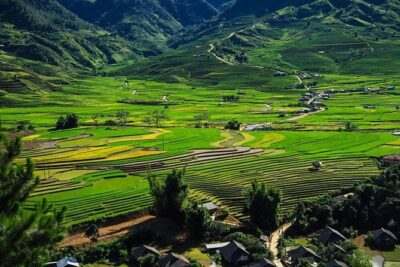
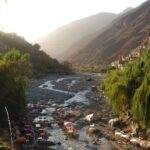
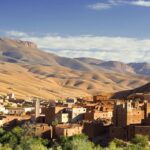
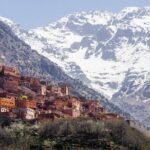
The walk is built around the textures of the High Atlas. You pass Berber villages around the Imlil area—places like Targa Imoula, Achayn, Arghen, and Mazzik—plus terraced fields where barley, corn, and vegetables grow in irrigated plots. This is the part where the mountains feel lived-in rather than just scenic.
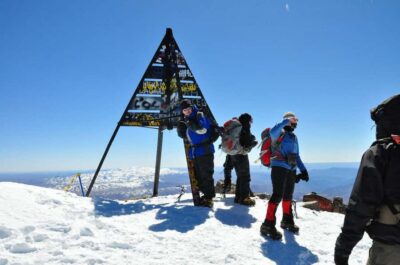
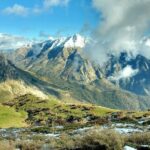
There’s also a standout viewpoint moment: you stop near Armed with views that include Toubkal (listed as the highest peak in northern Africa at 4167 m). And the day’s rhythm includes a key waterfall encounter, which is a smart way to break up the hike and refresh your eyes before continuing village-to-village.
Practical note: bring good traction shoes. Even when trails look “easy,” mountain paths can get slippery when weather turns.
Day 2 in the Valley d’Azzaden: Tizi Mazzik climb, lunch under junipers, and Tizi Oussem
Day 2 starts after breakfast, and you’ll work with your guide and the muleteer to manage luggage before heading deeper into the next valley: Azzaden.
The hike opens with a gentle walk down toward the center of Imlil (listed at 1750 m), then shifts into a climb all the way to Tizi Mazzik at 2480 m. That altitude gain is why Day 2 is the “bigger workday,” and it helps explain why lunch is scheduled with generous time for views.
Lunch is served outdoors under juniper trees, with stunning views across many peaks and valleys. It’s one of those practical details that turns the day from effort-only into a real pause you will remember.
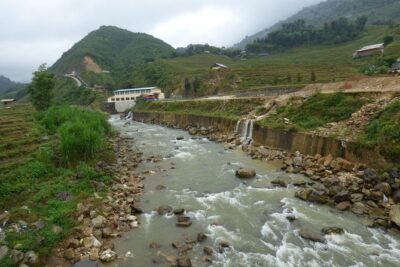
After lunch, you continue at a similar level toward the region’s biggest waterfall. You get a break by the waterfall and then follow shepherd paths down to Tizi Oussem for the second night (1900 m).
Evening options are part of the culture. There’s a possibility to experience a Berber hammam (steam bath) for a reasonable price, and you can also assist in preparing dinner if you want to be more involved.
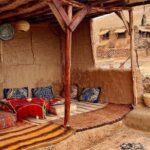
The accommodation here is where you should set expectations. The tour info says this second-night guesthouse is more basic—simple shower/bathroom, mattresses, and blankets are provided. That does not mean it is uncomfortable, but it does mean you should pack with a “mountain simplicity” mindset.
Day 3: Matat and Idaissa village paths, Tizi Oudid pass, and river lunch
You start Day 3 with breakfast taken on the rooftop of the guest house—an easy way to enjoy the morning without rushing. Then you set off with an easier walk along a dirt road to Idaissa village before switching to the trail path up toward Tizi Oudid pass (2010 m).
The pass moment is followed by a small snack break with dried mixed nuts. Then you hike down through Matat village toward Agrsioual.
This is the day’s “payoff” section. You get the work of the pass, then the satisfaction of descending through villages and finishing the loop. The day winds down with lunch served by the river, and then you meet your driver for the transfer back to Marrakech.
Expect around 5 hours of hiking on Day 3. It’s shorter than Day 2 and feels like a good transition out of the high-valley rhythm.
Guesthouses, meals, and the practical comforts you should plan around
This trek includes food that does more than fill you up. You get two breakfasts, three lunches, and two dinners, plus coffee and/or tea with the guesthouse meals. That’s a big value point because you are not constantly hunting for cafés during the walk.
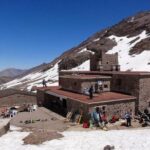
Blankets are provided in the guesthouses, and the information notes that sleeping bags are not included—so bring layers you can sleep in if you run cold. The cold in the Atlas can surprise people, especially outside the main warm season, so the tour advises warm and waterproof clothing, and good boots in winter months.
Bottled water is not included, but the info says you can buy it at many points along the trek. I still recommend carrying a small amount with you at the start, then topping up when you find a place to buy.
Dietary needs are handled too. Vegetarian and vegan requirements are available, so you should be able to eat comfortably if you tell the operator in advance.
Price and value: what $211.49 gets you (and why it adds up)
At $211.49 per person, this is not priced like a “budget bus ride into nature.” You’re paying for a package that combines the expensive parts: transport between Marrakech and the trail area, a local professional guide, mules and muleteers for luggage, and two nights’ lodging in village guesthouses.
When you break it down, the value is in the structure:
- You get a guided route through multiple valleys rather than wandering.
- You get baggage support, which changes how you feel by Hour 3.
- You get included meals and warm drinks, which prevents the trek from turning into a snack scramble.
You also get the small-group cap of 15, which can help you feel less like you are on a conveyor belt. If you like guided travel that still feels personal, this setup is likely a good match.
What guides do well here (and how that shows on your hike)
Guides are doing more than giving directions. They’re managing the day’s timing, keeping the route safe, and adjusting plans when conditions change. The tour info explicitly says the route option is subject to change with weather, and the guide support is part of why that matters.
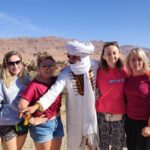
In past experiences with guides like Nassim and Dris, the emphasis has been on looking after people and prioritizing safety. Even without knowing your group’s exact energy level, a good guide helps you keep a steady pace and avoids that common problem where everyone gets separated.
You’ll also feel the guide’s role in where you stop: waterfall breaks, village viewpoints, and the lunch timing all make the day flow instead of feeling like continuous effort.
Who should book this trek, and who should choose something else
Book it if you want:
- A guided Atlas Mountains walking experience with real village connections.
- Mule support and vehicle transfers so you can focus on hiking.
- Included meals and two guesthouse nights without planning everything.
Consider another option if:
- You need hotel-style bathrooms every night. The second guesthouse is described as basic.
- You cannot hike at least a moderate daily pace, since you’ll be out on trails for about 4–6 hours depending on the day.
This also suits couples, friends, and solo travelers who like small-group travel. If you prefer total freedom with no schedule, you might find a guided loop feels too structured—but for most people, the structure is the point.
Should you book the 3-Day Atlas trek from Marrakech?
Yes, if you want a well-supported introduction to the High Atlas and you’re okay with simple guesthouse comfort on the second night. The combination of mule luggage support, included meals, and a small group makes the experience feel thoughtful rather than rushed.
I’d book it especially if you like scenery with context: villages, terraced farms, and the big waterfall moments at real stops, not just scenic overlooks. If you’re going in cooler months, plan for weather and bring proper waterproof layers. That one move protects the whole trip.
FAQ
How many people are in the group?
The group is limited to a maximum of 15 travelers.
Where does the tour start in Marrakech?
The meeting point is Hôtel Restaurant Café de France, Rue des Banques, near Jamaa el-Fna, Marrakech 40000, Morocco.
What’s included in the price?
The package includes hotel pick up and drop off, transportation, a local professional guide, mules and muleteers, coffee and/or tea, 2 breakfasts, 3 lunches, and 2 dinners.
Do I need a sleeping bag?
No. Blankets are provided in the guest houses.
Is food available for vegetarians or vegans?
Yes. Vegetarian, vegan, or other dietary requirements are available.
How long is the hiking each day?
Day 1 is about 4 to 5 hours, Day 2 is about 5 to 6 hours, and Day 3 is about 5 hours.
Are there waterfall stops during the trek?
Yes. Day 1 includes a main waterfall of the area, and Day 2 includes the biggest waterfall of the region.
What is the cancellation window?
You can cancel for a full refund up to 24 hours before the experience’s start time. If you cancel less than 24 hours before, the amount paid is not refunded.