REVIEW · MARRAKESH
2 Days Mount Toubkal ascent trek via Ait Mizane Valley
Book on GetYourGuide →Operated by Berber Tours & Adventures · Bookable on GetYourGuide
Toubkal is a mountain you feel in your legs. This 2-day trek from Marrakech to North Africa’s highest peak pairs Berber village life with a high-altitude summit push to 4167m. I especially like how the route is paced with breaks and real stops, like the picnic near the shrine at Sidi Chamharouch, instead of just rushing up.
My other favorite part is the mountain food setup: a dedicated cook handles meals, and you get mint tea and snacks during the trek, not just dry trail calories. One real consideration: this hike takes you into big altitude, so if you’re altitude-sensitive or have limited stamina, the early starts and steep final hours can feel like a lot.
In This Review
- Key Highlights You’ll Actually Care About
- Marrakech to Imlil: Getting Into Atlas Mountain Mode
- The Sidi Chamharouch Picnic: A Shrine Stop That Breaks Up the Climb
- Ait Mizane Valley and Berber Villages: Where the Trek Feels Real
- Toubkal Refuge at 3200m: Dinner, Mint Tea, and Sleeping Under Stars
- 5:30am Sunrise Climb: How the Summit Push Really Feels
- Guides, Food, and Safety: Why the Trek Runs Like a Real Operation
- What to Pack for Cold Nights and Rocky Steps (and What You Can Rent)
- Price and Value at $177: What You’re Really Paying For
- Who Should Book This Toubkal Trek (and Who Should Skip It)
- FAQ
- How long is the Mount Toubkal ascent trek?
- What’s included in the price?
- Do I need to bring hiking equipment?
- What’s the daily schedule?
- Is the trek guide only English?
- How big is the group?
- What should I bring for this trek?
- Is travel insurance included?
- Should you book this Toubkal trek?
Key Highlights You’ll Actually Care About
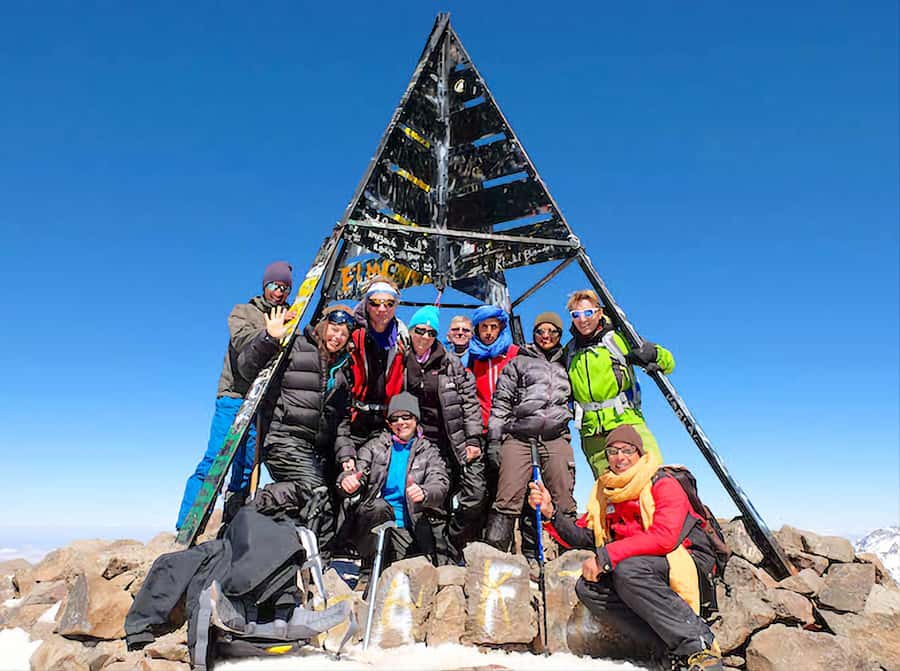
- Small group (up to 10) means you hike with fewer people and get more attention when you need it.
- Early day-two start (5:30 am) is built around reaching the summit in good light.
- A night at the Toubkal refuge (3200m) keeps you high without dealing with camping logistics.
- Real Berber village encounters along the Ait Mizane Valley route make the trek feel local, not staged.
- Guides who manage pace and safety (names like Mohamed, Hassan, Houssain, and Mustafa show up repeatedly in guides you may be assigned).
- All meals included on the trek with a cook doing the work for you.
Marrakech to Imlil: Getting Into Atlas Mountain Mode
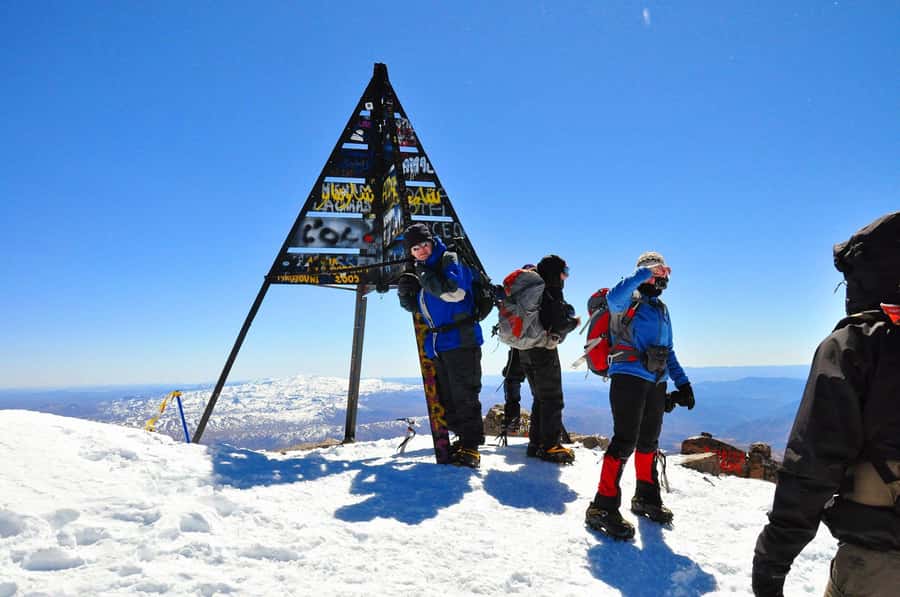
The day starts with a pickup from your Marrakech hotel at 8:00 am, then a drive toward the High Atlas. If your riad is easy for a car to reach, the driver meets you at the lobby. If you’re tucked inside the Medina where cars can’t go, you’ll want to coordinate a practical meeting point (having a working WhatsApp number helps a lot).
I like the way this logistics-first approach matters on a trek like this. You’re not wasting half your day searching for the correct corner or carrying heavy gear longer than you need. And because your group is limited to 10 participants, the handoffs tend to feel smoother.
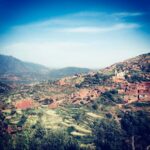
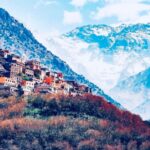
Once you reach Imlil (around 1700–1740m), you’re not just starting to walk—you’re getting oriented. You’ll tour Imlil, then head into the Ait Mizane Valley area, passing through places like Aremd along the way. This helps you understand what you’re walking through: terraced slopes, homes along the path, and people moving through the same mountain days you’re visiting.
You can also read our reviews of more tours and experiences in Marrakesh.
The Sidi Chamharouch Picnic: A Shrine Stop That Breaks Up the Climb
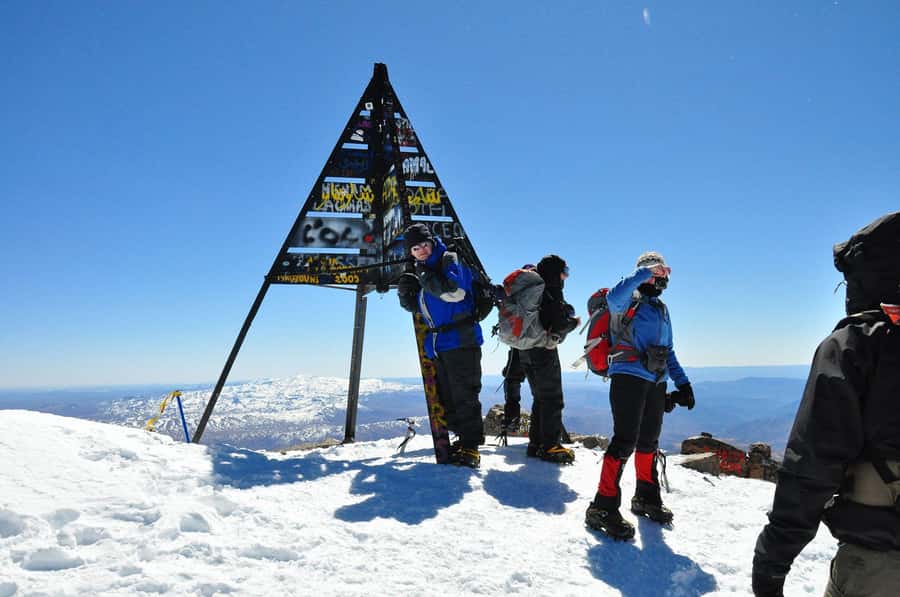
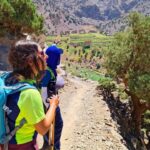
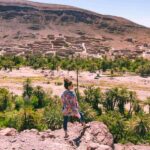
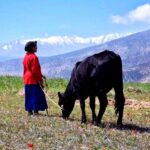
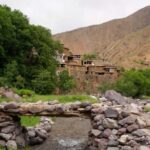
After leaving Imlil, you’ll hike through Berber villages with time for stops, conversation, and photos. The trek doesn’t feel like a straight line up a staircase. It moves with the valley life, then builds altitude gradually.
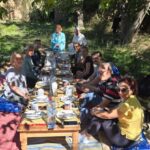
A key moment is the scenic picnic lunch near the shrine of Sidi Chamharouch at about 2500m. This is the kind of stop that’s easy to underestimate when you look at a route map. At this point, you’ve worked for your lunch, and being at a higher altitude changes everything: cooler air, sharper light, and wider views when the clouds cooperate.
Practical note: a picnic near a shrine means you’ll likely see locals using the area as part of daily spiritual and social life. So keep your tone respectful, and avoid treating it like a theme-park photo spot. You’ll get more from the moment if you slow down and actually look around.
Ait Mizane Valley and Berber Villages: Where the Trek Feels Real
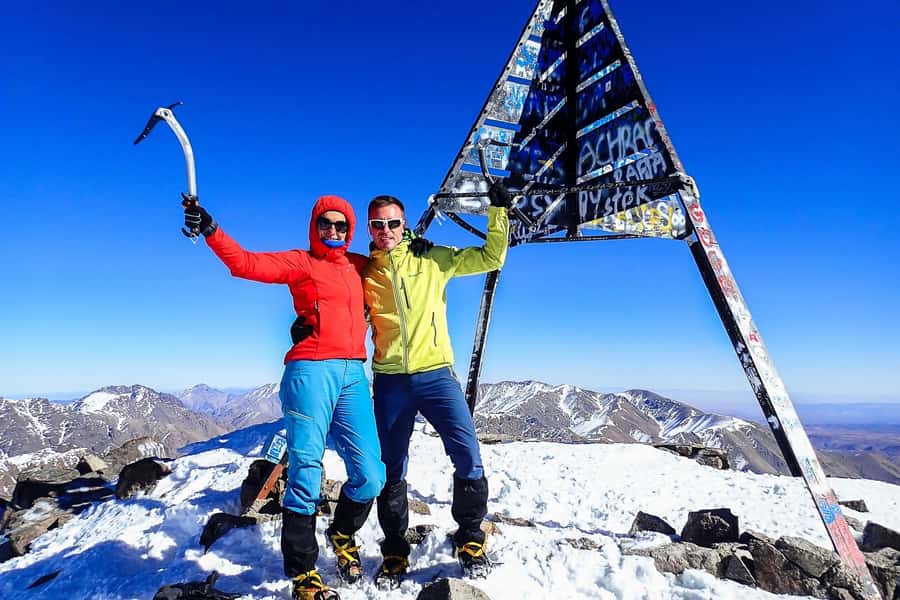
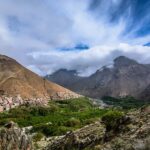
The Ait Mizane Valley route is one of the reasons this feels more than just a summit itinerary. You’re hiking through a lived-in mountain corridor, not a remote trail cut off from everything else. That matters, because the climb is demanding enough on its own—having village scenes and small human moments breaks the mental strain.
On this day, you’ll keep encountering Berber households and village paths as you go. Your guide is the key here. In the mountain context, a good guide doesn’t just point out sights. They help you keep a steady pace, explain what you’re seeing, and keep everyone on track for the night plan.
The guides associated with this trek come up again and again in strong ways. People mention Mohamed for careful prep before the summit push, Hassan for patience with slower hikers and support during altitude concerns, and Houssain for cultural and daily-life insight in the Imlil valley. If you end up with someone like that, you’ll feel it most on the tough hours—when calm guidance matters as much as motivation.
Toubkal Refuge at 3200m: Dinner, Mint Tea, and Sleeping Under Stars
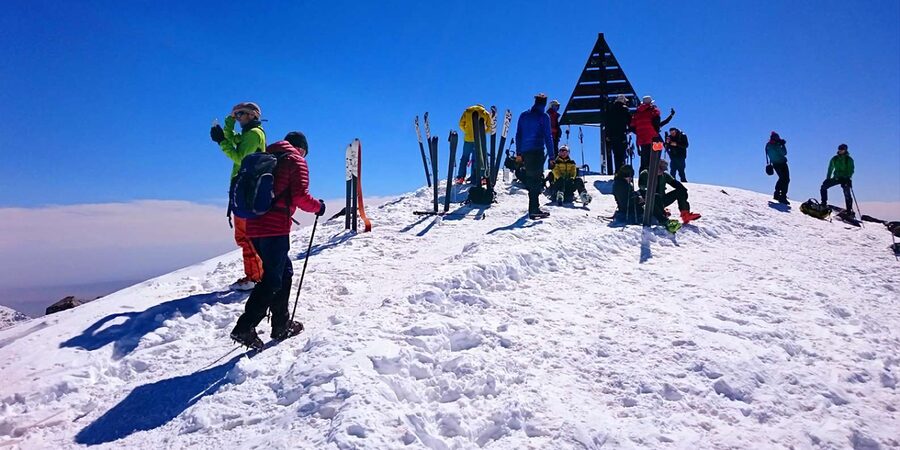
You reach Toubkal refuge around 3200m on day one, and that’s a turning point. At this altitude, the mountain shifts from “walkable sightseeing” into “proper mountain night.” Your job becomes easier, but your comfort choices become more important.
At the refuge, you’ll typically enjoy mint tea, an optional shower, and a traditional Moroccan dinner. A lot of trips forget that food is part of the summit plan. Here, meals are part of the package: you’re not stuck trying to snack your way through the evening.
Overnight is at the refuge—or in tent accommodations during summer months, depending on conditions. Either way, you’re sleeping high enough to feel the cold at night, so pack for temperature swings, not just daytime warmth.
One of the underrated benefits of staying at the refuge is mental. You’ll be able to wake up without juggling camping setup, extra gear, or last-minute route decisions. And because there are scheduled meals, you can focus on hydration and rest instead of worrying about logistics.
5:30am Sunrise Climb: How the Summit Push Really Feels
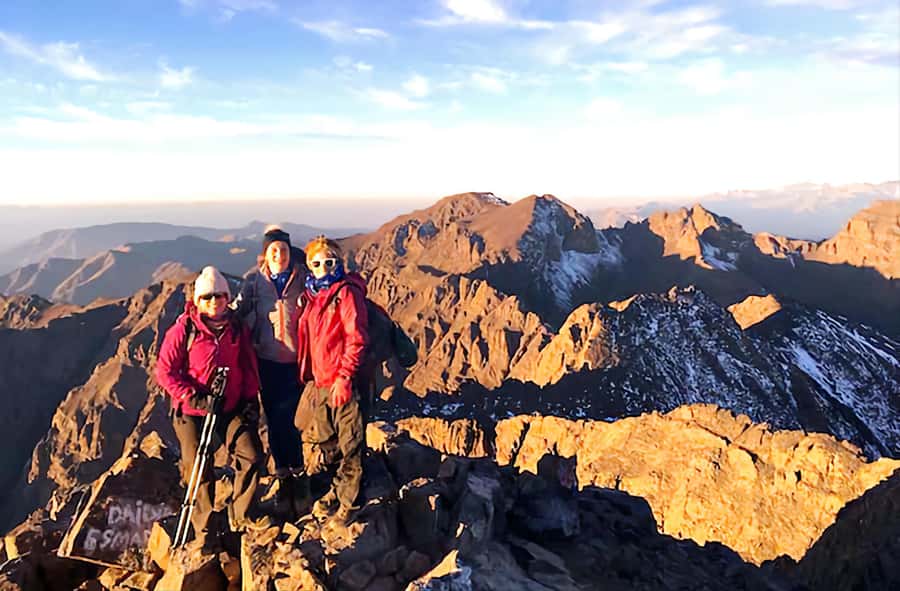
Day two begins with an early breakfast around 5:00 am, and then the climb starts at 5:30 am. This timing is the whole point of doing Toubkal in two days instead of turning it into a random “whenever we feel like it” hike.
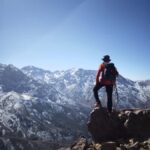
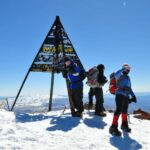
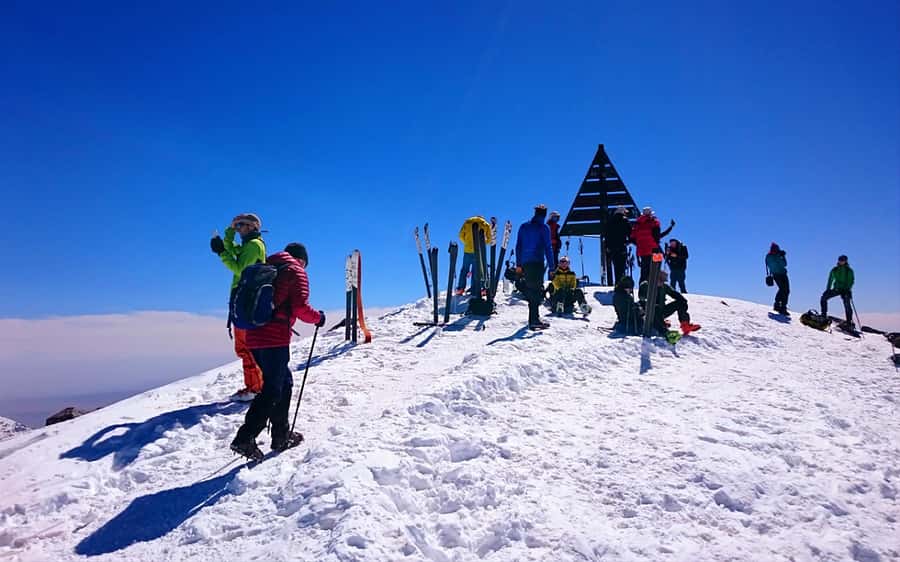
Expect 3–4 hours for the ascent to the summit (weather and group pace can change that). The goal is Toubkal’s summit at 4167m, with panoramic views of the High Atlas. You’ll spend about 25 minutes at the top, then head down for lunch back at the refuge.
The reason I think this timing is smart: your body is fresh at the start, and the cold morning air often makes the climb feel steadier. The tradeoff is obvious—early mornings are early mornings. But if you want the summit experience and not just the “we tried” version, this schedule is built for it.
Also, be honest about your pace. If you’re slower, that’s not a failure. One of the strengths of guides on this route is support and pacing. People specifically mention patience and encouragement during summit struggles, including help during altitude sickness concerns. That kind of guidance can mean the difference between quitting early and finishing smart.
Guides, Food, and Safety: Why the Trek Runs Like a Real Operation
This is where the trek earns its reputation. The structure isn’t just for convenience. It reduces friction in the most stressful part of the trip: the altitude hours.
You get an English-speaking tour guide and, depending on your group and assignment, guides may also speak multiple other languages including Arabic, Dutch, French, Japanese, Korean, Polish, Spanish, Portuguese. A multilingual team matters if you’re not comfortable with basic hiking English, because clearer communication helps with pace and safety.
Then there’s the cook and meal system. A lot of budget hikes say meals are included but treat them like an afterthought. Here, meals are actually handled by a cook during the trek, which you feel in the quality and consistency. Based on feedback, people regularly highlight the cooking and well-prepared lunches, breakfasts, and dinners—exactly what you want before a 5:30am climb.
For me, that level of organization supports the most important thing: keeping you moving without making you panic. When conditions change, a capable team also adapts. There’s an example of weather preventing the summit, with the guides handling it by planning an alternative hike instead of scrambling the whole group. You’ll sleep better knowing your trip plan has backup built into how they operate.
What to Pack for Cold Nights and Rocky Steps (and What You Can Rent)
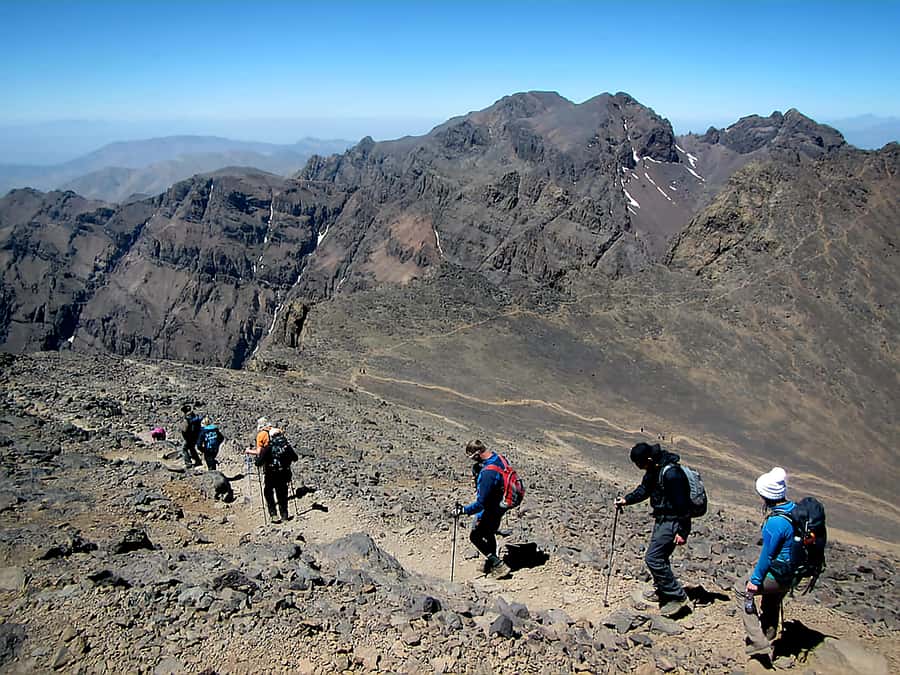
Bring warm clothing and plan for fast weather shifts. You’ll want good hiking shoes (ideally waterproof with ankle support), plus rain gear. Daylight may feel manageable; night at 3200m and early morning at high altitude can bite.
The packing list here is more detailed than most, and it’s worth following because it’s tuned to the reality of the trek:
- a sleeping bag
- hat/cap and gloves
- a windproof fleece or softshell jacket
- comfortable hiking trousers
- hiking poles and suitable socks
- a flashlight or headlamp
- toilet paper, small bin bags, and a small first-aid kit
- sunglasses and sunscreen
- water bottles (plus enough to stay hydrated)
Equipment can be rented in Imlil, so you don’t have to arrive with everything perfect. Still, prioritize the items that keep you safe on uneven stone: footwear, poles, and layers.
One smart approach is using one or two backpacks for personal items, keeping the trek load manageable and easy to access. You’ll be glad you can reach essentials like gloves, headlamp, and water without unpacking.
Price and Value at $177: What You’re Really Paying For
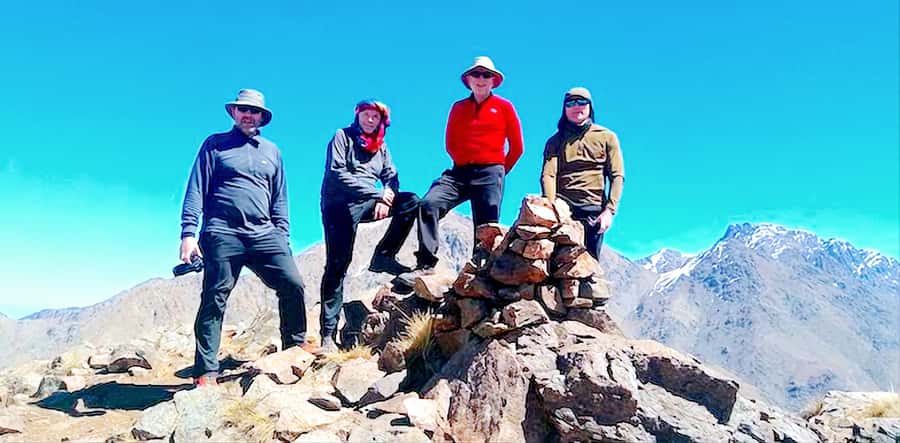
At $177 per person for a 2-day, high-altitude trek, the value isn’t just the walking. You’re paying for:
- round-trip transfers between Marrakech and the trek start/finish
- an English-speaking guide
- all meals during the hiking portion
- a dedicated cook
- one night accommodation at the refuge
- tea, coffee, and snacks
- guide-arranged equipment rental access in Imlil
What’s not included is also important. Personal expenses, travel insurance, and equipment (though it’s available to rent in Imlil) are not included.
So if you were thinking about doing this independently, the money goes into two things most people underestimate: coordination and meal logistics at altitude. The guide system also helps with pace management, which becomes critical when the climb starts early on day two.
With a rating around 4.3 from 45 reviews, the consistent theme is organization, caring guides, and solid food. That track record matters more here than fancy marketing, because you’re buying a safe, timed effort up and down a real mountain.
Who Should Book This Toubkal Trek (and Who Should Skip It)
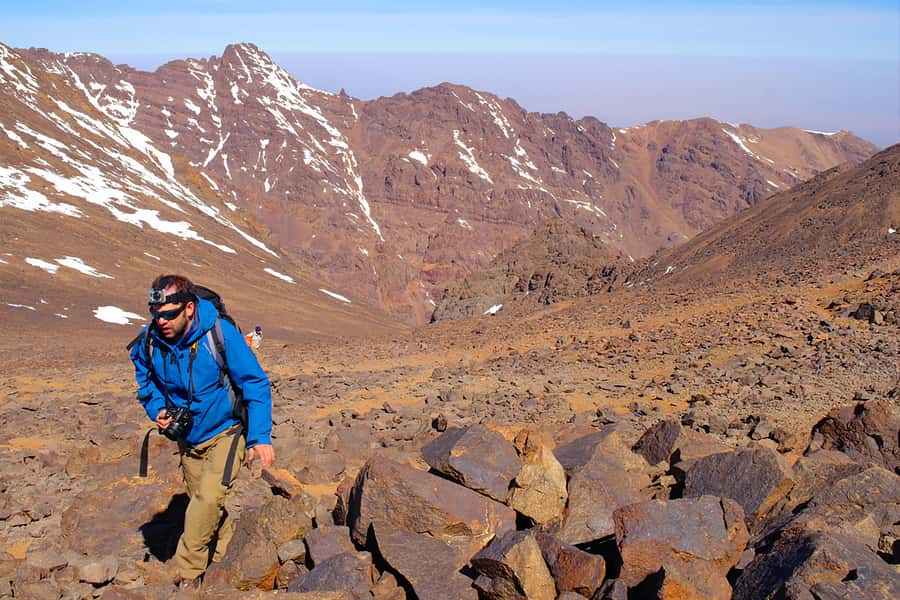
This is a great match if you want:
- a two-day summit-style challenge to the highest peak in North Africa
- Berber village scenery instead of only trail views
- a refuge night and food handled for you
- a small group where the guide can actually manage the group
It’s probably not the right fit if you:
- are pregnant
- exceed 287 lbs (130 kg)
- have altitude sickness issues
- are traveling with babies under 1 year
Also, take weather seriously. This trek includes a summit attempt, but mountain conditions can change. The practical advice is to choose good weather windows when possible, and accept that guides may adjust plans if the mountain isn’t cooperating.
If you’re the type who likes structure—pickup timing, scheduled meals, a guide pacing you—this will feel comforting. If you hate early mornings and cold nights, you’ll feel the tradeoffs fast. But if you can handle that, you’ll get a memorable, high-altitude day-two morning and a satisfying descent back to Marrakech life.
FAQ
How long is the Mount Toubkal ascent trek?
It runs for 2 days.
What’s included in the price?
Included are transfers from Marrakech to the starting point and back, an English-speaking tour guide, all meals during the hiking tour, one night accommodation at the refuge, and coffee/tea/snacks during the trek.
Do I need to bring hiking equipment?
You can rent equipment in Imlil, but equipment itself is not included. You should still bring the rest of your essentials like warm layers, shoes, and a sleeping bag.
What’s the daily schedule?
Day one starts with an 8:00 am pickup in Marrakech, hiking from Imlil to Toubkal refuge (around 3200m). Day two includes breakfast around 5:00 am, summit start at 5:30 am, then descent and return to Marrakech.
Is the trek guide only English?
Your guide is listed as English-speaking, and the tour may be conducted in other languages such as Arabic, Dutch, French, Japanese, Korean, Polish, Spanish, Portuguese.
How big is the group?
It’s a small group, limited to 10 participants.
What should I bring for this trek?
Bring warm clothing, rain gear, hiking shoes, a sleeping bag, headlamp/flashlight, gloves, toilet paper, sunglasses, sunscreen, water bottles, and hiking essentials like poles and socks.
Is travel insurance included?
No. Travel insurance isn’t included.
Should you book this Toubkal trek?
If you want a well-timed, guided route up to 4167m with Berber village experiences and the comfort of organized meals and a refuge night, I’d say yes—especially if you like small groups and clear structure. If altitude is a concern or cold, early mornings, and a demanding climb sound like your personal nightmare, then it’s smarter to choose a gentler plan.