REVIEW · MARRAKESH
Marrakech: 2-Day Atlas Villages Trekking Tour
Book on GetYourGuide →Operated by Tours From Marrakech · Bookable on GetYourGuide
A trek in the Atlas feels like another world. This 2-day High Atlas villages tour trades Marrakech traffic for mountain roads, Berber villages, and hikes with local guides like Rabia, Mustapha, or Lahcen. You’ll also get a night in the region, so the trip doesn’t feel rushed.
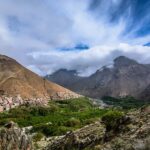
What I like most is the blend of walking and real village time—tea, family meals, and activities such as henna engraving and women’s cooperatives. The second highlight is the views from the valleys and gorges, especially after breakfast on a rooftop with a wide panorama before the day’s hike.
The one drawback to consider is physical pace. You’ll choose between shorter and longer walking days, but Day 2 is typically a 3–4 hour hike, and the tour is not suitable for people with heart problems.
In This Review
- Key things you should know before you pick this trek
- Why this Marrakech-to-Atlas tour works better than a day trip
- Day 1: The mountain drive, argan cooperatives, and Tinmel School
- Lunch in a Berber family setting: what it adds to the itinerary
- Your overnight in the Atlas: riad/guesthouse comfort with mountain calm
- Day 2: The Agoundiss Valley gorge hike (and why it feels purposeful)
- Activities that earn their place: argan, carpets, pottery, henna, and livestock
- Price and value: what $106 really buys you
- Getting the best day from your body and your camera
- Who should book this High Atlas villages trek
- Should you book this Marrakech: 2-Day Atlas Villages Trekking Tour?
- FAQ
- How long is the hiking each day?
- What’s included in the price for this 2-day tour?
- Do I get to do henna on the tour?
- Is a camel ride part of the program?
- Which languages are the guides available in?
- Is the Tinmel School included?
- Is this tour suitable for everyone?
Key things you should know before you pick this trek
- You hike with options: most days are 1–4 hours on foot, based on what you choose.
- The Day 2 hike is the main event: a 3–4 hour trek in the Agoundiss Valley gorge with a guide.
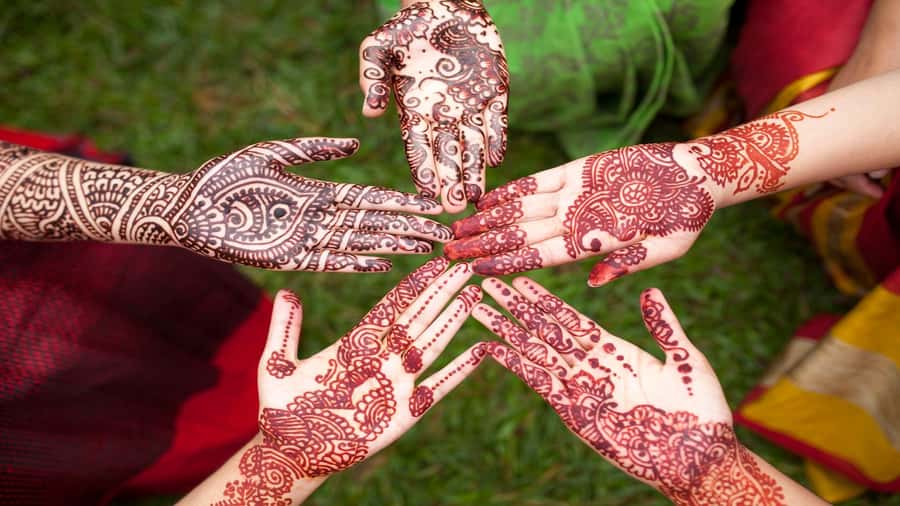
- Argan and henna are built in: you’ll visit an argan-focused women’s cooperative and do henna engraving.
- You see major local landmarks: Tinmel School (12th century) and the Kasbah of the Dukouj (1880 AD).
- Camel ride or horseback is included: about 30 minutes as part of the Day 1 program.
- One night in the mountains matters: it adds calm, good food, and a more authentic feel than a day trip.
Why this Marrakech-to-Atlas tour works better than a day trip
If you only do a day trip from Marrakech, it’s easy to spend most of your time in the car. Here, you get a full overnight in the Atlas region, which makes the mountains feel less like a stop and more like a place.
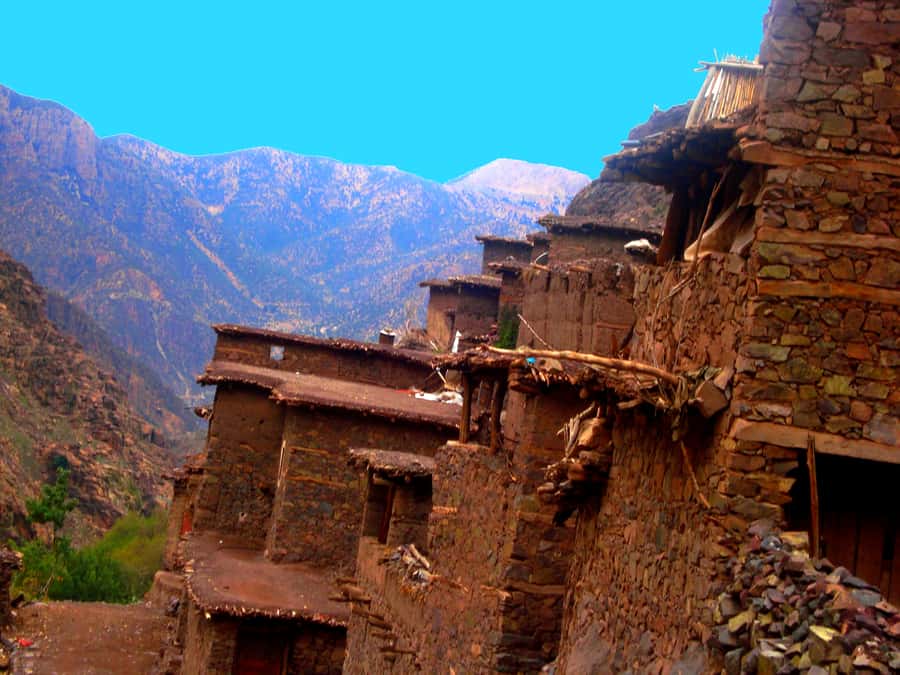
The tour is also built around meeting Amazigh (Berber) communities in everyday settings, not just taking photos from the road. You’ll drink tea with locals, share meals, and join hands-on activities like henna engraving and cooperative visits.
You’ll still see plenty of scenery from the vehicle too, with picture stops along the way. But the real payoff is that your second day is primarily on foot, guided through valleys and village routes.
You can also read our reviews of more tours and experiences in Marrakesh.
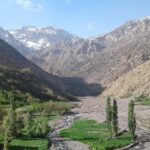
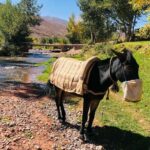
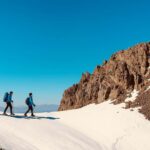
Day 1: The mountain drive, argan cooperatives, and Tinmel School
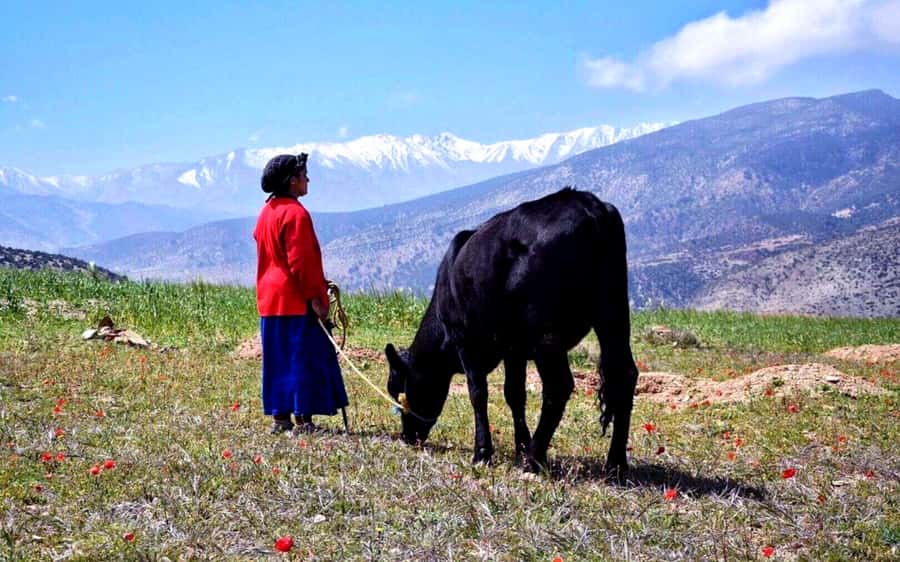
Day 1 starts with a 2.5-hour drive from Marrakech in an air-conditioned vehicle. After about an hour, you’ll stop for exploration, including memorial-photo-style moments at older villages and a visit to a women’s cooperative in the village of Molay Ibrahim (around 45 km from Marrakech).
This is where the trip slows down a bit. You’ll stop for authentic Moroccan tea and learn about argan—what it is, how it’s used, and how it supports local livelihoods. If you like food and small production details, this part is usually one of the best uses of time in the day.
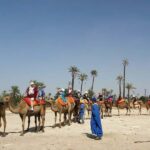
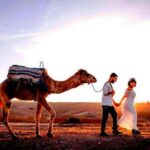
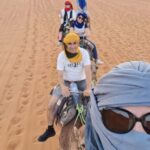
Next up is an optional short ride stop: camel ride or horseback for about 30 minutes. It’s not a long activity, but it adds variety after a couple of hours in transit.
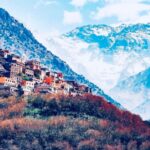
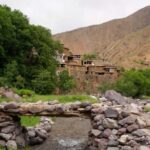
As you continue toward the High Atlas, the driving route includes scenic valley views and remote villages, plus photo stops. Eventually you reach Oued Akoundiss, where you visit the Tinmel School, built in the 12th century.
After the school visit, you’ll walk through remote villages with a guide. The walk here is typically lighter than the next day’s main hike, and it helps you get used to the terrain before the longer trek.
Lunch in a Berber family setting: what it adds to the itinerary
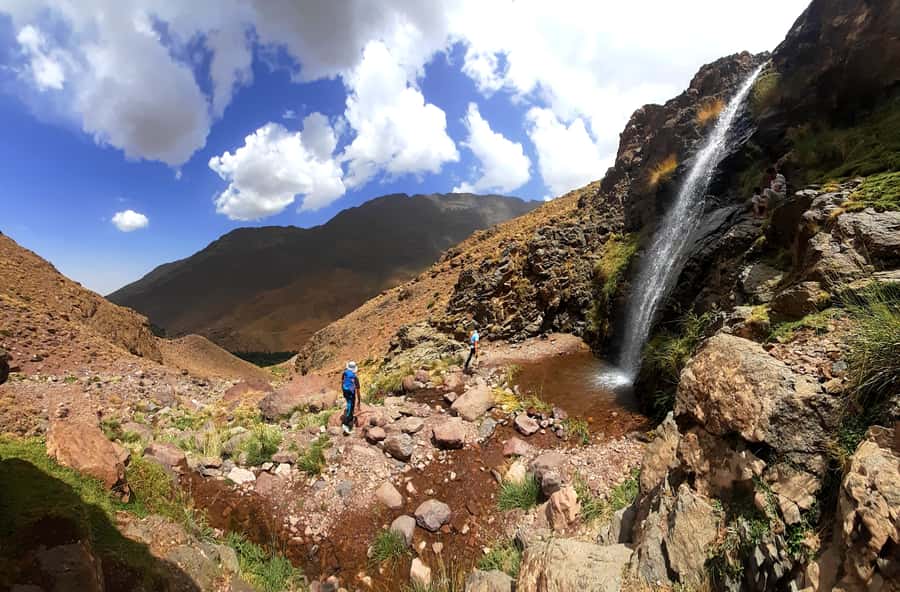
You’ll have lunch on a terrace with a Berber family in Ijokak, and the setting is part of why the meal feels memorable. It’s not a generic restaurant stop; the day is paced around being with people and seeing the rhythm of village life.
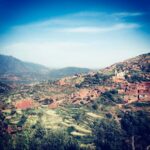
After lunch, the schedule continues with a short drive (about 20 minutes) through villages with dirt houses and big views over fields of barley, corn, and vegetables. You’ll also pass through areas with almond and walnut trees, which makes the drive feel tied to agriculture rather than just scenery.
This first day is a mix of “see” and “do.” That balance matters because the tour isn’t only about a strenuous walk. It’s also about understanding how the mountains connect to daily life.
Your overnight in the Atlas: riad/guesthouse comfort with mountain calm
By evening, you head for your night in the Atlas Mountains riad/guesthouse area. Many travelers love this part because you’re no longer scheduling your whole life around Marrakech.
The overnight places mentioned include options such as Maison de Haute Atlas Ijoukak and Maison d’aunt (in Ljoukak/Ijoukak area). Even when rooms are simple, the key win is the atmosphere—warm hospitality, local cooking, and a chance to slow down.
Breakfast on Day 2 is served on a rooftop with wide views. That might sound like a small detail, but it changes the feel of the hike before you even start walking.
Day 2: The Agoundiss Valley gorge hike (and why it feels purposeful)
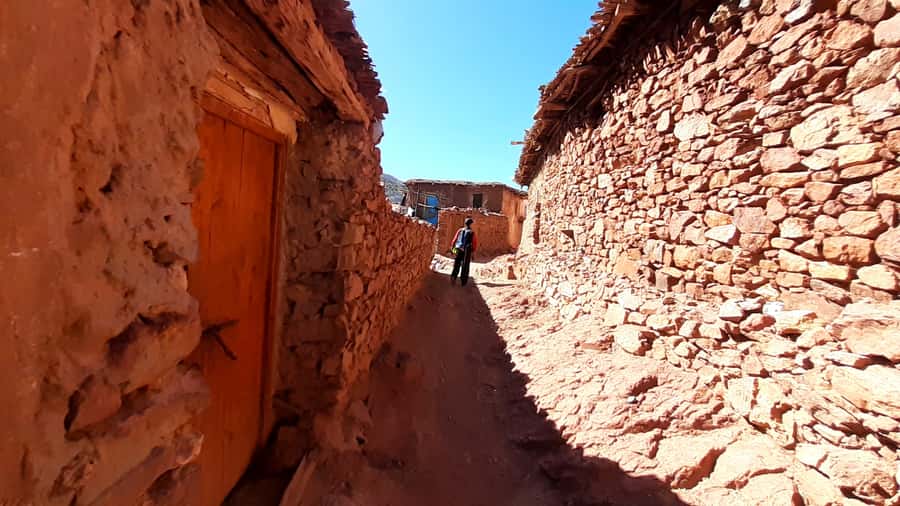
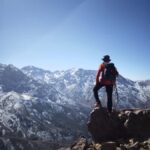
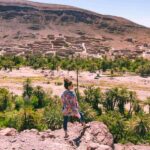
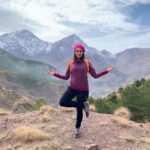
Day 2 is the day you’ll remember for the walking. After breakfast, you’ll take a 3 to 4 hour hike in the gorge of the Agoundiss Valley with your guide.
This hike is where the tour goes from “interesting day” to “real experience.” You’ll move through valleys and villages with someone who can point out what you’re seeing—routes, how communities fit into the terrain, and what matters locally.
Guides you might work with include people like Ali, Lasan, Youssef, Lahcen, Marwan, and Mohammed (Momo), depending on the departure and group. One thing that comes through across these guides is flexibility and friendly pacing, especially when your French or English level isn’t perfect.
The terrain is usually manageable for many visitors because you’re hiking with a local guide rather than following a fixed route with no context. Still, plan for real walking time, since you’re not doing a short “stretch your legs” trek.
In the evening, you return to Marrakech. Many itineraries time this so you’re back by the early part of the evening rather than late night.
Activities that earn their place: argan, carpets, pottery, henna, and livestock
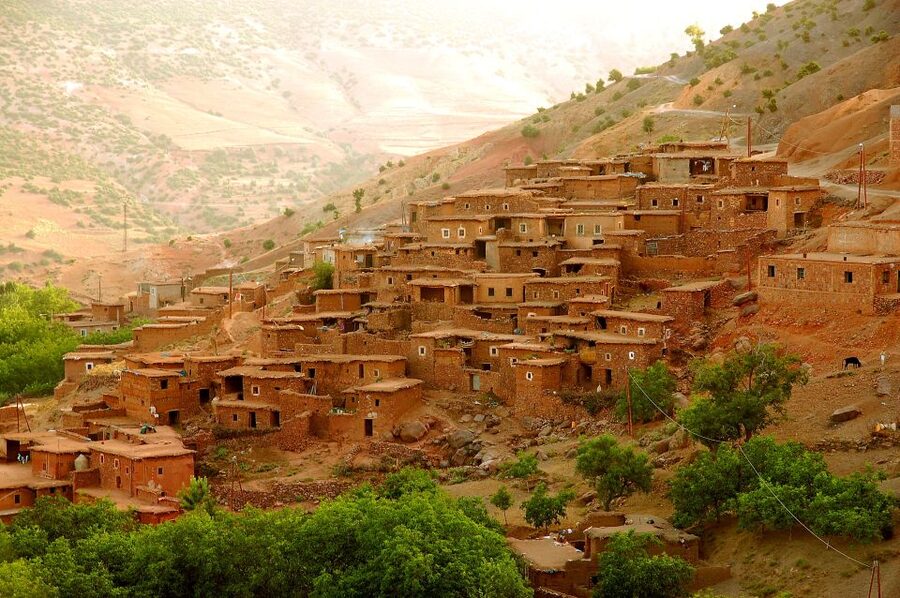
This tour includes several optional activities, and that’s a good thing. If you want more village time, you can lean into them; if you want less, you can trim parts of the program.
Here’s what’s specifically included or described in the experience:
- Women’s cooperative visits (argan and carpets)
You’ll visit cooperative settings focused on argan products and women’s carpet activities. In at least one format, you’ll see how it’s made and learn why it supports families.
- Henna engraving
Henna is part of the itinerary twice in spirit: there’s henna engraving included, and on the last day it’s described as happening in the home of your guide and family. It’s hands-on, cultural, and very practical as a souvenir you’ll actually use.
- Local pottery
The experience includes the possibility of visiting local pottery and watching how work gets done. If you like crafts, this is a nice counterweight to the walking.
- Tea-and-family village time
You’ll visit traditional Berber villages, meet locals, and drink tea. Even when you don’t know the language, tea time is one of the quickest ways to understand how hospitality works here.
- Livestock raising
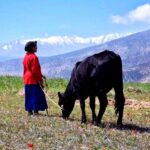
The tour also mentions activities tied to livestock and local routines. That helps explain why certain practices exist in mountain communities.
If you’re the type who enjoys small details—how products are made, why cooperatives matter, what people do every day—this tour is strong. If you mainly want big-ticket sightseeing only, you might want to keep expectations focused on villages rather than monuments everywhere.
Price and value: what $106 really buys you
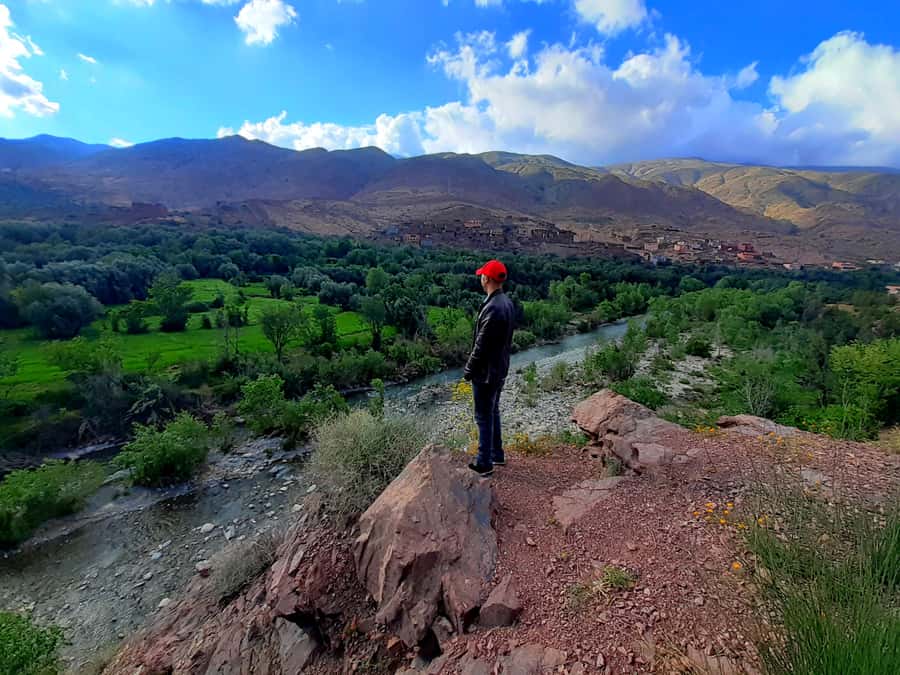
At $106 per person for 2 days, the value comes from the mix of costs most people would pay separately: transport from your hotel, an English/French/Arabic/Spanish guide, one overnight, meals, and guided activities.
You also get all food (breakfast, lunch, dinner) plus water, tea, and coffee. That matters in the Atlas because eating out every meal would add up fast, and you’d lose the home-style meals that are part of the experience.
The tour also includes entry tickets and visits, plus about 30 minutes of camel ride or horseback. Add a night in the mountains and you start to understand why this isn’t priced like a barebones hike.
Is it “cheap”? Not compared to a self-guided day trip. But compared to the full set of included pieces, it often feels fair—especially if you’re booking in peak season or traveling solo and prefer someone else handling route and timing.
Getting the best day from your body and your camera
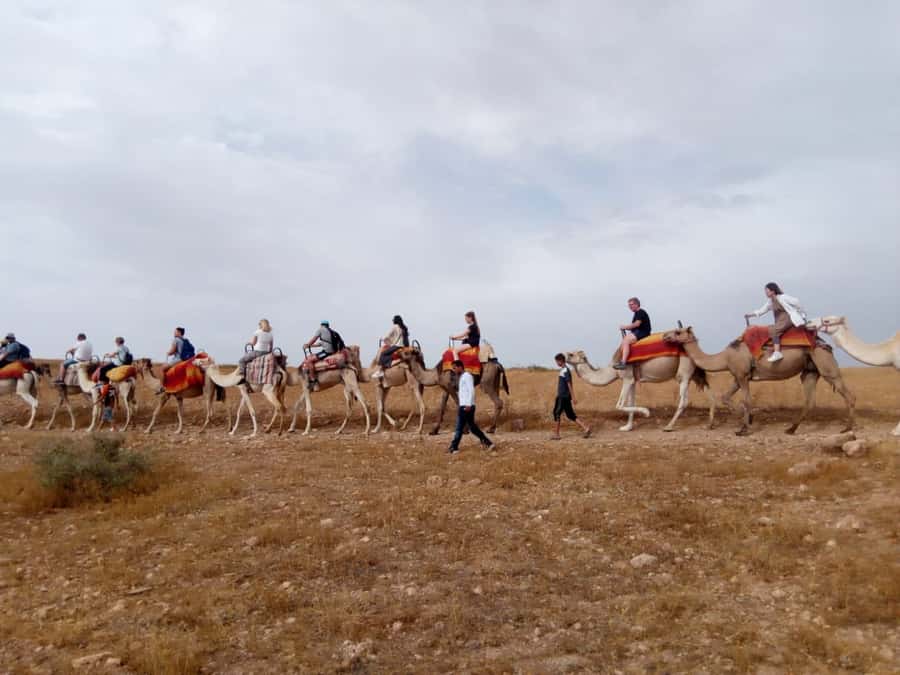
Because you’re choosing walk time (and Day 2 is typically longer), you’ll enjoy this more if you dress for movement. Bring sunglasses and a camera, and expect mountain light that can be surprisingly strong even when it’s not beach weather.
The tour notes you should bring a passport or ID card. That’s usually a practical must for cross-checks and smoother handling at stops.
If you hate tight timing, pick your activity choices on the spot. The program states that portions are optional and can be canceled if you want. That means you can keep the day comfortable rather than forcing every single stop.
Who should book this High Atlas villages trek
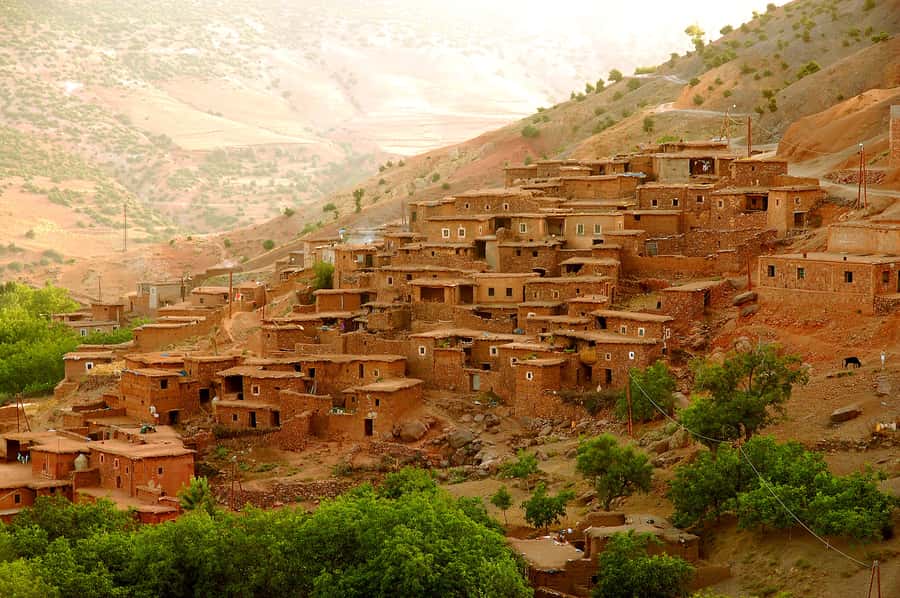
This tour is a good match if you want:
- A guided trek with context, not just a walk with no explanation
- A real overnight in the Atlas area
- Cultural stops that include argan, cooperatives, and henna
- An experience aimed at village life—tea, meals, and local routines
It’s also a strong choice for small groups and solo travelers who want a human-scale trip. Many tour days are managed in a way that feels less hectic than large sightseeing programs.
If you’re chasing only famous landmarks, you might find the village focus more satisfying than monument chasing. The tour does include the Tinmel School and mentions the Kasbah of the Dukouj, but the main thread is everyday Amazigh culture and valley routes.
Should you book this Marrakech: 2-Day Atlas Villages Trekking Tour?
Book it if you want a balanced itinerary: tea, villages, cooperative work, henna, and a real hike with time to breathe. The overnight plus the Day 2 Agoundiss trek is the combination that makes it feel worth planning around.
Skip it if you need a very light walking day, because the itinerary includes a longer hike and isn’t recommended for people with heart problems.
One more smart tip: if you care about the guide experience, look for continuity in language and pace. Guides such as Rabia, Mustapha, Ali, Youssef, Lahcen, Marwan, and Mohammed have been part of past departures, and that range hints the key is a friendly guide who can match your pace and questions.
FAQ
How long is the hiking each day?
You’ll have a walking excursion with about 1 to 4 hours on foot per day, and Day 2 is typically a 3 to 4 hour hike in the Agoundiss Valley gorge.
What’s included in the price for this 2-day tour?
The tour includes transport from and to your Marrakech hotel, a guide, 1 night in an Atlas Mountains riad/guesthouse, all food (breakfast, lunch, dinner), water/tea/coffee, camel ride or horseback (30 minutes), entrance tickets and visits, and henna engraving plus visits to locals.
Do I get to do henna on the tour?
Yes. Engraving henna is included, and the experience also mentions henna engraving in the home of the guide and family on the last day.
Is a camel ride part of the program?
Yes. You can choose camel ride or horseback for about 30 minutes.
Which languages are the guides available in?
The tour guide is listed as available in English, French, Arabic, and Spanish.
Is the Tinmel School included?
Yes. The itinerary includes a visit to Tinmel School, built in the 12th century.
Is this tour suitable for everyone?
It’s not suitable for people with heart problems. If you’re unsure about health limits, it’s best to check with your provider before going.