REVIEW · KATHMANDU
Everest Base Camp Yoga Trek – 15 Days
Book on Viator →Operated by Trekking Planner Nepal · Bookable on Viator
Yoga in the shadow of Everest sounds wild. This 15-day trek is built around daily yoga and smart acclimatization stops, so you’re not just grinding upward day after day. The catch is simple: thin air, cold mornings, and a tight schedule that starts early—especially around Lukla.
I like that your team keeps the experience organized without sanding off the wild parts. In Kathmandu you ease in with major cultural stops, then your yoga instructor and trekking guide keep moving with you, and the group is kept to 8 travelers max—small enough for real pacing and check-ins.
In This Review
- Key things that stand out on this Everest Base Camp Yoga Trek
- Kathmandu UNESCO warm-up: Durbar Square, Monkey Temple, and Boudhanath
- Lukla twin-otter day and your first Khumbu walking days
- Namche and acclimatization: the part that decides how you feel later
- Higher Khumbu: Tengboche, Dingboche, and the slow growth of Everest
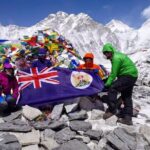
- From Lobuche to Everest Base Camp: Gorakshep and the real pay-off
- Kala Patthar sunrise: cold, early, and worth planning around
- Exiting the park and finishing in Kathmandu: Namche to Monjo to Thamel
- Yoga on the trail: why it can be more than a nice idea
- Price and value: what $1,699 really covers, and what it doesn’t
- Should you book this Everest Base Camp Yoga Trek?
- FAQ
- Where does this Everest Base Camp Yoga Trek start?
- How long is the trek?
- What is the group size limit?
- Is airport pickup offered?
- Is there a yoga instructor during the trek?
- What time does the experience start?
- What meals are included?
- Which cultural sites are visited in Kathmandu?
- When do you reach Everest Base Camp?
- What is not included in the price?
Key things that stand out on this Everest Base Camp Yoga Trek
- Yoga every morning on the trek: you start the day focused, not foggy.
- Kathmandu UNESCO warm-up: Durbar Square, Swayambhunath, and Boudhanath before the mountains.
- Acclimatization built into the route: rest days in Namche and Dingboche aren’t filler.
- Lukla twin-otter flight: the moment your adventure becomes real.
- Kala Patthar sunrise: a high-altitude payoff with huge photo potential.
- Small-group feel: max 8 travelers means less chaos on tight trails.
Kathmandu UNESCO warm-up: Durbar Square, Monkey Temple, and Boudhanath
Your trek starts in Kathmandu, and the first thing I’d do is slow down and get your bearings. Two days here aren’t about ticking boxes. They’re about entering Nepal’s spiritual rhythm before the Khumbu gets serious.
In the mix you’ll visit Durbar Square, where old temples and courtyards show how power and religion shaped the city. Then you’ll go to Swayambhunath, the Monkey Temple, with that classic view over Kathmandu. It’s one of those places where you can feel the Hindu and Buddhist influences sitting side by side. After that, Boudhanath Stupa takes over with its sheer scale—and the Tibetan Buddhist scene around it. You’ll see pilgrims circling the stupa with mantras, and that repeated movement is oddly calming when you’re about to face altitude.
One practical plus: your pickup and early support make it easier to get through arrival nerves. People often mention Kathmandu coordination with guides like Dipak (the kind of organizer who helps you feel settled fast). You also get time to handle logistics, pack, and get your head right before the plane to Lukla.
You can also read our reviews of more tours and experiences in Kathmandu.
Lukla twin-otter day and your first Khumbu walking days
Then comes the day you organize trekking gear and head out early for Lukla, the gateway to Everest. You take a scenic flight in a twin otter to Tenzing–Hillary Airport (LUA). Even without being a “flight person,” you’ll likely remember it. The route gives you sweeping views of valleys, rivers, and settlements as the mountains start to dominate.
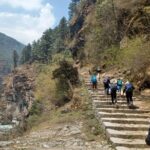
After landing, you meet your trekking crew and head out on an introductory walk toward Phakding. This is not the day to prove toughness. It’s the day to find your stride and learn how your body responds once the air gets thinner. You’ll follow trails that connect small settlements, cross suspension bridges, and start picking up the rhythm of chortens and prayer flags.
As you continue, the trek follows the Dudh Koshi corridor, past waterfalls and ancient gompas, and into spots like Namche’s doorway area (Monjo). You’re gradually moving from “Nepal travel” into “Khumbu travel,” and the terrain changes that quick. It helps that this route keeps things realistic: you have time in Namche later to settle and adjust.
Namche and acclimatization: the part that decides how you feel later
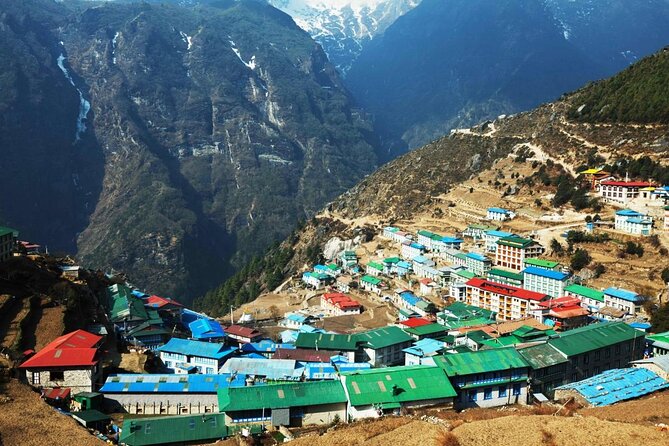
Namche Bazaar is the altitude checkpoint that matters, and this trek treats it that way. You don’t rush through like a bus stop. You use it to acclimatize, shop, eat well, and reset.
On your Namche day, you’ll get a mix of culture and practical altitude support. The Sherpa Cultural Museum is a key stop here, especially if you want context for mountaineering, local traditions, and the Himalaya’s ecology. You’ll also have time to wander the market scene—this town has a Saturday market vibe that’s easy to enjoy after days of walking.
The smart move on these days is an early hike to a nearby viewpoint, then you return to sleep lower than you hiked. This trek builds that logic in rather than expecting you to “just tough it out.” Later, in the higher sections, that pays off.
Then you’ll head upward from Namche on a mix of forested trails and bridge crossings. The route mentions stops through places like Kenjoma and Sanasa, with occasional views of Everest. This is where you start noticing the mountain shapes enlarging in steps, not one dramatic jump.
Higher Khumbu: Tengboche, Dingboche, and the slow growth of Everest
As you move into the middle Khumbu stretch, the trek follows a classic pattern: gradual climbing, then breathing room. You’ll pass through villages where scenery and wildlife sightings can show up—things like musk deer, monal, and blue sheep have been noted on this route.
A highlight along the way is the Tengboche area for sunrise and sunset views. Even if clouds roll in sometimes, the whole point is timing your effort around visibility. You’ll later descend into Deboche, then continue onward toward Dingboche. The views become more “open” here, with towering peaks like Ama Dablam, Lhotse, and Nuptse appearing in clearer angles.
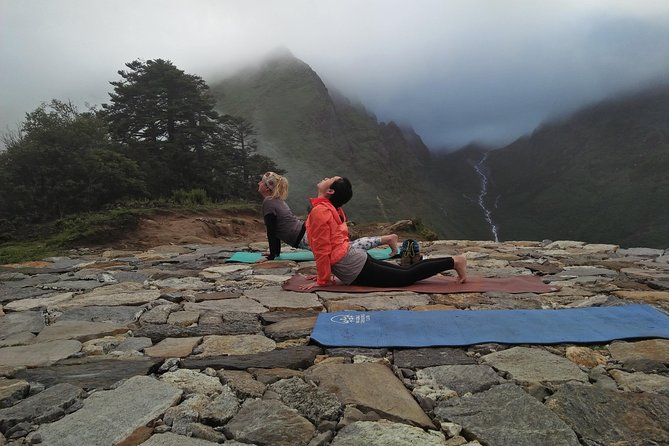
This trek also includes another acclimatization day in Dingboche, and this is where I think the yoga component starts making more sense. When you’re at altitude, you need steadier breathing and calmer muscle tension. The schedule often includes short hikes to places like Nangkartshang Gompa for views and cultural details, plus optional short walks for peak perspectives.
Then you keep moving. The route climbs out of Dingboche toward places like Chukpo Lari, described with monuments in remembrance of mountaineers—another reminder that this isn’t just sightseeing. The mountains have a long memory, and the trail reflects that.
From Lobuche to Everest Base Camp: Gorakshep and the real pay-off
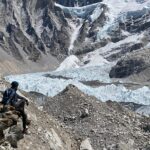
Eventually you get to the segment you came for. From the Lobuche area, you start early to head toward Gorakshep. This part of the trek is more demanding in feel: you’re dealing with rocky paths, glacial terrain, and careful footing around ice pinnacles and possible crevasse areas.
You’ll pass the Italian research center at Gorakshep’s approach, then move through sections sandwiched by large glaciers (like Changri Nup and Khumbu). This is the point where “Everest Base Camp” stops being an idea and becomes a place you can stand near.
On the way, you’re trekking toward high ground over the Khumbu valley, and the route includes Chukpo Lari monuments earlier, which adds weight to the experience. It’s the kind of moment that makes you stand slower, even if you’re huffing.
Once you reach Gorakshep, you typically have lunch there and the overnight stop. It’s not a luxury stay, but it’s organized. And it’s the right kind of organized for this altitude: you need sleep, food, and warm layers, not distractions.
Kala Patthar sunrise: cold, early, and worth planning around
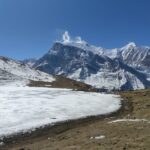
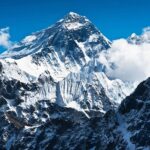
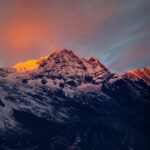
The next morning is built around Kala Patthar. You’re up before day breaks, get your equipment ready, and hike to that small brown hill point known for giant views. If you like photography, this is where your camera earns its keep: Everest is close, and the view includes peaks such as Pumori, Lhotse, Nuptse, and Changtse, plus the Khumbu Glacier.
Even if your photos are mediocre, your brain will remember the visual contrast: black hill, bright sky, and the southeast face presence. This is the part of the trek where you’ll feel why people call it a once-in-a-lifetime experience—but you’ll also feel how important pacing is when oxygen is limited.
After sunrise, you trek back down toward lower altitudes. Then the route continues with your return toward the busier hub area, moving through places like Periche and gradually descending with the Dudh Koshi river working as a constant route marker.
From there, you head back into Namche Bazaar through forests, waterfalls, and suspension bridges festooned with prayer flags. The trail is often described as gradual on the way down, and that’s what you want: your legs will be tired, so you’re managing strain, not chasing elevation.
Exiting the park and finishing in Kathmandu: Namche to Monjo to Thamel
On the way out, you leave the Everest region behind and head toward Monjo, where you exit Sagarmatha National Park. You’ll descend through the Namche area toward riverbeds of confluence points like Dudh Koshi and Bhote Koshi, crossing suspension bridges along the way.
You’ll pass back through the villages on the route—Benkar, then Phakding, Ghat, Nursing, and Chheplung show up again as part of the return flow. If you enjoyed the cultural elements earlier, this is where they become familiar. Prayer wheels and mani walls start to feel like landmarks rather than surprises.
Then you return to Kathmandu by flight from Lukla, typically early morning. The flight time here is short (around 35 minutes), but it feels long because you’re ready to be done trekking and ready for a shower. Back in Kathmandu, you’re transferred to your hotel and given time to rest. If you want a final cultural wrap-up, Thamel is the obvious place to stroll in the evening with food and souvenir options close by.
Some people value that kind of landing-day support. The team style highlighted in the feedback includes staying in touch and being reachable if plans change, which matters because flight days can be unpredictable.
Yoga on the trail: why it can be more than a nice idea
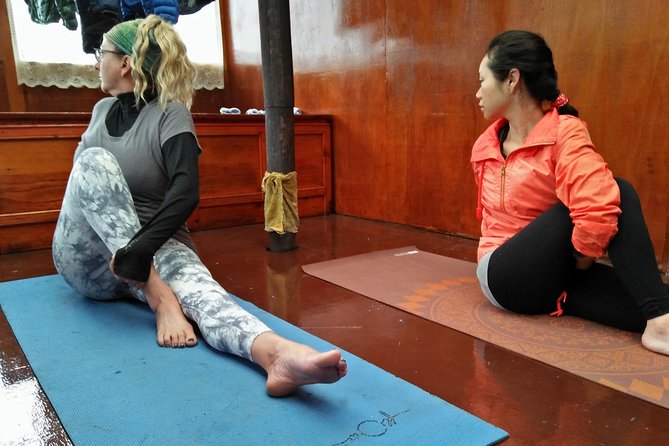
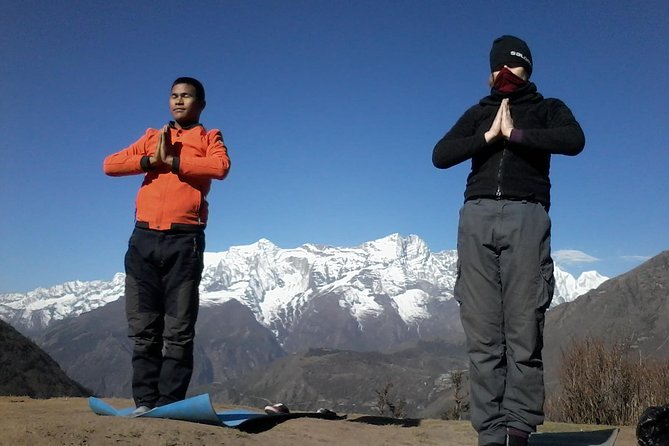
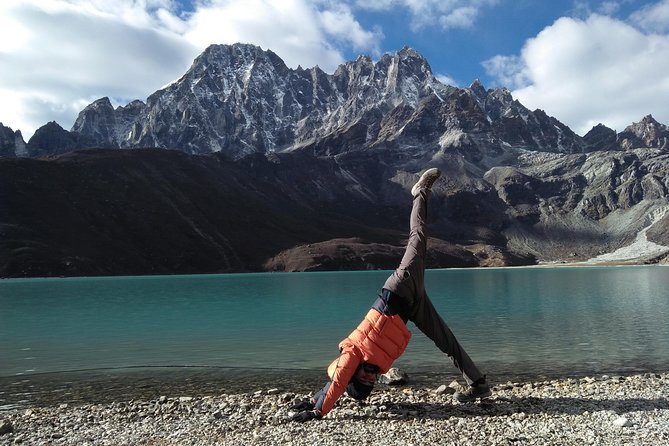
Daily yoga is the core twist here, and it’s not just a branded mat moment. Each day begins with centering the mind and body in the mountain environment, guided by a yoga instructor who travels with you for the duration of the trek. You’re also trekking with a local trekking guide, so the bodywork and the route planning run together.
Here’s what I think you’ll feel if this fits you: your breathing awareness improves, and your muscle tension doesn’t grab you as hard on steep sections. Also, the yoga gives you a reason to stop and reset. On the Everest Base Camp route, stopping is rarely optional. So if you’re going to stop anyway, it helps that the stop has a purpose.
One more thing: the yoga instructor is described as acting as a spiritual guide, which matches the terrain. You’re not just walking through scenery. You’re walking through a place where religion is part of daily life, from stupas in Kathmandu to prayer flags on the bridges. If you’re into that mix of body, faith, and mountain pace, this trek will feel coherent.
Price and value: what $1,699 really covers, and what it doesn’t
At $1,699 per person for about 15 days, this isn’t a budget trek. The value is in what’s included.
You get accommodation as per the itinerary, plus breakfast, lunch, and dinner counts laid out across the trip. You also get coffee or tea. On top of that, the package covers airport/departure tax, all taxes and handling charges, and national park fees. You also get a local guide and a TripAdvisor Experiences brokerage fee.
Where you should pay attention is what’s not included: alcoholic drinks and drinks are on you. That’s normal for trekking, but it’s worth budgeting so you don’t end up doing mental math at altitude.
Also, the group size cap at 8 travelers is part of the value. More people would mean more waiting on narrow trails, slower decision-making, and less personal pacing for yoga. In this kind of trek, small-group control is money spent wisely.
Finally, a practical note: the trek is for moderate physical fitness. That doesn’t make it easy. It means you should be able to walk steadily for long days with some steep sections, then recover during rest and acclimatization blocks.
Should you book this Everest Base Camp Yoga Trek?
If you want Everest Base Camp with structure and a daily rhythm for your mind and body, this is a strong match. The yoga component is a real part of the day, not a token add-on, and the route’s acclimatization stops in Namche and Dingboche show good planning. Add in Kathmandu’s major spiritual sites, and the trek feels like one story instead of two separate halves.
I’d think twice if you hate cold starts, know you struggle with altitude, or you’re expecting a purely casual walk. This trek includes early mornings, thin air, and challenging terrain around the glacier approach days.
My straight answer: book it if yoga and spirituality matter to you, and you want a well-run small-group experience that takes acclimatization seriously. Skip it if you want maximum flexibility, or if you’re not ready for the altitude reality—because no amount of morning yoga cancels physics.
FAQ
Where does this Everest Base Camp Yoga Trek start?
It starts in Kathmandu, Nepal.
How long is the trek?
It runs for about 15 days.
What is the group size limit?
The tour has a maximum of 8 travelers.
Is airport pickup offered?
Yes, pickup is offered.
Is there a yoga instructor during the trek?
Yes. Yoga is practiced daily under the guide of a yoga instructor who travels with you for the duration of the trek.
What time does the experience start?
The start time listed is 9:15 am.
What meals are included?
Breakfast is included for 15 days, and lunch and dinner are included for 12 days each.
Which cultural sites are visited in Kathmandu?
The trip includes visits to Durbar Square, Swayambhunath (Monkey Temple), and Boudhanath Stupa, along with other Kathmandu sightseeing.
When do you reach Everest Base Camp?
You head to Everest Base Camp from Lobuche early in the morning, on the trek’s later stage (about the tenth day of the trip).
What is not included in the price?
Alcoholic drinks and drinks are not included.