REVIEW · KATHMANDU
Annapurna Base Camp trek
Book on Viator →Operated by Nepal Trekking Experts Pvt. Ltd. · Bookable on Viator
Altitude meets cozy tea houses on this Annapurna trek. What makes it interesting is the steady 6-hour hiking rhythm for 14 days, paired with a classic walk through rhododendron forests, bamboo groves, terraced farmland, and scattered villages.
I also really like that it stays small-group sized (max 10), so you’re not stuck waiting all day in a long line. The trek goal is Annapurna Base Camp, but the real value is the culture and nature you pass through every step of the way.
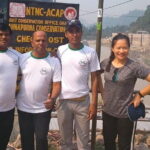
The second big win: you’re not left to sort paperwork and logistics on your own. The price includes the Annapurna conservation area permit and the TIMS card, plus an English-speaking local guide and most meals. I’ve seen support described with names like Rajesh (agency owner) and guides such as Ganesh, Basanta, and Resham, which gives you a hint that the team takes care of people, not just checkboxes.
One consideration: this is a tea-house trek, so comforts are basic. Expect cold near base camp and remember items like hot shower and Wi‑Fi are not included.
In This Review
- Key highlights that matter on the trail
- Kathmandu warm-up: pickup, timing, and getting paperwork right
- The trek rhythm: about 6 hours a day on real mountain time
- Permits and TIMS: why included documentation is real value
- Tea-house days: comfort tradeoffs and smart packing mindset
- Local guide support: what you gain beyond directions
- Hiking through rhododendron, bamboo, farms, and villages
- Reaching Annapurna Base Camp: the payoff and the cold reality
- Food, drinks, and the tea-house budget check
- Price and what $999 buys on a 14-day trek
- Who should choose this trek, and who might not love it
- FAQ
- How long is the Annapurna Base Camp trek?
- What kind of daily hiking should I expect?
- What permits are included?
- Is hotel pickup and drop-off included?
- Are meals included during the trek?
- What is not included in the price?
- Should you book this Annapurna Base Camp trek?
Key highlights that matter on the trail
- Max 10 travelers keeps the hike more flexible and less crowded
- Permits and TIMS included, so you spend less time stressing about documents
- English-speaking local guide with real Nepal Himalaya context
- Tea-house nights give you the daily feel of mountain village life
- Meals included (B/L/D) help you manage budget and energy
Kathmandu warm-up: pickup, timing, and getting paperwork right
Your trek starts in Kathmandu, with hotel pickup and drop-off and round-trip by public transportation. That’s a practical setup because it reduces the number of separate transfers you have to coordinate after a long travel day.
There’s also a specific meeting window listed for the experience, and it runs daily with early-to-late availability. If your flight lands late or you’re dealing with jet lag, it’s worth planning your arrival so you can show up within the listed hours and do any pre-trek briefing without rushing.
Two admin details matter for Nepal trekking tours like this one. First, you’ll need to provide passport information at booking (passport name, number, expiry, country). Second, the guide and team handle required permissions included in the package, which keeps your start smoother once you’re moving toward the Annapurna region.
You can also read our reviews of more tours and experiences in Kathmandu.
The trek rhythm: about 6 hours a day on real mountain time
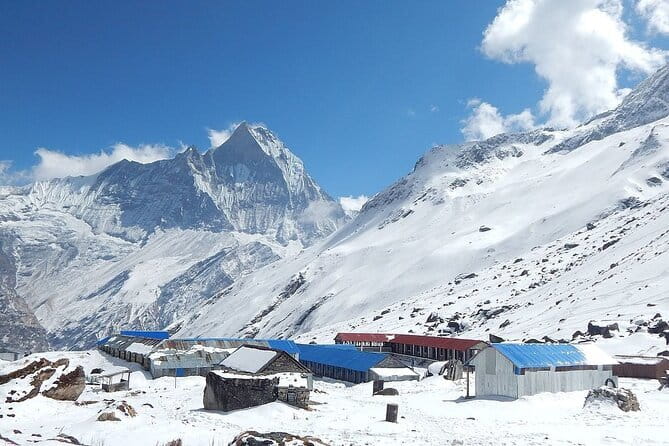
This is a moderately challenging trek built around around 6 hours of walking per day. That doesn’t sound wild on paper, but altitude and terrain make it feel longer. What I like about this structure is that it’s consistent. You’ll learn your pace, your breathing rhythm, and how to manage breaks without the itinerary turning into a series of random day-length surprises.
You’ll also sleep in tea houses during the hike. For most people, that’s the point: you’re not “camping” in a fantasy way—you’re living in the rhythm of local guesthouses where travelers mix with villagers. It’s a more authentic feel than staying in remote tent camps, and it’s typically easier logistically.
Meals are included as breakfast, lunch, and dinner as per the itinerary. Drinks aren’t included, so you’ll still want cash or card for water refills and hot drinks. Also remember that items like Wi‑Fi and battery charging aren’t part of the package, so don’t plan on your phone being your entertainment hub all day.
Permits and TIMS: why included documentation is real value
Nepal trekking has real paperwork, and it can slow you down if you scramble at the last minute. Here, you get the Annapurna conservation area permit and the TIMS card included.
That’s not just admin fluff. Permits are tied to the ability to trek in specific conservation and trek zones, and TIMS is part of the broader trek registration system. When these are handled for you, you avoid the stress of hunting down the right office at the wrong time, or discovering a form issue after you’ve already made plans.
You also get local taxes included. In practical terms, that usually means fewer surprise line items once you’re already in motion. If you’re the kind of traveler who wants your energy going toward views instead of paperwork, this inclusion matters.
Tea-house days: comfort tradeoffs and smart packing mindset
Tea houses mean you’ll have a bed for the night and a warm enough setup to recover, but they’re not the same as hotels. Based on the trek experience described, people note that it can get really cold near base camp, so your layering choices are the difference between tolerable and miserable.
What’s included:
- Accommodation as per the itinerary
- Breakfast, lunch, dinner
What’s not included (so you can plan ahead):
- Drinks
- Wi‑Fi
- Hot shower
- Battery charge
- Personal shopping
- Souvenir photos
- Trekking gears
A useful way to think about it: your pack should cover comfort and warmth, because you can’t assume you’ll pay your way out of cold with included hot showers or charging. Bring what you need for layers, gloves/hat coverage, and sleep comfort. If you’re unsure, focus on warmth first, then fit, then weight.
Also, think about how you’ll manage energy on the trail. Six hours a day means you need steady food timing. Since lunch and dinner are included, you’ll be less likely to skip meals when you’re tired.
Local guide support: what you gain beyond directions
An English-speaking professional local guide is included, and that’s a big deal on a trek like this. The guide isn’t just there to point the trail. You also get lessons about the Nepal Himalaya, which changes how you experience the mountains. Instead of only seeing big scenery, you start understanding what you’re looking at and why communities live the way they do.
I’ve seen multiple guide names connected with this agency in the feedback, including Ganesh, Basanta, Resham, Amit, Kamal, Prakash, Rajan, and Milan. You shouldn’t assume you’ll get a specific person, but it does hint that the company works with a stable base of guides who handle real trekking situations and support travelers.
The practical takeaway for you: use the guide. Ask questions about weather, trail conditions, and how the day’s hike will feel. And if you have any concerns about pacing, bring them up early. The better you communicate, the better the guide can manage breaks and your overall day rhythm.
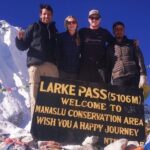
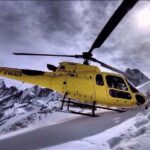
Hiking through rhododendron, bamboo, farms, and villages
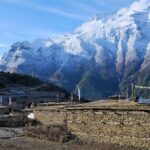
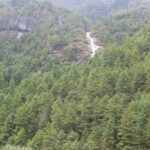
This trek is visually and culturally varied. One of the best parts is the sequence of environments you walk through: rhododendron forests, bamboo groves, terraced farmland, and isolated villages. That matters because it prevents the hike from becoming a single-note march.
Rhododendron forests can feel cooler and shaded, which can be a blessing when the sun is strong. Bamboo groves can create a different soundscape and light pattern, so your brain doesn’t get bored. Terraced farmland introduces a human rhythm—fields, irrigation, and village labor patterns that make the landscape feel inhabited, not staged.
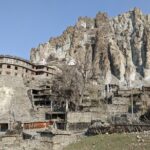
Then you reach isolated villages where you’ll likely get your best “day-to-day Nepal” moments: daily life, small interactions, and plenty of photo opportunities. The experience is described as including culture, history, and local people’s lifestyle, and that’s where a guide earns their keep. They can help you connect what you’re seeing to the larger story of the region.
A drawback to keep in mind: these environments mean you’re changing altitude and conditions gradually, not instantly. So your clothing and hydration plan needs to adapt day by day.
Reaching Annapurna Base Camp: the payoff and the cold reality
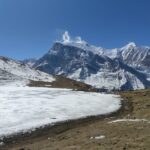
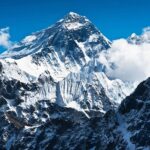
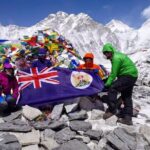
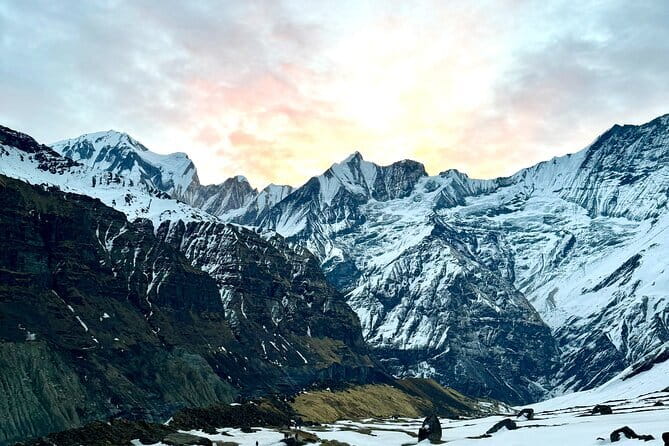
The point of the trek is reaching the foot of Annapurna—Annapurna Base Camp. This is where the long daily effort starts to feel worth it. People consistently describe it as breathtaking, and it’s the kind of place where weather can strongly shape your experience: clear visibility makes the views feel huge; cloud cover can make the climb feel slower but still meaningful.
One thing that comes up in the feedback is cold at base camp. Even if you’re mentally ready for altitude, cold is its own challenge. That’s why your layering strategy is so important, and why relying on included comfort extras doesn’t make sense here—hot showers and battery charging are not included.
If you’re traveling with a camera or you care about video, plan for short bursts of effort. Cold hands and low battery anxiety can ruin footage quality fast. Keep batteries warm and consider a backup power approach you control yourself (since charging isn’t guaranteed).
Food, drinks, and the tea-house budget check
This tour includes breakfast, lunch, and dinner as per the itinerary, and that makes the trek easier to budget. It also supports consistency: you’ll be less likely to run out of energy because you forgot to eat or because menu choices were limited.
Drinks are not included, so you’ll still spend on things like hot tea, coffee, and water refills. Souvenir photos are also available to purchase, but they’re not bundled into the price.
Comfort-wise, the big excluded items are Wi‑Fi and hot shower. That’s not a dealbreaker, but it affects how you plan your downtime. Your evenings will likely be about warmth, rest, and sorting the next day’s gear, not streaming or working online.
If you like a simple flow, that’s ideal. If you need constant connectivity, you may find it stressful. For most trekkers, it’s actually a relief.
Price and what $999 buys on a 14-day trek
At $999 per person for about 14 days, the best way to judge value is not the headline cost—it’s what’s included that would otherwise cost you money and time.
This package covers:
- Accommodation across the itinerary
- Annapurna conservation area permit and TIMS card
- Local taxes
- An English-speaking local guide
- Hotel pickup and drop-off
- Round-trip by public transportation
- Most meals (breakfast/lunch/dinner)
It also keeps group size limited (max 10), which you can feel in pacing and logistics. When a trek is run well, you spend less time negotiating details and more time walking and absorbing the place.
Where cost pressure can appear:
- Drinks during the trek
- Trekking gear (not included)
- Personal insurance (not included)
- Personal shopping and souvenir photo purchases
So the trade is simple. If you want a guided, permit-handled, meal-supported trek with minimal admin, this price can feel fair. If you already have everything and you love organizing complex details yourself, you might compare alternatives. But for many people, paying for coordination is what turns a hard trip into a doable one.
Who should choose this trek, and who might not love it
Choose this trek if you’re an active traveler who wants a classic challenge with a real cultural thread. It’s described as moderately challenging, and it’s built for people with moderate physical fitness who can handle repeated days of sustained walking.
You’ll likely enjoy it if you value:
- Nature + culture mixed together
- A steady daily hike instead of random extremes
- Tea-house nights and village-level travel
- A guide who explains what you’re seeing in the Nepal Himalaya
You might reconsider if:
- You’re expecting luxury comforts (hot showers and Wi‑Fi aren’t included)
- You hate cold conditions near base camp
- You need lots of downtime with minimal physical effort
Also, small-group size can be a plus or a minus. It’s great for attention and flexibility, but it’s not a solo-custom experience.
FAQ
How long is the Annapurna Base Camp trek?
The trek is listed as 14 days (approx.).
What kind of daily hiking should I expect?
You should expect trekking/hiking for about 6 hours each day.
What permits are included?
The price includes the Annapurna conservation area permit and the TIMS card.
Is hotel pickup and drop-off included?
Yes, hotel pickup and drop-off are included, and meeting is near public transportation.
Are meals included during the trek?
Yes. Breakfast, lunch, and dinner are included as per the itinerary.
What is not included in the price?
Items not included include drinks, Wi‑Fi, hot shower, battery charge, personal shopping, trekking gears, and personal insurance.
Should you book this Annapurna Base Camp trek?
If your idea of a great trip is a guided, permit-handled trek with tea-house nights, daily movement, and real mountain village life, this one is a strong match. The limited group size, English-speaking guide, and included meals help you spend less time managing logistics and more time on the trail.
If you want hotel-style comfort, constant charging, or Wi‑Fi every night, you’ll probably feel frustrated. But if you’re willing to dress for cold, carry your own charging plan, and enjoy a classic Himalayan trek pace, this package looks like solid value for $999.