REVIEW · KAMPALA
6-Day Murchison Falls, Chimp Trekking and Big Game Combo
Book on Viator →Operated by Home To Africa Tours and Travel · Bookable on Viator
Uganda moves fast in the best way. This 6-day route strings together Murchison Falls National Park’s classic big-life scenery, chimp trekking in Kibale, and Queen Elizabeth’s famous Kazinga Channel boat trip. I especially like the way the schedule alternates between action and awe: a real chance for Big Five style viewing on Day 1, then a full, rule-based chimp experience later. I also like that your days are built around short, high-impact activities rather than dragging you from place to place all day. One possible drawback: expect early mornings and some longer road stretches, so you’ll want that moderate fitness level to feel good.
From what people report about Home To Africa Tours and Travel, the trips tend to run with clear communication and quick fixes when plans need adjusting. Guides with names like Karim, Hedmond, and Vianney came up repeatedly in praise—especially for being organized and answering questions without rushing you. Still, this is a jam-packed combo, so if you prefer slow travel and lots of free time in town, you might find the pace a bit tight.
In This Review
- Key things I’d focus on before you book
- Six days of Murchison, Kibale chimps, and Queen Elizabeth’s Kazinga Channel
- Price and value: what $2,876 buys you (and what it doesn’t)
- Day 1 Zziwa Rhino Sanctuary detour and the road to Pakuba Safari Lodge
- Day 2: morning game drive and a launch trip to Murchison Falls
- Day 3: leaving Murchison for Kibale Forest and primate country
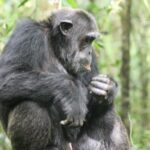
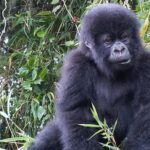
- Day 4: chimp trekking in Kibale—briefing, search, and a full hour with them
- Day 5: Queen Elizabeth’s game drive plus Kazinga Channel boat trip
- Day 6: exiting Queen for Entebbe, with optional Katwe salt lake or crater time
- Who this safari fits best (and how to prepare)
- Should you book this Murchison–Chimps–Queen Elizabeth combo?
- FAQ
- What are the dates and start location for this tour?
- How much does the safari cost?
- What does the tour include?
- Are airfares included?
- Is chimp trekking included, and how long is the chimp time?
- Is this a private tour?
- What is the minimum age?
- Do I need a tourist visa?
- What fitness level do I need?
Key things I’d focus on before you book
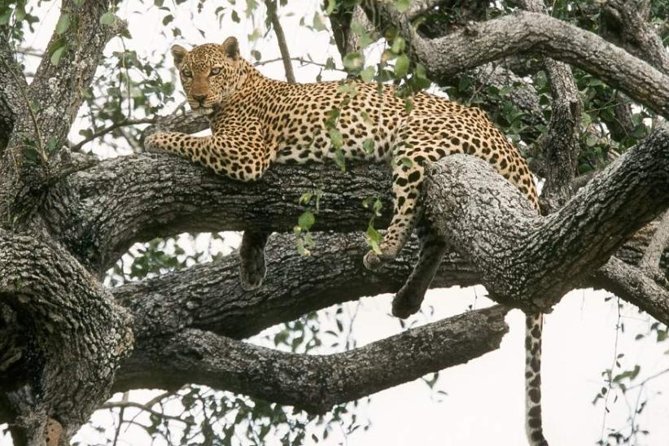
- Big Five-style day opener at Zziwa Rhino Sanctuary: you get rhino tracking en route before you even reach Murchison.
- Two different Murchison experiences in one park: morning savannah drive plus a launch trip to the base of the falls.
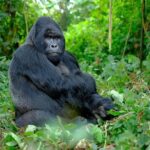
- Kibale chimp trekking with a full one-hour encounter after the briefing and search time.
- Queen Elizabeth’s Kazinga Channel boat trip paired with a morning game drive for land-and-water wildlife.
- Comfortable 4×4 transport and a full-time English-speaking guide for smoother logistics across parks.
- Three great lodge bases: Pakuba Safari Lodge, Chimpanzee Forest Guesthouse, and The Bush Lodge.
Six days of Murchison, Kibale chimps, and Queen Elizabeth’s Kazinga Channel
This combo safari is designed like a highlight reel, but with enough structure that you won’t feel lost. You start in the Murchison Falls region with the big open-country look—savannah plains, river power, and wildlife that pops up when the light hits right. Then you shift to Kibale, where the “wow” changes from big engines in the landscape to close, human’s-closest-wild-relation moments in the forest.
In Queen Elizabeth National Park, you get the best of both worlds: game drives for the classic spotting rhythm and a boat trip on the Kazinga Channel for animals that gather at the waterline. It’s a smart pairing because it lowers the odds of a “dry” day. If land drives are slow, the water often makes up for it, and vice versa.
The overall pacing matters. This route doesn’t waste time by trying to do too many parks in too many days. You do three major areas: Murchison → Kibale → Queen Elizabeth, with driving broken up by real activities (rhino tracking, drives, and water trips). That’s why the trip feels full without becoming chaotic.
You can also read our reviews of more tours and experiences in Kampala.
Price and value: what $2,876 buys you (and what it doesn’t)
At $2,876 per person for about six days, this isn’t a budget safari. But it’s also not just “transport and hope.” Your cost is tied to a bundle of real expenses: accommodation, meals, park activities, and key inclusions like fuel surcharges and landing/facility fees. You’re not paying extra every time you want to do the planned water trip or game drive.
Here’s what’s included that usually saves money and stress on the ground:
- All meals and accommodation as per the itinerary
- Comfortable 4×4 vehicle plus a full-time English-speaking driver/guide
- Launch/boat trips listed in the plan
- Bottled water, plus coffee and/or tea
- Airport/hotel pickup and drop-off
What to keep in mind as you judge value:
- Air fare is not included, so your final trip total will depend on how you get to Uganda.
- Driver/guide gratuity isn’t included (common for safari operations).
- Drinks other than water aren’t included, so plan for that if you like soda/juice/beer.
One more value note: this operator lists group discounts and a private experience for your group only. If you’re traveling with friends, that can help the per-person cost feel less painful. If you’re solo, you’re paying full per-person pricing—but you still get the “only our group” format.
Day 1 Zziwa Rhino Sanctuary detour and the road to Pakuba Safari Lodge
Day 1 is a strong start because you get momentum before Murchison even feels real. You leave Kampala or Entebbe, ride toward Murchison Falls National Park, and make a planned stop at Zziwa Rhino Sanctuary for one hour of rhino tracking. That’s a clever piece of the itinerary because it gives you a Big Five-adjacent thrill right away, instead of forcing you to wait for later days.
Practically, this also helps with arrival-day energy. The first day on safari is often when people feel jet-lagged or travel-jittery. A focused activity breaks up the drive in a good way and gives you your first wildlife “hit” while you still have fresh attention.
Once you reach the park area, you settle into Pakuba Safari Lodge for dinner and rest. Having an in-park or near-park lodge base matters. It keeps the next morning simple—less time chasing logistics, more time scanning for animals when they’re most active.
What you’ll likely notice on Day 1:
- Wildlife spotting begins early once you’re moving through the region
- Your guide’s job is to manage timing and keep you positioned for the best viewing opportunities
- You start getting used to safari rhythms: early-ish starts, quick meals, and then activity windows that don’t stretch too long
Day 2: morning game drive and a launch trip to Murchison Falls
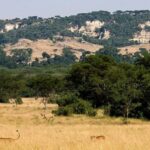
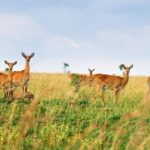
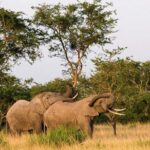
Day 2 is built around the signature power of Murchison Falls—and it uses two angles to make it feel bigger. First, you do a morning game drive in the northern section of the park, where savannah wildlife density is expected to be high. The morning timing is key. Animals tend to be more active when the light is lower, and it’s usually when you can spot movement before it becomes a distant silhouette.
After lunch back at Pakuba Safari Lodge, the day pivots to water. You go on a launch trip to the base of the falls. This is one of those safari moments where the sound does half the work. Even if you’ve seen photos, the roar and the scale tend to feel different in person because you’re closer to the action.
There’s also an optional add-on: a hike to the top of the falls, if you like. If you do it, wear good footwear and pace yourself. If you skip it, you still get the core experience via the launch and the sightlines from the landing area.
A balanced way to look at Day 2:
- Morning: more classic “spot and scan” wildlife time
- Afternoon: more spectacle and sound, closer to the falls itself
- Optional: hike for those who want extra views and leg work
If you have limited energy, you can choose the safest-bet plan: do the launch and skip the hike. If you like movement and views, the hike is the kind of choice that makes the falls feel like a full story, not a photo-op.
Day 3: leaving Murchison for Kibale Forest and primate country
Day 3 is a transition day, and transitions are where safari itineraries either feel clever or feel clumsy. Here, you actually get a payoff before the move: you can drive to the top of the falls for views if you didn’t hike on Day 2. That means you’re not forced into choosing only one falls perspective.
Then you move on to Kibale Forest National Park and settle into Chimpanzee Forest Guesthouse. This lodge base fits the forest theme: you’re shifting from savannah panoramas to dense greenery and slower, more observational wildlife behavior.
Why this day matters:
- Kibale is about primates, not just big mammals in open areas
- You need time to arrive, rest, and be ready for a trekking day later
- Driving doesn’t feel like dead time because it’s paired with falls views
If you’re someone who gets travel-stiff, this is where your comfort choices matter most. The trip uses a 4×4 vehicle, and that helps on Uganda’s roads, but it’s still a long day. Pack a small day kit for warm layers, water, and a light rain layer—forest weather can change quickly even when the itinerary doesn’t mention it.
Day 4: chimp trekking in Kibale—briefing, search, and a full hour with them
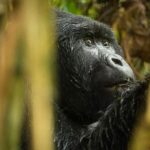
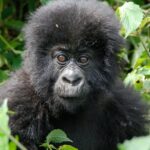
Chimp trekking is the headline here, and Day 4 delivers it in a structured way. You start with an 8:00am briefing on the rules for trekking chimps. That part is not filler. The briefing is how you keep yourself safe and how you protect the chimps from stressed contact.
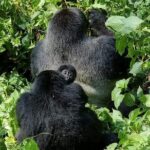
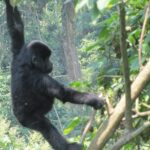
After the rules, you go into the forest to search. Once you locate the chimps, you get a full hour with them. That hour is the heart of the day: watching how chimps move, communicate, and go about their routines, all while keeping distance and following guide instructions. It’s also the moment that changes the way people talk about wildlife. It’s not just seeing an animal; it’s seeing behavior that feels uncomfortably familiar.
Then you head back to the lodge for lunch at Chimpanzee Forest Guesthouse, before your transfer to Queen Elizabeth National Park and your next lodge base at The Bush Lodge.
Key considerations for chimp trekking:
- Minimum age is 15, which affects who can do the trek
- You should have moderate physical fitness for forest walking
- Rules matter: your guide will manage spacing and timing once chimps are found
If you hate uncertainty, chimp trekking can still be satisfying because the day has clear milestones: briefing, searching, then the one-hour encounter. You’re not walking without structure. But you do need patience—forest wildlife doesn’t work on a human calendar.
Day 5: Queen Elizabeth’s game drive plus Kazinga Channel boat trip
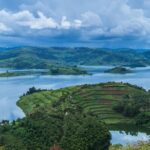
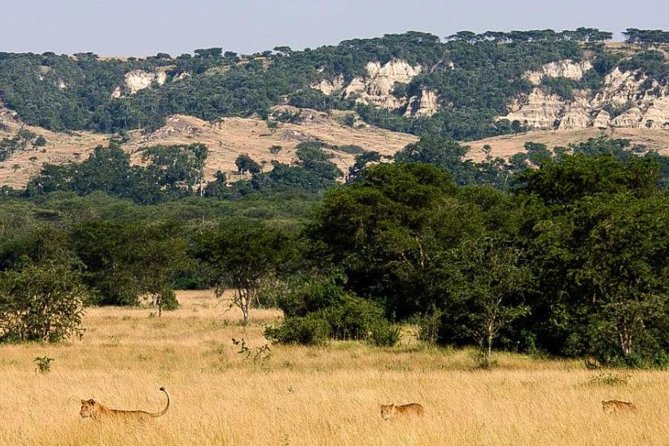
Day 5 starts with a morning game drive through Queen Elizabeth. This is where you get that safari “scan and spot” feeling again, but in a new ecosystem—plains, valleys, and terraced hills that create long sightlines and sudden wildlife surprises.
Then you switch to water for the afternoon highlight: a boat trip along the Kazinga Channel. Kazinga is famous for a reason. You’re watching animals in a gathering zone where land and water life overlap. That usually means big variety in a shorter time than purely land-based searching.
What this day does well is balance:
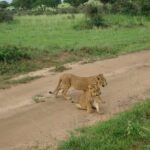
- The morning gives you predators, herbivores, and the classic safari spread
- The boat trip gives you a different kind of animal theater—often closer to the action because water concentrates activity
You sleep again at The Bush Lodge with breakfast, lunch, and dinner included. Staying put in one lodge area helps you keep your energy for early and active windows.
A practical tip: bring sun protection and keep your camera ready, but also don’t treat every minute like a photo chase. If you watch quietly, you’ll notice more behavior—movement patterns, feeding, social interactions—that photos can’t always capture.
Day 6: exiting Queen for Entebbe, with optional Katwe salt lake or crater time
Day 6 is departure-focused. After breakfast, you exit Queen Elizabeth for Entebbe for your flight out. Depending on your departure time, you may have options to add one more nature stop: Katwe salt lake or an explosion crater drive.
This is a nice touch because it gives you some flexibility. If your flight is later and the day allows it, you can add another view of Uganda’s geology and unusual features. If not, you still have a clean, straightforward wrap-up.
You won’t have accommodation included on the final night after safari ends (it says not provided for Day 6), so plan your own post-safari lodging or airport timing accordingly.
Who this safari fits best (and how to prepare)
This combo is ideal if you want a real wildlife mix without adding more parks than necessary. You like variety: rhinos and savannah mammals early, chimp trekking as a once-in-a-lifetime primate moment, and Queen Elizabeth for water-and-land wildlife.
It also suits you if you value organization. People praised the way the trip was arranged and the responsiveness from the team. If you go in with questions—about timing, what to expect, or how to handle rules on the day—an experienced guide approach makes those moments easier.
Who should think twice:
- If you want lots of downtime, you might feel the schedule is packed
- If you dislike road travel, you’ll still have multiple driving days
- If you’re not comfortable with moderate physical activity, the chimp trek forest walk may feel challenging
Preparation basics that match the itinerary:
- Wear shoes that handle uneven ground (especially for trekking days)
- Bring layers for early mornings and possibly warm afternoons
- Expect dust and bring something simple for that (a light face covering can help)
- Don’t overpack. You’ll be moving between vehicles and lodges all week
Should you book this Murchison–Chimps–Queen Elizabeth combo?
Yes, if you want three big Uganda experiences in a tight 6 days and you’re okay with a full schedule. The value is strongest when you consider what’s included: lodges, meals, 4×4 transport, and multiple high-cost activity types like boat trips and chimp trekking. The itinerary also makes smart sense geographically, moving from Murchison’s falls and savannah to Kibale’s forest chimps and then into Queen Elizabeth’s water wildlife.
I’d book especially if:
- Chimp trekking is your top priority and you want it done properly with briefing and rules
- You care about getting both land wildlife time and a dedicated water experience
- You’d rather have a driver/guide handle the flow than manage logistics yourself
I’d hesitate if you’re a slow-travel person or you hate early starts. In that case, the experience may feel like too many “go” days back-to-back.
Bottom line: this is a classic Uganda highlight combo—built around real nature moments, not just driving. If that’s your style, it’s a strong choice.
FAQ
What are the dates and start location for this tour?
The experience starts in Kampala. The itinerary runs for about 6 days.
How much does the safari cost?
The price is $2,876.00 per person.
What does the tour include?
It includes all meals and accommodation as per the itinerary, ground transportation in a 4×4, a full-time English-speaking driver/guide, water during safari, and the launch/boat trips listed in the plan, plus pick-up/drop-off from hotel or airport.
Are airfares included?
No. Air fare is not included.
Is chimp trekking included, and how long is the chimp time?
Yes. Chimp trekking is included in Kibale, and once you find the chimps you get a full hour with them.
Is this a private tour?
Yes. It is described as a private tour/activity, and only your group participates.
What is the minimum age?
The minimum age is 15.
Do I need a tourist visa?
Yes. A tourist visa is required.
What fitness level do I need?
You should have moderate physical fitness, since chimp trekking involves forest walking.