REVIEW · SAPA
1 Day Sapa Authentic Trekking ( off beaten track )
Book on Viator →Operated by Sapa Original Trek · Bookable on Viator
A good hike in Sapa starts off the main path. I love the focus on unvisited countryside and the chance to walk through real villages, not just viewpoints. I also like that lunch is included, so your day stays simple and affordable. The one consideration: this is a hiking-focused outing, and it can feel intense on the harder route.
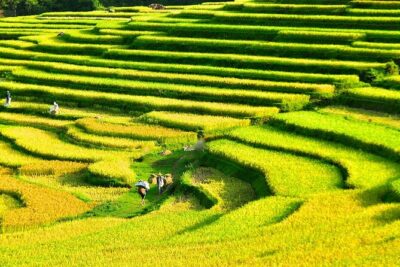
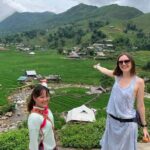
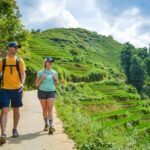
This 1-day trek is built for outdoor people and anyone who shoots photos. You’ll follow trails through forests, rolling hills, and down into valleys, with time for those rice-field and terrace views that don’t come from roadside stops.
And since it’s a private-style experience with an English-speaking guide, you get better pacing and more room for questions. In the past, guides like Mr Sinh (friendly and informative) and Ms Mu (calm, not too talky, answers questions) have made the whole day feel easy to understand.
In This Review
- Key takeaways before you go
- Why this off-the-map Sapa trek feels more local
- Getting your day right: 9:00 start, 5–6 hours, and simple planning
- Ta Phin Village and the Suoi Ho start: pine forest plus Hmong village life
- Giang Cha, Lu Khau, and Saxeng: valleys, panoramas, and terrain variety
- Lunch that actually fits the hike: local restaurant and real recovery time
- The guide factor: Mr Sinh and Ms Mu make the day click
- Price and value at $39: what’s included, what it replaces
- Trail pace, difficulty, and who this hike suits best
- Should you book this 1-day Sapa Authentic Trekking tour?
- FAQ
- What time does the trek start?
- How long is the trekking experience?
- Is lunch included in the price?
- What’s included and what’s not included?
- Is this tour private?
- Is there free cancellation?
Key takeaways before you go
- Off-the-beaten-path villages: Ta Phin Village route links lesser-visited spots instead of just the big-name areas.
- Flexible effort: you may get an easier or more difficult track option depending on the day and your group.
- Lunch is planned: you stop for a local meal included in the price, with time to recharge.
- Photo-friendly pacing: valleys, rice terraces, and forest sections make it natural to stop and frame shots.
- Water and transport included: 0.5 liter water per person and a car ride back to Sapa help you finish strong.
Why this off-the-map Sapa trek feels more local
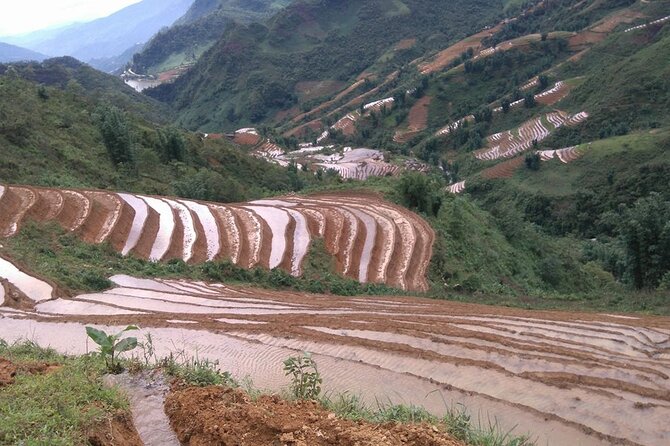
Sapa can be a bit repetitive if you only stick to the most crowded viewpoints. This day trek is different because it’s about movement through the countryside and into village areas where daily life is the point, not a show.
What I like most is the flow: you start in the morning, you walk downhill and through a pine tree forest section, and you keep moving between villages and farmland. That means your day feels like one continuous story—Hmong village life, terrace scenery, then more open walking across fields.
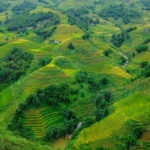
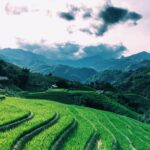
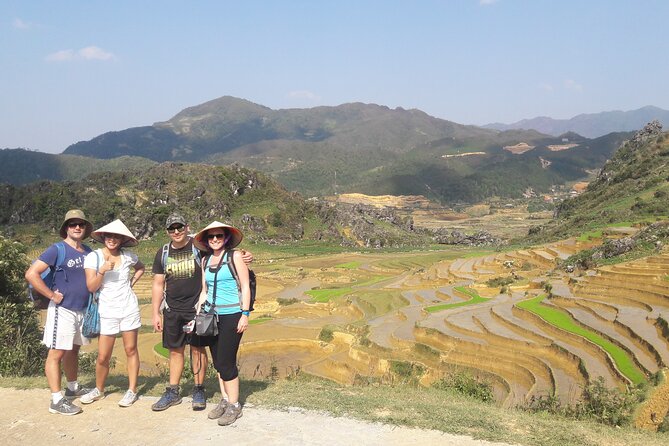
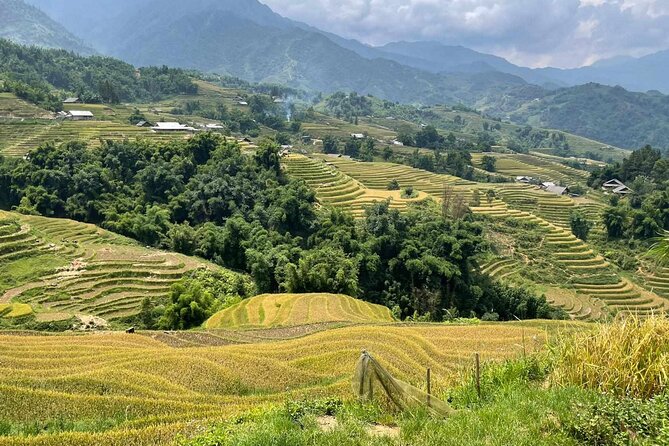
You also get a real photography advantage. Rice terraces and valley panoramas look great in any light, but you need time on foot to catch them from the right angles. This trek is built for that.
The private format matters too. Even when you’re moving as part of a tour, a private setup gives you less waiting around and more consistent guide attention. It’s also the kind of plan that works well if you want to ask direct questions about what you’re seeing.
You can also read our reviews of more tours and experiences in Sapa.
Getting your day right: 9:00 start, 5–6 hours, and simple planning
The trek begins around 9:00 am. The total time is about 5 to 6 hours, which is long enough to feel like a real hike but short enough that you’re still back in Sapa the same day.
Expect a full day of walking, including downhill sections and valley crossings. You’ll also have planned breaks: village time, a lunch stop, and time to enjoy the views. Because lunch is included, you don’t need to hunt for food midway through your route.
What to bring is simple: comfortable shoes with grip, a light rain layer (Sapa weather can change fast), and basic sun protection. You’ll get 0.5 liter of water per person, but if you tend to drink a lot, bringing a small extra personal bottle can help.
One practical detail: you’ll be transported by car from the village area back to Sapa at the end. That saves energy and makes the day feel more manageable.
Ta Phin Village and the Suoi Ho start: pine forest plus Hmong village life
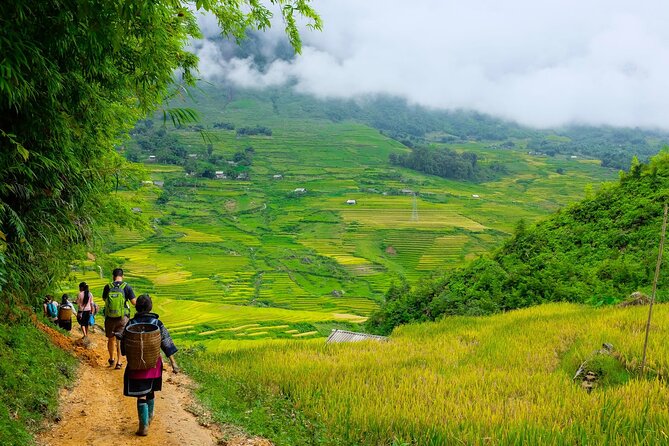
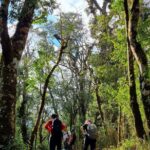
Your first big stop connects Ta Phin Village areas to the start of the countryside trek. After meeting and setting out, the route takes you down toward a pine tree forest section. That forest stretch is more than pretty scenery—it changes the mood of the hike. It’s cooler, quieter, and a bit more forgiving underfoot than some fully exposed farm paths.
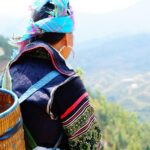
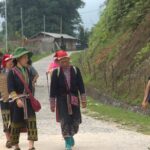
From there, you reach Suoi Ho Village, a Hmong ethnic community located in a small valley with rice terrace fields nearby. This is where the trek stops being only about views and becomes about understanding place.
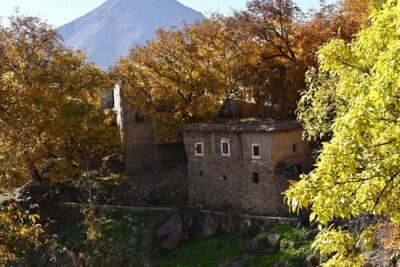
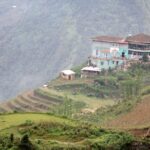
You’ll get time to look at a traditional wooden house and explore local culture. Even if you’re not a “museum person,” this part helps you connect what you’re seeing later—rice fields, trails, and village layout—to why the community lives where it does.
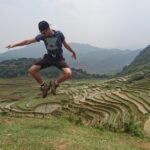
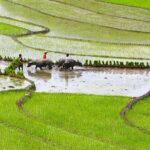
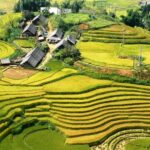
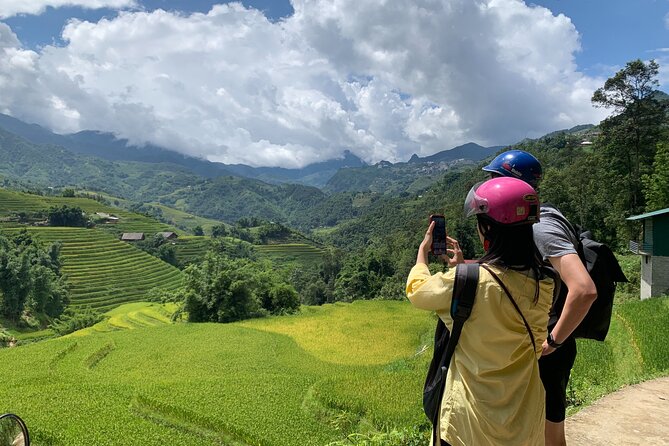
Then the walking opens up again. After Suoi Ho, the route crosses through rice paddy scenes. You’re not just passing fields from a distance. You’re moving through the valley edges where farmers work and terraces step up across the terrain.
What to watch for here as a photographer: the combination of wooden structures, green terraces, and the curve of valley views. In morning light, the terraces often show texture better than midday when contrast flattens.
Giang Cha, Lu Khau, and Saxeng: valleys, panoramas, and terrain variety
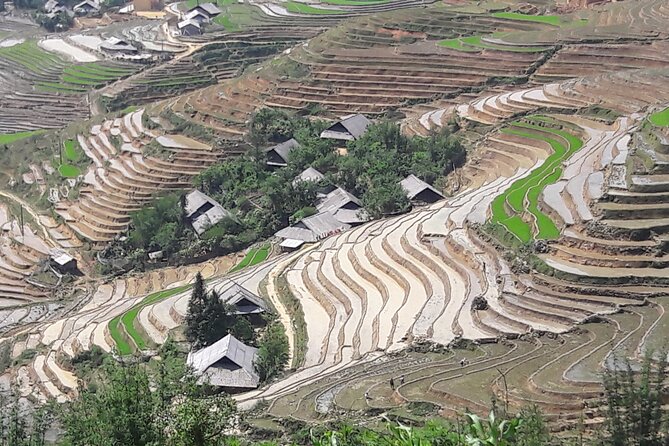
After Suoi Ho, the trek continues to Giang Cha Village. The standout here is the panorama feel—small valley views framed by farmland. If you like to photograph depth (not just a single wide view), this is the section that usually satisfies that urge.
Next, the route includes Lu Khau and Saxeng villages as part of the off-the-main-path wandering. Even when the hike isn’t at peak height, you still get changing angles as the trail shifts between terraces, ridges, and lower fields.
One reason this trek earns such high satisfaction is variety. Some Sapa walks are all about one type of scenery. This one moves through pine forest, village areas, and farmland trails. That keeps your legs busy and your eyes interested.
Then comes the lunch period and the farmland descent after. In the route description, you’ll walk down to corn fields with black limestone fields. That contrast can look dramatic in photos—dark stone against green growth and sky. It’s also the kind of scenery you usually miss when you only do short roadside walks.
If you choose a more challenging track, you can expect steeper or more demanding sections. One guide and route pairing gets described as a difficult but beautiful day, so if you’re unsure, it’s worth asking your guide about the easier vs harder option for your group.
Lunch that actually fits the hike: local restaurant and real recovery time
Lunch is included in the tour price, served at a local restaurant. This matters more than it sounds. On hiking days, the worst-case scenario is a rushed meal that doesn’t refuel you enough for the next leg.
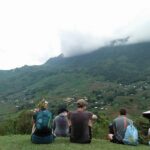
Here, lunch comes after the mid-route village walking (after Giang Cha), so you’re not forcing a meal too early or too late. You’ll get a proper stop, time to eat, and a breather before continuing.
For most people, the best part is how lunch feels integrated into the day. You’re already in village-and-farm territory, so the meal doesn’t feel like a forced tourist stop. It’s simply where you pause before the final stretches.
You’ll also get water included, which helps you start the day hydrated. After lunch, if you still feel thirsty, ask your guide how much water is left in the included bottle allocation and whether there are refill points along the route (refill availability isn’t guaranteed in the information provided, so it’s smart to plan).
The guide factor: Mr Sinh and Ms Mu make the day click
A good trek guide changes everything. Not in a flashy way—more like making the route make sense and keeping you comfortable.
From past experiences, Mr Sinh has been described as very friendly and good at explaining the region and minority communities. Ms Mu has been described as pleasant, speaking without taking over the day, and answering questions eagerly.
That “not too much talking” point is underrated. On a hike, you want enough context to understand what you’re seeing, but you still want time to notice the trail, the fields, and the people around you.
If you’re the type who likes to ask questions, you’ll likely enjoy this style. If you’d rather keep questions minimal, that same calm pace can make the day feel relaxed.
Price and value at $39: what’s included, what it replaces
This trek costs $39.00 per person and is typically booked about 10 days in advance. For a 1-day Sapa trek that includes lunch and an English-speaking guide, it’s positioned as good value rather than a budget gamble.
Here’s what you effectively get baked into the price:
- Lunch included
- English-speaking guide
- Entrance fee included
- 0.5 liter of water per person
- Transport by car from the village area back to Sapa
And what’s not included:
- Tips
- Insurance
- Personal expenses
- Soft drink
When a tour includes entrance fees and lunch, you avoid two common money-drains that can make “cheap” hikes feel expensive after the fact. Also, you’re not left scrambling for transport after the walk. That “car back to Sapa” detail is a real quality-of-life perk—especially if the hike runs long or the weather shifts.
Group discounts are mentioned too, which can help if you come with friends or can match with others in your booking situation. And since there’s a mobile ticket, you can plan without extra paperwork stress.
Trail pace, difficulty, and who this hike suits best
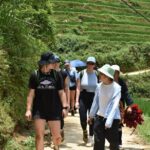
This one-day trek is best for people who want outdoors time and don’t mind sustained walking. You’ll move across forest and farmland and spend a good chunk of the day on uneven ground.
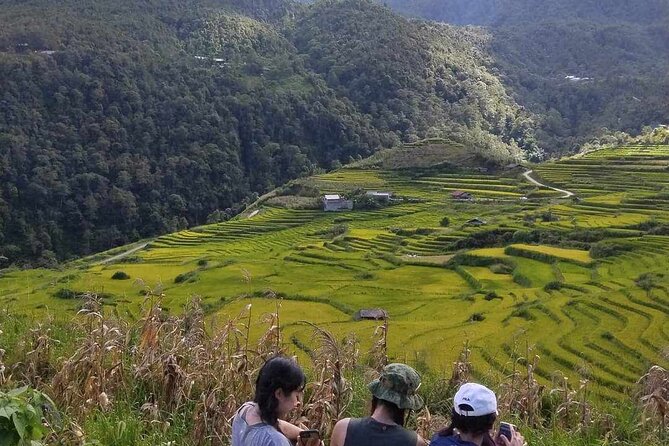
If you love photography, you’ll likely appreciate how the route keeps giving you new frames: terraces, valley panoramas, village structures, and darker black limestone contrast near the end of the day.
If you’re not sure about difficulty, look for the option of choosing between an easier and more difficult route if that’s available for your day. Past descriptions include an ability to switch between easier and more difficult stretches, and the more difficult option has been described as intense but still beautiful—so you can better match the hike to your fitness.
It’s also a good fit if you like meeting local villagers. The route is structured around village areas, and you’ll have time to explore cultural details like a traditional wooden house at Suoi Ho.
On the practical side, service animals are allowed, and the information says most people can participate. That suggests the experience isn’t designed only for elite hikers. Still, you should judge based on your own comfort with hills and walking time.
Should you book this 1-day Sapa Authentic Trekking tour?
Book it if you want:
- A Sapa hike that avoids the main tourist loop
- A day plan with lunch already handled
- Plenty of walking time for photos and real countryside feel
- A guide who can explain what you’re seeing without overwhelming you
Skip it or choose a gentler option if:
- You want a short, mostly flat walk with lots of waiting around
- You’re sensitive to steeper or more intense hiking sections, especially if you end up on the harder track
- You don’t want cultural village stops and prefer purely scenery-based trekking
FAQ
What time does the trek start?
The tour start time is 9:00 am.
How long is the trekking experience?
It lasts about 5 to 6 hours.
Is lunch included in the price?
Yes. Lunch is included in the tour price.
What’s included and what’s not included?
Included: lunch, an English-speaking guide, 0.5 liter of water per person, entrance fees, and transport by car back from the village to Sapa. Not included: tips, insurance, personal expenses, and soft drinks.
Is this tour private?
Yes. It’s listed as a private tour/activity, meaning only your group will participate.
Is there free cancellation?
Yes. You can cancel for a full refund up to 24 hours before the experience start time.