REVIEW · MINCA
Trekking History and Indigenous Heritage in Minca + Cacao & Coffee + Waterfall
Book on GetYourGuide →Operated by Macondo Project Tourism · Bookable on GetYourGuide
The jungle trail near Minca has a way of slowing you down fast. This tour mixes Tayrona-linked indigenous history, a working cacao and coffee farm with Arhuaco teachings, and a chance to cool off at a waterfall. I like that it’s not just scenery; it’s context you can carry with you.
Two things I really like are the bilingual local guide who connects the hike to indigenous heritage, and the cacao/coffee stop where you learn how farming fits into worldview—not just production. One possible drawback: it’s a medium-difficulty hike, so you’ll want solid footwear and to be ready for uneven trail and rain.
In This Review
- Key Takeaways Before You Go
- Minca’s Tayrona Trails: Why This Hike Feels Different
- From Parque de Minca to Trail Time: The Start Matters
- The Hike Portion: Medium Difficulty, Real Jungle Conditions
- Cabanas Bosque Cacao: Coffee, Cacao, and Arhuaco Knowledge
- The Tayrona Connection You’ll Actually Remember
- Tasting Cacao and Coffee: Flavor With Context
- Waterfall Time: Cool Down and Reset
- Logistics That Affect Your Comfort (and Your Enjoyment)
- What to Bring for a Smoother Day in Minca
- Who Should Book This Tour (and Who Might Skip It)
- Price and Value: What You Get for $41
- Should You Book This Trek and Cacao-Coffee Experience?
- FAQ
- FAQ
- Where is the meeting point?
- How long is the experience?
- What languages are available?
- What difficulty level is the hike?
- Is the tour available in the rain?
- Is there a chance to swim?
- What’s included in the price?
- What isn’t included?
- What should I bring?
- Who is the tour not suitable for?
Key Takeaways Before You Go
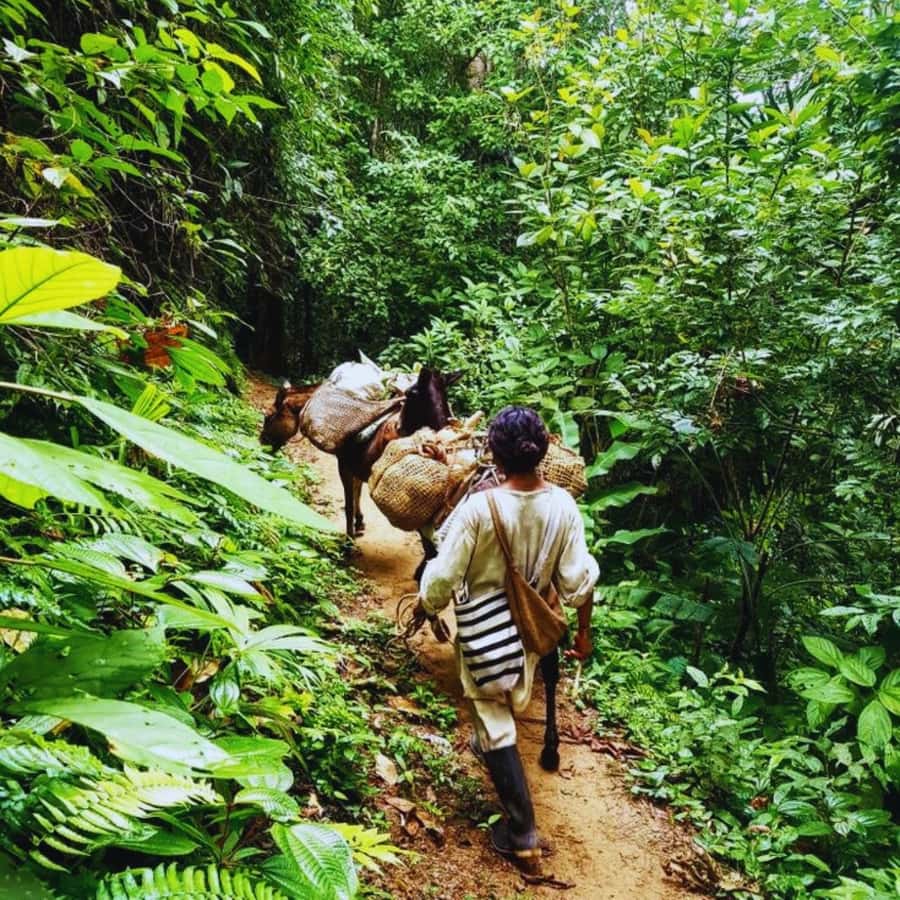
- Historic trails with Tayrona heritage: the walk has cultural meaning, not just a route on a map.
- Bilingual guide support: English and Spanish narration help you follow the story the whole way.
- Arhuaco-managed cacao and coffee farm: you’ll learn cultivation, transformation, and traditional uses.
- Tasting that ties to culture: cacao and coffee sampling comes with explanations, not a quick demo.
- Rain-or-shine with a waterfall option: bring swimwear because water might be part of the day.
- Tour supports indigenous community projects: your ticket contributes directly to local work.
Minca’s Tayrona Trails: Why This Hike Feels Different
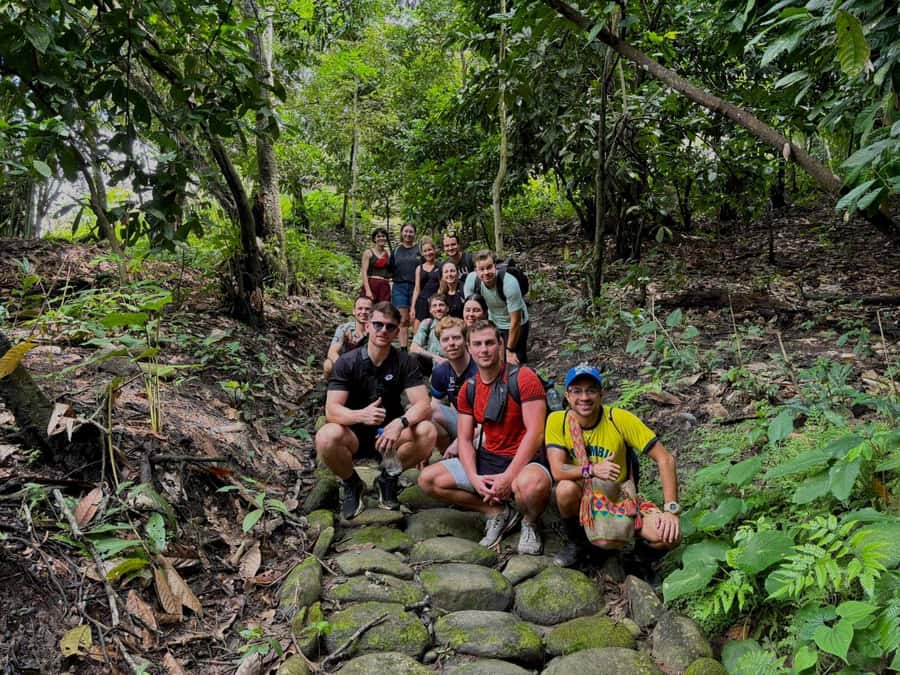
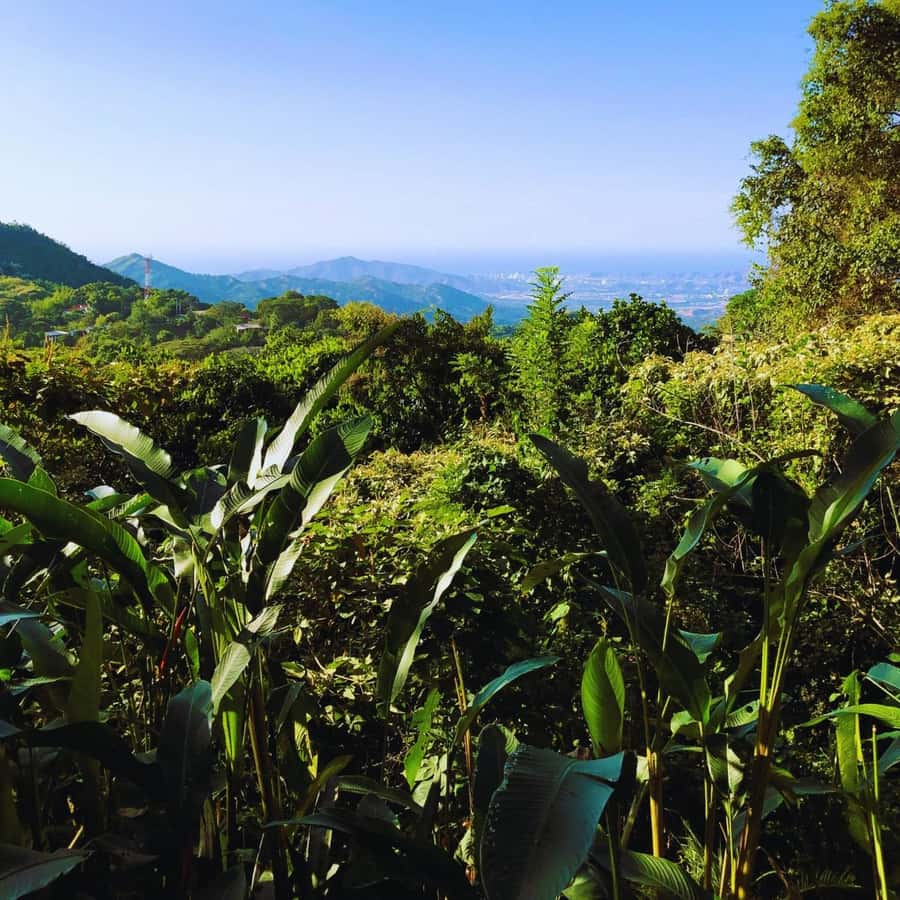
Minca is famous for nature hikes, but this one hits a different nerve because the trail is tied to indigenous legacy. You’re walking paths connected to the Tayrona tradition, and the guide frames what you’re seeing—trees, habitat, and trail life—with a human story behind it.
What I like most is that the tour doesn’t treat indigenous heritage like a museum exhibit. Instead, it explains how communities descended from Tayrona—Kogui, Wiwa, Arhuacos, and Kankuamos—kept knowledge alive through their relationship with the land. That matters, because it turns “jungle walking” into something you can understand.
The other win is that the day isn’t only hiking. The cacao and coffee farm stop is built into the experience, with real conversation time and tasting. And then you finish with a waterfall moment, which is exactly what your legs and brain crave after a few hours on slope and steps.
You can also read our reviews of more tours and experiences in Minca.
From Parque de Minca to Trail Time: The Start Matters
You meet at Minca’s Central Park, at the chapel area. It’s a simple, easy-to-find setup that helps you avoid the “where do we go now?” stress.
From the start, the tone is practical: you’ll be led by a local guide specialized in indigenous history and culture, bilingual in English and Spanish. This is one of those details that changes the whole experience. When you can actually follow the explanation—rather than guessing—you’ll notice the small stuff along the route: how native vegetation grows in patches, how shade and moisture affect the trail, and how traditional practices link back to the ecosystem around you.
A good tip here: show up with a calm pace. Even before the farm visit, there’s a story you’ll want to stay with, so rushing usually backfires.
The Hike Portion: Medium Difficulty, Real Jungle Conditions
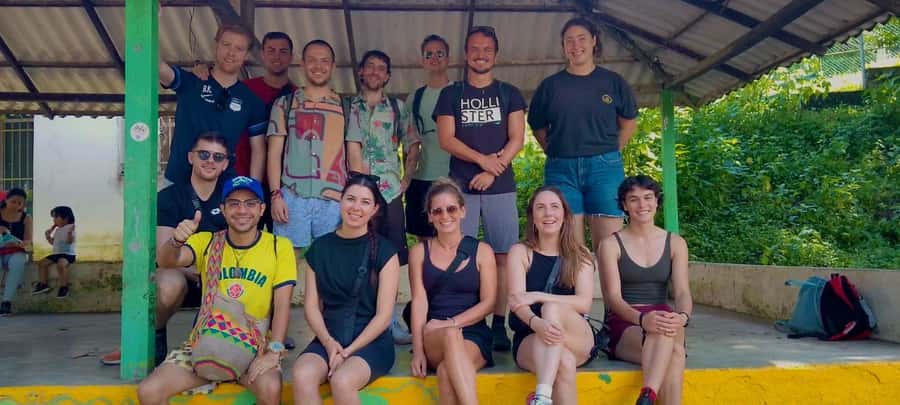
This is labeled medium for difficulty, and that’s fair. You’ll want good physical condition and comfortable walking shoes, because the route runs through natural trails where footing can be uneven. If you’ve hiked before, you’ll probably handle it fine. If you prefer flat city walking, you’ll feel it.
The tour also runs rain or shine (not in extreme conditions). In Minca, that means you should pack like it could change quickly:
- sunscreen and hat (sun can still cut through)
- biodegradable insect repellent (important in humid areas)
- trekking pants if you want less scratchy contact with plants
One more point I appreciate: the day is built for culture and conversation, not just speed. You’re not racing to the finish line; you’re moving through an area where biodiversity is part of the lesson, and where the guide talks about the interaction between ecosystem and traditional practices.
Cabanas Bosque Cacao: Coffee, Cacao, and Arhuaco Knowledge
At Cabanas Bosque Cacao, the experience shifts from hiking mode to learning mode. The farm visit is managed by an Arhuaco family, and you’ll learn how their way of life connects to cacao and coffee.
This stop is special because it explains the full relationship, not only the steps of farming. You’ll hear about:
- how cacao and coffee are cultivated
- how they’re transformed into products
- how those uses fit within indigenous worldview
In plain terms, the tour helps you understand why someone grows these plants the way they do, and why the story around them matters. That’s different from a standard tasting that stays at the flavor level only.
You’ll also get time to talk with members of the Arhuaco community. That conversation time is one of the best values on the schedule. It’s where you can ask questions in a respectful way and learn what the land means to people who’ve carried these practices across generations.
And yes—English help can show up in the family and guiding team, so if you don’t speak much Spanish, you’re still set.
The Tayrona Connection You’ll Actually Remember
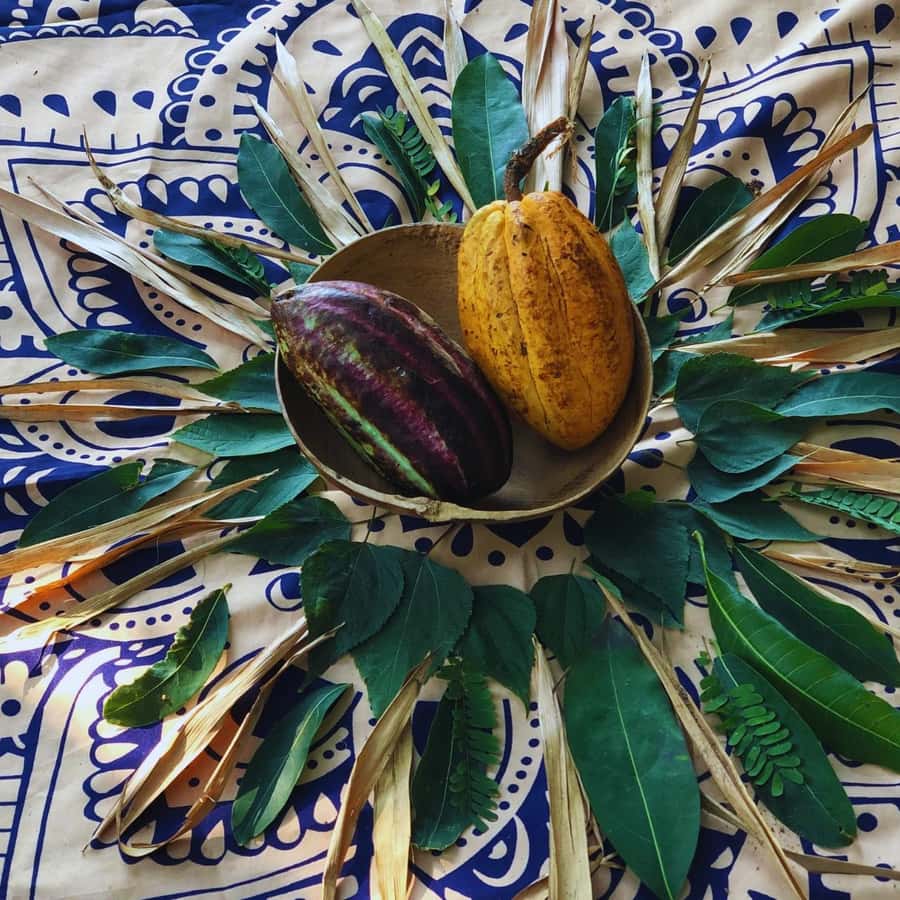
The tour frames the region’s indigenous heritage through descendants of Tayrona who maintain ancestral knowledge. You’ll hear about communities including Kogui, Wiwa, Arhuacos, and Kankuamos, and how their relationship with nature is part of survival and identity—not just tradition.
What makes this more memorable than a quick talk is that it’s paired with what you’re seeing around you. As you walk, you observe native vegetation and the variety of species in the area. Then, at the farm, you get the human-side explanation: how traditional practices and farming connect to the land’s patterns.
For you, that means the tour becomes a mental map. Later, when you’re wandering Minca on your own, you’ll see the place differently—less like “pretty jungle” and more like a living system with people who know it intimately.
Tasting Cacao and Coffee: Flavor With Context
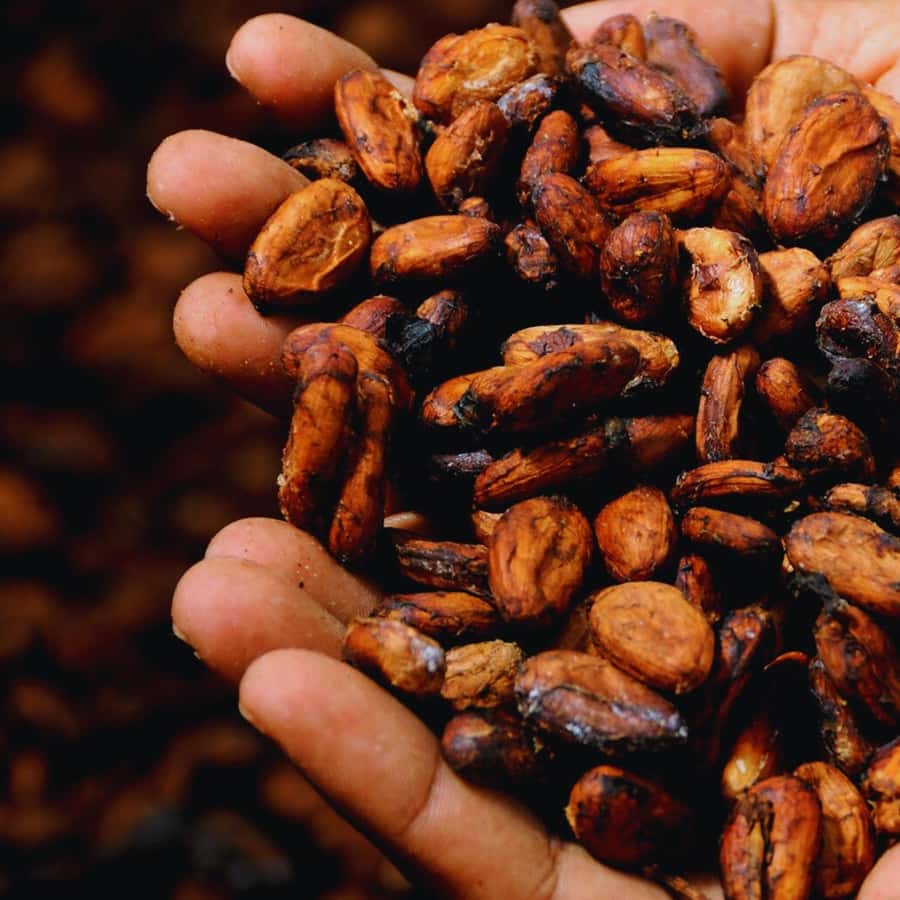
The tasting is included, and it’s not treated like a formality. You’ll get a chance to taste cacao and coffee tied to the indigenous perspective taught during the farm session.
For me, the value here is context. When you understand what you’re tasting and why it matters, your senses pay attention longer. You’ll likely notice differences more clearly, and you’ll also understand that these products aren’t just commodities; they connect back to how people read the land.
If you’re the type who buys souvenirs, this is one of the few experiences where it makes sense. You’ll have a reason behind what you want to take home.
Waterfall Time: Cool Down and Reset
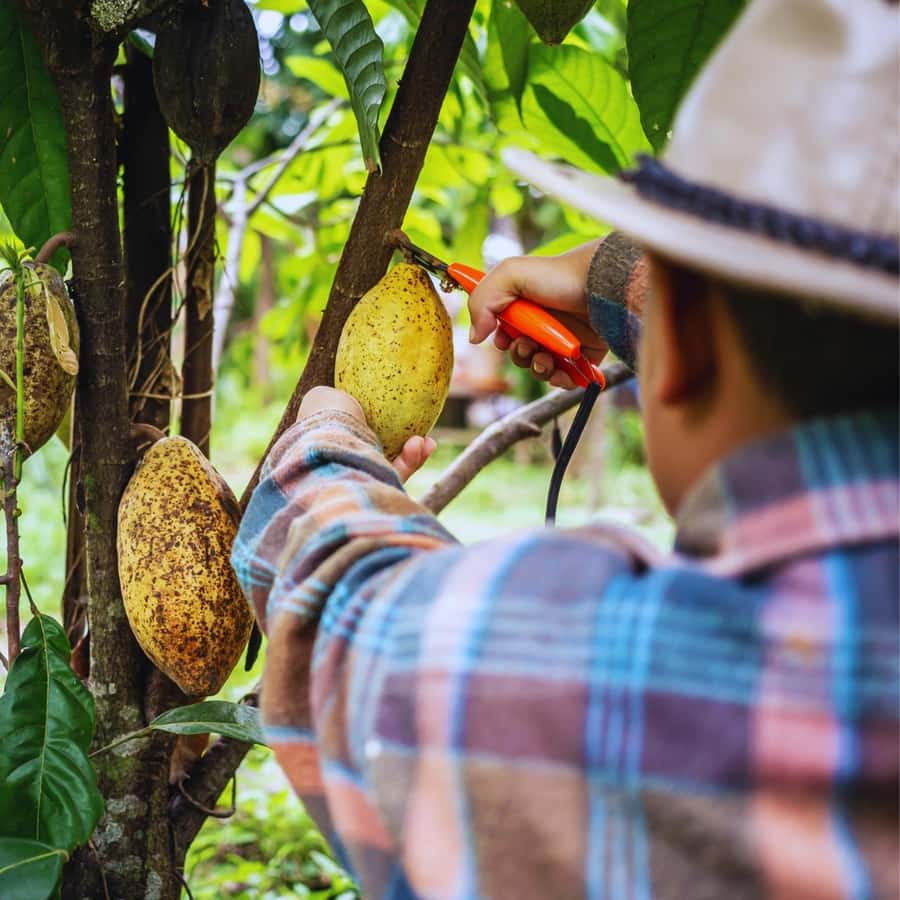
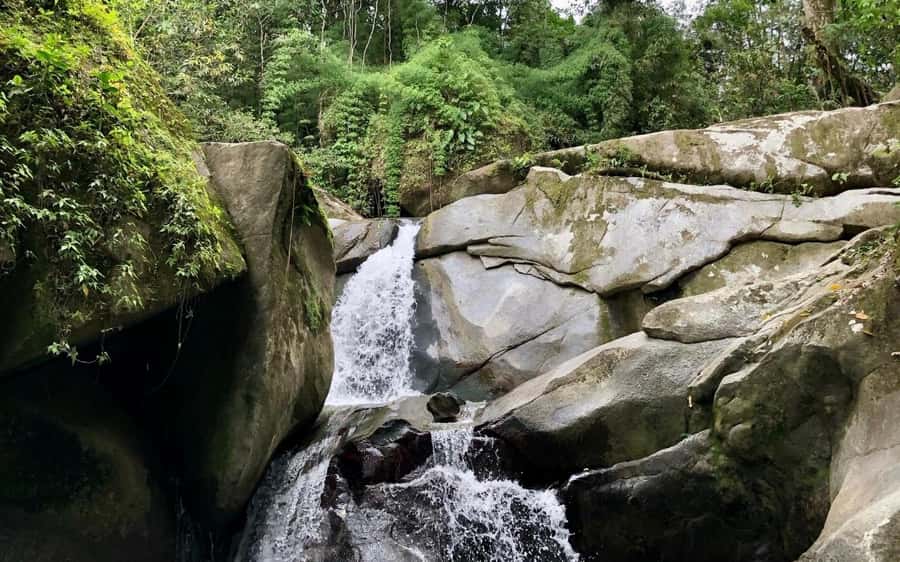
The day ends with time at a natural waterfall to relax. You might even encounter a waterfall along the way, so plan for water as part of your route.
This is where the tour stays practical. The provided guidance clearly points you toward bringing swimwear, and I’m glad it does. The water break isn’t a bonus add-on; it’s part of how the experience finishes.
For your planning: dry out and keep your pace gentle. Wet stones can be slick, and you’ll still have some walking involved between the waterfall stop and returning toward Parque de Minca.
Logistics That Affect Your Comfort (and Your Enjoyment)
Price is $41 per person for about 4.5 hours (give or take by start time). Not having to pay for food or transportation within the tour also matters for budgeting. Since food and beverages aren’t included, you’ll want either snacks you bring yourself or a plan to eat after you return to town.
Transportation isn’t included either. That’s why the meeting point setup is important: start at Parque de Minca, and you’ll end back there. If you’re coming from Santa Marta, ask ahead about the option for help arranging a private driver, since that can make the day easier.
Safety and respect are also taken seriously:
- no weapons or sharp objects
- no alcohol or drugs
- follow indigenous community instructions
- no littering or nudity
There’s also assistance insurance during the activity, which is a comforting baseline for a jungle trek.
What to Bring for a Smoother Day in Minca
Here’s what I’d pack from this tour’s requirements, because it matches real conditions:
- comfortable shoes or hiking shoes (not flimsy sandals)
- hiking pants
- sun hat
- sunscreen (biodegradable)
- biodegradable insect repellent
- reusable water bottle
- swimsuit (even if you think you might skip it)
- trekking gear you prefer (small daypack helps)
If you’re prone to getting cold when you stop walking, consider a light layer too—but stick to what you know you’ll actually use. In Minca, you can sweat hard during the hike and then want relief at water’s edge.
Who Should Book This Tour (and Who Might Skip It)
This tour is a great fit if you want more than a typical nature walk. It’s best for you if you care about:
- indigenous heritage beyond surface facts
- how farming ties into culture and worldview
- connecting biodiversity and daily life in one day
It may not be ideal if you:
- want a very easy walk (it’s medium difficulty)
- need wheelchair accessibility (not suitable for wheelchair users)
- travel with young kids (not suitable for children under 12)
- have mobility limits that make uneven trails hard
- prefer food included in the price (meals and drinks aren’t included)
If you’re there for a first taste of Minca—especially if you want to start your stay with direction—this is a strong early-day option.
Price and Value: What You Get for $41
For $41, you’re paying for more than a guided hike. You’re getting:
- a bilingual local guide focused on indigenous history and culture
- a guided trek along nature trails with Tayrona heritage
- a farm visit with an Arhuaco family
- explanations of cultivation and transformation
- traditional tasting of cacao and coffee
- time to talk with community members
- access to a natural waterfall
- direct contribution to indigenous community projects
- assistance insurance during the activity
That bundle is why the cost feels reasonable. You’re not just buying walking time; you’re buying interpretation, conversation, and cultural context—plus tasting and a water stop. The only “extra cost” is what you handle yourself: food, beverages, and transportation.
Should You Book This Trek and Cacao-Coffee Experience?
I’d book it if you want your Minca day to mean something. The pairing of Tayrona-linked trails, Arhuaco cacao/coffee knowledge, and a waterfall break is a smart way to get both movement and learning without turning it into a long all-day mission.
I’d skip or reconsider if you’re hoping for a super-easy stroll, or if swim stops feel like a hassle. Also plan around the fact that food and drinks aren’t included—so don’t show up hungry and unprepared.
If you do book, treat the indigenous education part with care: listen closely, ask respectful questions, and follow the community’s guidance. That’s how you’ll get the most out of the day.
FAQ
FAQ
Where is the meeting point?
You’ll meet your guide at Minca’s Central Park, near the central chapel.
How long is the experience?
The total duration is about 4.5 hours, though actual timing depends on the start time.
What languages are available?
The tour guide provides live commentary in English and Spanish.
What difficulty level is the hike?
The hike is considered medium difficulty, and good physical condition is recommended.
Is the tour available in the rain?
Yes. It runs rain or shine, except in extreme conditions.
Is there a chance to swim?
Yes. The tour includes access to a natural waterfall, and you may encounter a waterfall along the way, so bringing swimwear is recommended.
What’s included in the price?
A local bilingual guide, the guided hike, the indigenous coffee and cacao farm visit, explanations of cultivation and indigenous worldview, traditional tasting, time to talk with Arhuaco community members, access to a natural waterfall to relax, contribution to community projects, and assistance insurance.
What isn’t included?
Food and beverages are not included, and transportation is not included.
What should I bring?
Comfortable shoes (or hiking shoes), sun hat, sunscreen, biodegradable sunscreen, hiking pants, a reusable water bottle, biodegradable insect repellent, trekking gear, and swimwear.
Who is the tour not suitable for?
It isn’t suitable for children under 12, wheelchair users, or people over 95.