REVIEW · KATHMANDU
Ghorepani – Poon Hill Trek – 5 DAYS
Book on Viator →Operated by Alpine Club of Himalaya · Bookable on Viator
Poon Hill sunrise is the whole point. This Ghorepani–Poon Hill trek mixes classic Annapurna scenery with village trails under the big peaks, plus an easy setup in Kathmandu and Pokhara before the first steps on the path. You also get that jaw-dropping morning moment when the Himalayan giants start to glow.
I like two things a lot. First, the logistics are handled: airport/hotel pickups and drops, Kathmandu–Pokhara flights, and the domestic flights back to Kathmandu. Second, the trek essentials are taken care of, including your guide and porter support, ACAP permit and TIMS card, and full meals during the trek (breakfast, lunch, dinner, plus tea/coffee).
One thing to think about: comfort is basic. You’ll sleep in tea houses with sharing bathrooms, and the trip does not include hot showers, hot water, Wi‑Fi, or bottled water.
In This Review
- Key Things to Know Before You Go
- Annapurna Sunrise at Poon Hill: The Reason This Trek Works
- Days 1 and 2: Kathmandu Setup, Pokhara Stops, and Nayapul Trail Start
- Days 3 and 4: Ulleri’s 3300 Steps, Ghorepani Nights, and Ridge Walking to Syauli
- Tea Houses and Meals: What Comfort Looks Like Here
- Price and Logistics: Is $999 Good Value for This 5-Day Plan?
- Support Team Details: Sujan Planning, Ding on the Trail
- Should You Book This 5-Day Ghorepani Poon Hill Trek?
- FAQ
- What is the duration and overall route of the Ghorepani Poon Hill trek?
- How much does the tour cost per person?
- Are airport and hotel transfers included?
- Does the tour include flights?
- What permits are needed for the Annapurna trek, and are they included?
- What kind of lodging do you use during the trek?
- Are meals included during the trek?
- Are hot showers, hot water, and Wi‑Fi included?
- Does the price include trekking support like a guide and porter?
- Can I cancel for a full refund?
Key Things to Know Before You Go
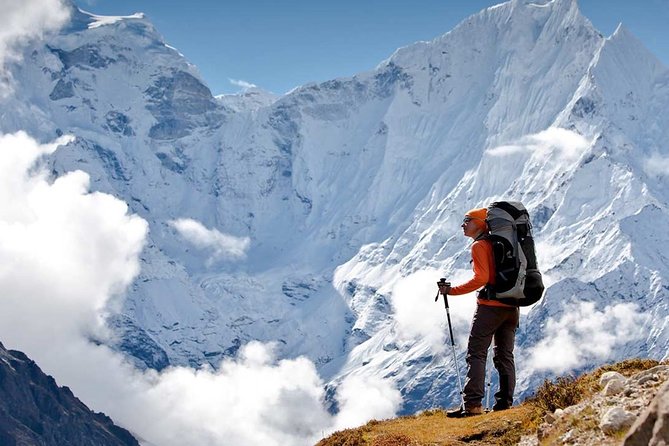
- Sunrise views are the big payoff, with Poon Hill built around panoramic mountain sightlines from Dhaulagiri across Annapurna to Machhapuchhare.
- Tea-house trekking is part of the deal, including shared bathrooms and simple but filling meals.
- Permits and route paperwork are handled, including ACAP and TIMS for the Annapurna area.
- You get guide + porter support, generally with a 2 trekkers to 1 porter setup.
- Kathmandu and Pokhara are folded in, not just a straight transfer to the trail.
Annapurna Sunrise at Poon Hill: The Reason This Trek Works
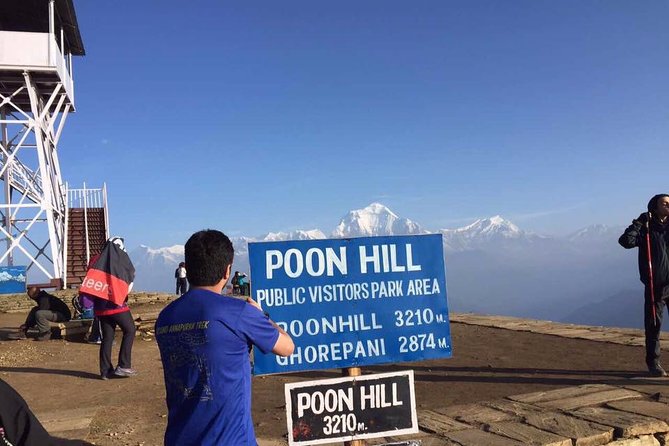
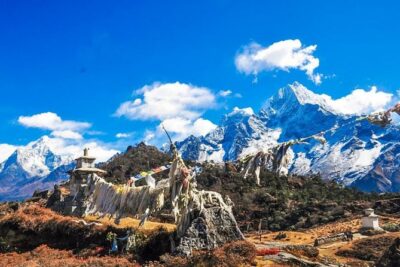
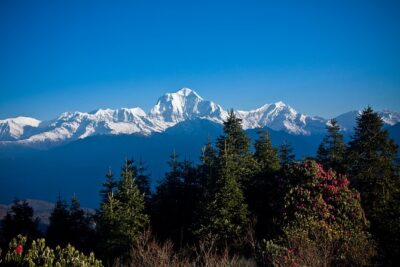
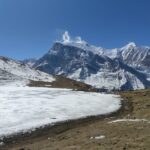
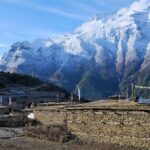
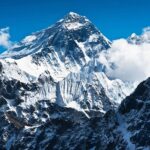
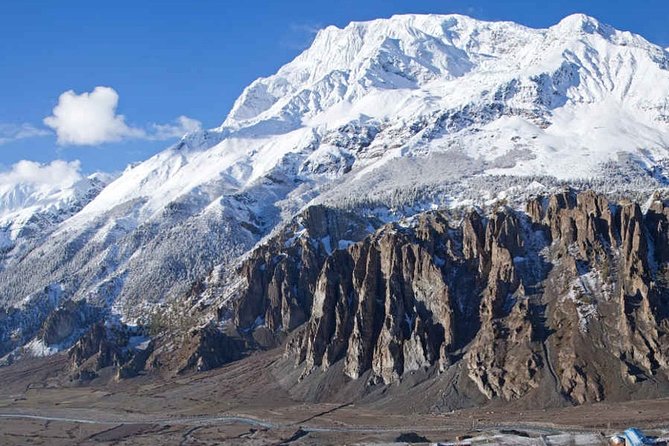
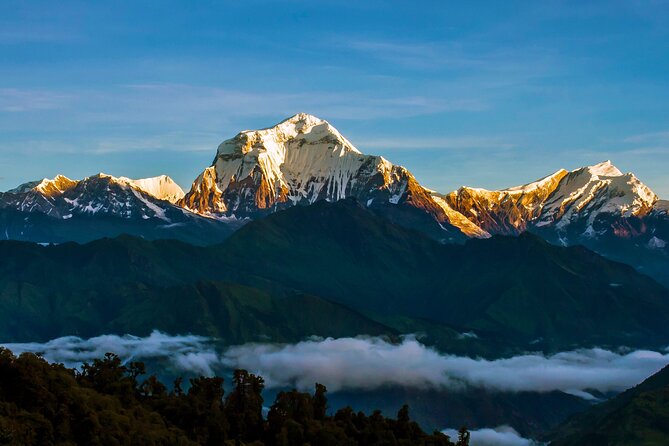
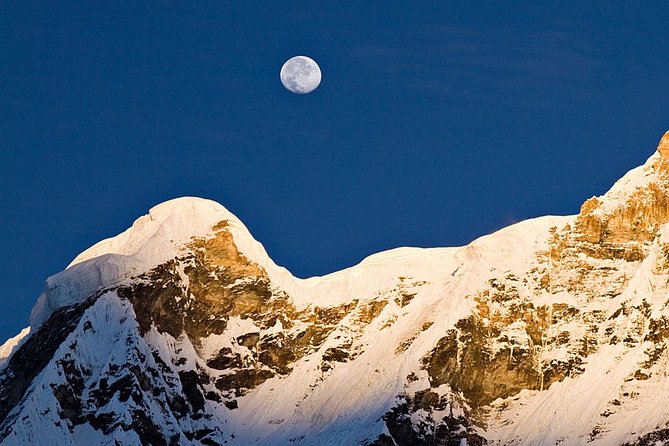
If you’re chasing one-view energy, Poon Hill delivers. The trek is built around the climb/view from Poon Hill, where sunrise (and some travelers also plan for sunset timing) can reveal the Himalayan giants one layer at a time. The route is set below the Annapurnas, with Machhapuchhare (Fishtail Peak) dominating the skyline, and big names like Dhaulagiri and Annapurna in the wider panorama.
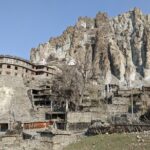
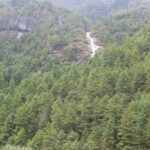
What I like is that the trek feels like a real journey, not a hike-only day. You move through charming villages tied to Gurung and Magar communities, and you walk through dense rhododendron forests that can be busy with birds. Then the scenery keeps stacking up: stone stair climbs, forest shade, valley views, and ridge walking that makes the final viewpoint feel earned.
The best part for practical minds: this is one of the more manageable Annapurna-region treks. You’re not committing to days of high-altitude route complexity here, but you still get that classic mid-mountain Nepal feeling—tea houses, local trails, and mountain views that actually change as you go.
You can also read our reviews of more tours and experiences in Kathmandu.

Days 1 and 2: Kathmandu Setup, Pokhara Stops, and Nayapul Trail Start
Day 1 is pure reset mode. You arrive at Kathmandu International Airport, meet a representative, and check into a hotel for a night that includes breakfast. The rest of the day is free, with a welcome dinner in the evening—handy if you want to pace yourself and get your bearings without scheduling stress.
Day 2 is where the trip switches gears from city to countryside. You fly from Kathmandu to Pokhara (about 25 minutes). Then you visit a set of famous, very doable sights: the deep Seti River gorge, Davi’s Falls, Gupteswar Cave, and the Bat Cave. In the evening, you spend time at Phewa Lake with a relaxed row. This is a smart choice because it breaks up the travel day and gives you a taste of Nepal beyond the trek route.
After breakfast, the program drives you to Nayapul (about 41 km / 25 miles) to start walking. The trail begins with a steep descent to a bridge over a small stream and onward toward Birethanti. This is also when the paperwork matters: you stop at the ACAP check post and show your ACAP permit and TIMS card. By the time you’re fully on the trail, you’ll already understand the rhythm of the trek—short climbs, village segments, and the steady ramp-up toward Ghorepani.
Days 3 and 4: Ulleri’s 3300 Steps, Ghorepani Nights, and Ridge Walking to Syauli
Day 3 is the trek day that makes the route feel real. It’s about a 4–6 hour walk and includes some key crossings and a major stair climb. You start by crossing Tikhedhunga Khola on a suspension bridge. Then you drop and cross Bhurungdi Khola on a larger bridge at 1520m.
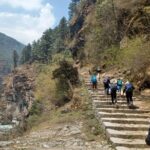
Then comes the staircase effort. The trail climbs steeply using stone steps said to be more than 3300 steps, pushing you up toward Ulleri (2080m). It’s hard work, but it’s a known rhythm: lift, step, breathe, repeat. After Ulleri, the climbing eases into a gentler pattern through pastures and cultivated fields, then transitions into deeper forests. Along the way you pass multiple streams and forest stretches (including oak and rhododendron areas). Eventually the route tops out again with a final climb toward Nangathanti (2460m), and about an hour later you reach Ghorepani.
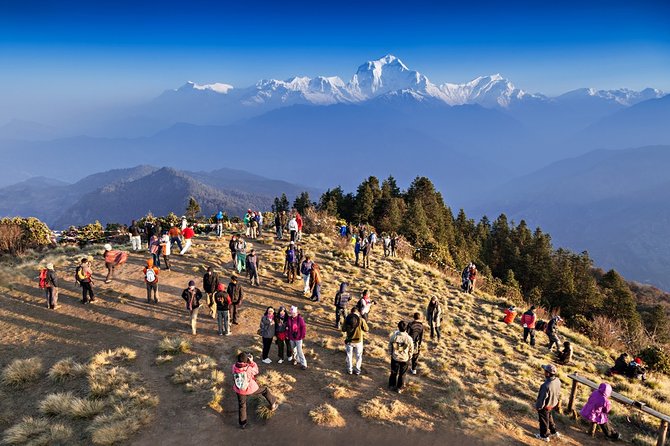
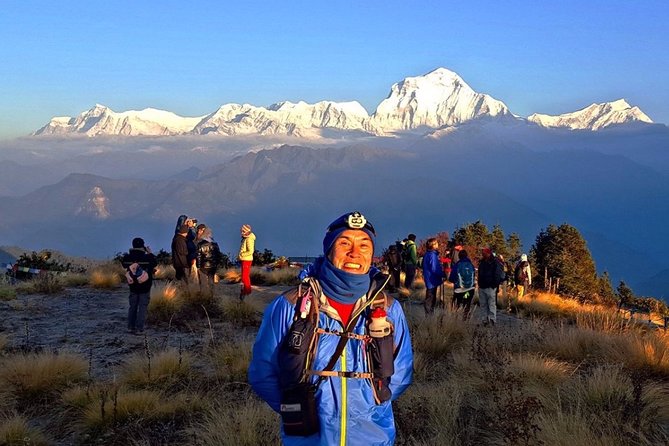
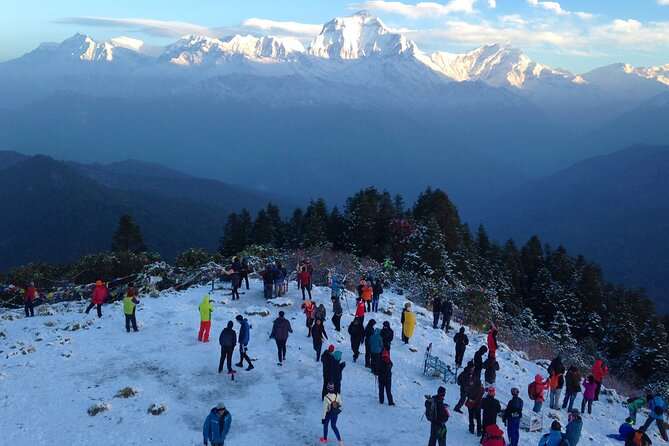
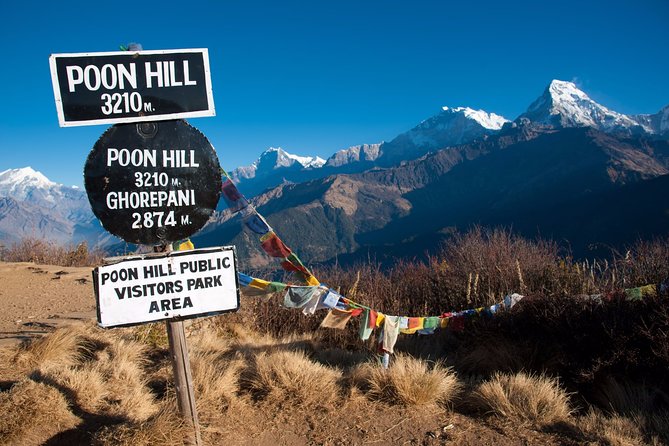
Day 4 is your mountain-moment day. You’ll climb for about an hour to reach Poon Hill, the viewpoint designed for panoramic views from Dhaulagiri to Annapurna to Machhapuchhre. You’re looking across a long list of peaks in the wider view area, including Annapurna South, Annapurna I, Hiunchuli, and Tarke Kang, plus Tukuche and Nilgiri mentioned in the range span.
After the viewpoint time, the walking shifts back to trail work: you take the main path that drops south on stair sections, then you traverse high above the river on stone-paved trail. You cross streams (including at Chane around 1690m and later around Kimche at 1640m), follow the ridge downhill, and connect to the Modi Khola at Syauli bazaar (1140m). After that, the route turns flatter and follows the river valley.
Tea Houses and Meals: What Comfort Looks Like Here
This trek is built around tea-house nights for three days. That means shared basics. The trip includes 3 nights stay in tea houses, and it specifies that bathrooms are shared. If you’re used to full privacy and hot water on demand, you’ll want to adjust your expectations early and not fight the reality.
Food is actually a strong part of the package. During the trek you get breakfast, lunch, and dinner, and each meal time includes tea or coffee. That matters because on a mountain trail, you’re always managing energy, not just scenery. With meals planned for you, you avoid the common headache of hunting down reliable food after a long walking day.
One practical note: the trip does not include hot shower, hot water, Wi‑Fi, or mineral water. So plan on washing with what’s available and budgeting for anything you want beyond the included meals. If you care about staying connected, you’ll have to treat the phone like an optional tool, not a constant companion.
Price and Logistics: Is $999 Good Value for This 5-Day Plan?
At $999 per person, the value depends on what you’re trying to avoid. This price covers a lot of the expensive friction points: pickups and drops, a night in Kathmandu with breakfast, airfare from Kathmandu to Pokhara and the return flight to Kathmandu, plus airport departure taxes. It also includes permits (ACAP and TIMS), the trekking team (guide and porter), and the trek’s core meal plan.
It also includes gear you’d otherwise have to source. You get a down jacket and a sleeping bag during the trek, and the instruction is that you return them to the office after completion. The package also mentions an ACH kitbag and T-shirt. That’s useful if you’re traveling light or don’t want to figure out what to rent or pack before Nepal.
What’s not included is where you need to budget smartly. The trip excludes Nepal entry visa fees, international airfare, travel insurance (including evacuation), tips for local staff, and lunch in Kathmandu. It also leaves out extras like bar bills, laundry, desserts, mineral water, and hot shower costs. In other words, $999 buys you a lot of structure, but not everything that happens around the structure.
If you want the simplest path with guided walking, included permits, and fixed domestic flights, this is a strong deal. If you prefer total independence and you already have all gear plus permits and you can handle transfers on your own, you might find cheaper options. But cheaper usually means more work for you.
Support Team Details: Sujan Planning, Ding on the Trail
Support quality is one of the clearest signals from the way this company runs. In the planning side, Sujan is mentioned as responsive and helpful with answers and flexibility. That matters most before you go, when small timing questions can spiral.
On the trail, guides like Ding are described as patient and caring, especially for groups that weren’t deeply experienced. That kind of guide style is a big deal on a trek with a steep stair section, because confidence and pacing help you keep moving without burning out too early. The porter setup also keeps the burden reasonable: the package notes a 2 trekkers to 1 porter ratio, and it covers guide and porter salary, food, insurance, and lodging.
Taken together, it’s a package designed for people who want to focus on the trek itself. You’re still doing the work, but you’re not doing the logistics.
Should You Book This 5-Day Ghorepani Poon Hill Trek?
I think you should book this if you want the classic Poon Hill panorama with a guided setup and you’d rather not handle permits, flights, and trek food planning yourself. It’s a good fit for beginners and mixed-experience groups, especially if you like the idea of sunrise views plus village walking without a long multi-week commitment.
You might skip it if your travel style depends on private bathroom comfort, free Wi‑Fi, and hot showers every day, or if you want total freedom to change routes and meals at the last minute. The tea-house reality and shared facilities are part of the deal, not a surprise.
If you’re aiming for a memorable first Annapurna trek, this one is built for that goal.
FAQ
What is the duration and overall route of the Ghorepani Poon Hill trek?
The trek runs about 5 days. It includes Kathmandu and Pokhara sightseeing, then trekking to Ghorepani and the Poon Hill viewpoint, and finally returning to Kathmandu by flight.
How much does the tour cost per person?
The price is $999.00 per person.
Are airport and hotel transfers included?
Yes. The package includes all airport/hotel pickup and drop in a private car/van.
Does the tour include flights?
Yes. You fly from Kathmandu to Pokhara and return by flight to Kathmandu (with domestic departure taxes included).
What permits are needed for the Annapurna trek, and are they included?
You need an ACAP permit and a TIMS card, and both are included in the package.
What kind of lodging do you use during the trek?
You stay in tea houses for 3 nights, with sharing bathrooms.
Are meals included during the trek?
Yes. During the trek you receive breakfast, lunch, dinner, and tea/coffee each time.
Are hot showers, hot water, and Wi‑Fi included?
No. Hot shower, hot water, mineral water, and Wi‑Fi are not included.
Does the price include trekking support like a guide and porter?
Yes. An experienced English speaking trekking guide is included, along with a porter. The program notes 2 trekkers to 1 porter.
Can I cancel for a full refund?
Yes. Free cancellation is available if you cancel up to 24 hours in advance for a full refund.