REVIEW · SARDINIA
Trekking tour Nebida Masua and Porto Flavia
Book on Viator →Operated by sulcis hiking biking trek · Bookable on Viator
A coast that feels like a worksite from another century.
This Nebida–Masua–Porto Flavia trek lets you walk miners’ paths while a mining-history guide brings the industrial archaeology to life. You also get access to coves and viewpoints not reachable by car, plus planned water stops along the way.
Two things I like a lot: the guide (Michele Pinna is praised for being professional, safe, and very good at reading the group’s trekking comfort level) and the mix of real mining structures with real sea time. You’re not just staring at old rocks; you’re learning why each place mattered.
One thing to consider: Porto Flavia’s ticket is not included, so you’ll want to plan for that extra cost. Also, this experience depends on good weather, and it runs only during specific late-afternoon hours.
In This Review
- Key things to know before you go
- Mining Footsteps: Nebida to Masua on a Sea-Linked Trail
- Stop 1: Nebida’s Ex Minerario Village (1870-Era) and the Big Picture
- Stop 2: Laveria Lamarmora and the Meaning of the Coastline
- Stop 3: Masua’s Ex Village and the Miners’ Daily Rhythm
- Stop 4: Porto Flavia, Cesare Vecelli’s Engineering Stop (Ticket Not Included)
- Swim Breaks on Five Beaches: Why the Water Stops Change the Whole Tour
- Safety, Timing, and Group Size: The Comfort Factor
- Getting There and What to Bring (So the Day Feels Easy)
- Price and Value: Why $83.08 Can Be a Good Deal Here
- Who This Trek Is Best For
- Should You Book Nebida Masua and Porto Flavia?
- FAQ
- Where do I meet for the tour?
- What are the tour opening hours?
- How long is the experience?
- What’s included in the price?
- What’s not included?
- Is there a guided tour at Porto Flavia?
- Do I need good weather?
- How many people are in a group?
- Are service animals allowed?
Key things to know before you go
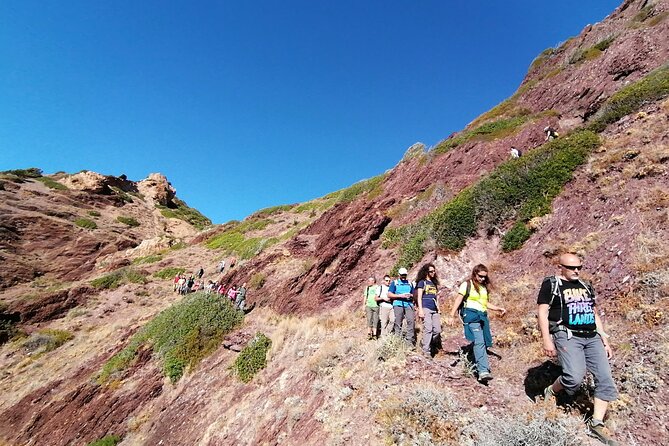
- Michele Pinna as guide: professional, engaging, and especially helpful if your hiking experience is limited
- Free stops on the mining side: Nebida (ex-mining village, 1870 era), Laveria La Marmora, and Masua are free to enter
- Porto Flavia is the paid add-on: the guided visit there uses a ticket you must arrange separately
- Five beach and cove swim breaks: you’ll get built-in chances to cool off in the sea
- Small group size: maximum 20 people, with car transfers and safety assistance
Mining Footsteps: Nebida to Masua on a Sea-Linked Trail
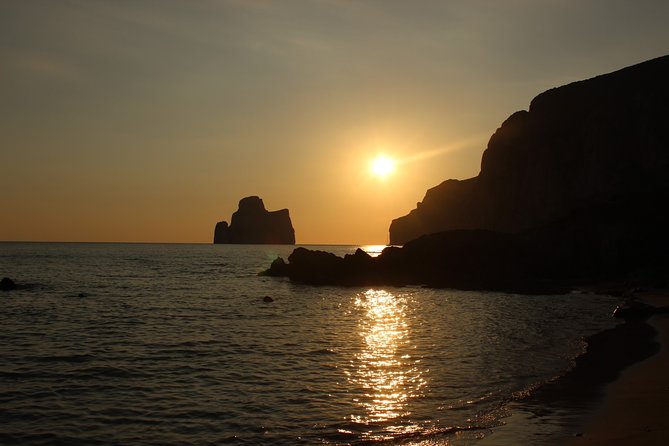
This tour is built around a simple idea: walk where the miners walked, then connect the dots between the coast, the machines, and the people who made Sardinia’s mining era tick. The vibe is part history lesson, part coastal wandering, and the best bit is that the trail keeps revealing things as you go.
The timing also helps. You’re not doing a huge all-day march. Instead, you move between key points with car transfers and then walk portions that take you to viewpoints and shoreline areas. That rhythm makes the route feel doable, and it keeps you from spending the whole experience with your head down, counting steps.
Most people can participate. In the writeups I saw, the guide’s care for pacing came up more than once. If you’re not a confident hiker, you’ll likely appreciate that the routes are chosen with the group in mind rather than forcing everyone into the hardest line on the map. And because it’s a small group, it’s easier for the guide to keep an eye on everyone.
You can also read our reviews of more tours and experiences in Sardinia.
Stop 1: Nebida’s Ex Minerario Village (1870-Era) and the Big Picture
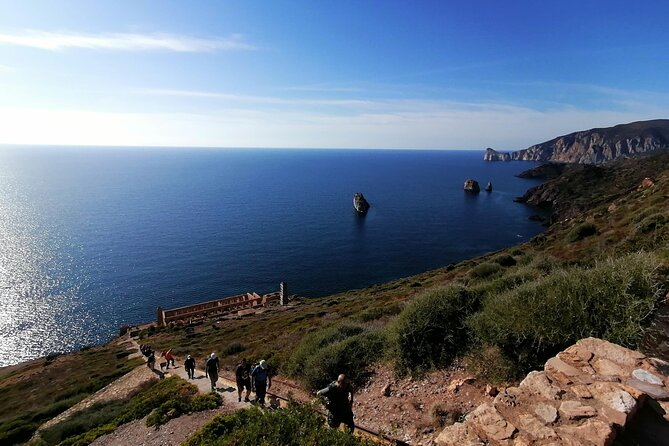
You start in Nebida at the Giardino belvedere di Nebida meeting point. From there, the first stop is the Ex Villaggio Minerario del 1870. It’s a free entry stop, so you’re not paying just to understand the setting.
What I find valuable here is the way it frames the whole walk. Mining in the late 1800s wasn’t only about extracting ore. It meant building a whole world around work—homes, routines, and the link between production and the shoreline. Even if you don’t know the terminology yet, the guide’s stories help you picture how the coast functioned as part of the operation.
Practical note: this first segment is short (about 10 minutes). Treat it like your “orientation chapter.” You’ll get enough context to make later structures make sense.
Stop 2: Laveria Lamarmora and the Meaning of the Coastline
Next comes Laveria Lamarmora, a mining structure on the coast of Nebida used to prepare mineral for sale. Again, entry is free, and the stop lasts around 30 minutes—long enough for the guide to explain what you’re looking at instead of just pointing and moving on.
This is where the tour earns its keep for people who like more than postcard views. A laveria (a processing facility) is the kind of place that sounds dry until you realize it’s where raw extraction became a product. The guide’s industrial-archeology focus helps you understand why this location mattered so much: machines, rock, sea air, transport routes—the geography isn’t scenery here. It’s part of the system.
And because it’s coastal, you also get that sense that the landscape and the industry share the same stage. You’re standing near the sea while learning what happened before anything ever reached a shipment.
Stop 3: Masua’s Ex Village and the Miners’ Daily Rhythm
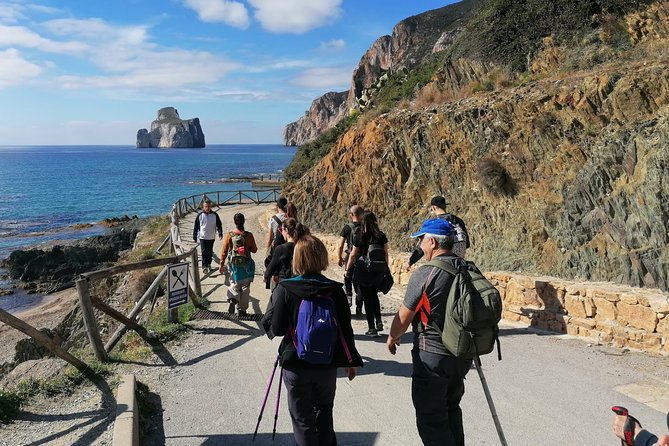
Then you shift to Masua, the ex mining village and an adjacent mine area. This stop is shorter (about 10 minutes) but it matters because it connects the dots between the processing site and the living/working area.
In tours like this, short stops can feel rushed. Here, the guide’s advantage is that you’re not being sent off to wander alone with no context. You’ll get a story-driven walkthrough that helps the buildings and routes “click” into place—especially if you’re imagining how workers moved between places.
Also, the Masua area is known for coastal views, so even if the historical explanation is the main course, you’ll likely remember the way the coast opens up at this point.
Stop 4: Porto Flavia, Cesare Vecelli’s Engineering Stop (Ticket Not Included)
Finally, you reach Porto Flavia, which is often the headline moment. This is booked with a ticket and a guided tour, and the stop runs about 1 hour. Entry is not included, so you’ll need to handle that part separately.
The reason Porto Flavia is so fascinating is engineering. You’re looking at a technique and ingenuity attributed to Cesare Vecelli, and you’re shown how the system worked in practice. The tour’s structure—miners’ village, processing plant, then the dramatic sea-side engineering—builds toward this.
If you’re the type who likes your history with mechanics, you’ll probably enjoy this stop the most. And because it’s a focused hour, it won’t feel like a quick photo stop where everyone races the clock.
Downside to keep in mind: since the Porto Flavia ticket isn’t included, factor that into your real budget. It’s not a deal-breaker, but it’s the one part you can’t ignore.
Swim Breaks on Five Beaches: Why the Water Stops Change the Whole Tour
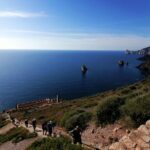
One of the coolest details of this experience is the built-in plan to stop for swimming at five beaches and beaches along the way. That isn’t just a fun extra. It changes how the route feels.
On a mining trek, you can end up with a lot of “stand and look” time. Here, the sea time breaks that up. You walk, you learn, then you cool off. And because some coves along the path aren’t accessible by car and aren’t often used, the water stops feel more like finding places than following a checklist.
What to do practically:
- Bring swim gear even if you think you might skip it.
- Plan for getting sandy and salty. This area is about the combination of trail and shoreline.
- If you’re sensitive to sun, plan shade breaks around your swimming timing.
Safety, Timing, and Group Size: The Comfort Factor
The tour caps at 20 travelers, and it includes car transfers plus safety assistance. In plain terms: the small group size means the guide can keep things organized, and safety support matters on coastal paths where footing can vary.
From the feedback I read, one of the guide strengths is pacing. Michele Pinna’s approach is described as safe and attentive, especially for people who don’t hike often. That’s a big deal if you’re torn between skipping the trek because you’re not sure you can handle it.
The tour runs on Fridays to Sundays during the window 5:00 PM to 9:00 PM, between 05/01/2025 and 07/31/2026. Late-day timing means warmer temperatures in summer can be a factor, but it also means softer light for coastal views. It’s a nice balance—walkable pace without the harshest mid-day glare.
You’ll also finish back at the meeting point.
Getting There and What to Bring (So the Day Feels Easy)
The meeting point is at Giardino belvedere di Nebida, Frazione Nebida Settore A, 09016 Nebida SU, Italy. The activity is also noted as being near public transportation, which is helpful if you’re traveling without a rental car.
For what you’ll need, here’s what the tour data does and doesn’t provide:
- Not included: bottled water, self lunch and dinner, and trekking shoes
- Included: car transfers and safety assistance
So I’d plan to bring:
- Trekking shoes you’re comfortable walking in (or buy/rent them before arrival)
- Water and snacks for your own meal needs (since lunch/dinner are not included)
- Swimwear and a towel if you want to actually use those beach stops
The route isn’t described with strict difficulty levels, but the fact that it’s a trekking experience plus swim stops suggests you’ll want footwear that grips and clothes you don’t mind getting wet.
Price and Value: Why $83.08 Can Be a Good Deal Here
At $83.08 per person, this is priced like an experience that covers the hard part: guided interpretation plus logistics. You’re paying for an expert guide focused on mining history and industrial archaeology, plus car transfers and safety assistance.
The value gets better because most of the major stops on the mining side are free entries: Nebida’s ex-mining village, Laveria Lamarmora, and Masua. The tour still builds in context, which means your money goes toward storytelling and safe route management, not just tickets at every step.
The one cost you must anticipate is Porto Flavia’s ticket. That means your total spend depends on how you handle that add-on. If you’re okay planning for it, the rest of the experience still feels like good value for what you get: guide-led mining sites, coastal walking to harder-to-reach spots, and multiple swim breaks.
Who This Trek Is Best For
This is a strong fit if you want:
- Real industrial archaeology, not just a casual walk
- Coastal access and swim breaks, not only museum-style stops
- A guide who can explain the “why” behind the structures, including how processing and engineering related to mining work
It’s also a good choice if you’re not a hard-core hiker. Several mentions of Michele Pinna’s care for less-experienced trekkers suggest the pacing is managed with the group in mind.
If you only want purely scenic hiking with no technical explanations, you might still enjoy the views. But the tour’s personality is clearly history-and-industry focused, with the sea as a practical reward.
Should You Book Nebida Masua and Porto Flavia?
Yes—if you like your travel with two ingredients: credible guiding and a route that connects history to place. The pairing of Nebida’s ex-mining village, Laveria Lamarmora, Masua, and then Porto Flavia (with Cesare Vecelli’s engineering focus) is the kind of structure that makes a guided walk feel worth your time.
I’d book it with a couple of smart checks:
- Plan for Porto Flavia’s ticket cost since it’s not included.
- Bring proper trekking shoes and water since those aren’t provided.
- Check the weather. If it’s canceled for poor weather, you’ll be offered a different date or a full refund, so don’t stress—just be ready to shift plans.
If your ideal trip is a guided coastal route with mining history and multiple swim opportunities, this one fits neatly. And with a max group size of 20, you won’t feel like you’re lost in a crowd.
FAQ
Where do I meet for the tour?
You meet at Giardino belvedere di Nebida, Frazione Nebida Settore A, 09016 Nebida SU, Italy.
What are the tour opening hours?
This activity runs Friday to Sunday, 5:00 PM to 9:00 PM, within the dates 05/01/2025 to 07/31/2026.
How long is the experience?
The tour includes parts that take about 10–30 minutes at stops, plus about 1 hour at Porto Flavia. Overall timing can vary by component.
What’s included in the price?
Car transfers and safety assistance are included.
What’s not included?
Bottled water, self lunch and dinner, trekking shoes, and the Porto Flavia ticket (including the guided visit there) are not included.
Is there a guided tour at Porto Flavia?
Yes. Porto Flavia is a guided stop that requires a ticket, and that ticket is not included in the tour price.
Do I need good weather?
Yes. The experience requires good weather. If it’s canceled due to poor weather, you’ll be offered a different date or a full refund.
How many people are in a group?
The tour has a maximum of 20 travelers.
Are service animals allowed?
Yes, service animals are allowed.