REVIEW · SA PA
Sapa: 2-Day Local Guided Valley Trek with Night Homestay
Book on GetYourGuide →Operated by Sa pa Rice Terraces View Homestay & Bar · Bookable on GetYourGuide
A walk in the hills turns into a whole story fast. This 2-day trek with Zo, a Black H’mông guide from Sa Pa, mixes big mountain views with real village time and a night homestay. I like the way the route keeps you close to daily life, and I also like the small-group feel that makes it easier to move at a human pace. The main consideration is simple: you’ll cover about 19 km on steep, uneven paths, so this isn’t for everyone.
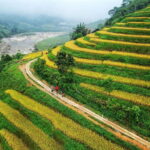
On Day 1 you’ll climb up toward Ham Rong Mountain for panoramic views (including Fansipan), then head downhill through Black H’mông communities and share a village lunch. Day 2 adds bamboo forest walks, Red Dao villages, and some of the best terraced rice scenery in the area, before a car pickup back to Sa Pa.
In This Review
- Key Things I’d Focus On
- Why This Trek Feels Local, Not Just Scenic
- Morning Pickup in Sa Pa and the Climb Toward Ham Rong Mountain
- From Ham Rong Down to Hang Da: Black H’mông Village Life and Lunch
- Hau Thao Village and the Way to Giang Ta Chai Mong Homestay
- Day 2 Starts with Morning Air, Tea, and Another Culture Stop
- Bamboo Forest to Ta Van: A Gentle Reset Before the Final Terrace Finale
- Lao Chai Terraces and the Car Pickup Back to Sa Pa
- How Hard Is It, Really? (19 km, Uneven Terrain, Steep Sections)
- Price and Value: What $43 Actually Gets You
- What to Pack So You Don’t Hate Day 2
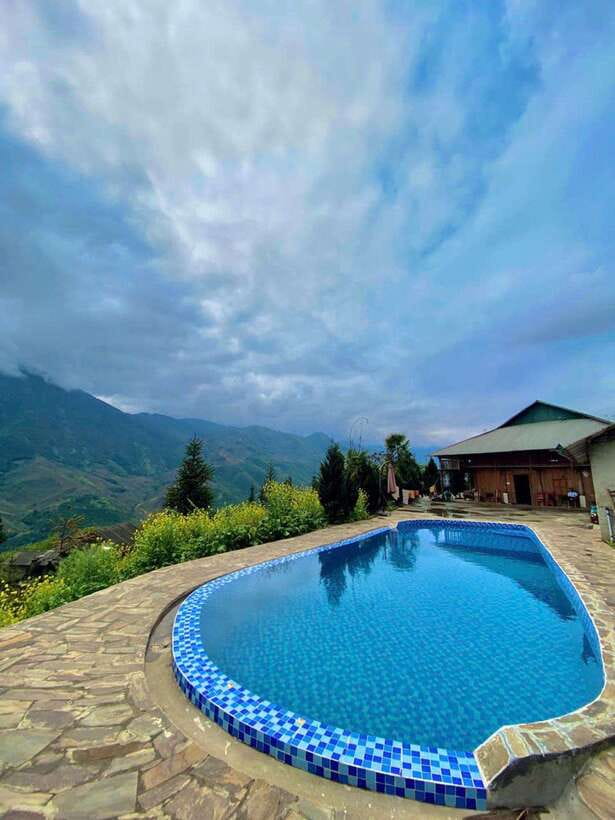
- Homestay Night in Giang Ta Chai Mong: What “Simple and Authentic” Means
- Who Should Book This Trek (and Who Might Reconsider)
- Should You Book This Sapa Valley Trek with Zo?
- FAQ
- How long is the tour?
- Where does the tour start?
- What’s included in the price?
- What is the homestay like?
- What should I bring for the trek?
- Is it suitable for older adults or young children?
Key Things I’d Focus On
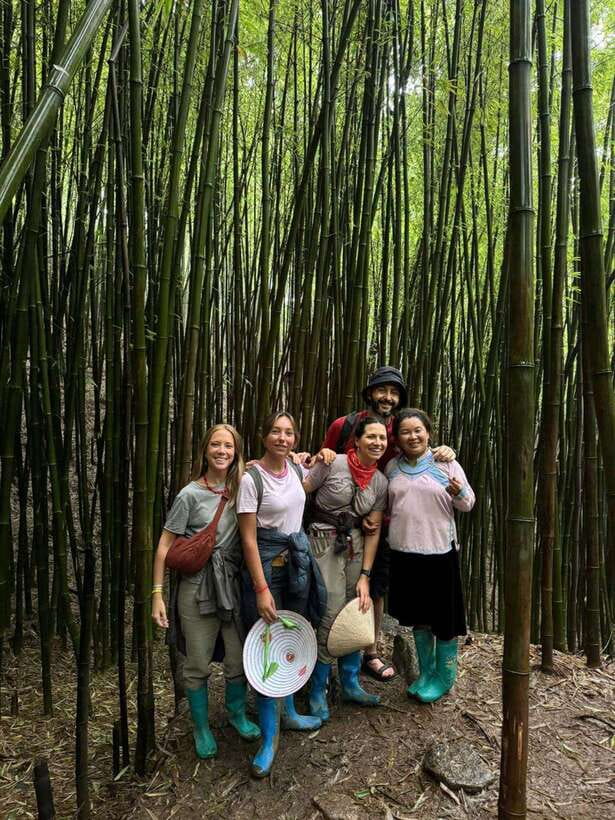
- Zo’s local connection: a Black H’mông guide who can explain culture while you’re walking
- Panoramic viewpoints from Ham Rong Mountain, including Fansipan in clear conditions
- Village time that feels practical: farming life, rice work, and everyday routines
- A real homestay night with shared dinner and conversation
- Bamboo forest + terraced rice on Day 2 for a strong second-day payoff
- Moderate fitness required with steep, uneven terrain over two days
Why This Trek Feels Local, Not Just Scenic
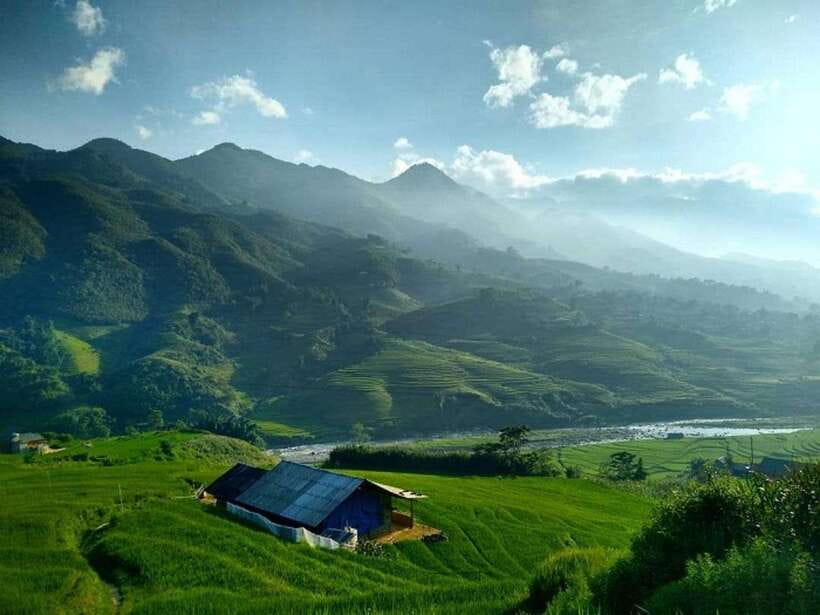
Sapa can easily become a postcard loop. This one doesn’t. You’re moving on foot between villages, and your stops are built around how people actually live—where animals roam, where rice work happens, and how a homestay night turns into conversation instead of a quick photo and goodbye.
I also like the balance of “wow” and “useful.” You get big views from higher ground, then you drop into communities like Hang Da and Giang Ta Chai Mong where you can see the rhythm of the day. That mix is usually what makes a trek memorable instead of exhausting and forgettable.
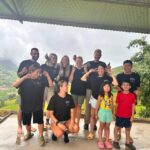
The other thing I appreciate: you’re not locked into one pace. Multiple people note Zo adjusted timing and route to match group abilities and comfort, which matters on a trail with uneven footing.
You can also read our reviews of more tours and experiences in Sa Pa.
Morning Pickup in Sa Pa and the Climb Toward Ham Rong Mountain
You’ll start around 09:00, with pickup either at your hotel in Sa Pa or in front of Sa Pa Stone Church. After a short introduction, you begin with about 2 km uphill to Ham Rong Mountain (around 2,000 m).
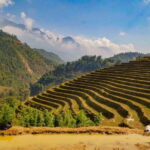
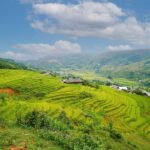
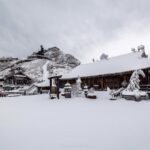
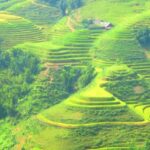
Why this matters: that first climb is what earns you the views. On a clear morning, Ham Rong gives panoramic sightlines toward the mountains, including Fansipan Peak (3,143 m)—often called the Roof of Indochina. From this height, you also get a clear look at the Muong Hoa Valley and its terraced rice fields, plus a look down toward the river.
Practical tip: start slow. Even if you feel good early, uneven steps and loose ground can catch you later. Wear the trekking shoes you actually trust, not “almost broken in” sneakers.
From Ham Rong Down to Hang Da: Black H’mông Village Life and Lunch
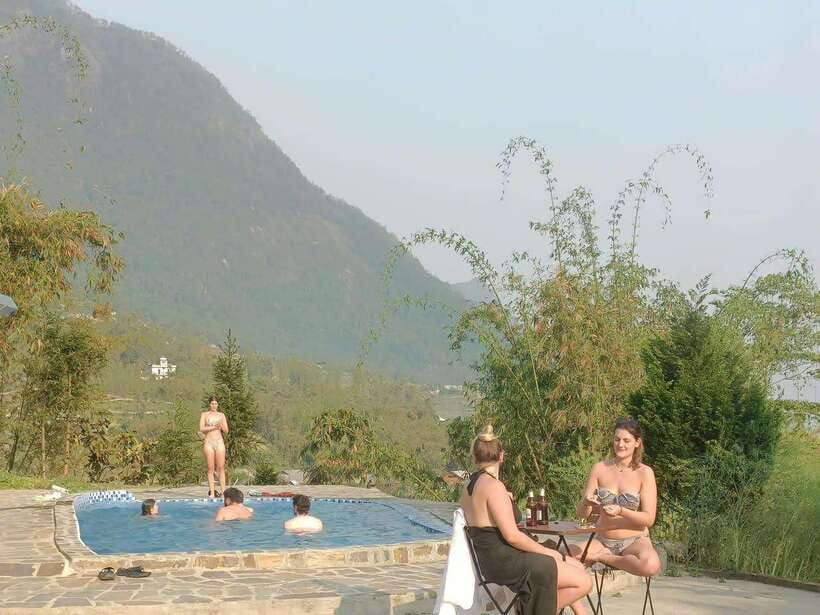
After taking in the view, the trek turns downhill toward Hang Da Village (Black H’mông community). This is where the trail starts feeling more like a local path than a sightseeing route.
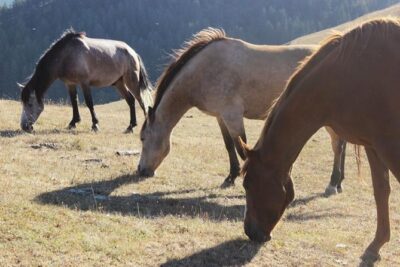
Along the way, you may pass freely roaming animals—buffaloes, horses, pigs—plus the sights of everyday farm space. Those details are why I like this part of the walk: it’s not staged, and you’re not only looking at scenery. You’re watching how rural life blends into the terrain.
Around 12:30, you stop for lunch at a small restaurant near a local family in Hang Da Village. The food here is part of the value of the experience: instead of grabbing something quick in town, you eat with the day’s walking rhythm still in your legs.
Hau Thao Village and the Way to Giang Ta Chai Mong Homestay
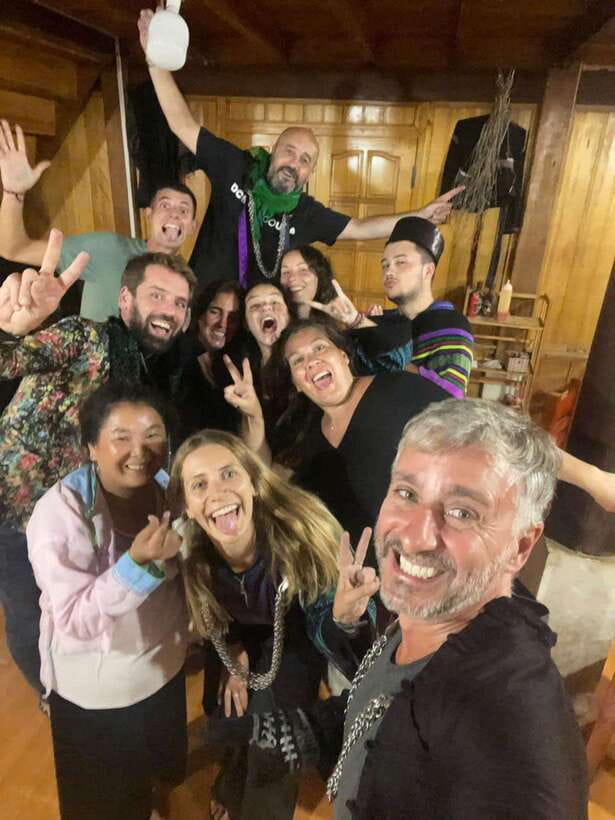
In the afternoon, the route continues to Hau Thao Village, another Black H’mông community. Timing is around 14:00, and this is one of those stretches where the small trails feel quietly rewarding—less “big moment,” more steady connection to place.
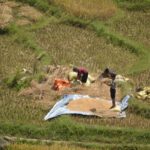
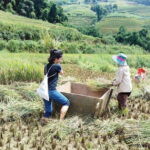
You may get chances to observe farming and rice-related work. The exact task can vary by season, but you’ll be in an area where people are actively working the land. That’s also when your guide’s explanations become extra useful: you’re not just seeing fields—you’re learning what those fields mean day to day.
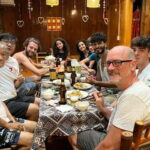
You reach the homestay in Giang Ta Chai Mong around 17:00. The evening is usually the heart of the trip. The Black H’mông hosts welcome you into their home, and at 19:00 you enjoy a traditional dinner, then relax in the village atmosphere.
From the reviews, one detail stands out: people talk about warmth and hospitality, and also about the homestay being comfortable—described as cozy, with private rooms mentioned by some. Facilities are still simple, so don’t expect hotel polish, but the experience is built around real connection rather than comfort tricks.
Day 2 Starts with Morning Air, Tea, and Another Culture Stop
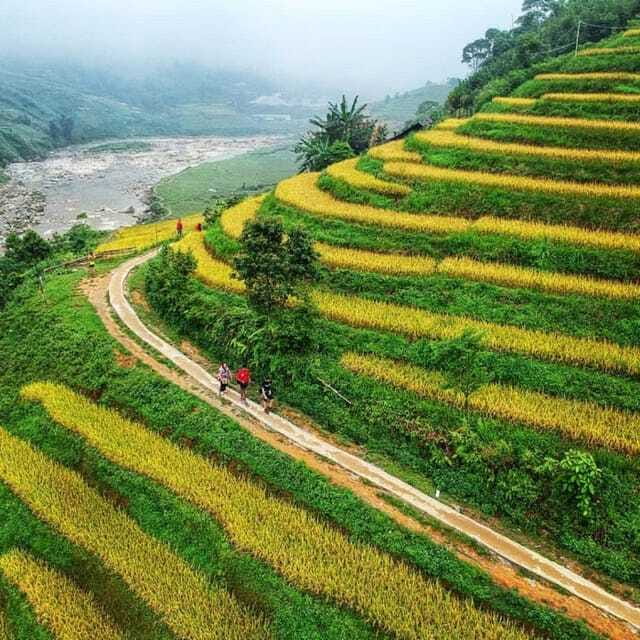
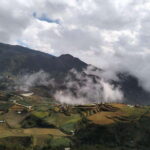
Day 2 begins with an early 08:00 wake-up in the countryside. You’ll likely notice the valley atmosphere right away—clouds drifting through, and a slower feel than you’re used to in the city.
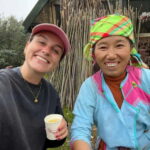
At 09:00, you have breakfast at the homestay. People specifically mention a hot cup of tea or coffee in the crisp morning air, which is a small moment—but it’s a big part of why homestay nights work so well. You’re not rushing to check out. You’re starting the next walk with local time.
At 09:30, you depart on the trek to Giang Ta Chai Dao, a small Red Dao community near the mountain foothills. This is a visual and cultural shift from the Black H’mông villages you saw on Day 1.
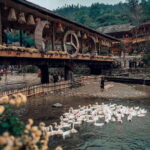
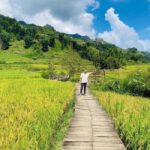
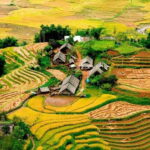
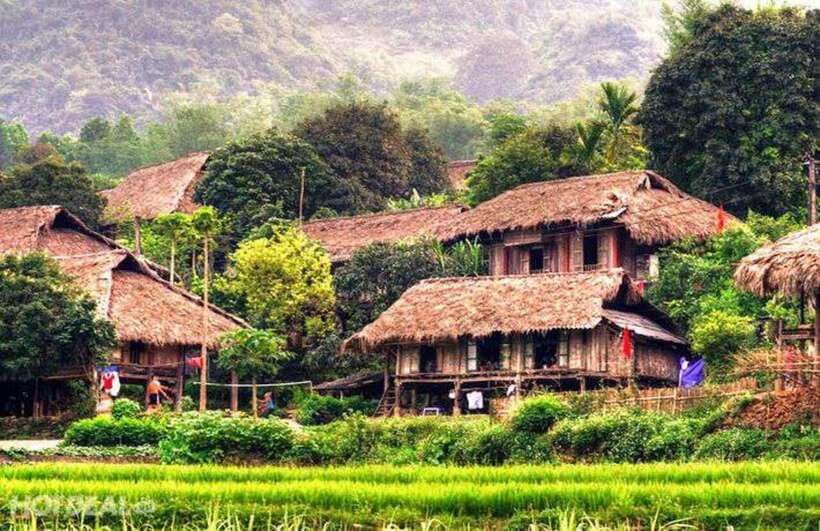
Why it’s worth the detour: you can take photos of terraced rice and see traditional wooden houses. You also visit a tranquil lake that’s associated with the Red Dao community. Even if you’re not a “sit and stare” person, this stop gives your eyes a break from stepping.
Bamboo Forest to Ta Van: A Gentle Reset Before the Final Terrace Finale
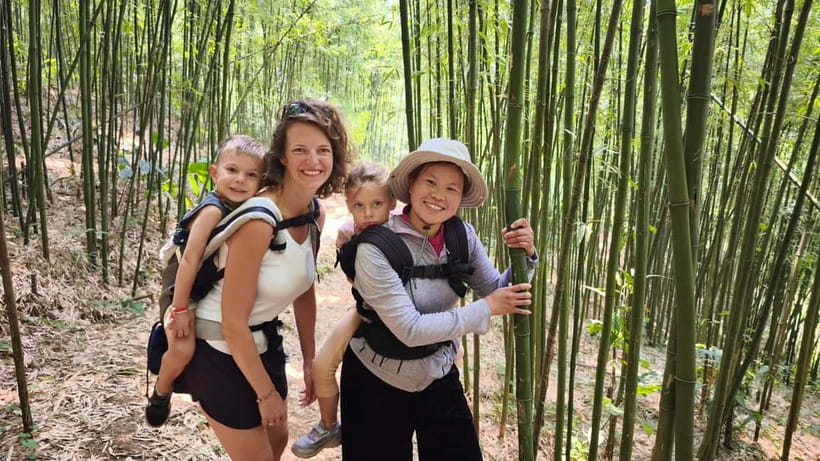
Around 11:00, you walk through a bamboo forest to Ta Van Village. This is your reset point. After previous segments with climbing and descending, bamboo forest paths tend to feel calmer—more shade, quieter footing, and fewer “where am I” moments.
At Ta Van, you’ll get a rest and time for photos. It’s also a chance to regroup before the last main push toward some of Sapa’s most photogenic rice terracing.
Lao Chai Terraces and the Car Pickup Back to Sa Pa
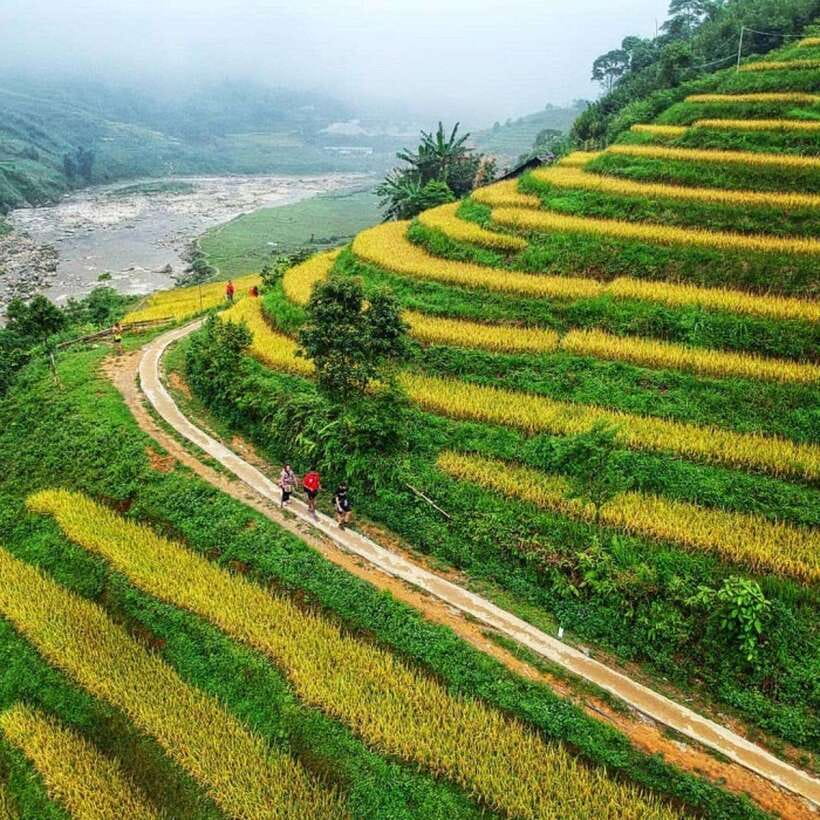
By about 12:00, you continue from Ta Van to Lao Chai, one of the most striking terraced rice field villages in the Sa Pa area. You’ll have lunch here (around 12:00–13:00, depending on the group’s pace), then finish the trek.
Around 14:00, the plan calls for car pickup at Lao Chai village, with tour end around 15:30–16:00.
What I like about this ending: the walk finishes where your eyes already “know what to look for.” By Day 2, you’ve seen enough village detail that the terraced fields feel more meaningful, not just pretty. It’s a strong close after a night homestay and two days of foot travel.
How Hard Is It, Really? (19 km, Uneven Terrain, Steep Sections)
This trek is listed as moderate fitness. That label matters because the numbers alone don’t tell the full story.
You’ll cover about 19 km over 2 days / 1 night, including steep and uneven terrain. One day is roughly 13–15 km, and the other is about 10 km. Even if 10 km sounds doable, uneven trails can slow you down and make “normal” distances feel longer.
If you want to be comfortable:
- Wear comfortable shoes that can handle uneven ground
- Bring sunscreen and a sun hat (open sections get bright)
- Pack a change of clothes for the evening at the homestay
- Plan for some uphill moments and don’t try to win the hike
Also: go in knowing it’s a group tour, so you’ll walk at the group’s rhythm with Zo adjusting pacing as needed for comfort.
Price and Value: What $43 Actually Gets You
At about $43 per person, this tour can be good value because it bundles the parts that are usually hardest to arrange cleanly: a local English-speaking guide, a guided route between multiple communities, and a night with local hosts.
Included items you can count on:
- Local guide who can speak English (Zo)
- Small water per person
- Your lunch at the village
- Car/motobike pickup back to Sa Pa
What this price also does well: it keeps your money in the experience itself. Instead of paying for a private transfer-heavy itinerary, you pay for walking time, cultural guidance, and the homestay night.
What to watch for: group tours mean you’re sharing pacing with others, and the homestay is described as simple and authentic with basic facilities. If your idea of comfort means modern bathrooms and quiet room service, you may find the tradeoff tiring rather than charming.
What to Pack So You Don’t Hate Day 2
Here’s the practical kit that matches the trek conditions and the homestay night:
- Hiking shoes or comfortable trekking shoes
- Sun hat
- Sunscreen
- Sunglasses (brightness happens fast)
- Light raincoat or waterproof layers (weather can shift)
- Mosquito repellent
- Change of clothes for the evening
- Cash (helpful for personal needs)
- Waterproof bag (for phones and cameras)
- Waterproof camera if you’re serious about shots during damp moments
You’ll also want a rhythm mindset. Bring water, but remember the trail includes breaks and a lunch stop where you can refuel.
Homestay Night in Giang Ta Chai Mong: What “Simple and Authentic” Means
The homestay is the part you’ll think about after the hike. You’ll arrive around 17:00, then enjoy a traditional dinner at 19:00, followed by a relaxed evening.
Some travelers describe:
- A cozy setup and comfortable beds
- Private rooms in the homestay experience
- Warm conversations with the hosts
That said, “simple” is part of the deal. Basic facilities mean you should expect fewer comforts than in town, and you’ll feel that difference most if you arrive with a hotel mindset.
My advice: treat the homestay as the cultural exchange time. You’re not just sleeping there; you’re sharing the evening with the people whose home you’re visiting.
Who Should Book This Trek (and Who Might Reconsider)
This tour fits best if you:
- Want real village time, not just viewpoint photos
- Enjoy walking through terraced fields, bamboo forest, and mountain trails
- Like learning culture through conversation with a local guide (Zo)
- Are comfortable with moderate hikes and uneven paths
You might reconsider if you:
- Have trouble with steep, uneven terrain (the trek includes uphill and downhill sections)
- Need fully accessible infrastructure and predictable footing
- Are outside the tour’s stated age fit (not suitable for people over 70, and over 95)
If you’re a strong walker who also cares about people, this is a great fit. If you’re unsure, tell Zo your limits early so the pacing can match you.
Should You Book This Sapa Valley Trek with Zo?
Yes, if your ideal Sapa day includes walking between villages, learning from a local guide, and spending the night in a homestay rather than hopping from one highlight to the next. This is one of those trips where the value isn’t only in the views—it’s in the way the day is structured around daily life, from farming routines to dinner conversations.
I’d skip it only if you want a low-effort experience. This trek is moderate but real: around 19 km, uneven trails, and a night in simple conditions.
If you want a Sapa experience that feels connected to the people who live there, book it. Just bring solid shoes, pack for sun and rain, and give yourself permission to move at a steady pace instead of rushing every viewpoint.
FAQ
How long is the tour?
It’s a 2-day, 1-night trek covering about 19 km total.
Where does the tour start?
Pickup is at your hotel in Sa Pa or in front of Sa Pa Stone Church, around 09:00.
What’s included in the price?
Included are a local English-speaking guide, small water per person, your lunch at the village, and car/motobike pickup back to Sapa.
What is the homestay like?
The homestay is described as simple, authentic, and cozy, with basic facilities. You’ll have traditional dinner with the hosts.
What should I bring for the trek?
Bring comfortable shoes, sun hat, sunscreen, change of clothes, mosquito repellent, and a waterproof bag (plus a waterproof camera if you have one). Cash is also recommended.
Is it suitable for older adults or young children?
The tour is not suitable for people over 70 (and also not suitable for people over 95). Children under 4 are free if you inform the operator in advance.