REVIEW · DALAT
DaLat: Trek on Langbiang Mountain
Book on GetYourGuide →Operated by Viet Challenge Tour · Bookable on GetYourGuide
Langbiang rewards your legs with sweeping Da Lat views. This hike takes you to the highest peak in Da Lat with a well-paced day: guided walking, a proper picnic at the top, and lots of chances to spot animals along the way. I especially love two things: the 18km total trek to the summit and the big, prepared picnic lunch where you can actually pause and enjoy the view. One possible drawback: this is a real 9km uphill plus 9km downhill day, so you’ll want decent hiking shoes and a steady pace.
What makes it work well is the structure. You get hotel pickup and a return drive, plus a live English guide who talks you through what you’re seeing. In the small details, I liked how guides like Viet, Fin, and Harry focus on safety and staying on track, not just walking from point A to point B.
The other thing to know up front: wildlife sightings are not guaranteed. You might see monkeys, rare birds, or squirrels, but it’s truly by chance—so treat it as a bonus, not the main plan.
In This Review
- Key highlights you’ll care about
- Langbiang Mountain trek in Da Lat: why this hike feels different
- Your day on the mountain: pickup, uphill, peak lunch, return drive
- What the 18km trek feels like: pine forest to broad-leaf jungle
- The summit view: Golden Lake, valleys, and a break that actually counts
- Picnic lunch at the peak: practical comfort with real value
- Wildlife spotting by chance: how to turn odds into real moments
- Guides make the difference: Viet, Fin, and Harry’s safety-first approach
- Price and value: why $49 can feel fair on a full mountain day
- What to bring, plus the fitness reality check
- Who this trek is best for (and who should skip it)
- Should you book the Langbiang Trek with Viet Challenge Tour?
- FAQ
- FAQ
- How long is the Langbiang Mountain trek?
- What distance do we hike?
- Is pickup and drop-off included?
- Where is the meeting point if I don’t use hotel pickup?
- What happens at the peak?
- Will we definitely see wildlife?
- What should I bring for the hike?
- Is the guide available in English?
Key highlights you’ll care about
- 18km total trek to Da Lat’s highest peak, with a clear 9km up and 9km down rhythm
- Pickup and drop-off that keeps you from wrestling with local transport
- Picnic lunch at the summit that’s prepared for you, so you can focus on the hike
- Ecosystem changes as you move from pine forest to broader-leaf jungle
- Wildlife watching by chance, supported by guides who know what to look for
- English live guide plus photo stops and guided sightseeing along the route
Langbiang Mountain trek in Da Lat: why this hike feels different
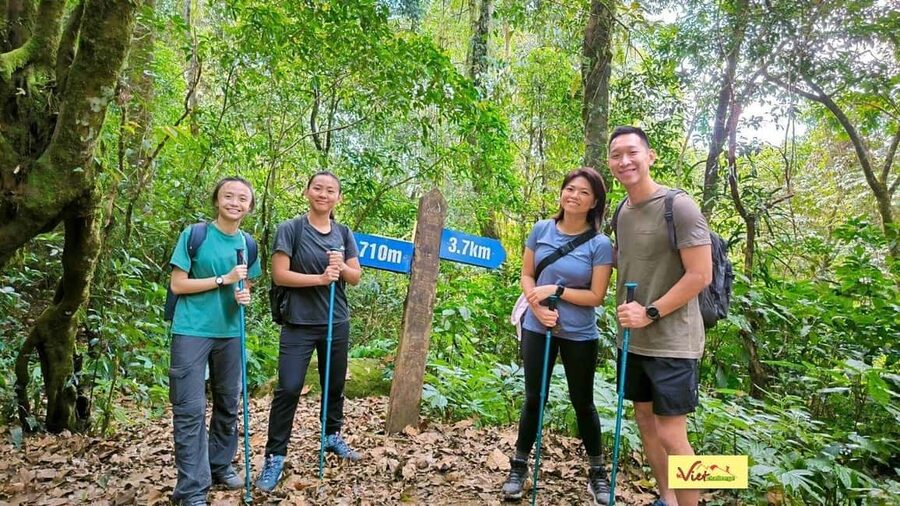
Da Lat has plenty of nature days, but Langbiang Mountain is in a league of its own because it’s the highest peak in the city. That matters. When you reach the top, the view isn’t just pretty. You get the bigger picture of Da Lat’s valleys and the Golden Lake area from up high. The hike is the ticket to that payoff.
I also like that this isn’t a rush. The plan gives you real time for the climb, a proper lunch stop, and enough downhill time to come back before evening. You’re outdoors for roughly 7 hours total, which is long enough to feel like you did something, but not so long that you’re wiped out for the rest of your trip.
The guides bring the experience closer to the ground. People tend to remember two types of tours: the ones where you stare at scenery and the ones where you understand what you’re looking at. Here, your guide helps you connect the dots—especially when the forest changes from pine forest to broader-leaf jungle.
You can also read our reviews of more tours and experiences in Dalat.
Your day on the mountain: pickup, uphill, peak lunch, return drive
The schedule is simple and predictable, which I appreciate because it keeps you calm from the start.
You’ll begin around 8:30am. You can either be picked up from your hotel or meet at the designated spot at 38 Tang Bat Ho street. Then you transfer to the Langbiang area in about 30 minutes. That early transfer means you’re not spending your morning stuck in traffic when your legs are already itching to move.
Around the start of the walking portion, there’s typically time for a Langbiang photo stop and quick visit before the main trek. After that, the day splits into two equal effort blocks:
- 9:00am to 12:00pm: Trek to Langbian peak (9km)
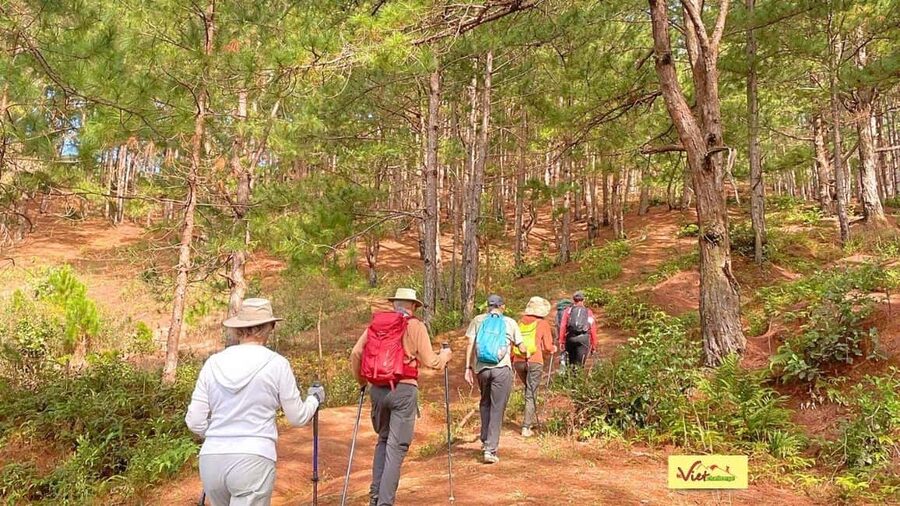
This is the uphill stretch. Expect a steady climb where the forest starts to shift under your feet.
- 12:00pm to 1:00pm: Picnic lunch at Langbian peak
This is your break—and it’s not a rushed sandwich moment. You’ll eat at the top and get a chance to enjoy the view.
- 1:00pm onward: Trek back down the mountain (9km)
The return is still work. Downhill uses different muscles, especially if your shoes aren’t supportive.
At about 3:45pm, you’re back in Da Lat by van. That timing is useful. You’ll have enough energy left to shower and head out for dinner without feeling like you’re dragging yourself around town.
What the 18km trek feels like: pine forest to broad-leaf jungle
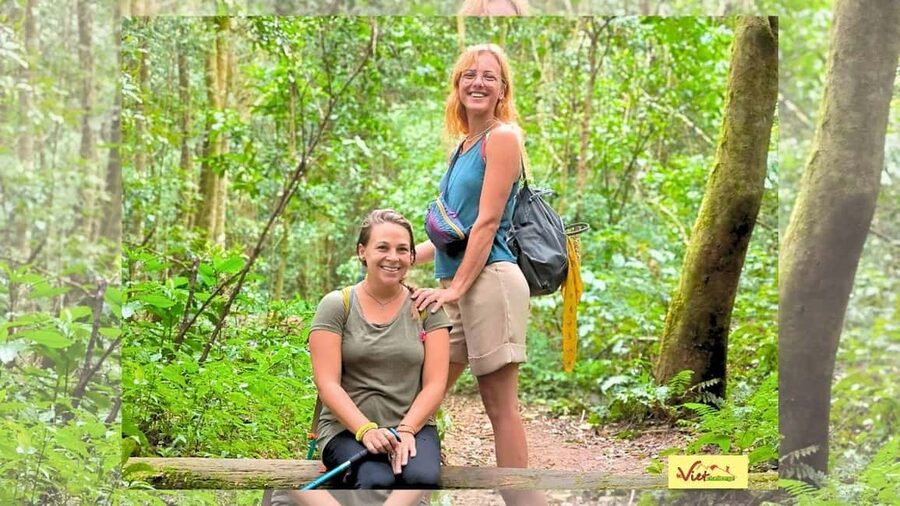
Let’s talk about the hike itself, because this is where expectations matter. The route is 18km total—a clear, round-number distance. Half the day is uphill (9km) and half is downhill (9km). That shape matters more than any marketing label.
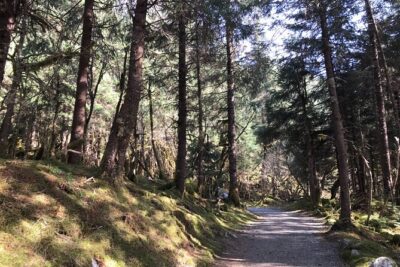
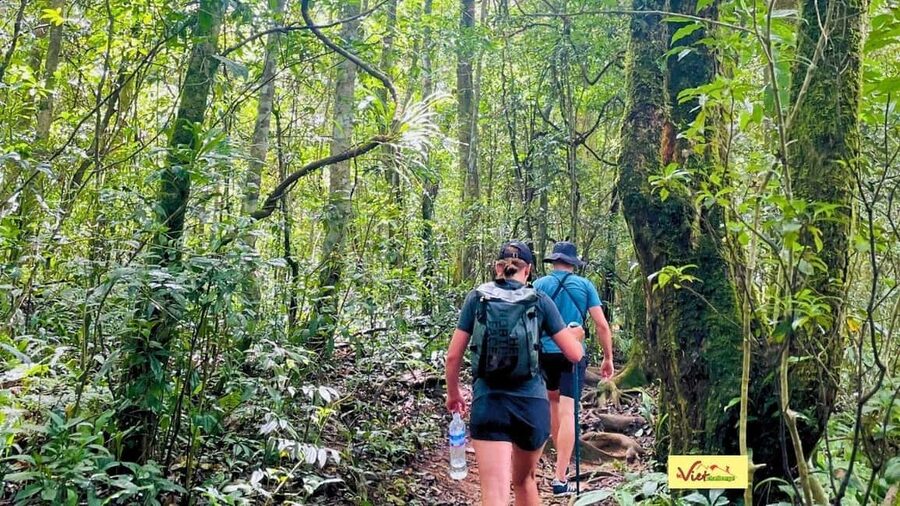
As you go, you’ll notice the forest environment changing. One of the most interesting parts is seeing how ecosystems shift as you climb: you’ll move from pine forest into broader-leaf jungle. That’s not just an academic point. It changes what you see around you—trees, light, and the overall feel of the air.
And even when wildlife isn’t obvious, the guide can help you stay observant. If you’re paying attention, you’ll start noticing the small signs that animals are around: movement, calls, and what’s feeding where. The guides also share practical wildlife knowledge, which can turn a random moment into something you actually understand.
The summit view: Golden Lake, valleys, and a break that actually counts
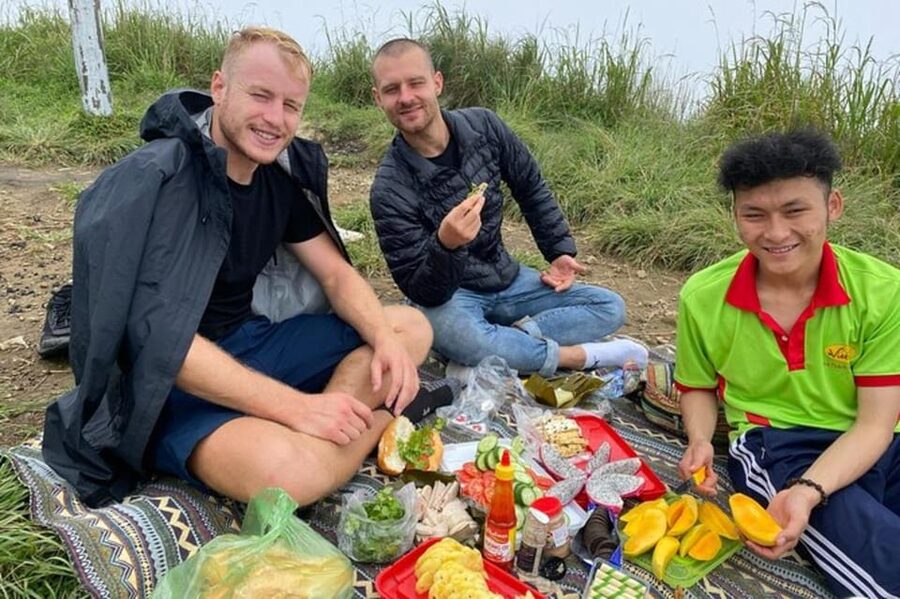
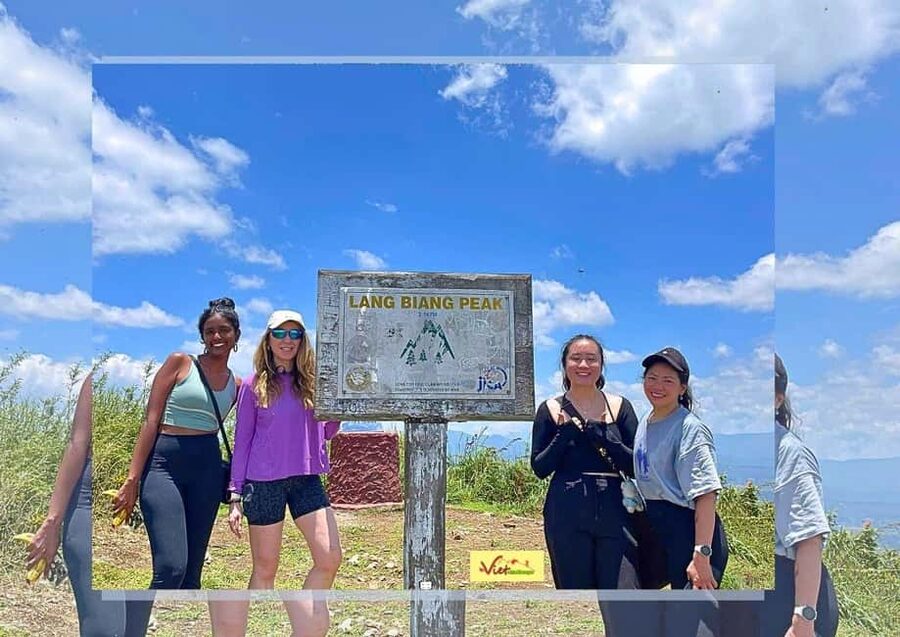
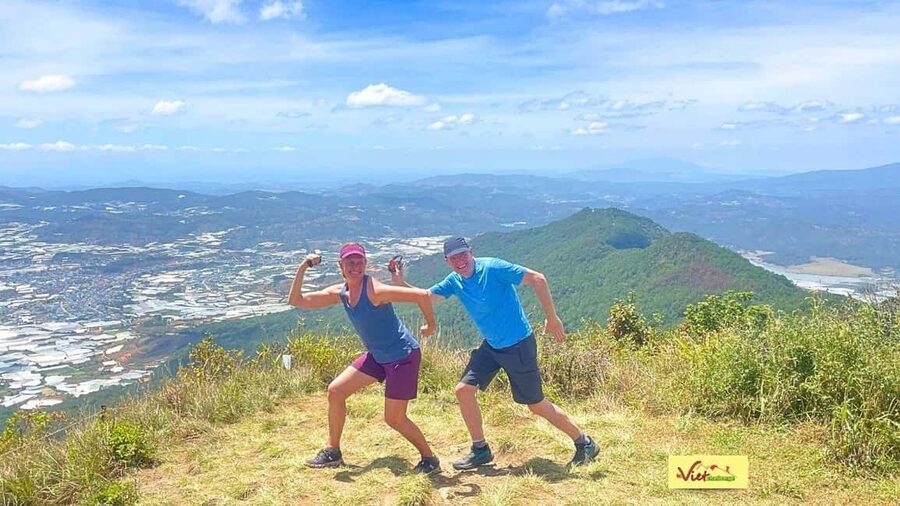
The top is the moment you built the day for. From Langbian peak, you get a view over the Golden Lake and surrounding valleys. Even if the weather isn’t perfect, high points in Da Lat often give you layered perspectives—distance you can trace with your eyes, not just a single flat horizon.
The best part is that you don’t just reach the summit and immediately turn around. You pause for lunch between roughly 12:00pm and 1:00pm. That picnic stop is “prepared for you,” which is the key detail. You don’t have to deal with planning food logistics while you’re already dealing with a steep climb.
In practice, that changes your whole day. You can hike more steadily because you know you’ll have a real break and you won’t be juggling water or supplies you brought yourself.
Picnic lunch at the peak: practical comfort with real value
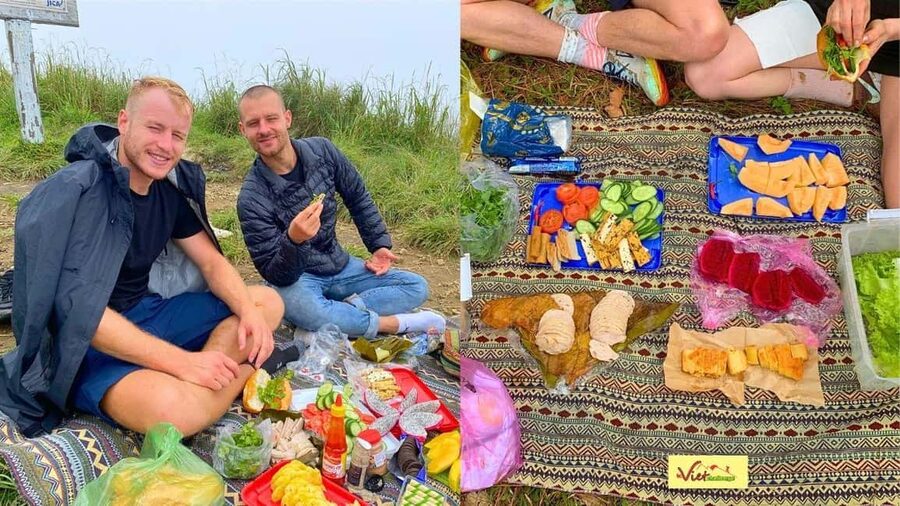
I’m a fan of any tour that handles food well, because poor picnic setups can turn a good day into a soggy, rushed ordeal. Here, the lunch is described as well-prepared and it’s positioned as a major feature of the experience.
The food is also described as super varied, delicious, and plentiful in guide feedback. That lines up with what you want on a mountain day: you need enough energy for both the uphill climb and the downhill return.
Also, think about timing. Eating at the summit around early afternoon helps you avoid that late-day hunger spiral where you just want the tour to end. You eat, you rest, you take in the view—and then you start the descent with focus.
One more plus: you’re not packing up stuff. The tour notes that necessary items are already handled for you. While it doesn’t list every item, the message is clear: they reduce your headspace burden so you can hike.
Wildlife spotting by chance: how to turn odds into real moments
Wildlife is one of those things that can go either way on nature tours. With Langbiang, you’re not promised a guaranteed sighting of monkeys or rare birds. The plan is straightforward: you’ll have opportunities to watch for wildlife by chance while you hike.
That said, I wouldn’t treat wildlife as optional entertainment. The smarter move is to watch with the guide’s lens. Professional guides can help you notice what you might miss on your own—especially in forests where movement is subtle and sounds matter.
In the feedback, wildlife that people may spot includes:
- monkeys
- rare birds
- squirrels
So if you want that “wow” moment, bring a patient mindset. Stay quiet when you can, pause when the guide signals, and keep your eyes scanning the tree line as well as the ground. Even when wildlife doesn’t appear, being in the right habitat and moving through it slowly is still part of the payoff.
Guides make the difference: Viet, Fin, and Harry’s safety-first approach
This is the part I’d put near the top of the value list. Great scenery is common. Great guidance is rarer, especially on hikes where timing and footing matter.
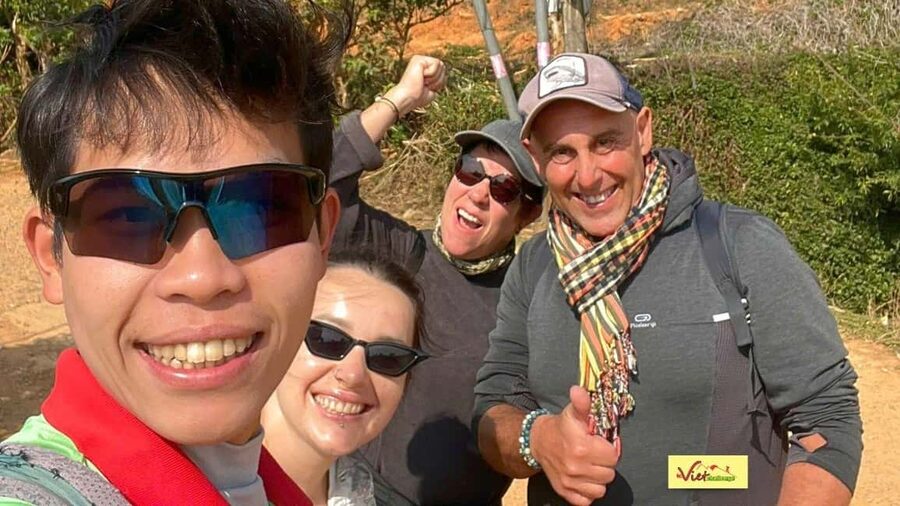
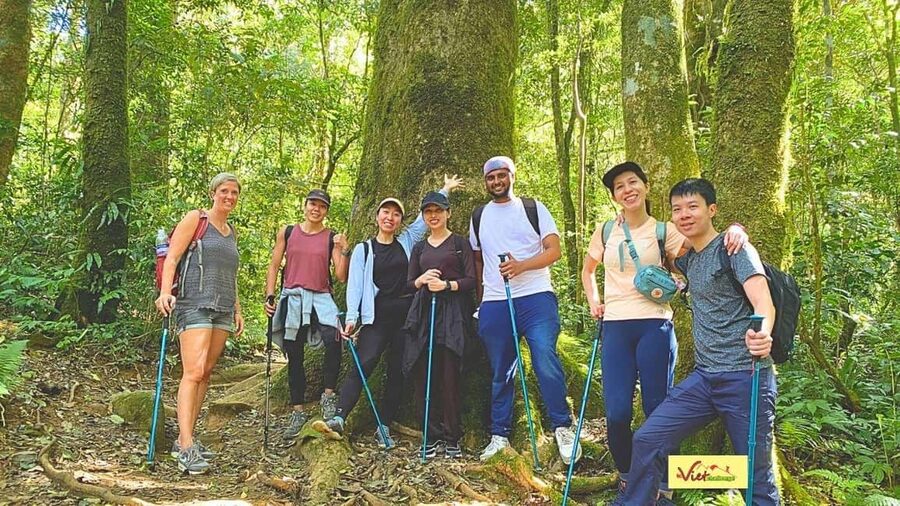
The tour is run by Viet Challenge Tour, and the guides highlighted in feedback include Viet, Fin, and Harry. Across those names, a few themes show up:
- strong local knowledge about the region and nature
- keeping the group climbing and returning safely
- making the day enjoyable, not just instructional
If you like nature walking where someone explains what you’re seeing, this works. Guides can help you understand the changes in the forest, interpret wildlife signs, and keep your pace within a safe range—especially during the uphill effort and again on the downhill legs.
Price and value: why $49 can feel fair on a full mountain day
At $49 per person for about 7 hours, this isn’t a budget “walk around town” experience. You’re paying for multiple pieces that add up fast when you do them yourself: guided trekking, English support, organized timing, a picnic lunch, and pickup/drop-off.
The best value factor here is the combo. If you tried to DIY Langbiang as a same-day hike, you’d spend time coordinating transport, guessing food timing, and figuring out a safe route plan. Even if you find a guide separately, you might end up spending more once you cover lunch and logistics.
This tour bundles the essentials:
- guided hike structure (up, lunch, down)
- picnic lunch prepared for you
- van pickup and return drive
- English live guide
So the price isn’t just about the trail. It’s about reducing the friction so you can focus on walking and enjoying the summit.
What to bring, plus the fitness reality check
The tour is clear about what helps you enjoy it:
Bring:
- Hat
- Camera
- Hiking shoes
- Sunscreen
Those choices are practical. The climb puts you under sun for long stretches, and proper shoes can make downhill feel much safer and less miserable.
It’s also not suitable for:
- wheelchair users
- babies under 1 year
- people over 70 years
I’d interpret that as a sign the trek is strenuous enough that the tour needs mobility and stamina from participants. If you know you struggle with long uphill walks, or if downhill is hard on your knees, you’ll want to seriously consider your comfort level.
Who this trek is best for (and who should skip it)
This is ideal for you if:
- you want a full nature day in Da Lat, not just a quick stop
- you enjoy guided walking where someone explains the forest
- you want a summit view without doing transport logistics yourself
- you’re happy with a long hike and you’ll take your time at breaks
You might want to skip it if:
- you strongly dislike long hikes, even with a guide
- you can’t handle 9km uphill and 9km downhill
- you’re hoping for guaranteed wildlife sightings (those are by chance)
Should you book the Langbiang Trek with Viet Challenge Tour?
Book it if you want a guided, structured hike to Da Lat’s highest peak with a summit picnic and organized transport. The day is built around the essentials: 18km of trekking, a real break at the top, and forest moments that can include wildlife sightings.
Don’t book it if you’re chasing an easy outing. This is a mountain trek with a serious distance and a clear uphill/downhill rhythm. If that sounds manageable, you’ll likely end the day with sore legs and a big view—exactly the trade-off most people come to Da Lat for.
FAQ
FAQ
How long is the Langbiang Mountain trek?
The total experience is about 7 hours.
What distance do we hike?
You’ll trek 18km in total, including 9km up to the peak and 9km back down.
Is pickup and drop-off included?
Yes. Pickup is included from your hotel (or the meeting point), and the tour includes a return drive back to your hotel.
Where is the meeting point if I don’t use hotel pickup?
The meeting point listed is 38 Tang Bat Ho street in Da Lat.
What happens at the peak?
You’ll stop for a picnic lunch at Langbian peak for about an hour, with time to enjoy the view before heading back down.
Will we definitely see wildlife?
Wildlife watching is by chance, not guaranteed. You might spot animals like monkeys, rare birds, or squirrels depending on conditions.
What should I bring for the hike?
Bring a hat, camera, hiking shoes, and sunscreen.
Is the guide available in English?
Yes. The tour includes a live English-language guide.