REVIEW · PU LUONG
2 Day Trekking In Pu Luong Loop & Overnight At Homestay
Book on GetYourGuide →Operated by Go Asia Travel · Bookable on GetYourGuide
Bat cave mornings start fast. This two-day Pu Luong loop mixes Kho Muong with Black Thai village trails and a night in local life, not just sightseeing. You’ll get the big views of terrace fields and river valleys while moving on foot, by motorcycle, and by bamboo raft.
I especially loved the way the Black Thai homestay feels like part of your day, not a stop to check off. With guides such as Quoc or Tu, you get explanations in clear English and you’re encouraged to ask questions about everyday village routines. The food is simple, local, and genuinely good, even when it’s been raining.
One thing to consider: the trekking can be muddy and the footing gets serious, especially if it rains. If you’re not into slippery trails or you prefer fewer insects, plan for sturdier shoes and consider upgrading from a dorm-style setup if that’s offered to your group.
In This Review
- Key things I’d book this for
- The Pu Luong loop vibe: real trails, not just a checklist
- Day 1: Hanoi to Pu Luong, then Kho Muong and the 10km trek
- Afternoon trek toward Kho Muong (about 10km, difficulty 4/5)
- Bang village and terrace fields
- The bat cave (Kho Muong) piece: why the method matters
- Day 2: suspension bridge walks, water wheels, and bamboo rafting
- The 2.5km walk to a scenic village
- Giant water wheels: engineering you can actually see
- Bamboo rafting on the stream
- Homestay night: Black Thai food, clean water, and the insect reality
- Transport and timing: what the schedule really means for you
- What’s included for the price, and why $93 can feel fair
- Practical tips that make or break this trek
- Who this is best for (and who should think twice)
- Should you book the Pu Luong Loop trek with homestay?
- FAQ
- How long is the trek on each day?
- What are the difficulty levels?
- What meals are included?
- Do I get transport from Hanoi?
- How do you visit Bat Cave (Kho Muong)?
- Where do you stay overnight?
- Are entrance tickets included?
- What should I bring for the trek?
- Is there a holiday surcharge?
- Can I bring pets?
Key things I’d book this for
- Kho Muong bat cave reach by motorcycle/car, with a real sense of remoteness
- Black Thai village trekking through rice terraces and small hamlets
- Village-life explanations from local English-speaking guides like Quoc or Tu
- Water wheels and bamboo rafting as part of a loop day, not a separate tour
- Homestay food and clean water, plus a chance to slow down and chat
- Limousine bus transfers with a scenic Red River Delta drive
The Pu Luong loop vibe: real trails, not just a checklist
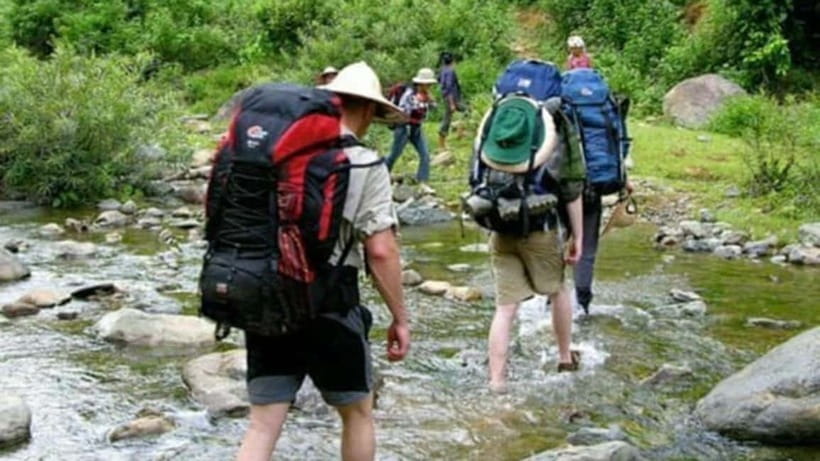
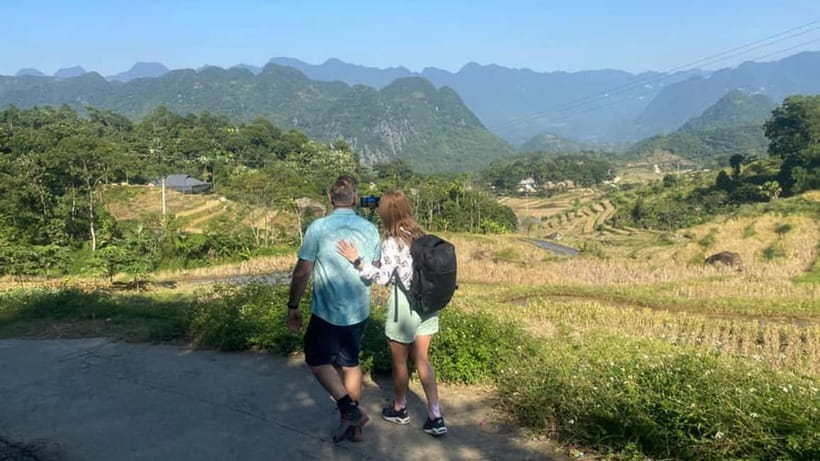
Pu Luong is one of those places where travel feels like “moving through” rural life instead of “arriving at” it. On this 2-day loop, you’re always near something human-scale: a stream you cross, a suspension bridge, a village path, a field that’s being worked.
The pacing helps. Day 1 is the harder hiking day, with a long trek and a cave-focused mission around Kho Muong. Day 2 is gentler and more varied, mixing a scenic walk, water wheels, and the fun part: bamboo rafting.
Even the transport supports the tone. The round trip uses a comfortable limousine bus (with views over the Red River Delta), then you switch to a motorcycle/car and driver when you’re heading into the reserve and cave area.
Day 1: Hanoi to Pu Luong, then Kho Muong and the 10km trek
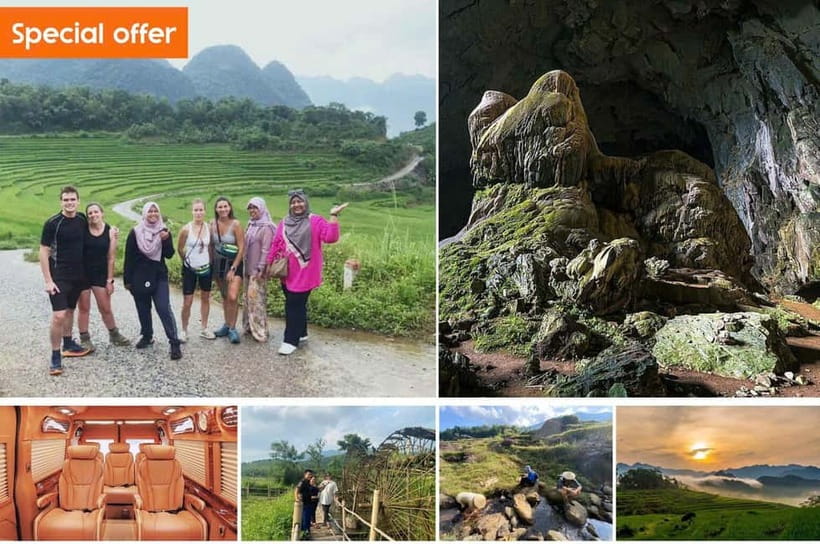
Your day starts early in Hanoi, with pickup from the Old Quarter area around 7:00 AM. The drive is about 4 hours and designed to feel manageable, with a short 15-minute rest stop halfway through. You’ll see village scenes along the way, so it’s not just a straight ride into the countryside.
When you arrive at Pu Luong Nature Reserve, you’ll have lunch at a local restaurant. After that, check-in happens later in the day (standard check-in time is 14:00). This gives you time to settle before the more active part starts.
Afternoon trek toward Kho Muong (about 10km, difficulty 4/5)
By around 13:30, you start the adventure. The trek is listed at difficulty 4/5, and the route is roughly 10km. The big reason people remember Day 1 is Kho Muong: an isolated village in a valley setting, with what’s described as the largest cave in Pu Luong.
You’ll use off-road trails that run along streams and up over mountain paths. That matters because you’re not just walking on one “pretty” path—you’re traveling through working terrain. If it rained, this is where you’ll feel it most: muddy ground and slick stones can turn an ordinary trail into a real test of balance.
Bang village and terrace fields
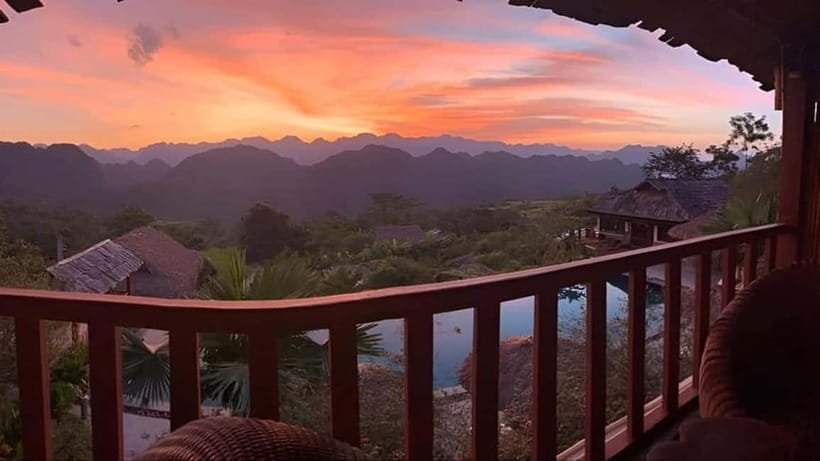
After the Kho Muong area, you move toward Bang village. This is where the trip leans more scenic: remote houses with terrace fields, plus quieter moments when you’re not focused on climbing or caving.
You return to the hotel by about 17:00, with time to recover before dinner. It’s a full day, so I’d treat Day 1 like your main training block and Day 2 like the reward.
The bat cave (Kho Muong) piece: why the method matters
Kho Muong is visited by motorcycle/car with a driver. That’s a smart setup here because it saves your energy for the trails and keeps the cave visit from turning into another long slog.
What I like about this approach is how it changes the feel of the cave. You’re not arriving like it’s just another attraction stop. You’re going out into the reserve area, moving through rougher routes, then stepping into a place that feels tucked away and different from the village paths you’ll walk later.
Practical note: conditions can vary, especially with rain. I’d plan for damp and uneven footing when you’re on the way to and around cave areas, and I’d keep your trekking shoes as your non-negotiable item.
Day 2: suspension bridge walks, water wheels, and bamboo rafting
Day 2 starts with breakfast and a morning plan that’s designed to be comfortable. You’ll be ready by about 8:30 AM, then transfer to Ban Cong.
The 2.5km walk to a scenic village
At Ban Cong, you begin a 2.5km walk. You cross a suspension bridge to reach a particularly scenic area where the largest stream runs through the valley. The day’s difficulty is listed as 2/5, so it’s more about enjoying views and village rhythm than about pushing yourself.
This is also where you get the classic Pu Luong mountain-minority scenes: rice fields, water movement, and houses tucked near the river system.
Giant water wheels: engineering you can actually see
You’ll look for the giant water wheels along the river. These aren’t just a photo moment. They’re part of how locals use water for farming and daily life, so you get a better appreciation when your guide explains what you’re looking at while you’re standing right there.
Bamboo rafting on the stream
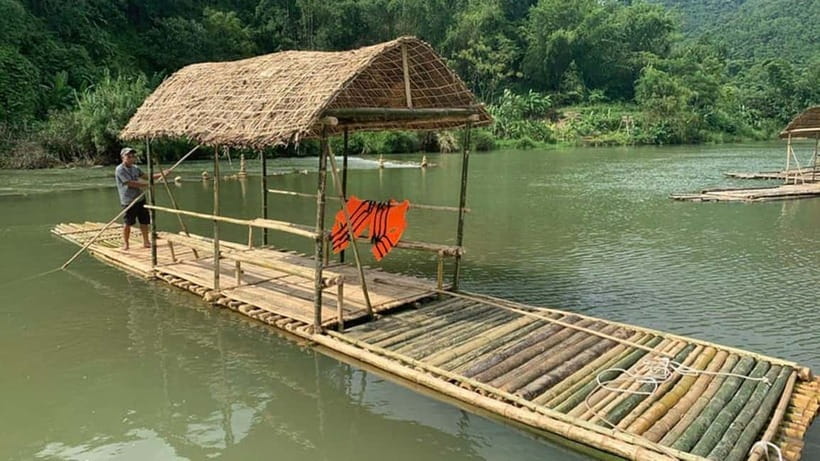
At Chieu Lau dam, the program shifts to the river experience: a bamboo rafting session. You paddle upstream with locals, which is a big reason this feels fun rather than touristy. It’s also one of those activities that changes your pace—suddenly you’re not climbing and stepping; you’re letting the river do the work while you focus on balance and enjoying the ride.
After the raft lands, you get another short hike—about 2km—through rice fields and villages. This completes a loop style route, so you’re not repeating everything you did earlier.
By around 11:30 AM, you meet the transfer at the main road, check out, and move into lunch time. Then you head back to Hanoi, with a planned arrival around 18:30 if traffic stays normal.
Homestay night: Black Thai food, clean water, and the insect reality
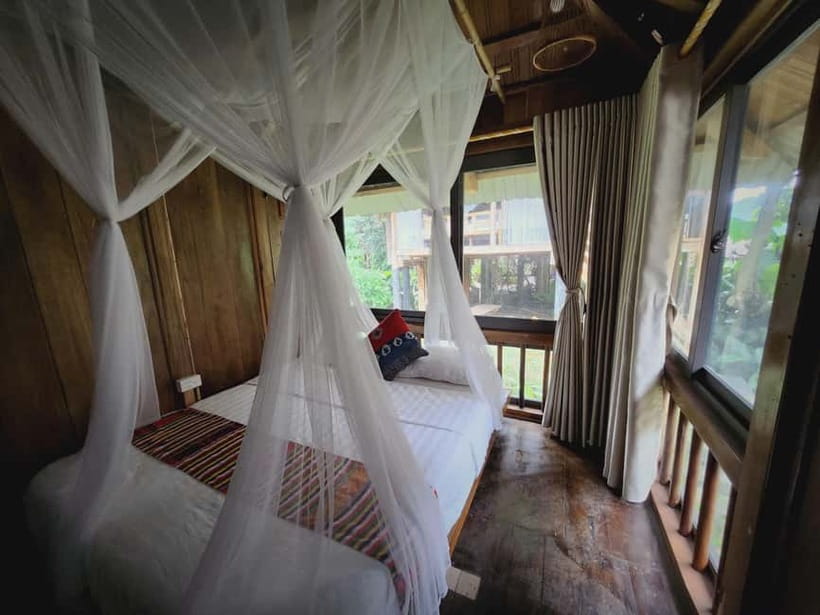
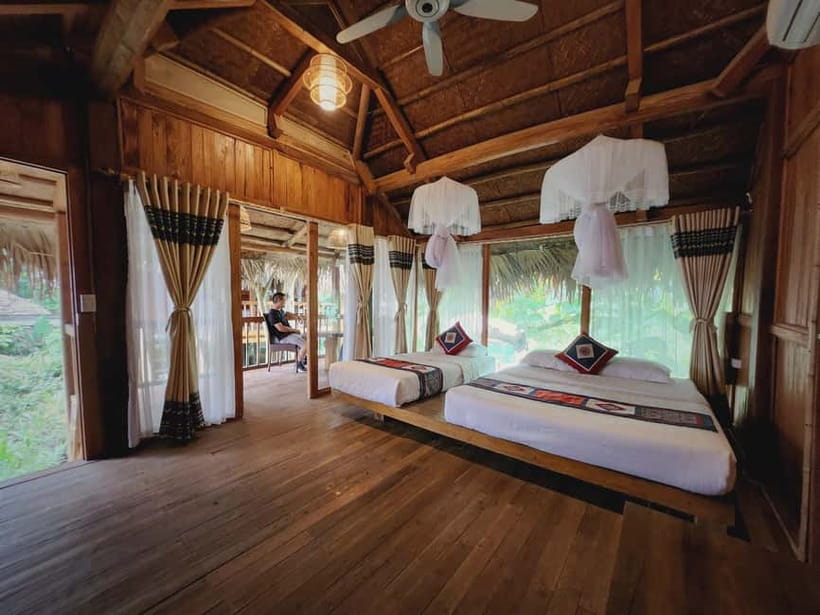
The homestay is the heart of the “loop” feeling. This is where you get the closer version of local life with Black Thai hosts, not just a meal at a restaurant and a quick goodbye.
The homestay setup includes clean water and fresh food, which is a reassuring baseline when you’re staying in a rural environment. Food here is local and simple, and it’s part of the culture, not a “performance dinner.”
That said, consider insects. One guide-led detail that matters: if you don’t want dorm-style living or you’d rather reduce the insect factor, upgrading to a more comfortable room is worth it. A review also pointed out that even when you’re careful, rain can increase the “mood” of the trip (more dampness on trails and potentially more bug activity near sleeping areas).
If you want a quieter or less rustic option, there’s also an upgrade path discussed with the operator—switching from a homestay to a better hotel category (with swimming pool mentioned in the upgrade note). You’ll want to ask what that means for your exact dates and room type.
Transport and timing: what the schedule really means for you
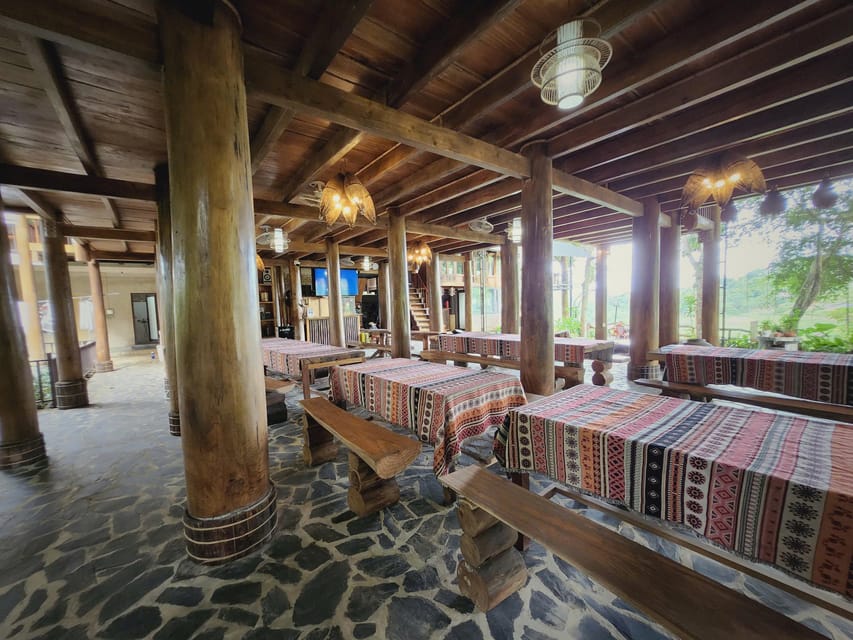
This tour is built around smooth connections, not chaos.
- Hanoi to Pu Luong: about 4 hours of driving, with a short rest break
- Day 1 trek start: around 13:30 after lunch and check-in time
- Day 2: breakfast early, with transfers and walking starting by the late morning window
- Hanoi return: planned arrival around 18:30
One useful detail: timings are measured from the operator’s meeting point at Don Village. If you’re joining from elsewhere, they’ll share the schedule based on your pick-up spot.
Also, the itinerary includes motorcycle/car with a driver with homestay on a 2–4 person sharing basis. If you want your own room, the single supplement isn’t included, so you should plan for that cost if it applies to your booking.
What’s included for the price, and why $93 can feel fair
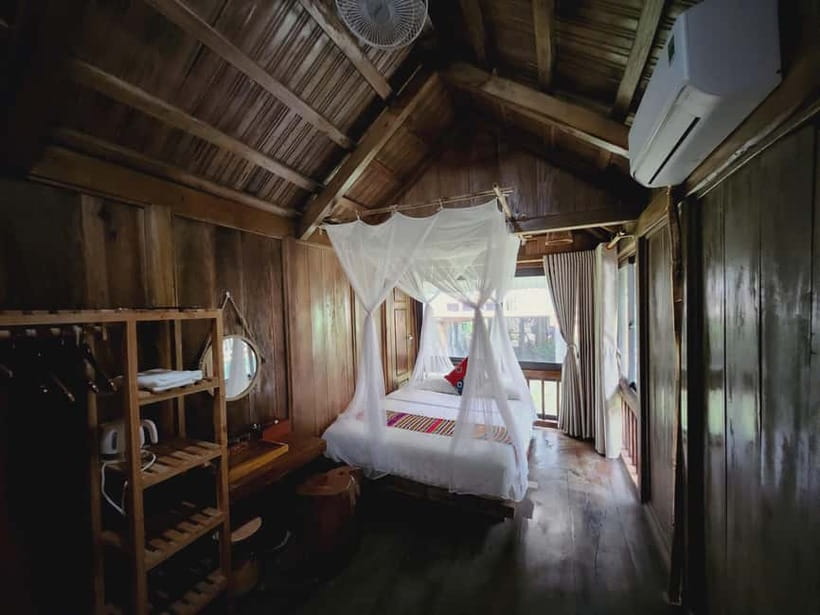
At $93 per person, you’re paying for a lot of “real trip pieces,” not just walking.
Included items:
- Round trip limousine bus transfers plus a bottle of water before trekking
- An English-speaking local guide
- Two lunches, one dinner, and one breakfast
- Entrance tickets during the trip
- Motorcycle/car with driver and your homestay (or the shared accommodation arrangement)
Not included items are also what you’d expect for this style of travel: travel insurance, drinks, and any single-room add-ons. Holiday surcharges can apply on specific dates and are paid directly to the guide.
Here’s the value logic: when you put together transportation from Hanoi, a guide for active days, meals across two days, and entry costs for the cave and reserve segments, the price starts to make more sense. You’re not just buying “a view.” You’re buying time saved, guidance provided, and logistics handled.
Practical tips that make or break this trek
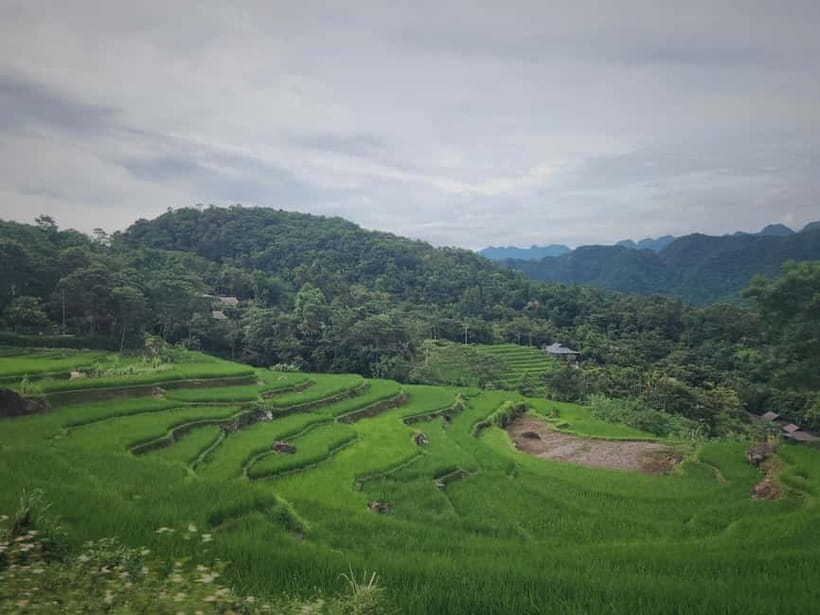
This tour runs with an active outdoor pace, so your comfort depends on the right gear.
Bring:
- trekking shoes (hiking boots are a smart move if trails get wet)
- sunglasses, sunscreen, and insect repellent
- cash in Vietnamese Dong since banking can be unreliable in Pu Luong (US dollars, euros, and Australian dollars are accepted)
Also, think about water and food tolerance. You’ll have meals included, but you may want a small personal snack habit if you’re the type who burns energy quickly on hikes.
Luggage note: you can store luggage in the bus trunk during the journey, then keep it at the homestay before trekking. That keeps you from hauling a heavy pack on the trail.
Not allowed:
- pets
Who this is best for (and who should think twice)
This is ideal if you want:
- an active 2-day experience with real hiking and river time
- a homestay night where you can ask questions and see daily village rhythm
- a small structure where the guide helps you make sense of what you’re seeing
You’ll especially enjoy it if you’re comfortable with uneven paths and possible rain. One recent outing included rain almost the entire time, and the guide still helped the day feel smooth and manageable.
Think twice if:
- you need wheelchair access (this isn’t suited for wheelchairs)
- you strongly prefer flat, easy walks (Day 1 is 4/5 difficulty)
- you hate the idea of insects at a basic rural homestay (upgrades can help)
Should you book the Pu Luong Loop trek with homestay?
If your idea of a good vacation includes walking into village life, eating where locals eat, and sharing the day with a guide who can explain what you’re seeing, then yes—you should book it. The mix of Kho Muong by motorbike, a substantial Day 1 trek, and Day 2 river fun with water wheels and bamboo rafting is a strong combo.
I’d book this especially if you’re the type who likes small “how things work” moments: water wheels, farming terrain, village paths, and cave access in a place that feels far from the highway.
But if you’re chasing only comfort and easy strolling, you might be happier with a lighter route. For this one, plan for mud, bring the right shoes, and accept that homestay life comes with the real rural details.
FAQ
How long is the trek on each day?
Day 1 includes a 10km trek around the Kho Muong area. Day 2 includes a 2.5km walk plus another 2km trek through rice fields and villages.
What are the difficulty levels?
Day 1 is listed as 4/5 difficulty. Day 2 is listed as 2/5.
What meals are included?
You get 2 lunches, 1 dinner, and 1 breakfast included in the program.
Do I get transport from Hanoi?
Yes. You’ll have a round trip transfer by comfortable limousine bus. The drive is about 4 hours without heavy traffic, with a short rest stop.
How do you visit Bat Cave (Kho Muong)?
You visit Kho Muong by motorcycle/car with a driver.
Where do you stay overnight?
You stay at a homestay (or shared accommodation arrangement) with black Thai hosts, on a 2–4 people sharing basis.
Are entrance tickets included?
Yes. Entrance tickets during the trip are included.
What should I bring for the trek?
Bring trekking shoes, sunglasses, sunscreen, and insect repellent. Also carry cash in Vietnamese Dong because banking can be unreliable in Pu Luong.
Is there a holiday surcharge?
A surcharge of 600.000/person applies on certain holiday dates. It’s paid directly with the guide on the date.
Can I bring pets?
No, pets are not allowed on this experience.