REVIEW · HANOI
Sapa Trekking 2 Days 1 Night From Hanoi With Local Guide
Book on Viator →Operated by Hanoi Green Travel · Bookable on Viator
Morning starts. Mountain views follow.
This 2-day, 1-night Sapa trekking trip is a smart way to see Vietnam’s rice terraces up close, without having to organize every detail yourself. I like that the day-by-day route hits classic villages like Cat Cat and the Muong Hoa valley, then finishes with a trek through places like Y Linh Ho, Lao Chai, and Ta Van. I also like the small-group feel (up to 15) and the fact that the guiding comes from locals who actually know the trails and community rhythm.
The main thing to consider is the walking. You’ll do a multi-hour downhill trek on day 1 (about 2.5 km), then around 12 km on day 2 with steep bits and valley routes—so you’ll want moderate physical fitness and good footwear.
In This Review
- Key highlights at a glance
- Entering Sapa the Practical Way: Hanoi Pickup to Village Footpaths
- Day 1: Hanoi to Sapa Town, Lunch, then Cat Cat Village Trek
- Cat Cat Village: Waterfall Stops and the 1925 French-Era Power Plant
- Overnight in Sapa: Hotel or Homestay Setup
- Day 2: Muong Hoa Valley Down to Villages (Y Linh Ho, Lao Chai) and On to Ta Van
- Walking Pace, Distances, and What Moderate Fitness Means in Real Life
- Guide Quality and Small-Group Size: Why Local Names Matter
- Price and Value: Is $85 Fair for 2 Days, Meals, and a Local Guide?
- What to Pack and How to Handle Sapa Weather (Without Overthinking)
- Who This Trek Suits Best (and Who Might Want a Different Option)
- Should You Book This Hanoi-to-Sapa Trek? My Decision Rule
- FAQ
- What time does the tour start in Hanoi?
- What’s the maximum group size?
- How much trekking is included?
- Which villages are visited during the trek?
- Is there an overnight stay in Sapa?
- What meals are included?
- What’s included in the price, and what’s not?
- Can I cancel for free if plans change?
Key highlights at a glance
- Local ethnic-guided walking with names like Ku, Cat, and Vu showing up in guide praise
- Cat Cat Village near Fansipan foothills, with time to watch a village performance
- Muong Hoa Valley rice terraces plus trekking between Y Linh Ho and Lao Chai
- Ta Van village experience with a stay in a local family cottage (as scheduled)
- Small group cap (15 travelers) keeps things smoother on narrow paths
- Meals included on both days, plus one overnight in Sapa
Entering Sapa the Practical Way: Hanoi Pickup to Village Footpaths
You start early, with pickup scheduled for 6:30 am from the Hanoi Old Quarter area. That early start matters. It gives you time to travel up to Sapa, arrive, eat, and still have daylight for a first trek on day 1 instead of just a rushed cable-car kind of visit.
The route is built around two goals: getting you to the right trailheads, and keeping the cultural stops from feeling like pit stops. The small group size (max 15) helps here. With fewer people, guides can better manage pace, question time, and the moments where you actually want to slow down and look around.
You’ll travel by bus from Hanoi to Sapa, and the tour is set up to include an English-speaking guide plus fees and taxes. That means less paperwork stress and fewer surprises once you arrive.
You can also read our reviews of more tours and experiences in Hanoi.

Day 1: Hanoi to Sapa Town, Lunch, then Cat Cat Village Trek
Day 1 is structured like a gentle landing day, but not a full rest day. After the morning pickup, you arrive in Sapa around 13:00, meet your local guide at the bus station area, and then head to lunch. Lunch is at a local restaurant, which is exactly what you want after a long ride—real food, not a sad snack bar situation.
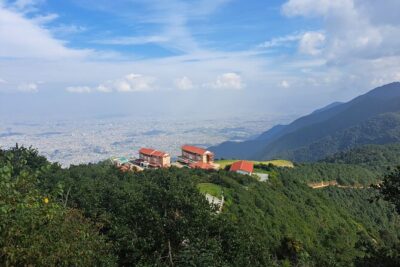
After lunch, you drive to the gate of Cat Cat Village, which is home to the Black H’mong community. The village sits near the bottom of a deep valley at the foot of Fansipan Peak—that setting is why the area feels dramatic, even when you’re just walking downhill.
Then comes the first trek:
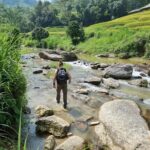
- You walk down from the village gate toward points of interest, including a waterfall area and an old structure tied to the region’s colonial-era history.
- The trek is about 2.5 km and takes around 2 hours (so you’ll get movement, but you’re not crushed on day 1).
Along the way, there’s also a scheduled performance segment—about 40 minutes—with boys and girls from the village. It’s brief enough to fit the schedule without turning the visit into a long show. It’s also a useful contrast to the walking: you get both motion and culture in the same afternoon.
By 17:00, the day ends back in Sapa Town. Dinner is included later at the hotel (and you’ll have free time to explore the town at night).
Cat Cat Village: Waterfall Stops and the 1925 French-Era Power Plant

Cat Cat is popular for a reason, and the tour plan gives you more than just a quick photo stop. The walk down the valley leads to places you can actually linger at—especially the waterfall area.
One detail that adds interest here is the power plant built by the French in 1925. Even if you don’t go in searching for technical history, it helps you understand why this valley became a destination long before modern trekking routes.
Cat Cat also works well because the guide-led format helps explain what you’re seeing. Guides associated with this route—like Cat—are often praised for strong English and local context. When you’re walking in a valley where the terrain shapes life, that kind of explanation turns your photos into something more meaningful.
A small practical consideration: in this kind of area, the paths can be uneven, and you’ll be going downhill. If you’re not used to steep descents, take your time. Day 2 will ask more of your legs.
Overnight in Sapa: Hotel or Homestay Setup

After the evening in Sapa Town, you sleep in Sapa. The tour includes overnight accommodation and notes either a hotel or homestay setup.
This matters because it changes the vibe of the trip:
- A hotel tends to feel easier for shower-and-sleep comfort.
- A homestay can feel more connected to daily life, especially for early mornings and meal routines.
Either way, you’ll start day 2 with breakfast, check out, and keep a lighter pack for trekking. That light pack detail is more than convenience—it keeps you from dragging unnecessary weight onto paths that already demand attention.
Day 2: Muong Hoa Valley Down to Villages (Y Linh Ho, Lao Chai) and On to Ta Van
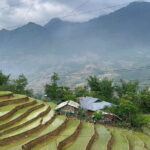
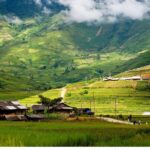
Day 2 starts between 7:00 and 8:00 with breakfast, then it’s time for checkout and trekking prep. The big theme here is valleys and terraces—especially Muong Hoa Valley, which the itinerary describes as the most beautiful valley in Sapa where local hill tribes work rice terraces.
The trek portion is the core:
- The schedule mentions 12 km of trekking total while visiting three villages with two different minority groups.
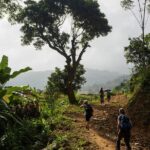
- You’ll also spend time trekking downhill toward Muong Hoa Valley (around 9 km down is noted in the plan).
- Then you move through Y Linh Ho and Lao Chai on a smaller trail route. The walking time for this segment is listed as about 3.5 hours.
The reason this route is valuable is that it gives you multiple “frames” of the same terrain. Rice terraces look different when you’re:
- high enough to see the pattern of fields,
- walking along the contours,
- and then dropping deeper toward where villages connect to the valley floor.
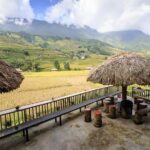
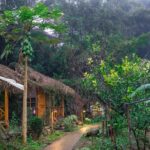
After lunch (included at 12:30), the plan continues along the valley bottom to Ta Van village, tied to the Dzay people. The schedule also says you’ll experience village life while staying in a local family’s cottage (at that stage of the itinerary).
From there, you get bus transfer back toward Sapa lodging needs and onward to Hanoi. You’ll return to Hanoi around 21:30, so plan for an evening that is mostly about rest, not sightseeing.



Walking Pace, Distances, and What Moderate Fitness Means in Real Life
The tour asks for “moderate physical fitness,” but it helps to translate that into what your body will notice.
Day 1:
- about 2.5 km and roughly 2 hours
- downhill movement and uneven valley paths are likely
Day 2:
- about 12 km total trek
- multiple segments, including a long downhill approach toward Muong Hoa Valley
- walking through village areas means you’ll pause, start, and restart on trails
So even if you consider yourself fit, treat this as a real hike—especially if you’re traveling from sea level or if your legs feel tight from the long Hanoi-to-Sapa ride. Good footwear isn’t optional if you want to enjoy the views instead of focusing on footing.
Also keep in mind the tour says it requires good weather. If conditions are poor, you might be offered another date or a refund—so flexibility helps.
Guide Quality and Small-Group Size: Why Local Names Matter
A good trekking guide isn’t just someone who knows the route. On this kind of trek, the guide also shapes your pace, your understanding, and your safety.
This trip leans hard on local guiding. The overview notes that the guides are local ethnic people and described as enthusiastic and experienced. In the praise you’ll see guide names like Ku, Cat, and Vu tied to the Sapa portion of this type of experience.
Here’s why that matters for you:
- A local guide tends to explain what you’re seeing in plain terms—how people live, why fields are arranged a certain way, and what to notice as you walk.
- They also know where walking feels easiest, where you should slow down, and where to eat locally without turning it into a tourist factory.
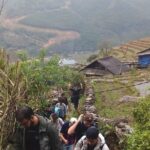
Small-group size (max 15) also helps keep the trek from turning into a crowded parade. Narrow paths don’t work well with big groups.
Price and Value: Is $85 Fair for 2 Days, Meals, and a Local Guide?
At $85 per person, this is positioned as a value trekking option that includes more than just a walking route.
Here’s what you’re getting for the price:
- pickup offered and air-conditioned vehicle included as part of transportation
- English-speaking guide
- all fees and taxes
- meals included across both days (lunch, dinner, and breakfast plus another lunch on day 2)
- one overnight in Sapa (hotel or homestay)
What’s not included:
- alcohol drinks
- private transportation
The biggest value point is how meals and one night are bundled in. You’re not paying extra for every stop. And you’re getting guided cultural trekking rather than a DIY route where you’d need local knowledge for village etiquette, trail choices, and timing.
If you’re the kind of traveler who likes structured days—arrive, eat, walk, learn, sleep—this price can make sense.
What to Pack and How to Handle Sapa Weather (Without Overthinking)
This trip requires good weather, and Sapa weather can shift quickly. Even if the tour runs as planned, expect cool-to-mild conditions at minimum, plus changes between valley paths and town.
You don’t need to go full mountaineering mode. But you do want to:
- wear shoes that handle uneven ground,
- bring a light layer for the walking and another for the evenings,
- keep a smaller day-pack for trekking since the plan calls for preparing a light pack.
If you’re sensitive to cold, you’ll appreciate bringing a warmer layer even when the town looks comfortable.
Who This Trek Suits Best (and Who Might Want a Different Option)
This is a strong fit for:
- first-time Sapa visitors who want the right villages without spending days on planning,
- people who enjoy valley walks and cultural stops at a calm pace,
- couples and small groups who like a guided route and a manageable group size.
It may be less ideal if:
- you want a super easy stroll with minimal walking,
- you hate downhill hiking on rough paths,
- you’re traveling with very limited mobility (the tour requires moderate fitness).
For families, it can work if everyone is comfortable with multi-hour walking and the idea of trekking day 2 (about 12 km total).
Should You Book This Hanoi-to-Sapa Trek? My Decision Rule
Book it if you want a real trekking itinerary with the essentials handled: pickup, guiding, village visits, meals, and one overnight. I think it’s especially worth considering if you’re aiming for a mix of terraces, village life, and a guide who can explain the scene without making it feel staged.
I’d skip or choose a different format if your goal is mostly city sightseeing, or if you’re not comfortable with a long day 2 trek that includes downhill walking.
In short: if you’re ready for two days of purposeful walking and you want to see Sapa beyond the town, this one is a solid way to do it.
FAQ
What time does the tour start in Hanoi?
Pickup is scheduled for 6:30 am in the Hanoi Old Quarter area.
What’s the maximum group size?
The tour is limited to 15 travelers maximum.
How much trekking is included?
Day 1 includes about 2.5 km of trekking (around 2 hours). Day 2 includes about 12 km total trekking with village visits.
Which villages are visited during the trek?
You visit Cat Cat Village on day 1. On day 2, the route includes Y Linh Ho, Lao Chai, and Ta Van.
Is there an overnight stay in Sapa?
Yes. The tour includes overnight accommodation in Sapa (hotel or homestay).
What meals are included?
The tour includes meals: lunch on day 1, dinner on day 1, breakfast and lunch on day 2.
What’s included in the price, and what’s not?
Included: air-conditioned vehicle, all fees and taxes, and an English-speaking guide. Not included: alcohol drinks and private transportation.
Can I cancel for free if plans change?
Yes. You can cancel up to 24 hours in advance for a full refund. If cancellation happens within 24 hours, the amount paid is not refunded.