REVIEW · KATHMANDU
Pokhara: 2 Day Ghorepani & Poon Hill Private Trekking
Book on GetYourGuide →Operated by Nepal Trip Creator · Bookable on GetYourGuide
Two days, one giant sunrise moment. I love the Poon Hill sunrise that reveals the Annapurna and Dhaulagiri mountain ranges, often like you’re watching the sky flip a light switch. I also like the private group setup with an English-speaking guide who keeps things moving and helps with the details (some guides include Anil and Dipchandra).
One thing to think about: the getting-there part takes real effort. You’ll face a long, bumpy ride up from Pokhara, and then the next morning starts at about 4 a.m., with steep steps to reach Poon Hill.
In This Review
- Key Things That Make This 2-Day Ghorepani & Poon Hill Trek Worth It
- Why Poon Hill Sunrise Still Gets People Up the Stairs
- Day 1: Road to Ulleri/Tikhedhunga, Then the Climb to Ghorepani
- Day 2: The 4 a.m. Push to Poon Hill and the Annapurna–Dhaulagiri Reveal
- Teahouses, Village Life, and the Route’s Real-World Character
- Price and Logistics: What You’re Paying For (and What You Still Need to Budget)
- Who This Trek Fits Best (and Who Should Think Twice)
- Packing and Pace Tips for Two Days That Don’t Feel Like a Battle
- Should You Book This Pokhara to Ghorepani & Poon Hill Private Trek?
- FAQ
- What is the highest altitude on this trek?
- When do you start on Day 2 for sunrise?
- How long is the trek overall?
- Are meals included in the price?
- Is transportation from Pokhara included?
- Who is this trek not suitable for?
Key Things That Make This 2-Day Ghorepani & Poon Hill Trek Worth It
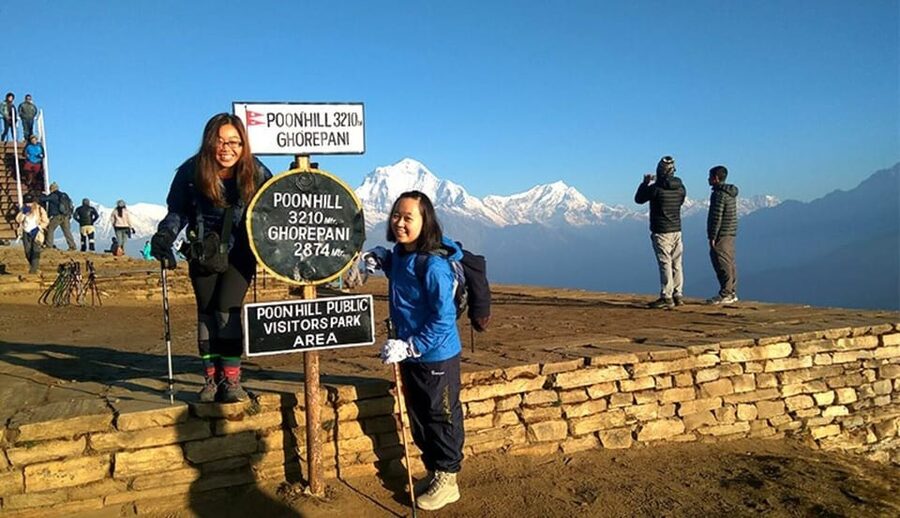
- Sunrise payoff: Early climb to Poon Hill for dramatic Annapurna and Dhaulagiri views
- Teahouse-style nights: Cozy tourist-standard lodge accommodations on the trek route
- Rhodo + village walking: Rhododendron forests, terraced fields, and Gurung village scenery
- Private, guided simplicity: English guide support with permits, first-aid kit, and logistics handled
- Comfort-focused transfers: Hotel pickup/drop-off plus round-trip road transport included
Why Poon Hill Sunrise Still Gets People Up the Stairs
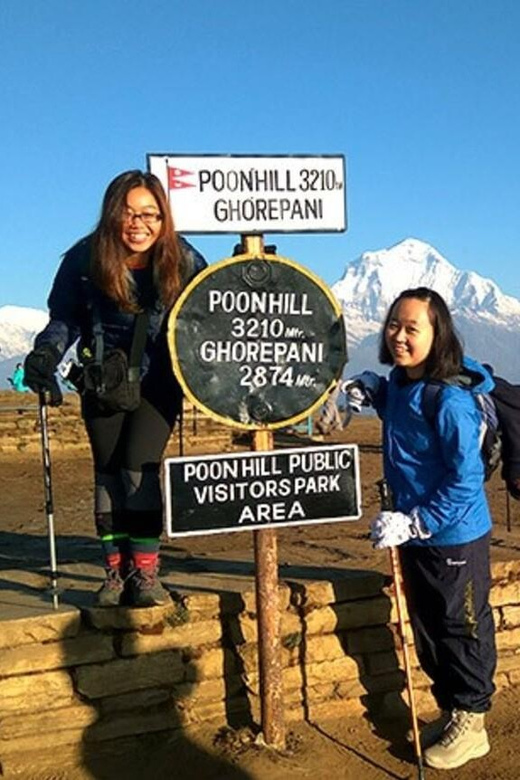
This is a short trek, but it’s built around one big moment: standing on Poon Hill early enough to watch sunrise light up the Annapurna and Dhaulagiri ranges. That timing matters. You’re not hiking for hours just to walk past views—you’re racing the clock a bit, then settling into the reward.
I also like how this route balances effort with variety. You’re not stuck on one kind of scenery. You’ll walk through rhododendron forests, past terraced fields, and through Gurung villages where everyday life continues at a slower pace. The mountains do the talking, but the trail keeps you busy in a good way.
The private setup is the other reason people enjoy this. You get an English-speaking guide, and the trek is managed as a tight 2-day plan. That means less confusion about where to go, and more time for the walking and the views.
You can also read our reviews of more tours and experiences in Kathmandu.

Day 1: Road to Ulleri/Tikhedhunga, Then the Climb to Ghorepani
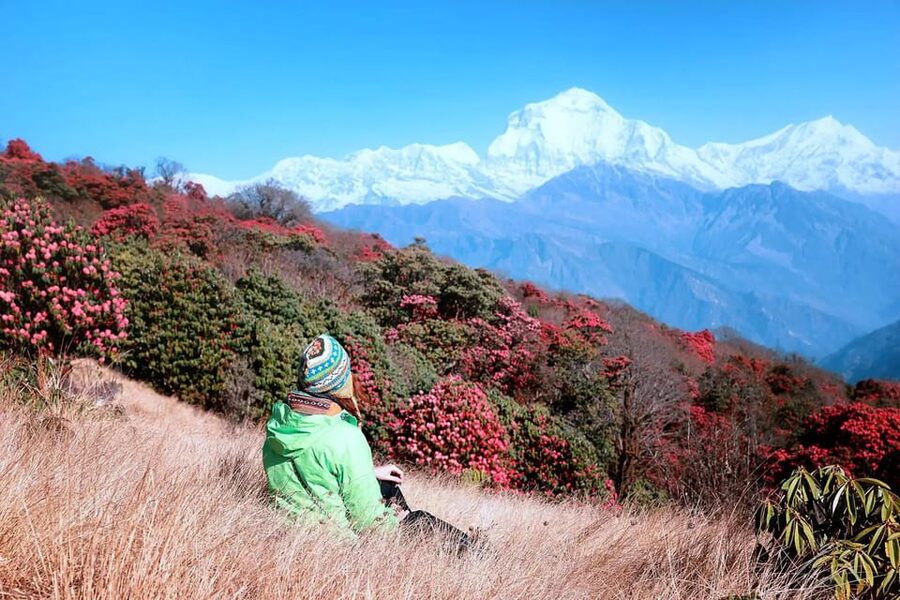
Day 1 starts with a scenic drive from Pokhara to Tikhedhunga/Ulleri. The plan calls for about 3 hours, but keep in mind that mountain roads can make the ride feel longer—especially if the vehicle is moving along curvy uphill sections. Either way, you’ll want to treat this as part of the trek experience, not a quick transfer.
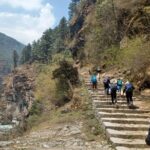
Once you reach Tikhedhunga/Ulleri, you begin walking uphill. The trail runs through villages and terraced fields, then gradually climbs toward Banthati via Ghorepani. This is the day when you’ll feel your legs working, but it’s not a marathon. The elevation gain is noticeable, yet it’s manageable in a 2-day format.
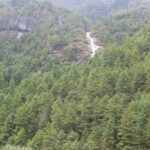
Along the way, the rhododendron forest scenery is the kind of bonus that keeps your pace from feeling too mechanical. Instead of just focusing on steps, you also get color and texture in the forest stretches. And because you pass through Gurung village areas, you’re seeing more than just hills and stone—you get a glimpse of how people live in the Annapurna foothills.
That night you sleep in a tourist standard lodge (teahouse-style accommodation). It’s a practical base for Day 2, and the guide helps with the plan so you’re not stuck guessing what comes next.
Day 2: The 4 a.m. Push to Poon Hill and the Annapurna–Dhaulagiri Reveal
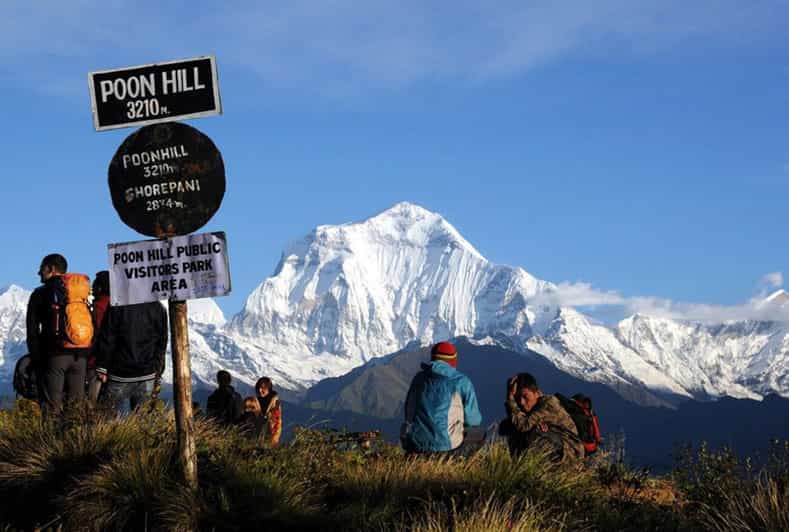
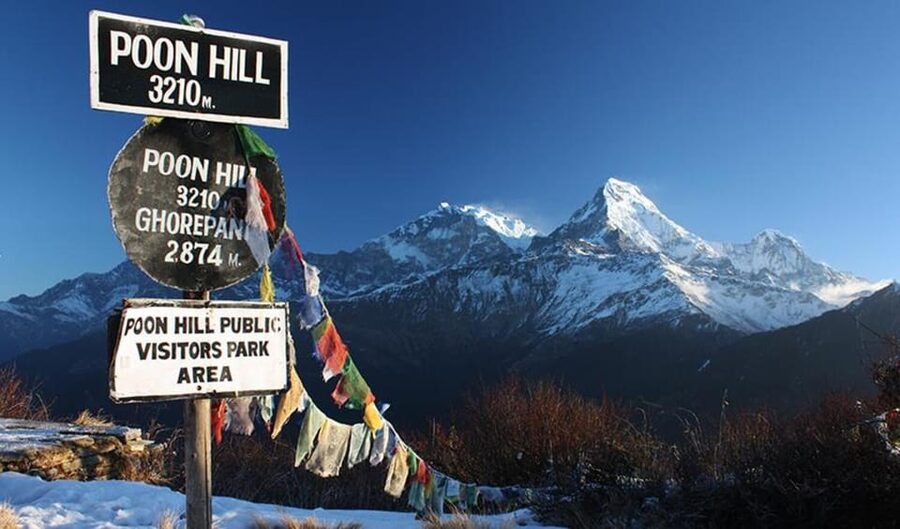
If Day 1 is about getting positioned, Day 2 is about timing. You start from Ghorepani around 4 a.m. to reach Poon Hill, which sits at 3,210 meters (10,531 feet). The climb to the viewpoint is the steep part—expect a demanding ascent where you’ll be climbing through stair-like sections and steep trail.
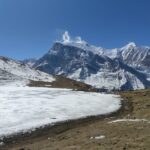
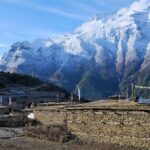
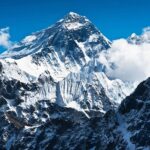
This is the moment where you earn the view. Sunrise from Poon Hill is the headline: first light spreads across the Annapurna and Dhaulagiri mountain ranges, and the whole valley feels like it’s waking up with you. It’s the kind of view that’s hard to describe because it’s not just one mountain—it’s the layered scale of the range system.
After you’ve taken in the sunrise, you head back down. Your descent starts toward Ghorepani, then continues back along the trail to Nayapul, and from there you connect to the road transport back to Pokhara. Day 2 includes uneven terrain and physical effort on the way down, so you’ll still want good shoes and a steady pace. It’s not all downhill cruising.
The trade-off is worth it. You get a sunrise memory plus a full “walking day” feeling, all in a compact 2-day schedule.
Teahouses, Village Life, and the Route’s Real-World Character
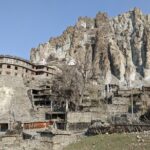
This trek’s charm is that it mixes mountain drama with normal village routines. The trail passes through Gurung village areas, and you’ll see terraced farmland and forested stretches that change the mood as you walk.
The accommodation is described as tourist standard lodge/teahouse-style stays. That usually means simple but functional rooms where you can rest and recharge for early morning. Meals aren’t included, but you can buy food along the way. That’s a useful setup because it gives you flexibility—eat early, take your time, or choose what feels right for your stomach after climbing.
One small practical note: because meals are extra, budgeting matters. If you’re trying to keep the trip cost predictable, plan for two days of breakfast and meals on the trail.
Also, the guide isn’t just there to point in the right direction. English support matters when you’re tired and moving early. Having a professional trek guide (government registered) helps keep the pacing realistic and the logistics simple.
Price and Logistics: What You’re Paying For (and What You Still Need to Budget)
At $129 per person for a 2-day private trek, the value comes from what’s included rather than the trek length alone. You’re paying for more than “a trail.” This package covers:
- Private accommodation on a tourist standard lodge (1 night on trek)
- Hotel pickup and drop-off in lakeside Pokhara (or airport)
- Round-trip transport by bus
- Government permits and TIMS coverage
- A professional English trekking guide
- A first-aid kit
- Luggage storage facility in Pokhara during the trek
- Duffel bag and trekking pole options if you need them
Meals are not included, and porter service is optional. Personal expenses are also extra.
So if you’re trying to decide whether the price feels fair, I’d look at it this way: you’re buying a guided, permitted, organized experience with lodging and transport taken care of. That’s what makes this doable in just 2 days without turning your trip into a logistics project.
And if you’re the kind of traveler who likes to show up, follow a plan, and focus on views and walking? This is a solid match.
Who This Trek Fits Best (and Who Should Think Twice)
This is a manageable trekking option in an Annapurna-region 2-day format, which makes it a good choice for people who want a real mountain experience without going for multi-week trekking.
That said, there are clear limits. It’s not suitable for:
- Children under 5
- Pregnant women
- People with back problems
The main reason is the combination of early steep climbing (for sunrise) and uneven descending terrain. Even if the overall trek duration is short, the effort is concentrated.
It’s also smart to consider your comfort with stairs and steep trails. Poon Hill involves a demanding climb from the early start, and the reward is at the top—not along the way.
If you’re someone who enjoys sunrise outings, can handle a long morning, and wants to see rhododendron forests plus village scenery in a tight schedule, you’re in the right place.
Packing and Pace Tips for Two Days That Don’t Feel Like a Battle
The essentials listed are simple: comfortable shoes, warm clothing, a camera, and water. That’s exactly what you should center your packing on.
Warm clothing is especially important because you’re starting around 4 a.m. when temperatures are typically cold. Even if the day warms up later, mornings at Poon Hill can feel brutally chilly.
You’ll also do better if your footwear grips well. The trail is steep and includes stairs-like sections, then turns into a descent with uneven footing. Good shoes keep the walk more controlled.
Camera time is obvious for sunrise. But also think about power management: charging on short treks isn’t always guaranteed. Bring what you need, and keep batteries warm in colder air.
Hydration is non-negotiable. You’ll be working hard early in the day, so carry water and sip steadily.
Should You Book This Pokhara to Ghorepani & Poon Hill Private Trek?
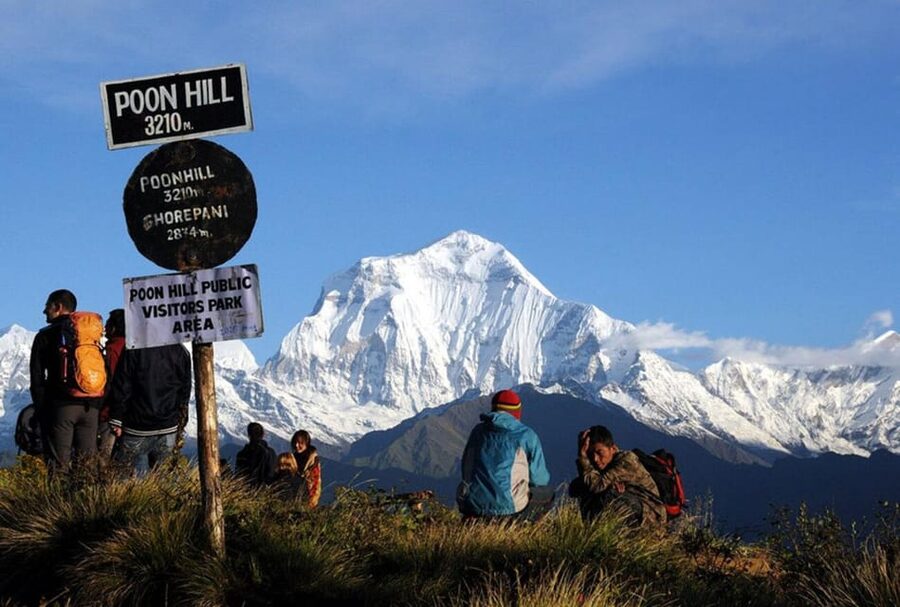
Yes, if you want a compact Nepal foothills trek that gets you to the Poon Hill sunrise view at 3,210 meters (10,531 feet) without having to manage permits, route decisions, or the “what’s next” problem.
This is especially worth it if you like the idea of:
- Sunrise over Annapurna and Dhaulagiri
- walking through rhododendron forests and Gurung village paths
- a private, English-speaking guide to keep the experience smooth
- teahouse-style lodge stays for an easy second night plan
If you hate early mornings, struggle with steep stairs, or your body doesn’t do well on uneven trails, you’ll likely find the concentrated effort hard. Also, the road journey up from Pokhara can be bumpy and tiring, so factor that into your expectations.
If you’re balancing time, budget, and a serious sunrise payoff, this is one of the most efficient ways to do it.
FAQ
What is the highest altitude on this trek?
Poon Hill is at 3,210 meters (10,531 feet).
When do you start on Day 2 for sunrise?
You start around 4 a.m. from Ghorepani to reach Poon Hill.
How long is the trek overall?
The trek lasts 2 days.
Are meals included in the price?
No. Meals are available for purchase along the way.
Is transportation from Pokhara included?
Yes. You get hotel pickup and drop-off in lakeside Pokhara (or airport) and round-trip transportation by bus.
Who is this trek not suitable for?
It is not suitable for children under 5 years, pregnant women, or people with back problems.