REVIEW · POKHARA
Annapurna Sanctuary Trek
Book on Viator →Operated by Outshine Adventure Pvt Ltd · Bookable on Viator
The Annapurna Sanctuary hits hard in the best way. This trek package in Nepal pairs a professional team with real trail logistics—pickup, permits, lodge nights, and down gear if you need it. You get great support without paying “luxury trekking” prices, but it’s not a meal-included tour, so you’ll budget for food daily.
Two things I like a lot: the setup includes a licensed guide plus porters, and you’re driven between Pokhara and Nayapul so you’re not wrestling transport on your first day. The other big win is that the cold-weather gear (down jacket and sleeping bag) is part of the deal if required, which can save you time and packing space. One consideration: this trip is described as a nine-day Annapurna Base Camp trek, so don’t let the short duration label fool you—clarify your exact dates after booking.
At the top, you’ll reach up to 13,484 ft / 4,110 m, so expect altitude pacing and sensible rest days. The group stays small (maximum 15 travelers), which usually makes the trail feel more manageable and the briefing-style support more practical. If you’re aiming for an easy holiday vibe with minimal effort, this is not that—but if you want authentic Himalayan trekking with solid organization, you’ll be in the right place.
In This Review
- Key Points That Matter on the Annapurna Sanctuary Trek
- First Taste of the Trip: Outshine Adventure Briefing in Pokhara
- Kathmandu Heritage Stop: Durbar Square and Major Temples (2 Hours)
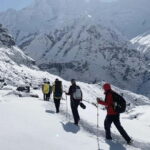
- The Trek Phase: Driving to Nayapul, Then Earning Your Views
- Your Target: Annapurna Base Camp in the Annapurna Sanctuary Bowl
- Guide, Porter, and the Small-Group Advantage
- Gear Included for Cold Nights: Down Jacket and Sleeping Bag (If Needed)
- What’s Included vs Not: The Real Budget Picture
- Pacing, Permits, and Safety: How the Package Helps You Stay on Track
- Who This Annapurna Sanctuary Trek Is For (And Who Should Rethink It)
- Should You Book Outshine Adventure for Annapurna Base Camp?
- FAQ
- How high does the trek go?
- Is pickup and drop-off included?
- What trekking gear is included?
- Are meals and drinks included during the trek?
- Do you include permits for the trek?
- How big is the group?
- Is free cancellation available?
Key Points That Matter on the Annapurna Sanctuary Trek
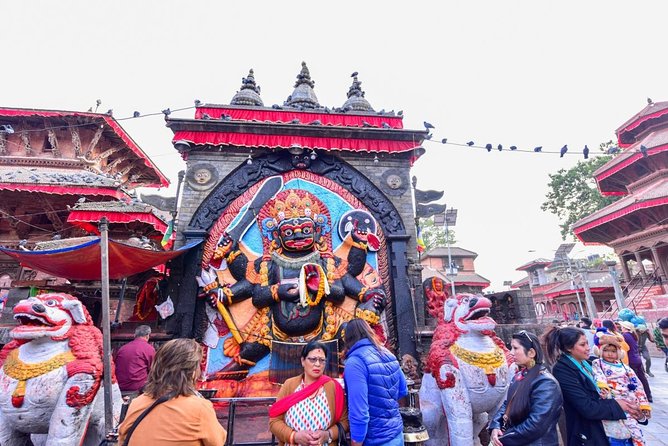
- Small group size (up to 15) helps with pacing, clarity, and fewer “lost in the crowd” moments
- Guide + porter support keeps the trek realistic, especially when you’re carrying only what you need
- Permits handled via TIMS card and Annapurna conservation permits (you just travel with valid documents)
- Down jacket and sleeping bag included if necessary so you don’t guess wrong about cold nights
- Private car pickup/drop in Pokhara/Nayapul saves time and stress at the start and end
First Taste of the Trip: Outshine Adventure Briefing in Pokhara
Your trip kicks off in Pokhara at 7:00 am, and you’ll meet at Outshine Adventure (the meeting point is listed in Pokhara). The first stop is a short orientation block—think briefing, introductions, and getting your questions answered before you head into trekking mode. Even when it’s only 30 minutes, that kind of start matters in Nepal because it sets expectations: what you carry, what the schedule looks like, and how you’ll handle altitude and gear.
This is also where you’ll get a clearer picture of what’s included for your trek nights. Your package includes lodging during the trek, plus cold-weather gear if required—so this briefing is when you’d typically confirm what you personally need versus what the team provides.
What to watch for: the tour is positioned as an Annapurna Base Camp trek package, but the overall event duration label can look shorter than what you’re picturing. Ask directly during confirmation: how many days are trekking, and when does the trek start for you (not just when your first activities begin).
You can also read our reviews of more tours and experiences in Pokhara.
Kathmandu Heritage Stop: Durbar Square and Major Temples (2 Hours)
The provided itinerary also includes a Kathmandu heritage visit on a day with a 2-hour window. That stop lists Kathmandu Durbar Square plus several landmark sites: Swayambhunath, Boudhanath, and Pashupatinath. Admission here is not included, so plan on paying entry fees directly on the day.
Why this matters: if you’re flying into Nepal, Kathmandu can feel overwhelming fast. A concentrated highlight tour gives you context before you head for the mountains—especially for first-timers who want to understand Nepal’s religious architecture and city layout without trying to piece it together alone.
A practical downside: with only two hours on the clock, you won’t see everything in depth. Go with the mindset of a sampler. In that time, you’ll mainly be orienting yourself to key places and taking in the overall feel of the city rather than doing a deep historic marathon.
The Trek Phase: Driving to Nayapul, Then Earning Your Views
From Pokhara, you’re included in Pokhara / Nayapul / Pokhara pickup & drop by private car. That matters more than it sounds. In trekking land, the first day’s transport can decide how you feel on day two. You arrive with less friction, which helps because this trek goes up to 4,110 meters.
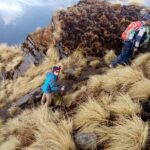
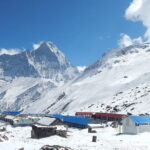
From there, the package is built around classic lodge-based trekking. Your nights are covered (eight nights’ accommodation is included), with the assumption that you’ll eat separately at mountain lodges. Your guide and porters are part of the moving-day rhythm—especially useful if you’re not an experienced trek planner and don’t want to manage permits, scheduling, and load logistics yourself.
The trekking “shape” you should expect:
- You’re moving step by step through altitude with a professional team.
- You’ll have lodging each night covered by the package.
- You’re responsible for meals and drinks daily (not included).
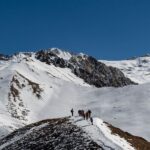
And yes, altitude pacing is the real boss fight here. You’re reaching 13,484 ft, which means even if you’re hiking comfortably, you should take it slow, hydrate well, and follow the guide’s cues. If you try to “power hike” like it’s a casual day walk, you’ll feel it sooner at altitude.
Your Target: Annapurna Base Camp in the Annapurna Sanctuary Bowl
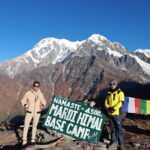
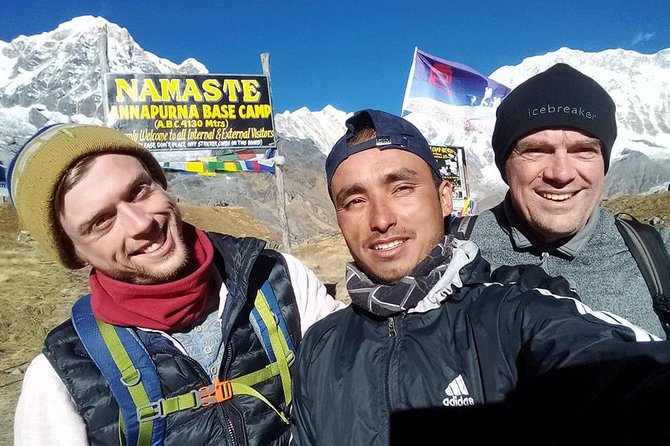
This experience is clearly built around Annapurna Base Camp—often talked about as a gateway into the Annapurna Sanctuary feel. The itinerary is described as a nine-day Annapurna Base Camp package, and that framing tells you the main value: it’s not a one-or-two-day chase for photos. You get enough time for a more natural rhythm, and you’re not rushing through the mountains like it’s a checkbox.
What makes the Base Camp goal so compelling is the “payoff” style ending. You’re working upward through changing views and cooler temperatures, and then you arrive at a place that feels like it belongs to a different world. This trek also includes the key administrative pieces—TIMS Card and Annapurna conservation park permits—so you can spend your energy on the hike, not paperwork.
One consideration: because meals and drinks are excluded, you’ll want to factor in daily costs at lodges. At higher elevations, food variety can be more limited, and prices can move upward. This is normal trekking economics, but it’s still a budget line you should plan for now, not later.
Guide, Porter, and the Small-Group Advantage
You’ll travel with a licensed English-speaking guide plus local native language support from the team. Your porter situation is also clearly defined: porters carry luggage during the trek on a share two people basis arrangement. Translation: you likely won’t have a private porter for only your pack, but you also won’t be carrying everything yourself.
That makes a big difference for two kinds of trekkers:
- If you want to hike comfortably without heavy load stress, this helps a lot.
- If you’re traveling solo or in a small group and aren’t excited about learning the logistics of packing light, the porter setup lowers the hassle.
The names that come up repeatedly in positive team feedback include Gokul (company lead), and trekkers also mention guides such as Kumar, Chhabi, and Prakash, plus a porter named Parkash, and support staff like Asmita. The consistent theme is organization, patience, and clear guidance—especially when plans need to shift.
One thing I’d still keep in mind: the experience is described as having a maximum of 15 travelers. Small groups are great, but you should still be ready for basic group trekking norms: slow walkers, weather changes, and a schedule that flexes a bit to stay safe at altitude.
Gear Included for Cold Nights: Down Jacket and Sleeping Bag (If Needed)
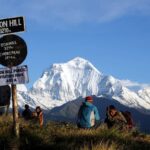
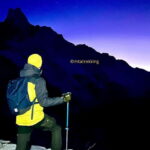
This package includes a down jacket and sleeping bag by Outshine Adventure if necessary. That’s important because cold at altitude isn’t optional. Even if daytime hiking feels fine, night temperatures can drop hard once you’re higher up.
Why I think this is a smart value move: buying or renting gear last minute can cost more than people expect, and it’s easy to get the wrong warmth level. Having the team supply it reduces guessing.
What to do: when you confirm, ask what “if necessary” means for you. If you’re sensitive to cold or you’re arriving from warmer weather, you may want to be proactive.
What’s Included vs Not: The Real Budget Picture
Here’s the core of the value equation. You’re paying $668.66 per person, and the package includes:
- Pokhara/Nayapul/Pokhara pickup & drop by private car
- Best available lodge/guesthouse accommodation during the trek (eight nights)
- Local licensed guide (English plus native language)
- Porter for luggage (share two people basis)
- Annapurna conservation permits + TIMS card
- Down jacket + sleeping bag if necessary
- Government taxes
- Breakfast (listed as 2 breakfasts)
- Staff food, accommodation, insurance, equipment, and medicine (covered in the package)
What’s not included:
- Meals and drinks during the trek
- Tips for trekking staff
- Any other expenses not listed
So is it good value? Usually, yes—because permits, guide costs, and porter logistics are the stuff that can quietly double your total if you try to DIY. You’re also getting cold-weather gear support.
The catch: because meals and drinks are excluded, your final trip cost depends on your eating style. If you’re the type who wants western food, snacks, or frequent hot drinks, you’ll spend more. If you keep meals simple and prioritize fuel, you’ll likely spend less.
Pacing, Permits, and Safety: How the Package Helps You Stay on Track
This is not a “race to the top” trek. Your listed maximum altitude is 13,484 ft / 4,110 m, and the package is built around a professional team plus trekking staff coverage. That matters because altitude safety is about small daily choices: rest, hydration, smart pacing, and following guide advice.
You also get the administrative side handled through permits and the TIMS card. For most trekkers, permits are the least fun part of trip planning. When that’s included, you can focus on what you actually do every day—walk, rest, eat, sleep, repeat.
One more practical point: confirmation is said to happen at booking time, and you need a current valid passport on the day of travel. That’s not glamorous, but it’s the kind of detail that prevents last-minute trouble in Nepal.
Who This Annapurna Sanctuary Trek Is For (And Who Should Rethink It)
This trek suits you if:
- You have moderate physical fitness and you’re ready for real hiking days
- You want a guide-led experience that reduces planning stress
- You prefer lodge trekking over camping complexity
- You want to manage your budget without cutting the essentials (permits, guide, porter support)
It may not be ideal if:
- You only want a short excursion. Even though one duration label looks brief, the trek portion is described as a nine-day Annapurna Base Camp journey.
- You’re hoping meals are included. They aren’t, so you need a food budget.
- You’re looking for high-end lodge standards. This is “best available lodges,” not luxury.
Should You Book Outshine Adventure for Annapurna Base Camp?
If your goal is the Annapurna Sanctuary-style experience—organized support, real trekking, and a setup that covers the costly basics—then I think this is a strong bet. The small group size, the licensed guide, the porter arrangement, and the inclusion of TIMS + conservation permits all point to a “less chaos, more walking” trip. Add the down gear provision if necessary, and you reduce the odds of underpacking for cold nights.
Book it if you’re comfortable covering meals/drinks and tipping separately, and if you’re okay with the fact that the real work is the nine-day trek, not a quick sightseeing burst. Skip or reconsider if you need a meal-included package or you’re not ready for altitude pacing up to 4,110 meters.
FAQ
How high does the trek go?
The maximum elevation listed for this Annapurna Base Camp trek is 13,484 feet (4,110 meters).
Is pickup and drop-off included?
Yes. You get Pokhara / Nayapul / Pokhara pickup and drop by private car.
What trekking gear is included?
The package includes a down jacket and a sleeping bag if necessary.
Are meals and drinks included during the trek?
No. Standard meals and drinks during the trek (mountain portion) are not included. Breakfast is included (listed as 2 breakfasts).
Do you include permits for the trek?
Yes. The package includes Annapurna conservation park permits and a TIMS card.
How big is the group?
The maximum group size is 15 travelers.
Is free cancellation available?
Yes. You can cancel up to 24 hours in advance for a full refund.