REVIEW · CHIANG MAI
Chiang Mai: Doi Suthep Summit Trek – 7 Hour Pure Hiking Adventure
Book on Viator →Operated by Chiang Mai Mountain Biking & Kayaks · Bookable on Viator
The climb feels wild, not touristy, and it pairs jungle hiking with hill-tribe lunch and Wat views. This is a guided trek in Doi Suthep National Park where you don’t have to worry about navigation, because the route is led for you.
What I like most is the structure: you get hotel transfer included, plus a guided pace that keeps the group moving together. The second big win is how much time you spend walking with real scenery—Wat Pha Lat, Wat Phra That Doi Suthep, then onward toward Doi Pui viewpoints and the hill-tribe village.
The main consideration is that this is not a casual stroll. You’ll hike about 12 km, with steep sections and an uphill that can feel demanding even if you’re reasonably fit.
In This Review
- Quick Key Points Before You Go
- Hitting Doi Pui: Why This Trek Feels Different
- Getting There Smoothly: Pickup, Transport, and Start Time
- Stop-by-Stop: What Happens on the Mountain
- 1) Wat Pha Lat and Monk’s Trail: Your Start Point
- 2) The Wat Zone: Wat Pha Lat + Wat Phra That Doi Suthep
- 3) Toward Doi Pui Viewpoints: Jungle Paths and Steeper Work
- 4) Doi Pui View Point: The Before-Summit Moment
- 5) Hill Tribe Village Lunch: Ban Khun Chang Khian
- 6) Return Down: Truck Ride and Optional Temple Time
- The Real Physical Challenge (So You Can Decide)
- What You Get Included: Gear, Water, Safety, and Support
- Hydration and keeping your hands free
- Lunch that matches your diet
- A support truck
- Safety setup
- Temple Moments: More Than Just Photos
- Price and Value: What $60.03 Really Buys
- What to Bring (And What You Don’t Have To Stress About)
- Seasonal Changes to Expect
- Who This Trek Suits Best
- Should You Book This Doi Suthep Summit Trek?
- FAQ
- How long is the Doi Suthep Summit trek?
- What kind of lunch is included?
- Is the Doi Suthep admission fee included in the price?
- What time does the tour start?
- How many people are in the group?
- Is the trek suitable for beginners?
Quick Key Points Before You Go
- Lunch with a hill-tribe community at the summit area (Ban Khun Chang Khian / Doi Pui Mong Hill Tribe Village)
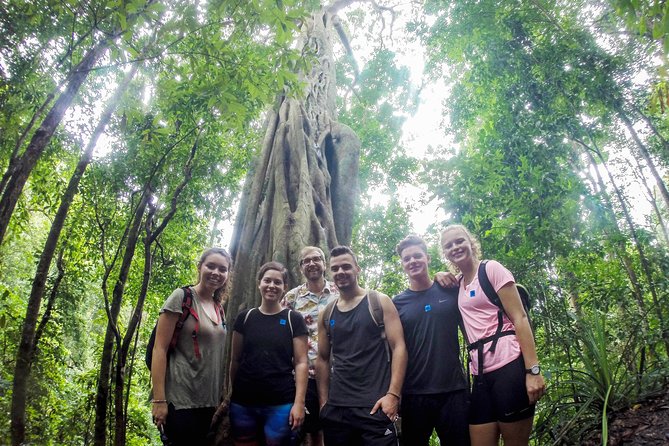
- Guides who keep you on route through jungle paths and viewpoints near Doi Suthep
- Small group size (max 15) with a support truck for breaks and storing valuables
- Vegetarian and vegan lunch options, plus bottled water and hydration support
- Seasonal chance to continue toward the actual peak beyond the viewpoint/village stretch
Hitting Doi Pui: Why This Trek Feels Different
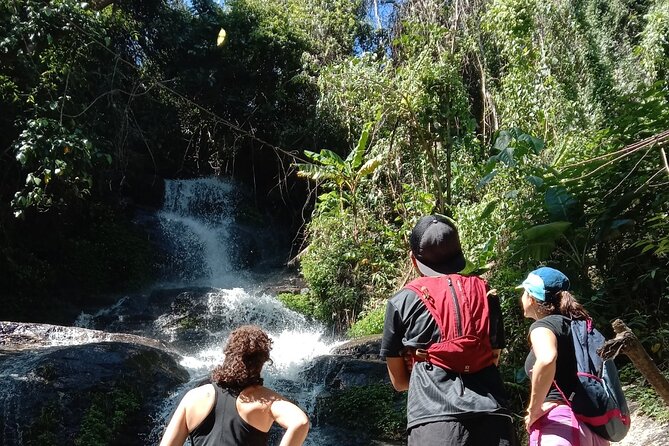
Chiang Mai has plenty of temple trips. This one adds something rare: a true hike through forested hills, with the kind of up-close nature time you can’t replicate by just driving to a viewpoint. The day starts on Monk’s Trail and builds from Wat areas into the highland jungle route toward Doi Pui.
The best part for most people is the balance. You get enough guidance to feel safe and oriented, but you still earn the views with steady walking. It’s also designed for a “travel light” day: lunch and drinks are included, and you’re given hydration gear so you’re not scrambling for supplies mid-trek.
Still, treat it as a workout. Even if you’ve hiked before, you should expect steep inclines and narrow paths at points. If you’re prone to sore knees, go in with that in mind.
You can also read our reviews of more tours and experiences in Chiang Mai.

Getting There Smoothly: Pickup, Transport, and Start Time
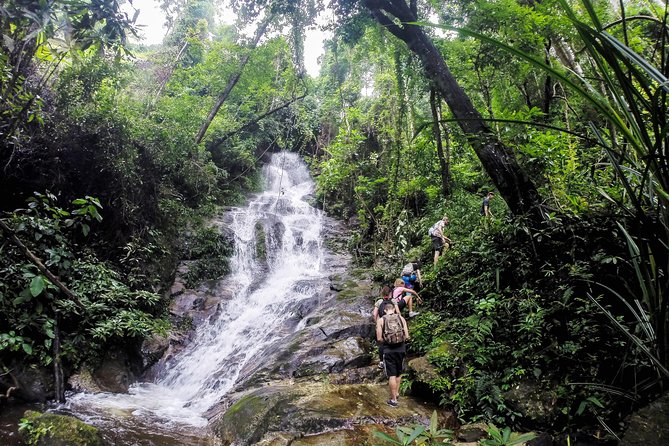
Your day begins at 9:30 am. The good news is that hotel transfer is included, so you don’t need to find your own way to the trail start. Depending on group size, transport is handled by an air-conditioned van (and 4×4 SUVs for smaller groups).
You also get an orientation step before you head out—there’s a Google Earth orientation provided at the pro-shop. It’s a small detail, but it matters. When you can mentally place the route (temples first, then jungle climb), the day feels less random and more like a plan.
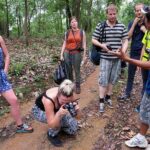
Group size stays controlled: maximum 15 travelers. That keeps the hike from turning into a long, slow line of people stopping every five minutes. It also makes it easier for the guides to stay aware of who needs extra breaks.
Stop-by-Stop: What Happens on the Mountain
The walking day has a rhythm: temple zone, then more climbing into the higher jungle, then a summit-village area for lunch and views, followed by a return down with vehicle support.
1) Wat Pha Lat and Monk’s Trail: Your Start Point
You begin at Wat Pha Lat on Monk’s Trail. This start matters because it puts you in the hillside landscape right away, not after a long drive and a quick photo stop.
Expect an easy-to-moderate first stretch where your legs wake up and your eyes adjust to the forest. This early part is also a good time to settle into the pace with your guide and group.
One thing to know: some sections can feel steeper than you expect later, so don’t burn your energy at the beginning. I’d keep the first portion controlled so you can handle the uphill push when it comes.
2) The Wat Zone: Wat Pha Lat + Wat Phra That Doi Suthep
After the initial hike, you reach the Wat Pha Lat area and continue toward Wat Phra That Doi Suthep. You’ll spend time around the main temple complex—at least about an hour walking and taking in the grounds when the day’s timing fits.
This is where the trek stops feeling like only hiking. The temple area adds context and scale: Chiang Mai’s religious landmark sits in the hills, and the climb makes you feel how the place “belongs” to the mountain.
There’s also practical value here. You get a natural checkpoint to hydrate, adjust your clothing, and do a quick body reset before the harder climb toward Doi Pui.
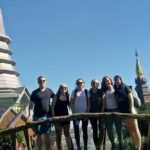
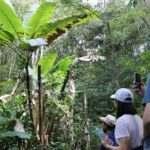
3) Toward Doi Pui Viewpoints: Jungle Paths and Steeper Work
From the Wat area, the hike continues into the lush highland jungle route. The distance is built in stages: you get roughly a two-hour stretch before reaching Wat Doi Suthep, then another two-hour segment pushing onward toward the hill-tribe area.
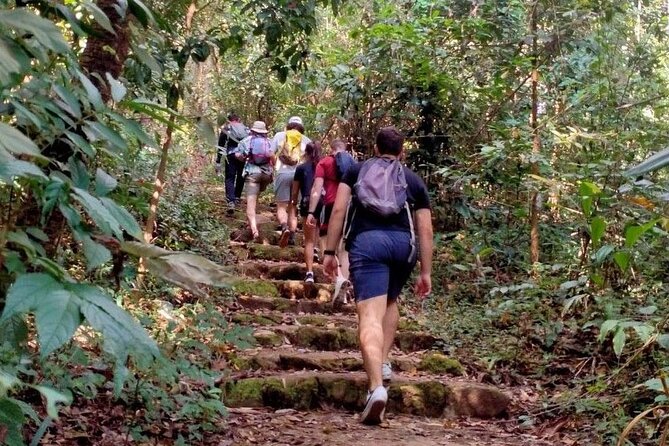
One review detail sticks with me: the uphill can include very steep angles on narrow paths—so even if you’re not “running,” your heart rate can rise quickly. If you’ve ever done a rocky stair climb, you’ll recognize the same burn, just in a more forested setting.
If you’re thinking of going, this is the moment to pack patience into your plan. The guide keeps you moving, but you should expect “breather” pauses when the slope demands it.
4) Doi Pui View Point: The Before-Summit Moment
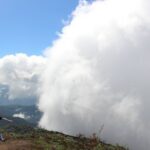
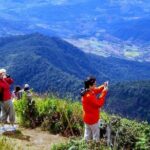
At Doi Pui View Point, you get a pause that’s both scenic and strategic. This is where you can catch a view of the area and understand what you’ve climbed so far.
If your timing allows, you may go onward to the hill-tribe village area next (the core lunch stop). In some seasons, the plan can extend to the actual peak, but that depends on timing and conditions.
5) Hill Tribe Village Lunch: Ban Khun Chang Khian
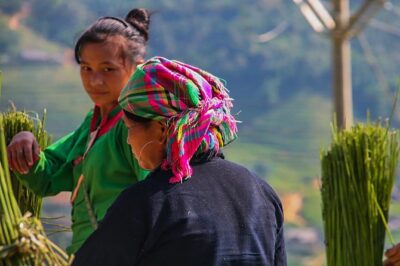
The highlight for many people is lunch with a hill tribe guide at Ban Khun Chang Khian (also referred to as Doi Pui Mong Hill Tribe Village). It’s not a quick snack. It’s the kind of meal where you slow down, take in the setting, and connect the hike to the human side of the mountain.
The lunch is Thai-style and comes with vegetarian and vegan options. You’re also supplied with water and drinks, so you won’t feel like you’re rationing during the most satisfying part of the day.
This stop also gives you something emotional that pure sightseeing doesn’t: you’re stepping into a place that lives beyond the viewpoint. Even if you only have a short window, it adds meaning to the climb.
6) Return Down: Truck Ride and Optional Temple Time
After the summit-area portion, you head back down with a truck ride. This is a big deal because it keeps the day from turning into an exhausting “up-and-down suffering” loop.
There’s also the possibility of a stop at Wat Doi Suthep on the way down so you can explore the temple grounds again and enjoy another view over Chiang Mai.
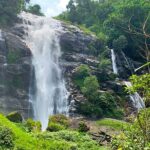
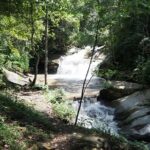
In one review detail, people mentioned waterfalls along the route and seasonal cherry blossoms. You shouldn’t count on either, but it’s a reminder that the mountain route can change with timing and weather.
The Real Physical Challenge (So You Can Decide)
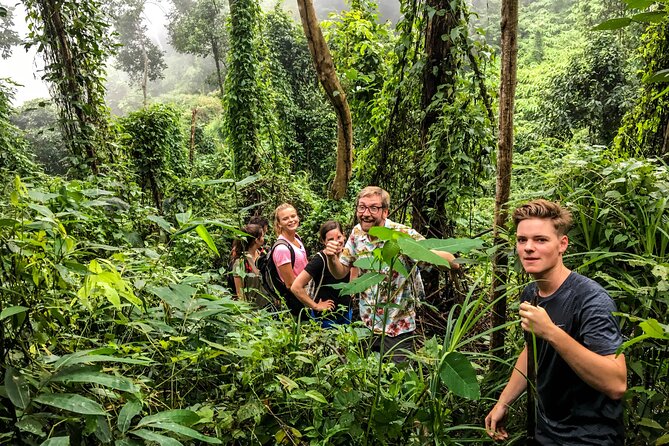
This tour is labeled for moderate fitness, but don’t let that word fool you. The hike is about 12 km, and multiple sections are steep enough that a lot of people feel it in their legs within the first half.
One review noted ascent around 1,000 meters of climbing. Another described frequent very steep inclines on narrow footpaths that required breaks.
Here’s how I’d interpret that for your planning:
- If you can comfortably hike uphill for an hour at a time (with breaks), you’ll likely enjoy this.
- If hills make you wheeze quickly or your knees hate steep steps, you’ll still get through with breaks—but you may feel more stretched than you planned.
- If you’re new to hiking, make this your first real “serious hike,” not your first ever hike. You’ll learn a lot fast.
Also bring realistic expectations. It’s a guided trek, so you won’t be wandering—but you are still earning the views.
What You Get Included: Gear, Water, Safety, and Support
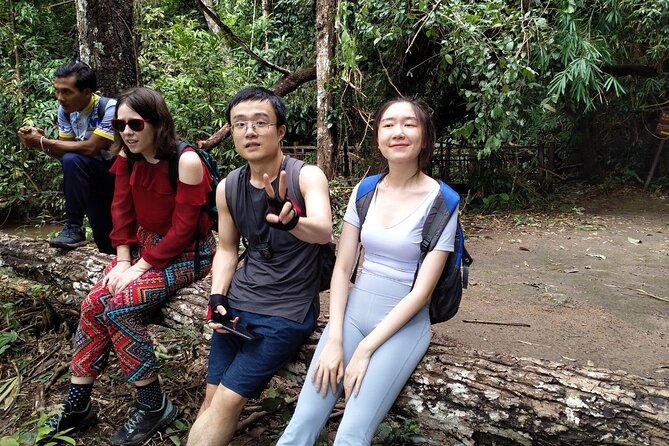
This is one of those tours where the small inclusions actually matter.
Hydration and keeping your hands free
You’re provided a hydration backpack for the excursion, plus water throughout the event (including bottled water). When you’re on steep paths, hydration isn’t optional—you’ll feel better if you sip regularly rather than saving it.
Lunch that matches your diet
Lunch includes vegetarian and vegan options, which is a big plus if you’re traveling with food restrictions.
A support truck
A support truck stands by and includes secure storage for valuables. That’s helpful if you don’t want to carry everything in a daypack.
Safety setup
Instructors are certified in first aid and CPR. That doesn’t mean you should treat safety as a vague promise—it means the team is prepared for issues that can happen on steep trails (blisters, fatigue, heat).
Temple Moments: More Than Just Photos
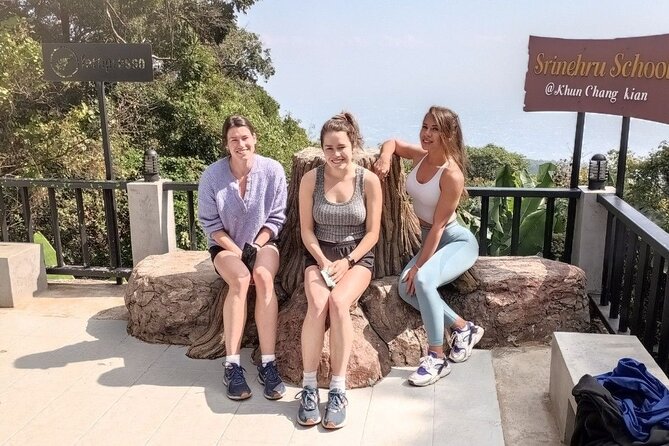
The temple stops aren’t there to pad the day. They give you breaks that reset your body and your mind.
At Wat Phra That Doi Suthep, you get the big iconic landmark experience, but in a way that’s tied to effort. You’re not just looking down from a bus window; you’re arriving after climbing, which makes the place feel more grounded.
Dress matters for temple areas. The day involves hiking, but your clothing needs to be respectful when you’re in temple grounds. If you show up in beachwear, you may spend time adjusting instead of enjoying.
Price and Value: What $60.03 Really Buys
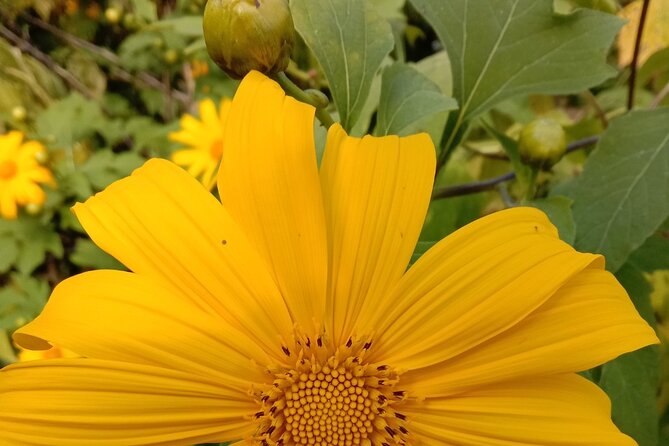
The price is $60.03 per person for a ~7-hour day, and it includes things that normally cost extra on many tours: guided support, hotel transfer, lunch, water, and the support truck.
But there’s one clear extra cost to factor in: the Doi Suthep admission fee is THB 250 per person, and it’s not included.
So the value equation is basically:
- You pay a reasonable base rate that covers the guided hike experience and logistics
- Then you add the temple admission fee on top
For me, the biggest value driver is the combination: guided navigation + a hill-tribe lunch stop + transportation + hydration support. If you tried to piece that together alone, you’d likely spend more time arranging and more money on separate parts.
What to Bring (And What You Don’t Have To Stress About)
The tour encourages you to travel light. That doesn’t mean “show up empty-handed,” though.
Do bring:
- Comfortable shoes with grip for steep, narrow trails
- A small daypack (or let the hydration pack do its job)
- Sun protection, since jungle hikes still catch daylight in breaks and viewpoints
Gear is available at the pro-shop, including light hiking shoes, shorts, and jerseys. So if you’re short on hiking basics when you arrive, you’re not totally stuck.
Seasonal Changes to Expect
Some parts can vary. Trail conditions can change due to weather or park management, though closures are described as rare. If a section isn’t possible, they switch to an alternative route matching the skill level and scenery.
Also, the plan can sometimes extend to the actual peak depending on season and timing. If you’re hoping for the highest possible point, your best strategy is to go into the day ready for a peak attempt when conditions allow—but not treat it as guaranteed.
Who This Trek Suits Best
This is a good match if you:
- Want an outdoor Chiang Mai day beyond temples only
- Enjoy guided hikes where navigation is handled for you
- Like a cultural stop that isn’t just a showroom photo
- Can handle steep uphill sections with breaks
It may be less ideal if you:
- Want a flat walk or a mostly seated sightseeing day
- Struggle with steep incline hiking even at a slow pace
- Are looking to avoid any real physical effort
Should You Book This Doi Suthep Summit Trek?
If you’re trying to get the most authentic mix of hiking + temples + hill-tribe lunch in one day, this is a strong choice. The guided setup, support truck, hydration gear, and planned meal stop add comfort that makes the effort feel worth it.
Book it if you want a challenging-but-manageable mountain day, and you like the idea of reaching viewpoints and a community lunch spot rather than only standing at the end of a road. Skip it if you’re chasing an easy, stroll-around vibe or you know steep trail climbing will be a dealbreaker for your body.
FAQ
How long is the Doi Suthep Summit trek?
The hiking adventure is listed at about 7 hours.
What kind of lunch is included?
Lunch is included, with vegetarian and vegan options available. Drinks and water are also provided during the tour.
Is the Doi Suthep admission fee included in the price?
No. The admission fee for Doi Suthep is THB 250 per person and is not included in the tour price.
What time does the tour start?
Start time is 9:30 am.
How many people are in the group?
The tour has a maximum group size of 15 travelers.
Is the trek suitable for beginners?
It’s recommended for travelers with moderate physical fitness. The route includes steep hiking sections, so it’s best if you’re comfortable with uphill walking for several hours.