REVIEW · MARRAKECH
2 Days Trek to Atlas Mountains berber villages
Book on Viator →Operated by Atlas Imlil Trek · Bookable on Viator
Two days in the Atlas can reset your pace. This trek threads through the High Atlas Mountains and Berber villages near Imlil, with big views, real village stops, and meals handled by the team. You’ll start in Marrakech, hike up to passes around 2020m, and spend the night in a village before dropping back toward Imlil.
My favorite part is the human scale of it: a max group size of 15, plus a local guide who explains the route and meets you with tea and a quick map briefing. I also really like the food setup—dinner, breakfast, and two lunches are included, and the cook handles the long-day refueling so you don’t waste energy on logistics. In guides like Houssaine, Hussein, Hamid, Brahim, and Mustapha, you’ll often find the kind of relaxed confidence that helps you walk at an easy rhythm.
One consideration: you’ll be hiking around 6 hours each day, and the whole plan depends on good weather. If conditions are off, you may shift dates or the day’s route. Also, this is an active trek; if you expect a sit-and-see tour, this won’t feel like that.
In This Review
- Key highlights worth planning around
- From Jemaa el-Fna to the High Atlas: how the trek starts
- Day 1 through Ait Lahcien and up to Tizi n’Tacht (2020m)
- Overnight rhythm: Tizian village and the Azzaden valley vibe
- Day 2 to Imlil valley: Tizzi Mzik and a lunch stop at 2400m
- Guides and pacing: what you’re actually buying
- The real difficulty: fitness, altitude, and what to pack
- Price and logistics: is $104.53 per person fair?
- Who should book this 2-day Imlil-Berber trek?
- Should you book Atlas Imlil Trek for this 2-day Atlas Mountains and Berber villages trek?
- FAQ
- Where does this tour start and end?
- Will I be picked up from my hotel?
- How long is the trek?
- How many people are in a group?
- What’s included in the price?
- Are drinks included?
- What altitude points are included in the hike?
- Is the trek suitable for most travelers?
- What if the weather is bad?
- What is the cancellation policy?
Key highlights worth planning around
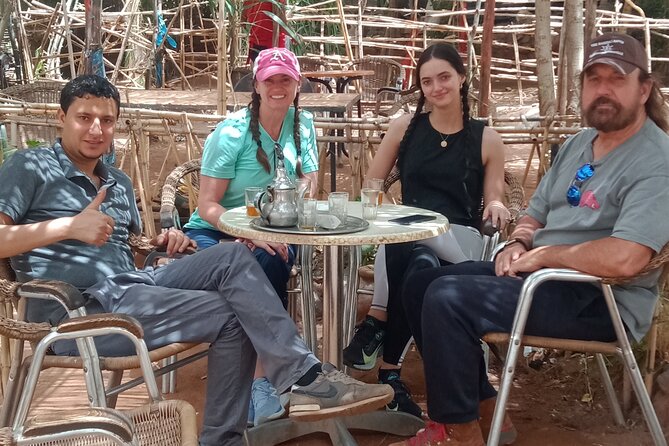
- Tea + map briefing right before the first hike, so you know what you’re walking toward
- Passes and viewpoints at 2020m and 2400m, giving you real altitude without a multi-day grind
- Village-to-village hiking through Ait Lahcien, Tizi n’Tacht areas, and smaller Berber stops
- Included meals all the way through: dinner, breakfast, and two lunches prepared on the trail
- Overnight in Tizian village, which makes day two feel like a continuation instead of a reset
- Up to 15 people, which helps you actually hear your guide and move with your group
From Jemaa el-Fna to the High Atlas: how the trek starts
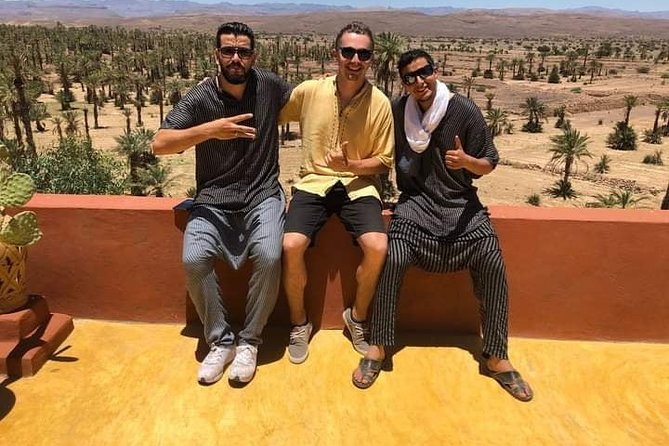
The meeting point is Jemaa el-Fna in Marrakech, and the tour is set up to loop you back there at the end. You can also get picked up from your hotel or from the airport in Marrakech, which is a big help if you’re trying to keep the first day simple.
The day starts with driving out of the city into the High Atlas region. After pickup, you’ll head toward Moulay Brahim gorges—and yes, this is a spot that has appeared in film, including Mission Impossible. Even if you don’t care about movie trivia, this stretch is a good early reminder that Morocco’s variety isn’t just in the medina. The road twists into mountains, and you start swapping city noise for canyon air.
Group size matters here. With a maximum of 15, the guide can keep the pace together without turning the hike into a slow-moving conveyor belt. You’ll also get a welcome cup of tea and a map discussion before you start walking, which sets expectations fast—what the route is doing, how long it is, and what to watch for.
You can also read our reviews of more tours and experiences in Marrakech.

Day 1 through Ait Lahcien and up to Tizi n’Tacht (2020m)
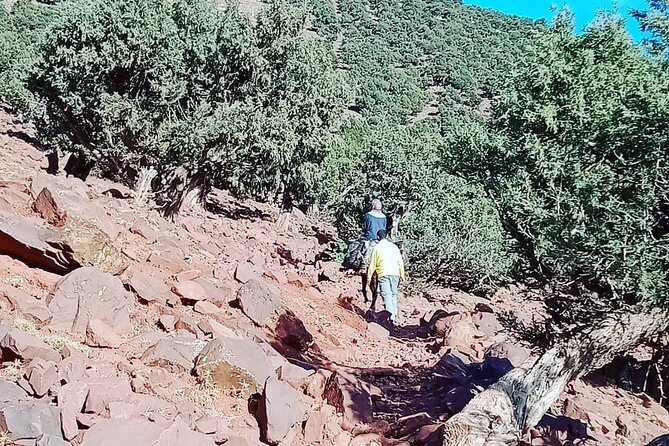
Day 1 begins once you reach Imi oughlad, where your walk starts. Before you climb, you’ll meet your team, drink tea, and review the map with your guide. That small step is surprisingly helpful, especially on mountain treks where the terrain can look confusing from the road.
Then you’re walking through Ait Lahcien village and climbing toward Tizi n’Tacht (2020m). The rhythm is the point: go up, pause, look, keep moving. This is the kind of day where your guide’s pace style makes a difference. People hiking with guides like Houssaine and Hussein often emphasize walking at your own speed, with encouragement when the incline gets real.
Lunch is part of what makes this tour feel worth the money. Instead of a random roadside snack, you’ll stop for a proper meal in nature, with lunch prepared by the cook. After lunch, you may have a short nap if you want—not required, but nice if your legs start complaining early.
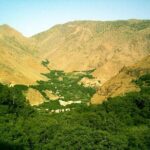
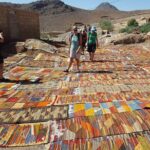
Next comes another hike segment of about two hours via Tahliouin red village, crossing the Azzaden river as you work your way toward Tizian village for the overnight. This is where the “Berber villages” part stops being a marketing phrase. You’re not just passing buildings—you’re moving through lived-in communities along an actual walking route. You’ll likely hear stories and get context on what you’re seeing, especially with guides who are from the Imlil area.
A drawback to keep in mind: Day 1 is long, with roughly 6 hours of hiking. Even if you’re fit, plan for a slow start. And bring your mindset: this is a day for walking and talking, not a race to the highest point.
Overnight rhythm: Tizian village and the Azzaden valley vibe
You’ll end Day 1 in Tizian village after the Azzaden river crossing. The overnight matters because it changes how you experience the mountains. Instead of doing a long out-and-back, you sleep in the zone you walked into, so Day 2 feels like a continuation.
What you can realistically expect at night: village accommodation with a focus on rest after a hiking day. The tour includes dinner and breakfast, so you won’t be scrambling for food after arrival. The itinerary also indicates a full team setup, meaning you’re not on your own once you reach Tizian village.
This is also the moment to reset for a second day at altitude. Drink water when you can, eat what’s offered, and keep your layers ready. Mountain evenings can cool quickly, and having something warm helps you sleep better and hike more comfortably in the morning.
If you’re traveling with family or you want a gentler experience, this overnight structure is a plus. It lets you pace yourself instead of packing everything into a single day.
Day 2 to Imlil valley: Tizzi Mzik and a lunch stop at 2400m
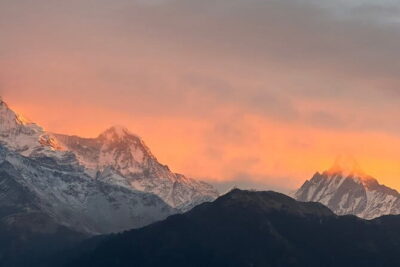
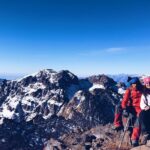
Day 2 moves from the Azzaden valley toward Imlil. You’ll walk via Tizzi Mzik, and there’s another lunch stop high up: lunch on top around 2400m. This part is the payoff zone for scenery—big air, strong mountain light, and the feeling that you’re right in the Atlas, not beside it.
After lunch, the plan shifts into descent. You’ll walk downhill to Imlil valley, which is the starting point for routes leading toward the highest peak in North Africa (Toubkal area). Even if your tour doesn’t summit Toubkal, reaching Imlil valley gives you that “I get it now” perspective. It’s the gateway geography: valleys funnel you into the mountain world, and from here, peaks make sense.
Then you transfer back to Marrakech, ending again at Jemaa el-Fna. If you want to stay longer, the tour notes an option to spend an extra night exploring Imlil further. That’s useful if you’re the type who likes lingering where the hike ends, not just collecting stamps and moving on.
Day 2 also runs about 6 hours of walking. If Day 1 was a lot, you’ll feel it here—especially after lunch when you’re at altitude and then suddenly dropping. This is where supportive footwear and steady steps are your best friends.
Guides and pacing: what you’re actually buying
Let’s talk about what makes this tour feel smooth: the guide-led structure. You get tea and a map early, you get route guidance while walking, and you get a cook-driven meal system that keeps you from spending your energy on hunger and planning.
In the real world, the quality of a mountain trek often comes down to pacing and comfort. That’s why I think this tour scores well when it comes to guides. People describe guides like Houssaine and Hussein as professional, reassuring, and tuned to walking at a comfortable speed. Guides are also often involved in small moments—helping you find your rhythm, taking photos when appropriate, and chatting in a way that makes the walk feel like a shared experience instead of a chore.
Language can matter too. One guide, Hussein, is noted for speaking very good English and French. If you rely on English or French for understanding the route and stories, it’s worth asking who your guide might be during booking or asking the operator directly about language support for your group.
Food is the other big value driver. Dinner, breakfast, and two lunches are included. That means you’re not budgeting meal stops into your hike. It also usually means you’re eating food designed for hikers: warm meals, basic but filling, and timed to your walking day rather than to convenience stores.

The real difficulty: fitness, altitude, and what to pack
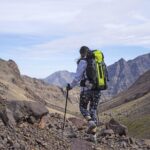
This is a hike tour, not a gentle walk. The itinerary points to multiple long walking segments and totals around 6 hours each day. Elevations reach about 2020m on Day 1 and lunch is at 2400m on Day 2. That doesn’t automatically mean “hardcore,” but you should prepare for sustained effort on trails that can be rocky or uneven.
Here’s how I’d plan your fitness based on the structure:
- If you can handle a brisk hike for a couple of hours with breaks, you’re likely fine.
- If you need to stop frequently or you avoid hills, this might feel tiring fast.
Altitude note: 2000m to 2400m can be noticeable. You might get mild shortness of breath or feel a bit slower, but it’s typically manageable with a steady pace. Your best strategy is to keep your effort smooth and avoid sprinting uphill.
Packing tips that make a big difference on this route:
- Comfortable hiking shoes with solid grip
- Layers for morning and cooler mountain hours
- A small day bag (water, snacks if you want, and a light layer)
- Sunscreen and a hat or cap for bright mountain light
One more practical point: the tour requires good weather. If clouds roll in or trails are unsafe, the operator may change the date or offer a different date/full refund. Keep that flexibility in mind when you plan your Marrakech schedule.
Price and logistics: is $104.53 per person fair?
At $104.53 per person for roughly two days, this is best evaluated as an all-in hike package rather than a “just pay for walking” deal.
What you get that adds real value:
- Guided hiking across High Atlas + Berber villages
- Pickup in Marrakech (where you stay or airport) and transfer back to the meeting point
- Dinner, breakfast, and two lunches included
- An overnight in the village between days
- A small group size (max 15), plus tea and route briefing
What costs extra (and why it’s normal):
- Tips
- Personal travel insurance
- Drinks and shopping
In other words, you’re paying for time, local coordination, meals, and guide labor. If you were trying to recreate this on your own, you’d spend money on transport, guide time, and probably end up with more hassle and more gaps around meals.
So is it fair? For a two-day trek with full meal coverage and village overnight, it’s a solid value—especially if you want the peace of mind of a team handling the mountain logistics.
Who should book this 2-day Imlil-Berber trek?
I’d point this trek at people who want an authentic Atlas experience without turning it into a multi-day expedition. It’s a strong choice if you:
- Want real Berber village scenery and a village overnight
- Prefer a guided setup with meals handled for you
- Can walk for long stretches at a manageable pace
- Like the idea of ending back in Marrakech with no extra planning
It’s also a decent option if you’re traveling with mixed ages or want a social group size that’s not huge. With max 15 and guides used to setting a comfortable pace, the hike can feel more human than athletic.
If you’re expecting luxury comfort, this is not that kind of trek. But if you want a genuine mountain break with good organization, tea, and food that keeps you going, it hits the right notes.
Should you book Atlas Imlil Trek for this 2-day Atlas Mountains and Berber villages trek?
If your ideal Morocco trip includes hiking in the High Atlas plus time in Berber village life, I think this booking makes sense. The included meals and the overnight in Tizian village do the heavy lifting for value, and the route structure gives you a clear two-day arc: climb and village day, then a high lunch and descent back to Imlil valley.
I’d only hesitate if you have limited hiking stamina, you’re very sensitive to uneven ground, or you’re arriving with a tight schedule and no flexibility for weather changes. Since the trek depends on good conditions, being able to shift dates is your best friend.
If that sounds like you, this is the kind of trek you’ll remember for the walking, the tea stops, and the simple fact that you left Marrakech and came back with the mountains still on your mind.
FAQ
Where does this tour start and end?
It starts at Jemaa el-Fna in Marrakech and ends back at the same meeting point.
Will I be picked up from my hotel?
Yes. The driver picks you up from where you stay in Marrakech or from the airport.
How long is the trek?
The duration is about 2 days.
How many people are in a group?
The tour has a maximum of 15 travelers.
What’s included in the price?
It includes dinner, breakfast, and two lunches.
Are drinks included?
No. Drinks and shopping are not included.
What altitude points are included in the hike?
You’ll reach Tizi n’Tacht (2020m) on Day 1, and there’s lunch around 2400m on Day 2.
Is the trek suitable for most travelers?
The tour notes that most travelers can participate.
What if the weather is bad?
The experience requires good weather. If it’s canceled due to poor weather, you’ll be offered a different date or a full refund.
What is the cancellation policy?
Free cancellation is available. You can cancel up to 24 hours in advance for a full refund, and cut-off times are based on local time in Marrakech.