REVIEW · KATHMANDU
Annapurna Base Camp Trek
Book on Viator →Operated by Overland Trek Nepal · Bookable on Viator
Annapurna Base Camp hits you early and hard. This 11-day trek links Kathmandu and Pokhara with the classic route up to Annapurna Base Camp at 4,130m, then eases you back down via bamboo and Jhinu Danda hot springs. You’ll also get pickup, permits, and a real support team, which matters once the days get steep.
I like how this trip handles the big logistics for you: airport transfer, TIMS card, conservation-area permits, and an English-speaking guide on the trail. I also like the practical food plan—tea house nights, plus snacks and fruit dessert—so you’re not stuck guessing what you’ll eat each day while your body adjusts to altitude.
The main thing to consider is altitude and fatigue. Even with a moderate fitness requirement, you’ll be trekking high terrain with long uphill sections, so your pacing and common-sense health decisions are key.
In This Review
- Key things that make this Annapurna Base Camp trek worth your attention
- Annapurna Base Camp: what you’re really signing up for
- Day-by-day route: from Kathmandu arrivals to the ABC summit day
- Day 1: Kathmandu arrival and trekking prep
- Day 2: Kathmandu to Pokhara by tourist bus
- Day 3: Pokhara to Nayapul, then your first real walking day
- Day 4: Ghandruk to Chomrong (or Sinuwa)
- Day 5: Deurali at about 3,230m
- Day 6: Deurali to Annapurna Base Camp around 4,130m
- Day 7: ABC down to Bamboo around 2,310m
- Day 8: Bamboo to Jhinu Danda (hot spring day)
- Day 9: Jhinu Danda back to Nayapul, then Pokhara
- Day 10: Pokhara back to Kathmandu
- Day 11: depart or add extra Kathmandu time
- Getting to and from the trail: transport that actually matters
- Tea houses and meals: what included food really means on a trek
- Guide and porter setup: how support changes your day
- Altitude reality check: pacing from Deurali to ABC
- Price and value: what $1,099 typically covers and what to budget
- Who this Annapurna Base Camp trek fits best
- Should you book this Annapurna Base Camp trek?
- FAQ
- What time does the tour start and where do you meet?
- How long is the Annapurna Base Camp trek?
- Is pickup offered?
- What kind of lodging do you get during the trek?
- Are permits included?
- What meals are included on the trek?
- Do you get porter support?
- Does the itinerary include hot springs?
- What fitness level do you need?
- What happens if the trek can’t run due to weather?
Key things that make this Annapurna Base Camp trek worth your attention
- Permits + TIMS handled: fewer admin headaches before you start climbing.
- Tea house comfort with meal structure: breakfast, lunch, dinner planned on trekking days.
- Porter support (1 between 2 people, basic): your load is lighter than going solo.
- A hot-spring payoff at Jhinu Danda: you’re not just walking out of the mountains.
- English-speaking guide + medical kit: support on the trail, not just transport on paper.
Annapurna Base Camp: what you’re really signing up for
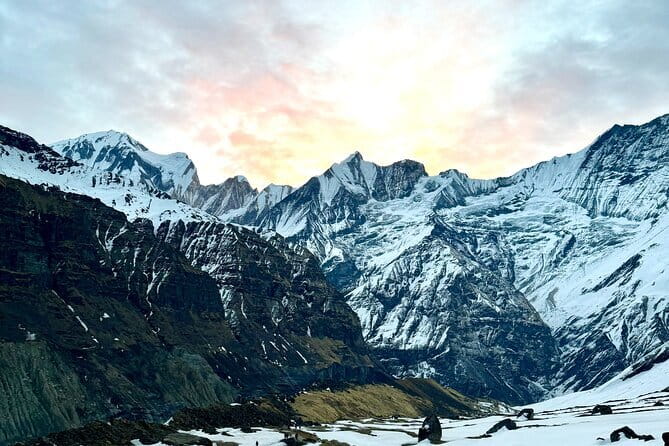
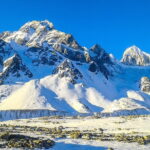
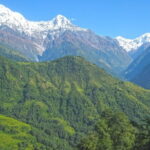
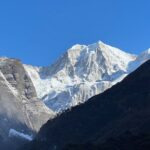
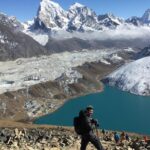
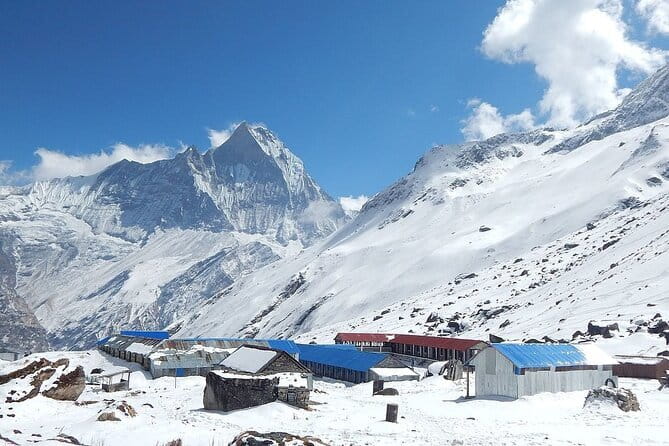
Annapurna Base Camp is one of those treks where the goal is obvious, but the journey is what stays with you. You’re going up through villages and thick mountain scenery, and the views tend to get bigger the closer you get to ABC. If you want the classic Annapurna experience without trying to run your own expedition, this route fits that sweet spot.
What makes this particular version practical is how many moving parts are taken care of. You don’t just show up in Nepal and hope for the best. You get a Kathmandu landing plan, ground transport arranged between major points, and a trek built around tea-house lodging with meals included for trekking days. That removes a lot of stress, especially if you’re traveling during a busy season.
You’re also not doing this as a free-for-all. The trip is private, meaning it’s only your group participating. That matters because it tends to keep the pace and logistics more consistent—fewer random delays from mismatched fitness levels.
One more detail I appreciate: small comforts are baked in. The trek includes a Snickers chocolate for each person during the trek, plus trekking snacks like biscuits/cookies/peanut and fruit as dessert (apple or pomegranate). Those little things are silly—until you’re four hours into a climb and suddenly you remember you brought the good chocolate.
You can also read our reviews of more tours and experiences in Kathmandu.
Day-by-day route: from Kathmandu arrivals to the ABC summit day
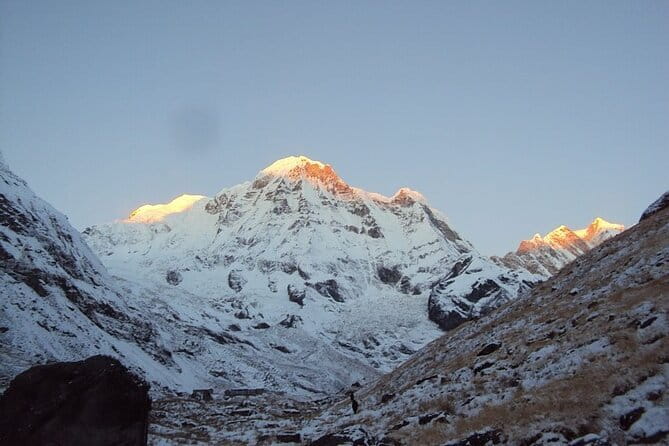
This trek follows the classic Annapurna Base Camp build-up, with enough time to move gradually while still keeping your days active. Here’s how it feels in real terms as you go.
Day 1: Kathmandu arrival and trekking prep
You land in Kathmandu and transfer to a hotel for preparation and overnight. This is where you get your bearings, confirm gear, and plan for early mornings. Kathmandu also gives you that essential adjustment day before the altitude work begins.
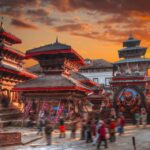
If you arrive with time (or you add a couple days), Kathmandu is a nice place to do light sightseeing or shopping. Just remember: you’ll still want a calm first day so your sleep isn’t wrecked before trekking starts.
Day 2: Kathmandu to Pokhara by tourist bus
You’ll head to Pokhara by tourist bus and overnight there. Pokhara is your launchpad, and the drive helps you shift from city chaos into a more relaxed, mountain-focused rhythm.
A bus day isn’t physically demanding, but it does set the tone: you’ll want to hydrate and keep your legs loose. Long travel days can turn into stiff legs by the time you start trekking.
Day 3: Pokhara to Nayapul, then your first real walking day
From Pokhara, you go toward Nayapul (about an hour and a half by private transport), then start trekking to Ghandruk. At roughly 1,940m, this is a solid first day: enough effort to feel like you’ve started, but not yet the brutal altitude grind.
Ghandruk is a village stop, and that’s a key part of why this route works. You get a human scale to the climb—houses, trails, and the rhythm of people who have been walking these routes for generations.
Day 4: Ghandruk to Chomrong (or Sinuwa)
You trek onward toward Chomrong (around 2,230m) or Sinuwa, depending on how the route runs that day. This is where the trail starts to feel more serious. Expect more uphill sections and more moments where you slow down simply because your breathing changes.
This day is also where you learn your pace. If you treat every steep section like a sprint, altitude punishes you fast. If you walk steady—shorter strides, consistent rhythm—you’ll feel better later.
Day 5: Deurali at about 3,230m
You move from Sinuwa toward Deurali (about 3,230m). This is a classic step in the Annapurna Base Camp plan: higher than before, but still within the range where you can manage it with careful pacing.
Deurali is all about being ready for tomorrow. You’re not just climbing; you’re learning how your body reacts to height while still doing the work of a trekking day.
Day 6: Deurali to Annapurna Base Camp around 4,130m
Now comes the big push to ABC (about 4,130m). This is the day you’ve been working toward, and it’s the reason many people pick this route in the first place.
Even if weather is clear, plan for the fact that conditions can shift quickly in the mountains. Cold air, wind, and thick cloud cover can change what you see. So aim for patience: get there safely, then enjoy the moment when it opens up.
Day 7: ABC down to Bamboo around 2,310m
After the ABC highlight, the trek pivots to descent. You go from base camp down to Bamboo (around 2,310m). That elevation drop can feel like relief, but don’t treat the day as easy. Downhill strains knees and shins, and you’ll still earn every step.
The value here is balance. You’ve reached the goal, and now you’re building recovery through a controlled descent.
Day 8: Bamboo to Jhinu Danda (hot spring day)
This is a fun day: trek onward to Jhinu Danda (about 1,780m), with hot spring time built in. The hot springs are one of the most satisfying parts of the entire ABC trek—your muscles get the message that you’re not just moving for the view.
This is also a great day for eating well. Hot spring days tend to come with better appetite because you’re lower and less taxed by altitude.
Day 9: Jhinu Danda back to Nayapul, then Pokhara
You trek to Nayapul and then travel back to Pokhara for overnight. This is your transition day from mountains to city comfort.
If you want to do laundry or reset your routine, this is the day to do it. You’ll feel human again.
Day 10: Pokhara back to Kathmandu
You head from Pokhara to Kathmandu by tourist transport and overnight in Kathmandu. It’s not a mountain day, so you can breathe easier and prepare for departure.
Day 11: depart or add extra Kathmandu time
Departure to the international airport—or if you have a little extra time, you can stay in Kathmandu to relax, shop, or do sightseeing. This buffer can be a lifesaver if your flight plans are complicated.
Getting to and from the trail: transport that actually matters
I pay attention to logistics on treks because they affect your energy. Here the plan is straightforward: Kathmandu to Pokhara by tourist bus, then Pokhara to Nayapul by private transport, with the return legs also arranged.
Start time is listed at 6:45am, with the ticket redemption point at Serene Himalaya Treks & Expedition, Chaksibari Marg (Kathmandu). That’s early, so plan for a simple breakfast and minimal wandering the night before.
You also get airport pick up and drop by car/van/bus, plus two nights in Kathmandu and two in Pokhara with breakfast included. That’s helpful because it reduces the number of times you have to negotiate taxis, schedules, and meals while you’re still adjusting.
If you’re the kind of person who gets stressed by “getting there,” this is one of the reasons I’d consider booking.
Tea houses and meals: what included food really means on a trek
The trek uses tea house accommodation—basic rooms, shared dining spaces, and the usual mountain simplicity. This is common and, frankly, part of the charm. But it’s still good to know what you’re paying for.
Meals are planned on trekking days:
- Breakfast, lunch, and dinner counts are included (10 breakfasts, 8 lunches, 7 dinners listed).
- You also get trekking snacks like biscuits/oreo cookies/peanut.
- Desert includes fruit such as apple or pomegranate.
- A Snickers chocolate is included for each person during the trek.
For you, the practical benefit is steady fuel. On altitude treks, “good enough” eating keeps you moving. If you rely only on what you can find randomly, you can end up under-eating on critical days.
One thing to budget separately: the listing notes that things like hot water battery charge and some extras aren’t included, along with personal purchases and cold drinks. In many Himalayan trekking areas, you’ll pay for hot showers or hot water by the container. Bring your own refillable bottle and manage expectations.
Guide and porter setup: how support changes your day
This trek includes an English-speaking guide and porter service, listed as 1 porter between 2 people (basic). That’s not the same as hiring a personal porter for each person, but it can still make a noticeable difference—especially if you’re traveling with extra layers or you tend to overpack.
The medical kit is included, and you’ll also have trip certification and staff insurance/medicine listed as part of the company coverage. That helps with safety and professionalism.
One name worth noting from group feedback: Nick is credited with professional organization and energetic, courteous help from the team on an ABC trip. Even if your guide isn’t Nick, you should expect the same general standard: guide-led route management, porter assistance, and someone who keeps the day running on schedule.
Small practical advice: bring a daypack that’s comfortable and light. If you can keep your personal carry under control, the porter arrangement works better and your energy stays where it belongs.
Altitude reality check: pacing from Deurali to ABC
Altitude is the part of the ABC trek you can’t “out-plan.” You can only respect it. The schedule has you trekking up to around 4,130m at ABC, and that’s high enough that rest and pacing matter.
The trek states you should have moderate physical fitness. I’d interpret that as: you can handle uphill walking for several hours, you don’t need to be an athlete, but you can’t be totally new to hiking either.
Here’s what you can control:
- Walk slower than you think you should.
- Don’t chase other people’s pace if you start breathing hard.
- Stay warm and manage hydration.
- If you feel sick, you don’t “push through” out of stubbornness.
The itinerary also includes time in villages and lowers again after reaching ABC, which helps you recover as you move toward Bamboo and then Jhinu Danda.
If you’ve never trekked at altitude before, consider training on steep hills at home. Even a few weeks of stair sessions and long walks can make a big difference in how your knees and lungs handle day five through day seven.
Price and value: what $1,099 typically covers and what to budget
At $1,099, this trip looks like it’s in the midrange for a guided Annapurna Base Camp experience that includes permits and transport. The value shows up in what’s included:
Included highlights:
- Airport pickup and drop
- TIMS card and Annapurna conservation-area permits
- English-speaking guide
- Tea house accommodation during the trek
- Porter support (split between two people)
- Medical kit
- Two nights in Kathmandu and two nights in Pokhara with breakfast
- Ground transportation legs between cities and trailheads
- Meals on trekking days (breakfast/lunch/dinner counts)
- Snacks and fruit dessert
- Company duffel bag and a T-shirt
Not included (you’ll need to plan for these):
- Nepal entry visa fee
- International airfare
- Travel insurance and emergency evacuation cost
- Lunch and dinner during Kathmandu and Pokhara stays
- Personal gear, water bottle, cold drinks
- Tips for guide and porter (tipping is expected)
- Some trekking-side charges like hot water/battery charge and other incidental expenses
My take: the price is worth it if you want structure and you’d rather not handle permits, coordination, and the day-to-day logistics yourself. If you’re already carrying all gear and are comfortable arranging guides and permits, you could possibly lower your cost—but the hassle factor goes up fast.
Plan a small extra budget for tips and occasional purchases. It keeps your trip smooth and respectful toward the people who do the work.
Who this Annapurna Base Camp trek fits best
This is a good match if you:
- Want the classic ABC route with a structured plan
- Prefer guided trekking over DIY navigation
- Like the idea of tea house nights instead of camping
- Want support from an English-speaking guide and porter help
- Appreciate a more relaxed finish with Jhinu Danda hot springs
It might be less ideal if you:
- Want full independence without guides and set meals
- Expect a luxury standard of rooms (tea houses are basic by design)
- Are very sensitive to cold and hot-water charges (you may pay extra for hot water depending on conditions)
- Need medical or evacuation coverage included in the price (it isn’t)
If you’re somewhere in the middle—curious, fit enough, and happy to follow a plan—this style of trek usually hits the sweet spot.
Should you book this Annapurna Base Camp trek?
I’d book it if you want a well-run route up to Annapurna Base Camp, with the key elements handled: permits, TIMS, guide support, porter assistance, and a clear rhythm of walking and recovery. The hot spring day at Jhinu Danda is a smart reward after the uphill slog, and the included snacks and fruit dessert are a small but real morale boost.
Before you commit, double-check what matters most to you:
- Can you manage altitude with slow pacing?
- Are you comfortable with tea house accommodations?
- Have you planned for tips, travel insurance, and personal expenses?
If you can answer yes, this trek is a strong way to experience Annapurna without turning your vacation into a logistics project.
FAQ
What time does the tour start and where do you meet?
Start time is listed as 6:45am, and the ticket redemption point is Serene Himalaya Treks & Expedition at P896+27M, Chaksibari Marg, Kathmandu 44600, Nepal.
How long is the Annapurna Base Camp trek?
The duration is listed as 11 days (approx.).
Is pickup offered?
Yes, airport pick up and drop are included, and pickup is offered.
What kind of lodging do you get during the trek?
You stay in tea house accommodation during the trek.
Are permits included?
Yes. The Annapurna conservation area trekking entry permits are included, and the TIMS card is included as well.
What meals are included on the trek?
Breakfast, lunch, and dinner are included on trekking days (breakfast is listed 10 times, lunch 8 times, and dinner 7 times). Snacks and fruit dessert are also included as described.
Do you get porter support?
Yes. Porter service is included as 1 porter between 2 people (basic).
Does the itinerary include hot springs?
Yes. Day 8 includes trekking to Jhinu Danda with hot spring time.
What fitness level do you need?
The trip says you should have moderate physical fitness level.
What happens if the trek can’t run due to weather?
The experience requires good weather. If it’s canceled due to poor weather, you’ll be offered a different date or a full refund.