REVIEW · KATHMANDU
Langtang Valley Trekking
Book on Viator →Operated by Everest Trekking Routes Pvt. Ltd. · Bookable on Viator
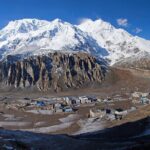
That first view of the Langtang peaks sticks with you. This 10-day trek from Kathmandu to Kyanjin Gompa packs big mountain drama into a relatively shorter Nepal schedule, with river walks, rhododendron forest trails, and a warm local feel in the Langtang region. You also get a smooth “show up and go” setup: pickup in Kathmandu, permits handled, and daily guidance that keeps the focus on the trail.
Two things I really like here are the rest day at Kyanjin Gompa (you’re not just rushing through), and the fact that meals plus teahouse-style lodging are built into the plan for most days. It makes planning easier, and you can spend your energy on walking instead of spreadsheets.
One drawback to consider: you’re still going high. Day 6 includes an optional climb to Chorkari Ri (5,050m), and altitude can hit even when the route feels “moderate” on paper.
In This Review
- Key points to know before you go
- Langtang Valley: a shorter trek that still feels like a full adventure
- Price and value: why $750 can make sense here
- Day 1 in Kathmandu: a quick valley intro and an easy start
- Getting to Syabrubesi: Dhunche, Trishuli Bazaar, and the start of real Nepal miles
- Syabrubesi to Lama Hotel: riverside walking and the gradual climb
- Rhododendron forest and Ghoda Tabela: a plant-filled pause before Langtang Village
- The crucial ascent to Yamphu and the icefall viewpoint
- Day 6 at Kyanjin Gompa: monastery visit, cheese factory, and optional Chorkari Ri
- Days 7–8: heading back to Lama Hotel, then down to Syabrubesi
- Back to Kathmandu: rest day logic that actually helps
- Your guides and porters: what support looks like on the trail
- Lodge life on the Langtang trail: simple, practical, and part of the charm
- The best fit: who should choose this trek
- Should you book the Langtang Valley Trek with this operator?
- FAQ
- How long is the Langtang Valley trek?
- What does the price include?
- Are meals included during the trek?
- What permits are covered?
- How do you travel between Kathmandu and the start of the trek?
- Is private jeep transport included?
- Who provides the trekking support?
- What should I do if the weather is poor?
Key points to know before you go
- A real Kyanjin Gompa day means more time for monastery views and the cheese-factory stop, not just a quick photo stop
- Syabrubesi to Lama Hotel is a classic river-and-forest intro, including a crossing of the Bhote Koshi
- Ghoda Tabela is a plant-and-flower highlight on the wooded rhododendron/Pine section
- Your trek permit and TIMS are included, so you’re not chasing paperwork mid-trip
- Porter support is built in (1 porter for 2 people), which matters once you’re carrying less and climbing more
- Guides coordinated through Everest Trekking Routes can include people like Phul Gurung, Sandesh, Veer, Suk, and Bal, based on prior Langtang trek feedback
Langtang Valley: a shorter trek that still feels like a full adventure
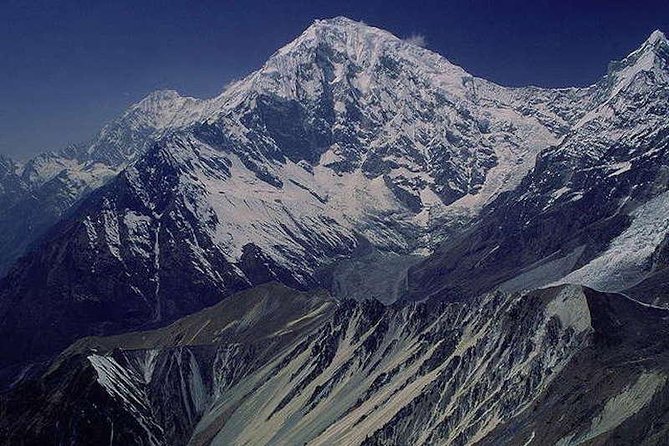
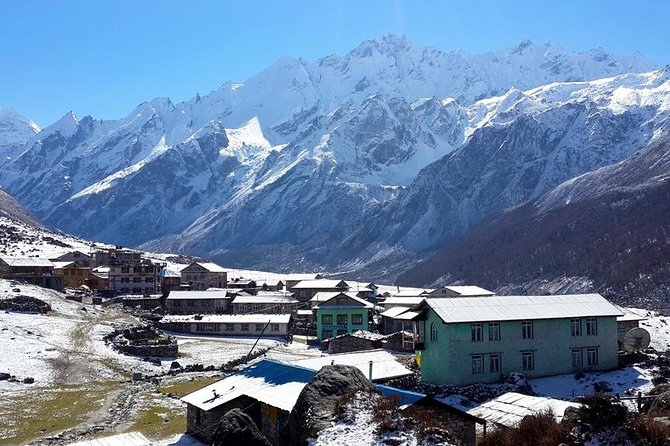
The Langtang Valley sits north of Kathmandu, in Nepal’s Langtang region, where the mountains feel close and the trail rhythm is easy to follow. This trek is shorter than some big-name routes, so it’s a strong choice if you want real trekking without spending weeks away from home base.
What I like about this route is the mix. You’ll walk along major rivers early on, then move into forested sections with rhododendron and pine, and later step into higher altitude scenery around Langtang Village and Kyanjin Gompa. Even the towns you pass through, like Dhunche and Syabrubesi, help you feel the journey is moving through places, not just up and down.
Keep one thing in mind: shorter usually means denser. You’ll still climb enough that good pace and simple altitude sense matter.
You can also read our reviews of more tours and experiences in Kathmandu.
Price and value: why $750 can make sense here
At $750 per person, this trek earns its keep because a lot of the usual costs are bundled in.
Here’s what’s included based on the package details you provided:
- Airport/hotel/airport transfer in Kathmandu by private vehicle
- Kathmandu hotel for 2 nights (3-star, breakfast included on a BB plan)
- Express bus Kathmandu ↔ Syabrubesi
- Permits: Langtang National Permit and TIMS
- Guide (experienced, English-speaking)
- Porters: 1 porter for 2 people
- Trekking accommodation in lodge/tea houses during the trek
- Meals during the trek: 8 breakfasts, 8 lunches, 7 dinners, plus a cup of tea or coffee with the meals (as specified)
What’s not included also matters for your budget:
- Meals and extra hotel nights in Kathmandu beyond the included 2-night stay
- Private jeep (optional) listed at USD 150 per way
- Personal expenses (like bar bills, bottled drinks, hot water)
- Tips for guide/porters/driver
So the value story is simple: you’re paying for logistics, permits, and human support that can lower stress. If you’ve ever tried to DIY a trek and then realized permits + lodging + guide time are a whole job, this package can feel like the sane option.
Day 1 in Kathmandu: a quick valley intro and an easy start
After you land, you’re driven to your Kathmandu hotel, with time for a brief look at the city. The route includes a pass by Pashupatinath Temple, and the drive is listed as about 15–20 minutes.
This first day is meant to set your bearings fast. You’re not hiking, and that’s the point. You’ll likely still feel travel fatigue, so having transfers handled helps you settle in instead of negotiating.
You’ll also be in a Kathmandu hotel setup for two nights (breakfast included), which gives you a place to rest before you head out toward the mountains.
Getting to Syabrubesi: Dhunche, Trishuli Bazaar, and the start of real Nepal miles
Day 2 is mostly about moving from Kathmandu’s streets into hill-country. You’ll drive out along north-western hills with views of the giants of the Himalaya, plus short glimpses into daily rural life.
The route passes Trishuli Bazaar before reaching Dhunche. From there, you continue to Syabrubesi, where you’ll sleep at a guesthouse.
This is a good “first contact” day because it gives you mountain perspective without asking your legs to do heavy work yet. The drive is also long enough to help you feel you’re leaving the city for good.
Syabrubesi to Lama Hotel: riverside walking and the gradual climb
Day 3 starts with a walk from Syabrubesi. You cross the Bhote Koshi River, then continue along the Langtang River, gradually climbing through places like Bamboo and onward toward Ramche at about 2,400m.
The itinerary lists about 5 hours from Syabrubesi to Lama Hotel. Along the way, you may spot wildlife in forested areas, including wild monkeys and the chance of seeing red pandas (plus other animals).
What I like about this day is how it eases you into altitude. It’s not a straight grind upward; it’s more of a steady “keep moving” trek, which helps your body adjust. Also, the river-trail feel makes the hike more than just a climb.
One practical note: lodge days are easier when you reach the next stop with enough energy to eat and hydrate well. On Day 3, don’t treat it like a speed contest.
Rhododendron forest and Ghoda Tabela: a plant-filled pause before Langtang Village
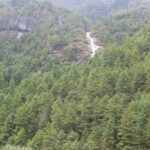
Day 4 is a lighter-feeling walking day on wooded trails. You’ll follow paths through rhodoodendron blossoming and pine trees, then pass Ghoda Tabela.
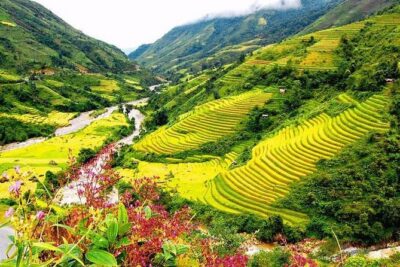
That stop stands out because it’s described as lush and flower-filled—plants like foxgloves and red poppies are called out, and it’s a nice change from rock-and-dirt hiking.
From there, you walk about 3 hours more, then head past Langtang Village (at 3,455m) toward Mundu. You’ll overnight at a guesthouse.
This is one of the days where you get to slow your pace and actually look around. If you’re the type who gets lost mentally on climbs, this is a good day to practice being present.
The crucial ascent to Yamphu and the icefall viewpoint
Day 5 is the “get ready for wow” day. You start from Langtang Village, trek to Sindum, and then continue to Yamphu (3,640m).
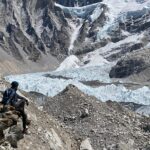
You’ll cross the Laja River and ascend to a viewpoint where you can see icefalls gushing from Langtang Lirung, plus views of Kyanjin Gompa. From Kyanjin Gompa, the scenery expands—Mt. Gangchempo, Mt. Langtang Lirung, and more are listed as visible from the area.
This day is crucial because it connects you from village trekking into the high-mountain bowl where Kyanjin sits. It’s also where pacing matters most. If you start too fast, altitude fatigue and breathlessness can turn the final stretch annoying.
My practical advice: plan on consistent steps, not dramatic surges. If you need to stop, stop. The mountains aren’t going anywhere.
Day 6 at Kyanjin Gompa: monastery visit, cheese factory, and optional Chorkari Ri
Day 6 is your rest day. The itinerary explicitly frames it as time to explore Kyanjin Gompa rather than keep pushing.
You can visit the monastery and the cheese factory. That’s a nice reminder that this is a living community, not just a staging area for summit dreams.
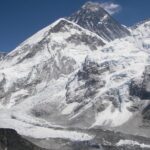
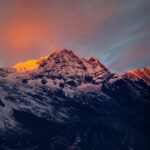
Then there’s the optional climb to Chorkari Ri (5,050m) behind Langtang Village, with “beguiling views” of ice walls and the broader Langtang Himalayan Range. The itinerary lists Langshisa Ri (6,810m), Langtang Lirung (7,244m), Ganjala peak, and Gyangchempo (6,888m) among the visible peaks.
Here’s how you should think about this day:
- If you want the views but also want to respect altitude, treat Chorkari Ri as optional training, not a requirement.
- If you’re feeling good, you’ll likely love the viewpoint payoff. You’ll also get a better sense of why Kyanjin is such a magnet.
Even on a rest day, you’re still in the altitude zone. Hydrate, eat well, and don’t gamble with “I’ll feel fine later.”
Days 7–8: heading back to Lama Hotel, then down to Syabrubesi
Day 7 is a return trek from Kyanjin Gompa down to Lama Hotel, taking around 6 hours. This is the “recover your legs” day in reverse. Your brain remembers the path, and that makes the walking feel easier than Day 5.
Day 8 continues the descent, taking around 6 hours to go from Lama Hotel to Syabrubesi. Nights are in guesthouses again.
On these two days, your main job is to control your downhill pace. Descents feel great for views and for bragging rights, but knees often protest later. Take shorter steps, keep your weight controlled, and let gravity do the work without letting your feet run ahead.
The good news is you’re walking more than scrambling, so the route feels manageable when you keep it steady.
Back to Kathmandu: rest day logic that actually helps
Day 9 is travel back to Kathmandu by drive from Syabrubesi, listed around 7 hours. The rest of your time is set aside to rest at your hotel, with breakfast included.
Then Day 10 ends the experience: an Escape Himalaya representative escorts you to the airport for your departure, and breakfast is included.
Why I like this ending structure: you don’t leave immediately after the last downhill step. You get a real reset. After days of walking, even a hotel bed can feel like a small luxury.
Your guides and porters: what support looks like on the trail
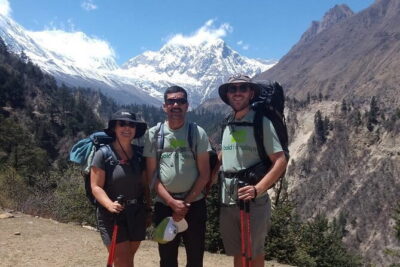
One of the strongest parts of this trekking style is the human setup. You’re traveling with an English-speaking trekking guide plus a porter system listed as 1 porter for 2 people.
In the trek feedback you provided, the company’s guide team includes people like Phul Gurung, Sushil, Sandesh, Veer Gurung, Suk, Bal, and Bolen—and the common theme is patient support, good communication before the trip, and real care on ascent days.
If you’re thinking about comfort and pace, this matters. A guide can help you adjust timing and keep you from rushing into fatigue. A porter can reduce how much you’re carrying, especially once the air gets thinner.
It also helps if you’re nervous about your fitness level. The trek is listed for moderate physical fitness, but moderate doesn’t mean “effortless.” It means you can do it with smart pacing and support.
Lodge life on the Langtang trail: simple, practical, and part of the charm
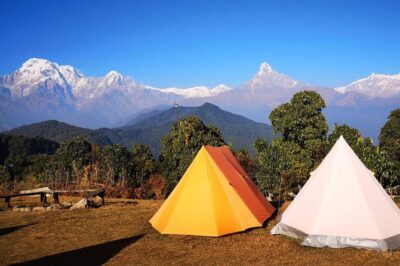
Your overnight stays during the trek are in lodge/tea houses. That’s the usual trekking rhythm in Nepal: simple rooms, shared spaces, and food that’s designed for hikers.
Because meals are included for most trek days (8 breakfasts, 8 lunches, 7 dinners with tea/coffee), you’re not constantly making choices under time pressure. It’s a small thing, but it keeps the day flowing.
For your packing list, plan for cold evenings as altitude rises. Even if your days feel manageable, night temperatures in higher places can be a surprise. If your feet get cold, everything else feels harder.
The best fit: who should choose this trek
This is a great match if you want:
- A 10-day trek that still includes the iconic Kyanjin Gompa experience
- A route with time to rest instead of one long push after another
- Support that includes guide + porter + permits + most meals
- Mountain views without planning a multi-week trip
It’s also worth considering if you like the idea of mixing nature with culture—monastery stops, village passes, and the cheese-factory visit all signal it’s not only about peaks.
Should you book the Langtang Valley Trek with this operator?
If you want an organized Langtang trek that handles permits, guides you through the altitude plan, and gives you time at Kyanjin Gompa, I’d say yes. The pricing is often fair for what’s included—especially with meals, lodging, permits, guide, and porter support folded into the package.
I’d only hesitate if:
- You know you’re very altitude-sensitive and you’re not comfortable with the higher day around Chorkari Ri (5,050m)
- You’re hoping for a fully private transport plan all the way (the itinerary uses express bus and a private jeep is listed as a paid option)
If you book, go with a calm mindset: steady walking wins here. You’ll earn the big views the same way locals do—one step, one tea break, one mountain-hour at a time.
FAQ
How long is the Langtang Valley trek?
The trek is listed as 10 days (approx.).
What does the price include?
The package includes airport/hotel/airport pickup and drop in Kathmandu, Kathmandu hotel for 2 nights with breakfast (BB plan), express bus between Kathmandu and Syabrubesi, permits (Langtang National Permit and TIMS), a guide, porter support, lodge/tea house accommodation during the trek, and most trek meals (8 breakfasts, 8 lunches, 7 dinners with tea/coffee).
Are meals included during the trek?
Yes. The trekking meals listed are 8 breakfasts, 8 lunches, and 7 dinners, with a cup of tea or coffee.
What permits are covered?
You’re covered for the Langtang National Permit and TIMS permit.
How do you travel between Kathmandu and the start of the trek?
The plan uses express bus for Kathmandu to Syabrubesi and Syabrubesi to Kathmandu.
Is private jeep transport included?
No. A private jeep is listed as an add-on at USD 150 per way (Kathmandu to Syabrubesi).
Who provides the trekking support?
You’ll have an experienced English-speaking guide and porters. The porter arrangement is listed as 1 porter for 2 people.
What should I do if the weather is poor?
The experience requires good weather. If it’s canceled due to poor weather, you’ll be offered a different date or a full refund (as stated in the provided information).