REVIEW · IMLIL
Climb Toubkal: 2-Day Atlas Trek with Local Berber Guide
Book on GetYourGuide →Operated by Atlas Mountains Hikes · Bookable on GetYourGuide
Toubkal is a short hike that hurts. In two days from Imlil, you’ll tackle North Africa’s highest peak with a local Berber guide, mule help for your bags, and a real feel for mountain village life along the way. The views are the payoff, but the human details are the story, especially when your guide is someone like Hussein who reads the terrain and the weather like second nature.
What I liked most: you get the summit of Mount Toubkal (4,167 m) plus those classic 360-degree Atlas views, and you also get Berber culture in a practical, lived-in way—village stops, local meals, and time in a base camp/refuge setting rather than a rushed photo sprint. It feels more personal, not like you’re just herded up and down.
One possible drawback: this is a serious physical climb, and the second day starts early and moves fast in steep, rocky sections—so if you’re not comfortable hiking for hours in cold mountain conditions, you’ll feel it.
In This Review
- Key Things I’d Tell You Before You Go
- Mount Toubkal in Two Days: What Makes This Trek Worth It
- Imlil to Toubkal Refuge: Day One’s Best Moments (and Its Real Work)
- Summit Push at Dawn: What Day Two Actually Demands
- Berber Villages, Base Camp Visits, and the Included Meals
- Pace, Group Size, and Why the Guide Makes the Difference
- Gear, Weather, and Fitness: Your Checklist for Staying Comfortable
- Price and Value: Why $193 Can Make Sense Here
- Practical Logistics: Pickup, Timing, and What to Expect in Your Day
- Should You Book This Toubkal Trek? My Honest Take
- FAQ
- Where does the 2-day Toubkal trek start?
- What is included in the tour price?
- Do I need to bring hiking equipment?
- Is crampons required?
- What languages will the guide speak?
- Is this trek suitable for kids or older adults?
Key Things I’d Tell You Before You Go
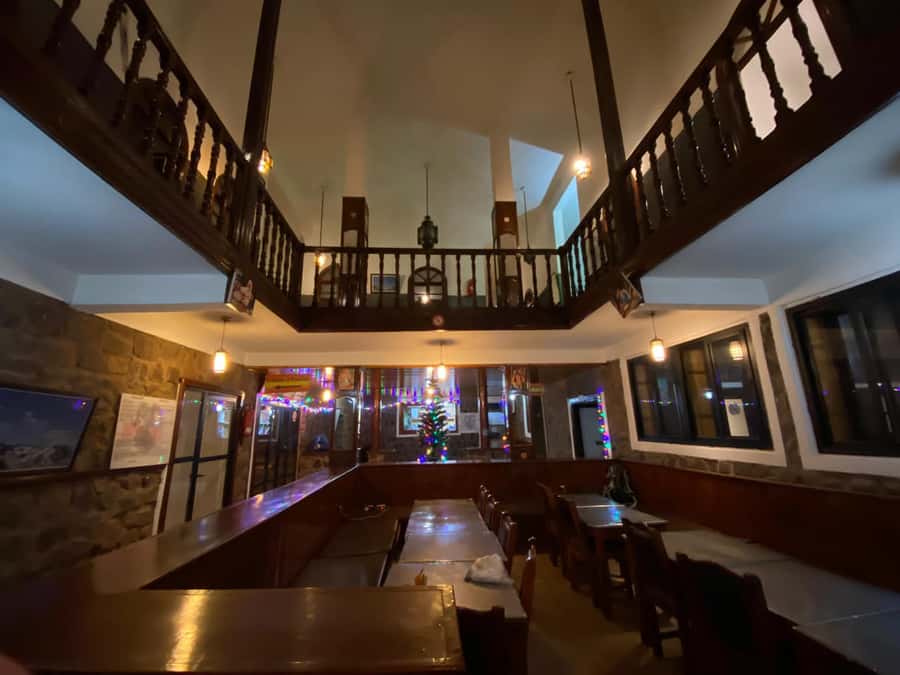
- Reaching 4,167 m on Mount Toubkal with big summit-time views
- Local guide time with Hussein (English/French/Arabic/Spanish supported) and culture talk on the trail
- Mule support for heavy bags plus local food included for all meals
- A night at the refuge/base camp so you’re not scrambling logistics at the worst possible moment
- Early-morning summit push that can include cold, rock, and snow/ice depending on season
- Winter gear expectations: crampons may be required when snow is on the peak
Mount Toubkal in Two Days: What Makes This Trek Worth It
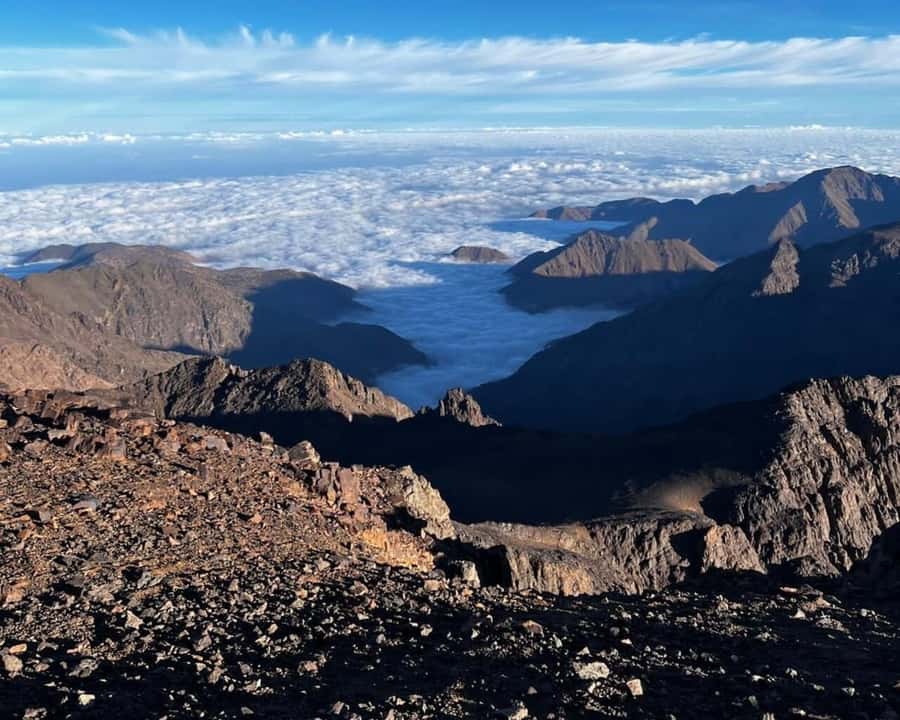
Mount Toubkal is famous for a reason. You’re climbing the highest point in North Africa, and the day-by-day structure makes the goal feel achievable instead of just intimidating. You start in the Imlil area near Marrakech, then you work your way up into higher pastures and rocky terrain until the summit day finally arrives.
What makes this experience more than a workout is the way it’s organized around real mountain life. You’ll move through small villages and valley paths where locals live with the seasons, the altitude, and the work of hauling water and supplies. And because the trek includes meals (and a mule for your bags), you can focus on walking rather than carrying everything.
The other big reason I like this format: it’s guided and paced. This is one of those hikes where “pace” is survival. In the better setups, your guide keeps you moving steadily and checks in on how you’re doing, especially when the trail turns rough or when the cold bites.
Imlil to Toubkal Refuge: Day One’s Best Moments (and Its Real Work)
Day one begins in/near Imlil, about 90 minutes from Marrakech. You’ll meet your local guide and mule team, then start walking through valley paths that gradually get steeper and more dramatic. The first part of the climb is where you’ll feel the shift from cultivated fields and village life to high-mountain terrain.
This is also where the experience starts to feel personal. Your guide (often Hussein) takes time to explain Berber culture and day-to-day traditions as you pass through villages and see how people adapt to mountain life. One practical upside: you’re not just staring at scenery—you’re learning what you’re looking at as you go.
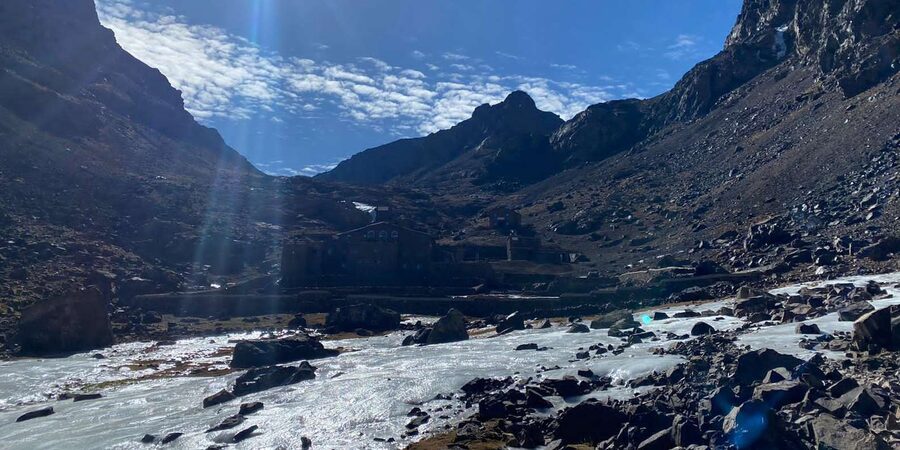
You’ll stop for lunch on the trail and then continue upward. When you reach the Toubkal Refuge area (around 3,200 m), you get the first major panoramic views of the Atlas peaks and valleys. After settling in, you’ll eat a traditional Berber dinner and have time to rest before the summit attempt.
A key detail: the refuge/base camp night is part of the experience. You’re preparing for an early start, not just “sleeping somewhere.” Based on past groups, conditions can be noisy and sleep may be fitful—so bring what you need to rest (and if you’re the type who likes earplugs, pack them).
Summit Push at Dawn: What Day Two Actually Demands
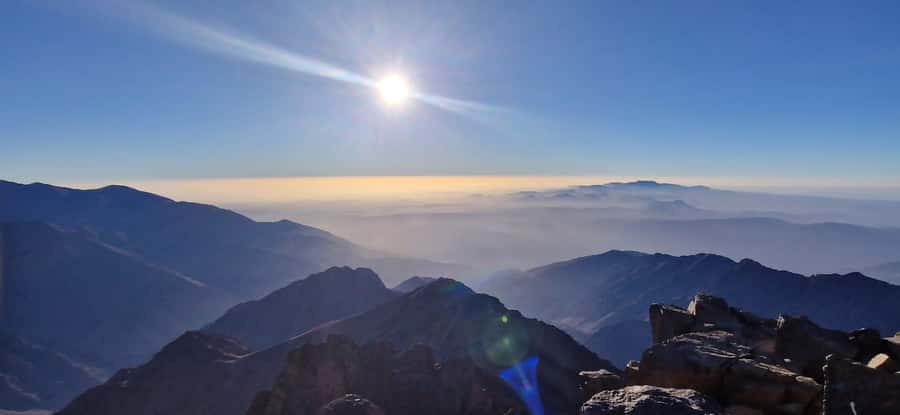
The second day is built around one thing: summit timing. You’ll start very early (often around 3 a.m.), because you need daylight and stable footing to climb, reach the top, and descend safely.
The climb is steep and rocky, and stamina matters more than speed. You’ll gain altitude hour by hour, moving through rough sections where trekking poles can help, and where staying warm is as important as staying focused. If you’re hiking in colder months, snow can appear on higher sections, and crampons may be required depending on conditions. Your guide will set expectations based on what’s on the route that day.
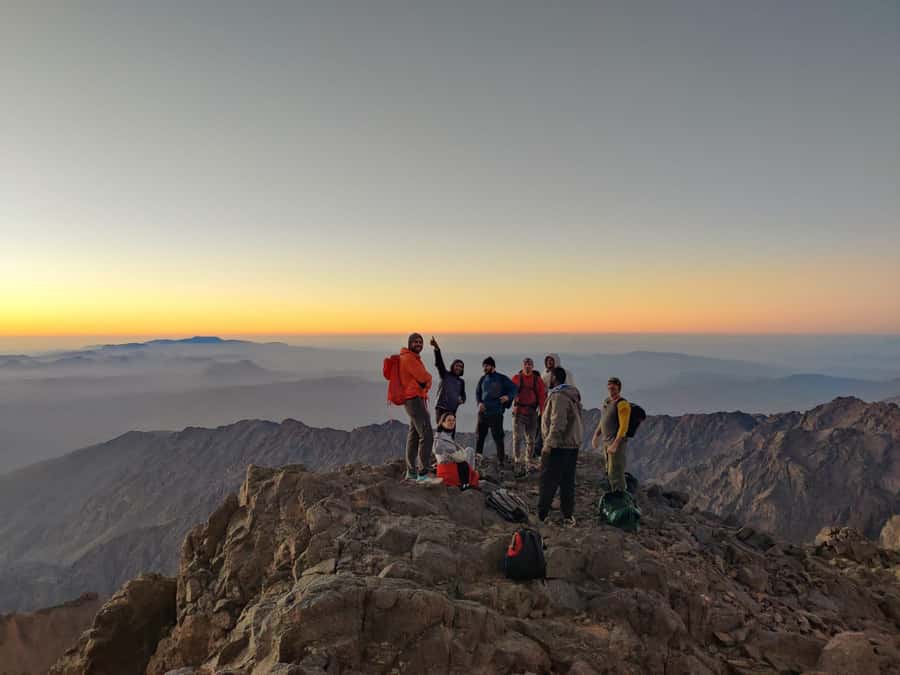
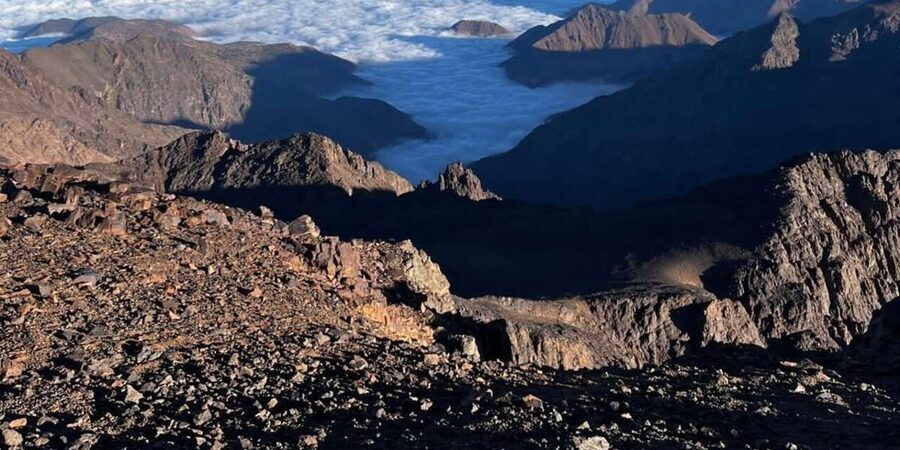
When you reach the summit, the reward is immediate: 360-degree views across the Atlas and surrounding valleys. It’s one of those moments where your body finally catches up with your brain. People tend to remember the exact feeling of standing there—because North Africa’s highest peak doesn’t feel like a number once you’re looking out from 4,167 m.
Then comes the second half of the challenge: descending. The descent follows the same general path back toward the refuge for lunch, and then you continue down to Imlil. Past groups have described long walking days on day two, including significant descent distance after a tough climb, so plan for sore legs and a slow-but-steady pace on the way down.
Berber Villages, Base Camp Visits, and the Included Meals
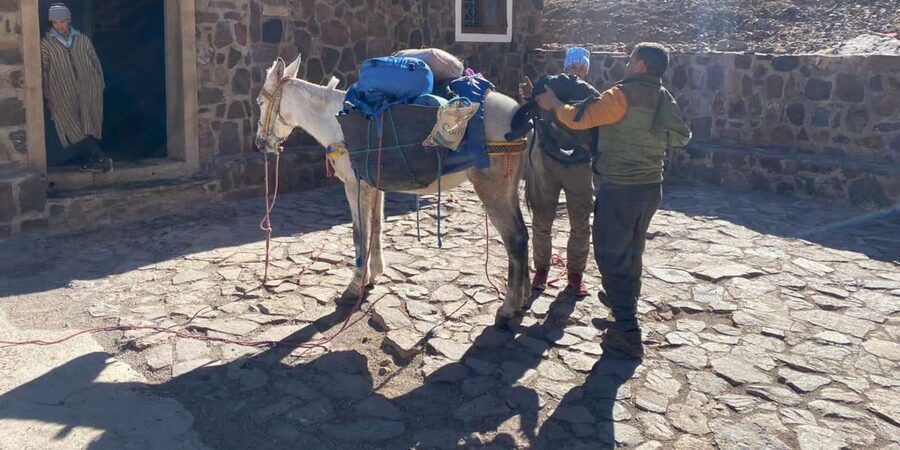
This trek does a good job of mixing physical effort with cultural context. Village visits aren’t just quick photo stops; you pass through places with people and routines, and your guide can explain what you’re seeing.
Food is included for all meals, and it’s not just survival fuel. Expect local dishes at lunch and dinner, plus mint tea as part of the mountain rhythm. One reason I rate this highly for real value: you don’t have to budget or scramble for meals during a hike where timing is everything.
If you have dietary needs, it’s worth knowing that guides have handled requests before. One past hiker mentioned Hussein catering to dietary requirements, which matters because hiking food has to work with your energy—not just taste good.
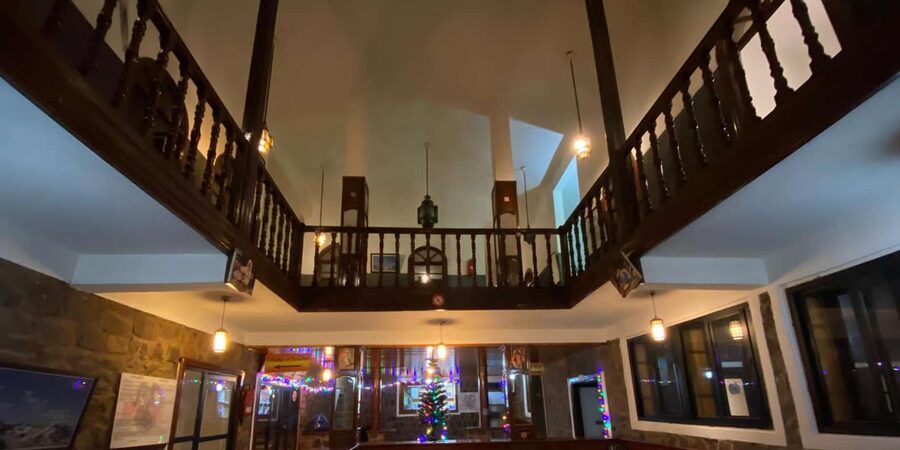
At the refuge/base camp, you’ll also get that grounded mountain experience: a stone building setting, shared sleeping arrangements, and the sense that you’re part of a small expedition rather than a bus tour. Some camps have hot showers (when available), which is a morale boost on summit day.
Pace, Group Size, and Why the Guide Makes the Difference
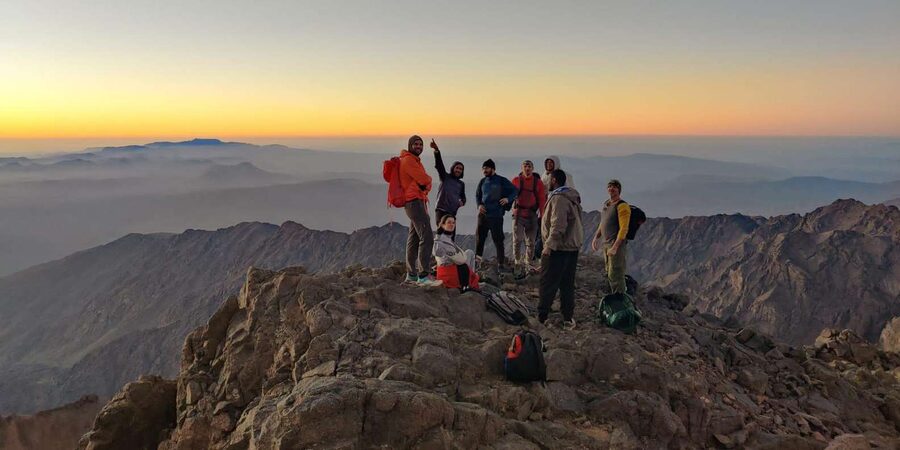
Even on a “small-group trek,” hiking is personal. One group reported being around 10 people with 2 guides, which is big enough to feel lively but small enough that you can still find your rhythm. In a setup like this, a guide’s skill shows up in the little things: keeping you steady on steep parts, encouraging you when the climb gets discouraging, and adjusting plans when weather changes.
Hussein’s name shows up repeatedly in accounts of what made the trip work. People highlighted how he made them feel safe, helped them reach the summit even when they weren’t fully prepared, and shared plenty of Moroccan and Berber culture along the way. That mix matters. You want expertise on the mountain, but you also want a reason to care about where you are besides the top of a peak.
Pace also matters because you’re doing a lot of elevation gain quickly. If you’re the slower hiker, it doesn’t automatically mean failure. There are examples of guides staying patient and getting hikers to the summit at a workable speed—especially when you keep moving steadily and listen to instructions on footing and cold-weather gear.
Gear, Weather, and Fitness: Your Checklist for Staying Comfortable
This is where most people either nail it or regret it. Mount Toubkal can be cold, windy, and demanding—even in seasons that look mild in Marrakech. Bring warm layers and plan for temperature swings at altitude.
Here’s what you should bring, based on the trek’s requirements:
- Warm clothing for high altitude
- Hiking shoes with good grip
- A sun hat plus sunglasses and sunscreen
- A daypack (not a massive backpack)
- Clothes that can get dirty
- A sleeping bag for the overnight
- Water bottle and any personal snacks
- If you have trekking poles, use them
- If conditions call for it (winter/snow), crampons may be required
Also, don’t overlook headlamps. One hiker forgot headlamps and the guide arranged local rentals. Still, you’ll save stress by packing your own before you leave.
Fitness-wise, this trek is demanding. It’s best for people who enjoy steep hiking and can handle hours of effort in thin mountain air. It’s not positioned for low-fitness hikers, and it isn’t a casual “see the view” outing.
The tour also notes it’s not suitable for:
- Children under 7
- People with low level of fitness
- People over 70
If you’re on the fence, think honestly about your recent hikes. If you can’t handle a tough day of climbing plus a long descent, you’ll feel it.
Price and Value: Why $193 Can Make Sense Here
At $193 per person for a 2-day trek, the price looks modest compared to many organized “tour company” climbs—but the key is what’s actually included. This trek covers pick-up from your hotel or nearest point in Marrakech, transport to the Imlil area, a local guide, and transport for the round-trip flow.
It also includes local food for all meals, mule support to carry your bags, a base camp/refuge component, and an overnight stay. And importantly, it’s built around reaching the summit, not just hiking partway.
In plain terms: you’re paying for coordination that keeps the hike focused on walking. When equipment rental is the only thing you need to add, you’re not constantly spending money or making last-minute arrangements under physical strain.
One caution that’s worth taking seriously: pricing can vary a lot between operators. If you find a cheaper option, don’t assume it’s the same experience. In past experiences, people have said there can be a real difference in organization versus what you might expect from the lower price. For you, the best move is to confirm what’s included with the guide team: meals, mule support, overnight plan, and summit-focused timing.
Practical Logistics: Pickup, Timing, and What to Expect in Your Day
Pickup from your hotel or riad in Marrakech is included, using a private vehicle (car or van). This matters because you don’t want to add extra time before a hike that starts early the next morning. Getting to Imlil smoothly reduces stress on day one.
In the morning, you should expect an early wake-up on summit day. One past trek had a start around 4 a.m. and a summit around 6:50 a.m. Your exact timing can shift with season and conditions, but the pattern is consistent: dark climb first, summit in daylight, descent after.
On arrival back in/near Imlil, you’ll finish the trek and then be transferred back to Marrakech. The day ends with the practical part: your body is done, but you’ll still want to hydrate, eat, and get warm.
Should You Book This Toubkal Trek? My Honest Take
Book it if you want a real Atlas challenge with a local Berber guide, and you like the idea of learning as you hike. This is a strong match if you’re comfortable hiking steep terrain for hours and you want a summit reward that feels big at 4,167 m.
Skip it if you’re looking for a light, comfortable walk or if steep, cold, early-morning hiking isn’t your thing. The trek is demanding, and the second day is a serious effort even for experienced hikers.
If you do book: prepare for cold and start training early. Bring warm layers, protect your feet, and don’t underestimate the value of a guide like Hussein who keeps you safe and moving. You’ll come home tired. You’ll also come home with a story you can’t get from a viewpoint bus stop.
FAQ
Where does the 2-day Toubkal trek start?
The trek starts from Imlil, with pickup from your hotel or nearest possible point in Marrakech.
What is included in the tour price?
Pickup and transport from Marrakech, a local guide, local food for all meals, mule support for your bags, a base camp/refuge visit, an overnight stay, and reaching the summit.
Do I need to bring hiking equipment?
Equipment is not included, but you can rent gear locally. You should still bring essentials like warm clothing, hiking shoes, a sleeping bag, a daypack, and a water bottle.
Is crampons required?
Crampons are required during winter months due to snow on the peak. Your guide will advise based on conditions.
What languages will the guide speak?
The live tour guide can speak English, French, Arabic, and Spanish.
Is this trek suitable for kids or older adults?
It’s not suitable for children under 7, people with low fitness, or people over 70.