REVIEW · KATHMANDU
Langtang Valley Trek
Book on Viator →Operated by Mosaic Adventure · Bookable on Viator
Langtang Valley changes your pace fast. I love the real small-group feel and the Kyanjin Gompa day with those high-mountain views. One thing to keep in mind: teahouse lodging is basic, so don’t expect hotel-level comfort.
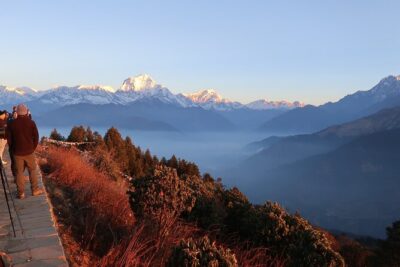
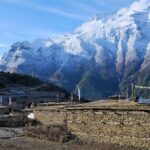
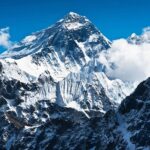
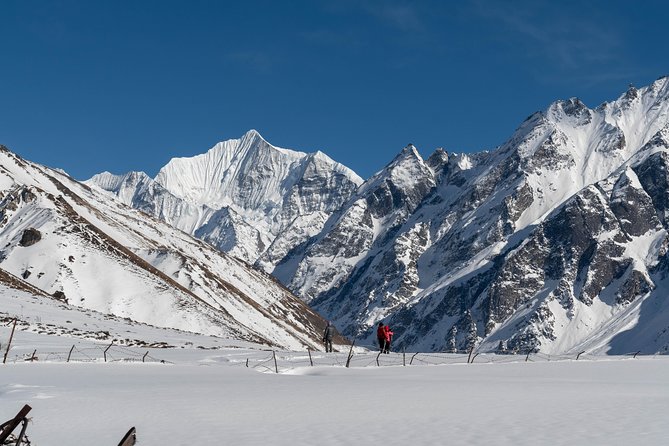
This trek is built for people who want the mountains without the chaos. You’ll hike through forests and villages in Nepal’s Langtang area near the Tibetan border, with the Langtang Lirung peak (7246m) towering over the valley. Wildlife is part of the story here too, including the endangered red panda and other forest animals, though you should treat sightings as luck, not a promise.
The package price is $560 per person, and what makes it feel fair is that the trip covers the heavy basics: transport to/from Syabrubesi, teahouse accommodation, meals, and park/trek fees. Still, you’ll pay extra for drinks, and tipping is not included.
In This Review
- Key things to know before you go
- From Kathmandu to Langtang, the plan that keeps it human
- Day 1: Kathmandu to Syabrubesi (about 7 hours) to start on the right foot
- Day 2: Syabrubesi to Lama Hotel (around 2500m) on gentle, varied terrain
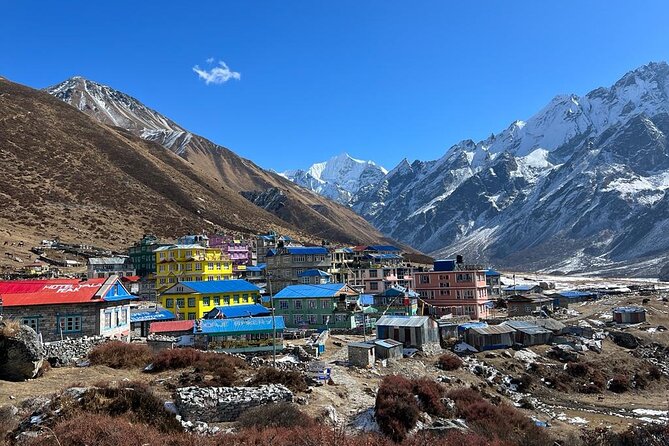
- Day 3: Lama Hotel to Langtang Village (to 3430m) with mountain views built in
- Day 4: Langtang Village to Kyanjin Gompa (cultural stop plus panoramic payoffs)
- Day 5: The choice day to Kyanjin Ri or Tsergo Ri
- Day 6: Back to Lama Hotel with pine forest air and wildlife watching time
- Day 7: Descend to Syabrubesi and reset for Kathmandu
- Day 8: Syabrubesi back to Kathmandu, plus Thamel recovery time
- Price and logistics: why $560 can be good value here
- Teahouse lodging: what to expect when comfort is part of the trade-off
- Staff support that can make a big difference on tough days
- Who this Langtang Valley Trek suits best
- Should you book this 8-day Langtang Valley Trek?
- FAQ
- What time does the trek start?
- How do I get to Syabrubesi?
- How long is the Langtang Valley Trek?
- Where do we go on the trek?
- How high do the viewpoint hikes go?
- What’s included in the price?
- Are drinks included?
- What group size should I expect?
- What fitness level do I need?
- What is the cancellation refund schedule?
Key things to know before you go
- Small group size (max 12 travelers) helps the days feel calmer and more flexible.
- Long Kathmandu-to-Syabrubesi transfer (about 7 hours) sets you up for a first trek day with less stress.
- Lama Hotel to Langtang Village is a steady climb through forests and riverbank trails, ending at 3430m.
- Kyanjin Gompa is a major cultural stop, not just another viewpoint.
- Kyanjin Ri or Tsergo Ri gives you a built-in “choose your effort” option.
- Porter support (one between 2 participants) can take the edge off steep bits.
From Kathmandu to Langtang, the plan that keeps it human
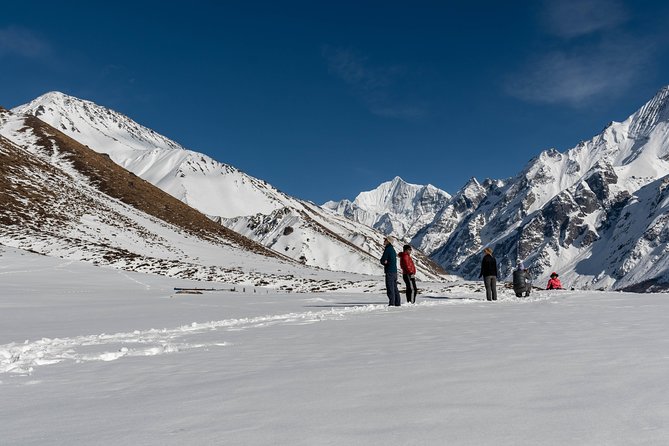
I like treks that feel like they belong to the valley, not a conveyor belt. This one does. You start early (6:45am), ride out of Kathmandu to Syabrubesi, then spend the week walking between real settlements—Lama Hotel, Langtang Village, and the Kyanjin Gompa area—where your hike turns into a slow cultural walk.
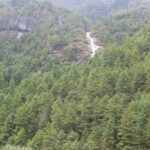
You’ll be moving through a highland sanctuary with seasonal forests. The route passes rhododendron, oak, maple, and alder trees, and the area is known for a good mix of wildlife habitat. If you’re the kind of person who enjoys forests as much as peaks, you’ll feel rewarded here.
And you’re not just paying for steps. The group limit (up to 12) matters because it changes how the trail day feels. When it’s not crowded, you can stop for photos without feeling like you’re holding up a line.
One more practical detail: the tour uses a mobile ticket, and pickup in Kathmandu is offered. If you hate last-minute guesswork, that’s a small but real win.
You can also read our reviews of more tours and experiences in Kathmandu.
Day 1: Kathmandu to Syabrubesi (about 7 hours) to start on the right foot
Your trek really begins before the first “up” step. You ride a local bus from Kathmandu to Syabrubesi—roughly 7 hours depending on traffic.
That long drive does two things well:
- You get countryside views and transition out of the city gradually.
- You arrive ready to walk without needing a complicated first-day setup.
Bring patience for the road. Nepal road time can be what it is. Still, it’s a straightforward start, and it sets up the rhythm for the rest of the trek.
Day 2: Syabrubesi to Lama Hotel (around 2500m) on gentle, varied terrain
Today is often the “warm-up with purpose” day. You hike to Lama Hotel at about 2500 meters.
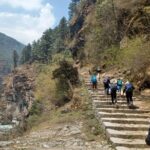
What makes this day work is variety. The route includes gentle inclines, well-defined paths, riverbank trails, forest tracks, and a suspension bridge segment (the itinerary mentions that bridge piece specifically). That mix helps you settle into hiking mode without feeling like every minute is steep.
If you’re new to trekking, you’ll likely appreciate that the pace stays moderate. If you’re experienced, you’ll still enjoy the scenery shift—river noise first, then forest quiet, and finally the sense that you’re stepping deeper into the Langtang valley.
Day 3: Lama Hotel to Langtang Village (to 3430m) with mountain views built in
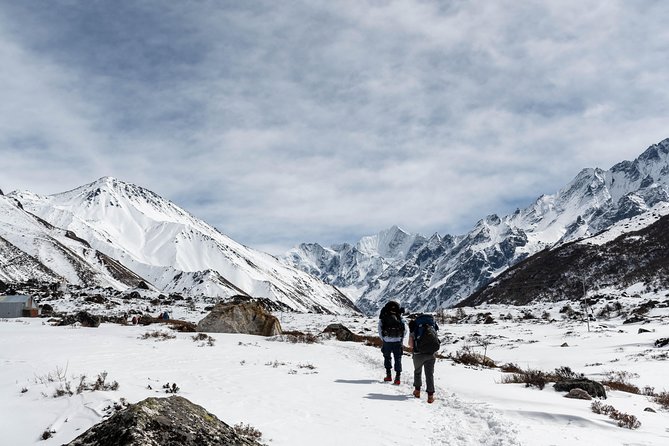
Today is the kind of day you remember later. You walk about 6.5 hours to reach Langtang Village at 3430 meters.
You’ll spend a good portion of the trek moving through forest and riverbank trails with gentle inclines. Then you get that feeling of opening space as you pass grassy meadows, with Mount Langtang Lirung views showing up during the hike. Pine forest shows too, so the day isn’t only about altitude—it’s also about texture: green shade in the trees and wider, brighter views when the trail breaks out.
Practical tip: at this point, water planning starts to matter. Even if you aren’t told to do it, I’ve learned to treat hydration as part of your hiking gear, not an afterthought.
Day 4: Langtang Village to Kyanjin Gompa (cultural stop plus panoramic payoffs)
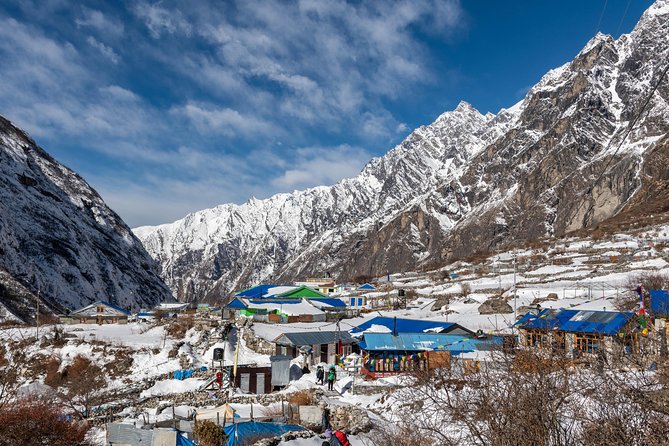
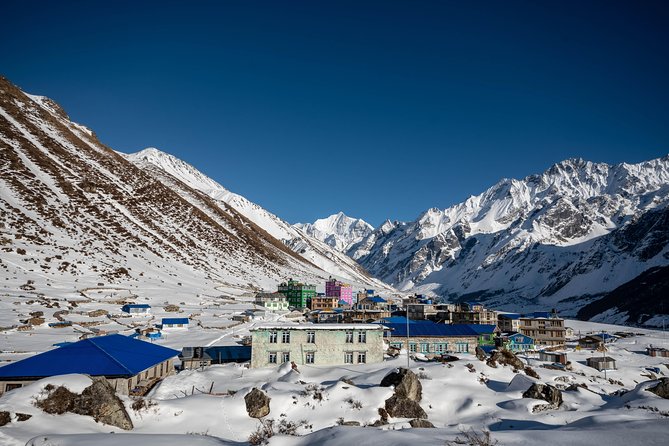
After a moderate walk of about 5 hours, you reach Kyanjin Gompa, one of the famous monasteries in the Langtang region.
This is the day that turns “trekking” into “place.” You walk through farmland, cross bridges, and climb gently while picking up views of nearby peaks like Langshisha and Langtang Lirung (the description calls out those mountain names). Then you arrive in the Kyanjin area, where the monastery is the centerpiece.
Why this matters: viewpoint hikes are great, but cultural stops make the trip feel anchored. Kyanjin Gompa is the kind of place where you understand the valley wasn’t built just for hikers. It’s a living community space in a mountain region.
If you’re traveling with someone who worries about whether they’ll enjoy “religious” sites, this is the one that often wins them over because the setting is so dramatic and the walk brings you there gradually.
Day 5: The choice day to Kyanjin Ri or Tsergo Ri
This is your get-it-your-way day trip. You can go to Kyanjin Ri or Tsergo Ri, and the itinerary gives clear timing for both.
- Kyanjin Ri (4773m): about 3 hours round trip
- Tsergo Ri (4984m): about 7 to 8 hours round trip
Choosing comes down to energy and what kind of view you want. If you want a shorter push, Kyanjin Ri is the classic day. If your body feels good and you want a longer outing toward higher elevation, Tsergo Ri is the serious option.
A smart approach: decide the morning of based on how you slept and how your breathing feels. Altitude doesn’t care about schedules.
Day 6: Back to Lama Hotel with pine forest air and wildlife watching time
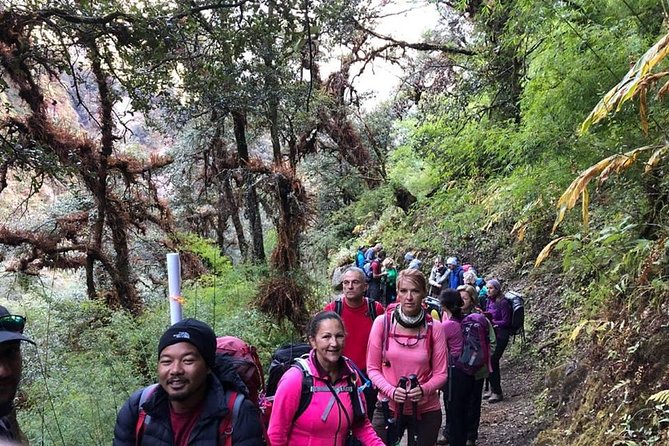
Now you trace back to Lama Hotel, walking around 6 hours through riverbank and forest trails. The route highlight here is the return walk through sweet-smelling pine forests (that detail is called out), plus a chance to look for wildlife and giant beehives.
I like return days when they’re not just “undoing the hike,” and this one gives you that. You’ll move through familiar terrain but notice new things because the valley is changing around you—light, weather, even how your legs feel.
Wildlife note: the Langtang area is home to animals like wild boar and Himalayan black bears, plus other species mentioned in the overview (grey langur monkeys, musk deer, leopards, red panda). Real sightings depend on timing. Still, the trail conditions can make it a better day for watching than you’d expect.
Also, beehives are a reminder this isn’t wilderness fantasy. People live, manage, and work here. If you see hives, give them respect and keep moving.
Day 7: Descend to Syabrubesi and reset for Kathmandu
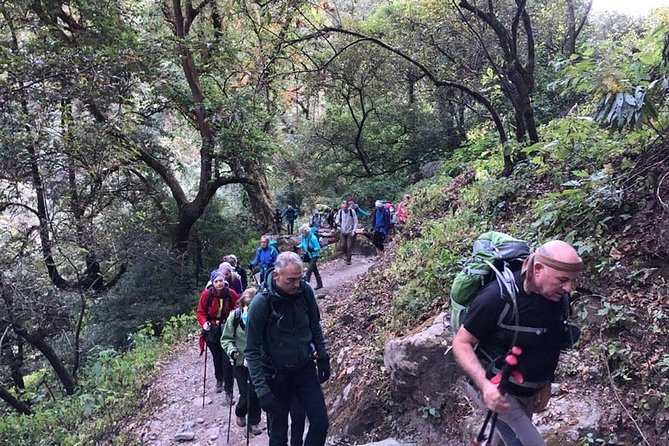
Today is another long descent back toward where you started. You head down to Syabrubesi, using well-defined trekking paths with gentle descents and some steeper sections.
This is the day your knees will talk. Go slow, use steady steps, and keep your focus on foot placement. The scenery still matters—descent days can feel long, but the valley keeps rewarding you if you pace well.
When you finish trekking, you’ll be ready for the ride back.
Day 8: Syabrubesi back to Kathmandu, plus Thamel recovery time
You take the local bus back to Kathmandu. Once you’re in the city, you get a hot shower and time to relax around Thamel.
Thamel is exactly what you want after trekking days: a walkable base for food, gear, and normal life. Some travelers even build in time for a massage in the Thamel area (the itinerary mentions that as an option), which makes sense because trekking muscles tend to complain loudly after day 7.
Price and logistics: why $560 can be good value here
Let’s talk value instead of just cost.
You pay $560 per person for an 8-day trek that includes:
- Bus to/from Syabrubesi
- All fees and taxes
- Teahouse accommodation
- Porter support (one porter between two participants)
- Meals: lunch (8), dinner (7), breakfast (7)
- Pickup offered and mobile ticket
What you don’t pay for:
- Beverages like tea/coffee and bottled water
- Tipping
So what are you really buying? You’re buying the core structure of a trekking circuit: transport, lodging, most meals, and the administrative fees that would otherwise create extra hassles. That matters a lot at altitude, where meal planning and logistical gaps can become stressful fast.
The porter setup is also worth understanding. One porter between two participants means you’re sharing the load help. If you pack light, this feels like a nice assist rather than a burden. If you tend to overpack, you may feel the pinch anyway, because porter capacity is limited.
Teahouse lodging: what to expect when comfort is part of the trade-off
Teahouses are simple. In at least one account, accommodations were described as not great quality, and that’s the honest trade-off with this style of trek.
Here’s how to think about it:
- You’re paying for a functional base, not a resort.
- The real comfort comes from staying warm, sleeping, and waking up ready to hike again.
- If you’re the type who needs perfect bedding and spotless rooms, this trip will ask you to adjust expectations.
The good news: this is a trekking itinerary, not a comfort-first tour. The goal is walking through the Langtang valley’s villages, forests, monastery area, and viewpoint ridges.
Also, meals are included, which can reduce the “where do we eat?” stress. Just remember drinks aren’t included, so budget for water and warm beverages.
Staff support that can make a big difference on tough days
One reason people rate this trek so highly is the human side. In real examples from past participants, guides and porters included names like Purna and Ram, and managers like Madhav helped make the experience smooth.
You’ll also see the kind of support that matters when someone struggles with altitude. One guide named Madan was described as staying with a young trekker for hours to help with ascent while altitude issues came up. That tells you something important: the team isn’t just moving on a timer. They respond.
If you’re nervous about altitude or pace, that matters. Even when you do everything right, you need a guide who can read the moment and adjust.
And because this is a small group (maximum 12), your guide can actually pay attention instead of just herding a crowd.
Who this Langtang Valley Trek suits best
This trek fits you if:
- You have moderate physical fitness
- You like guided structure but still enjoy the feel of walking at your own pace
- You want a mix of mountain scenery and cultural stops (hello Kyanjin Gompa)
- You’re okay with basic teahouse lodging in exchange for being in one of Nepal’s quieter high valleys
It’s also a good choice if you want one day with options. The Kyanjin Ri vs. Tsergo Ri choice lets you match the day to your body.
Should you book this 8-day Langtang Valley Trek?
I’d book this trek if you want a strong Langtang experience without complicated logistics. The included transport, fees, teahouse stays, and meals make budgeting easier than many “pay as you go” adventures. The Kyanjin Gompa day gives the trip meaning beyond views, and the optional Ri hikes let you tune the difficulty.
I wouldn’t book it if you need comfortable lodging and want a mostly easy vacation style trip. This is trekking country. Teahouses are simple, and you’ll spend several days climbing and descending between elevations like 2500m, 3430m, and up toward 4773m or 4984m on the viewpoint day.
If you’re reading this and thinking you can handle basic comfort and a real hike, then this is the kind of trip that rewards you fast—valley views, monastery atmosphere, and a route that feels genuinely in the mountains.
FAQ
What time does the trek start?
The start time is 6:45am.
How do I get to Syabrubesi?
You take a local bus from Kathmandu to Syabrubesi, and the ride takes about 7 hours depending on traffic.
How long is the Langtang Valley Trek?
It’s listed as 8 days approximately.
Where do we go on the trek?
You trek from Syabrubesi to Lama Hotel, then to Langtang Village, then toward Kyanjin Gompa. There is also an option day trip to either Kyanjin Ri or Tsergo Ri, and you return back through Lama Hotel to Syabrubesi.
How high do the viewpoint hikes go?
Kyanjin Ri is listed at 4773 meters (about 3 hours return). Tsergo Ri is listed at 4984 meters (about 7–8 hours return).
What’s included in the price?
The price includes bus to/from Syabrubesi, all fees and taxes, teahouse accommodation, porter support (one between 2 participants), plus lunch (8), dinner (7), and breakfast (7).
Are drinks included?
No. Beverages like tea/coffee and bottled water are not included.
What group size should I expect?
This tour has a maximum of 12 travelers.
What fitness level do I need?
You should have moderate physical fitness.
What is the cancellation refund schedule?
You can cancel up to 6 days in advance for a full refund (at least 6 full days before the start time). For a 50% refund, cancel 2–6 full days before the start time. If you cancel less than 2 full days before the start time, the amount paid is not refunded.