REVIEW · MARRAKECH
From Marrakech : 2 Day Stay in Merzouga with Food and Camel Trek
Book on Viator →Operated by Ando Travel SARL · Bookable on Viator
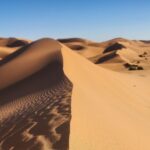
Camel light over Erg Chebbi is magic. This Marrakech to Merzouga route strings together Ait Ben Haddou, Ouarzazate area stops, and two nights close to the dunes with sunset and sunrise camel treks.
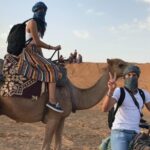
I love the sunrise and sunset camel rides, timed for the desert’s best light, and the included private desert camp tent experience after a full day of driving and sightseeing. The camp setup makes the desert feel like the main event, not an add-on.
One thing to consider: you’ll have long road days and you’ll need to plan for lunches and water since those aren’t included. Early starts also come with the territory.
In This Review
- Key highlights to know before you go
- Day 1: Ait Ben Haddou and the road toward Erg Chebbi
- Practical tip for Day 1
- Ouarzazate and Tansikht along the Draa River
- Two nights near Erg Chebbi: camel treks, sandboarding, and camp dinner
- Your desert-camp night: what you can expect
- Day 3: Todgha Gorge sunrise, fossils at Erfoud, and back to Marrakech
- Price and what’s included: value for transport, lodging, and camel time
- Is it worth it?
- Comfort, group size, and the physical side (what to plan for)
- A comfort checklist I recommend
- On guides and day-to-day flow
- Who should book this Marrakech to Merzouga desert tour
- Should you book this Marrakech to Merzouga camel and desert camp tour?
- FAQ
- What is the duration of the tour?
- What time does the tour start?
- Is pickup and drop-off in Marrakech included?
- What transport do you use?
- What meals are included?
- Are water and drinks included?
- Is camel riding included, and when does it happen?
- Is sandboarding included?
- What are the accommodations like?
- What if the weather is bad or I need to cancel?
Key highlights to know before you go
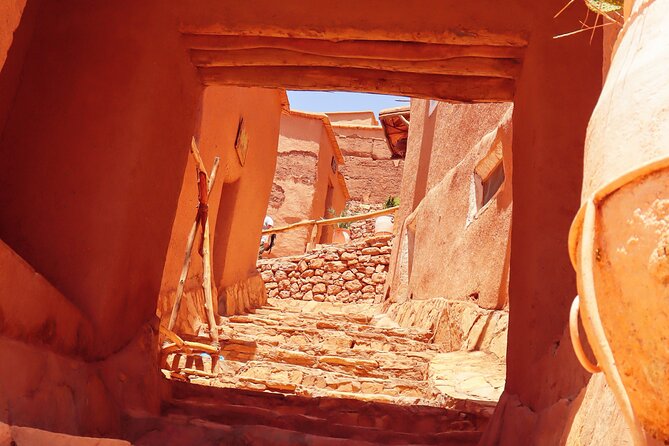
- UNESCO Ait Ben Haddou time with enough space to actually see the kasbah, not just pass by.
- Two camel trek sessions on Erg Chebbi dunes, with sunset and sunrise included.
- Private first-night comfort: ensuite bedroom with A/C and your own space.
- Desert camp overnight in a private tent (and a more luxurious option if selected).
- Sandboarding included, which is a fun add-on if you don’t mind getting a little sandy.
- Small group size up to 17, which keeps the day from feeling like a cattle-car schedule.
Day 1: Ait Ben Haddou and the road toward Erg Chebbi
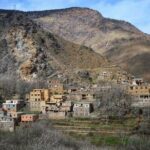
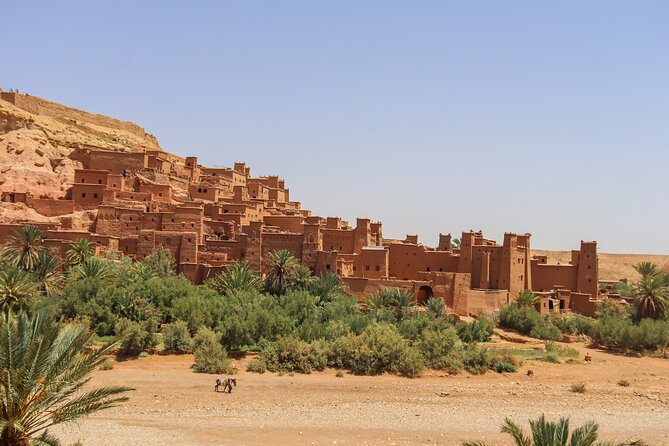
Day 1 is all about getting from Marrakech into desert mode without skipping the good stops. You start around 7:00 am, and the first big highlight is Ait Ben Haddou, a UNESCO kasbah with tight alleys, sun-baked walls, and the kind of scale that makes you understand why filmmakers come back here again and again.
You’ll have about 2 hours on site, which is the right amount of time to walk the kasbah areas and absorb the setting. Admission for the kasbah is not included, and if you want a local guide inside, there’s an extra fee (3€ per person). If you like context—who built what, how the kasbah worked, and why it looks the way it does—paying for that guide time can turn a cool photo stop into a richer hour.
After that, the ride continues through the Ouarzazate region, sometimes called the gateway toward the Sahara. You’ll stop briefly in the area (including a stop at Tansikht along the Draa River). This part of the day is less about one iconic photo spot and more about the slow change in scenery: palm groves, kasbah shapes, and the sense that caravan routes used to matter here.
You end the day in Merzouga, staying at a lodge near the desert. Dinner is included, and you’ll likely feel that classic desert-adventure shift: you’re not just seeing dunes in the distance anymore; you’re near them, close enough to hear the vibe of the place.
You can also read our reviews of more tours and experiences in Marrakech.
Practical tip for Day 1
Bring snacks for the ride if you’re someone who gets hungry between meals. Lunches aren’t included, and water isn’t included either, so having a plan prevents the end-of-day scramble.
Ouarzazate and Tansikht along the Draa River
This stretch is why the trip feels more than just a straight shot to Merzouga. The Ouarzazate region has a reputation for film sets and cinematic backdrops, but what I like here is the contrast: you’re moving between dramatic mountain roads, oasis-like pockets, and older architectural styles that still show up in everyday life.
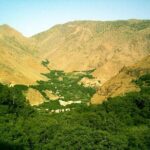
The short stop at Tansikht along the Draa River is where you can get your bearings. The day description mentions palm groves and ancient kasbahs, and it also points to the area’s role as part of a historic caravan route—trading goods like gold (from the southern side of the route) for sugar and salt before reaching the dunes near Merzouga. Even if you don’t go deep on the story, you’ll still feel the logic of the geography: water first, then trade, then desert travel.
The stop is only about 15 minutes, so treat it like a quick reset. Use it to stretch, get a few photos, and note what you want to remember later when you’re standing by Erg Chebbi dunes wondering how all this connects.
Two nights near Erg Chebbi: camel treks, sandboarding, and camp dinner
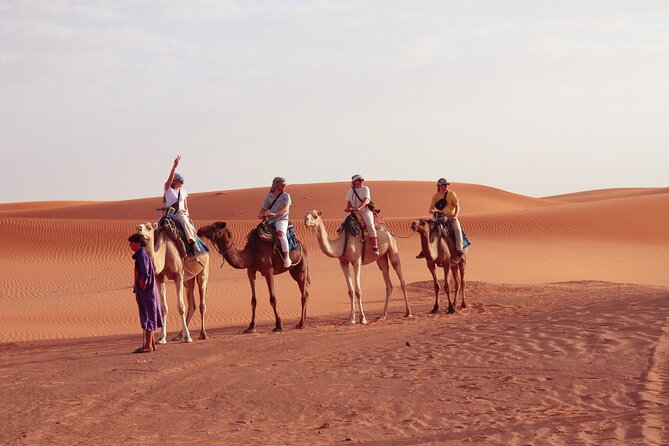
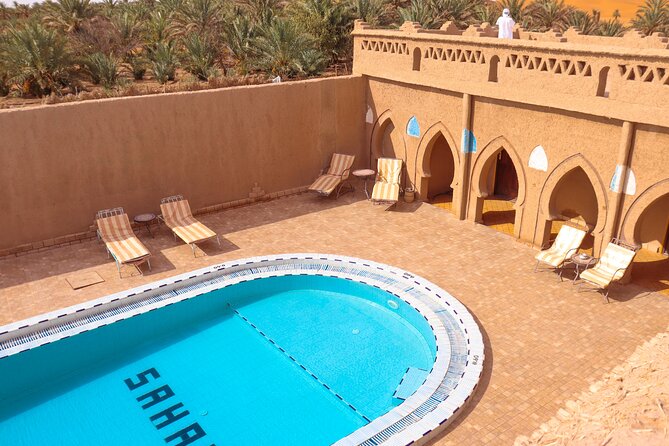
If you’re choosing this tour because of the desert, Day 2 is where the magic locks in. After breakfast at the lodge, the schedule gives you some breathing room. There’s even a chance to use the lodge pool for a reset, plus time to explore what’s around Merzouga before the real trek starts.
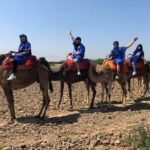
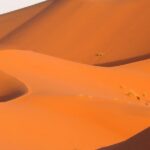
Then come the star features: sunset and sunrise camel trekking in the Erg Chebbi area. These are included, and they’re timed to the desert’s mood—cooler air, dramatic colors, and long shadows over the dunes. I like that the tour doesn’t make you gamble on timing. You get both ends of the day light show.
Sandboarding is also included. You don’t need to be an athlete to try it, but you should know this: dunes are sand-powered and sand-flavored. If you hate getting messy, you’ll still have to accept some dust in your clothes. It’s part of the fun.
Your desert-camp night: what you can expect
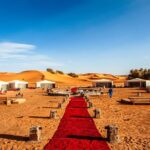
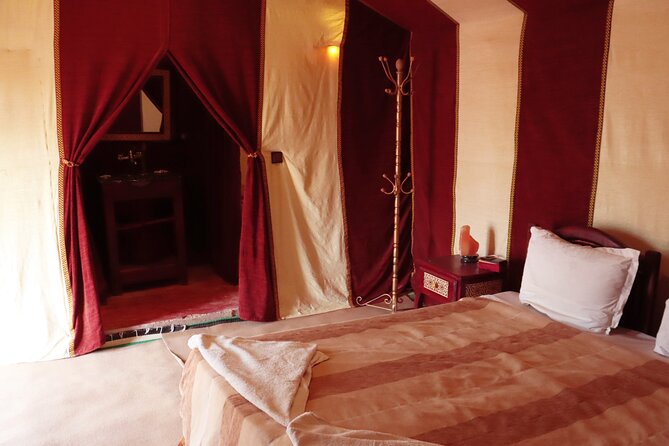
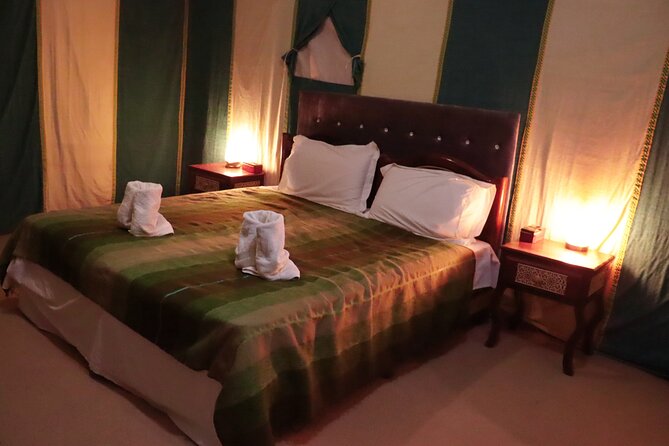
Overnight is at a desert camp with a private tent. If you choose the upgraded option, you’ll get a more luxurious private tent. Either way, this is the moment that makes the whole trip feel worth it—sleeping close to dunes, with the sky doing its late-night best.
Dinner is included at the camp. After dinner, you’ll also have a Berber spectacle—the description calls it traditional reels. It’s not a museum lecture; it’s more like an evening performance designed to fit the place and the people in it.
Practical note: mobile signal and Wi‑Fi can be limited around some parts of the route. Don’t build your plan around staying online. This is a do-not-check-your-email kind of night.
Day 3: Todgha Gorge sunrise, fossils at Erfoud, and back to Marrakech
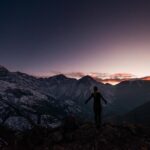
Day 3 starts with a second desert-moment. The schedule points to another sunrise view, this time tied to the Todra/Todgha area and rolling dune views. You even have the option to see sunrise from a high dune point in the Merzouga area. Translation: expect a cool morning and a short walk or climb where you’ll feel the sand underfoot.
Breakfast is included, then you’ll return to the lodge to freshen up and meet your driver. After that, the day shifts into geology and oases before the long road back.
The route includes Erfoud, known for fossils, and a stop crossing the Tafilalt oasis. There’s also time for a break to see an ancient irrigation system. This is one of those stops that makes the desert feel less like empty space and more like a place that humans learned to live with.
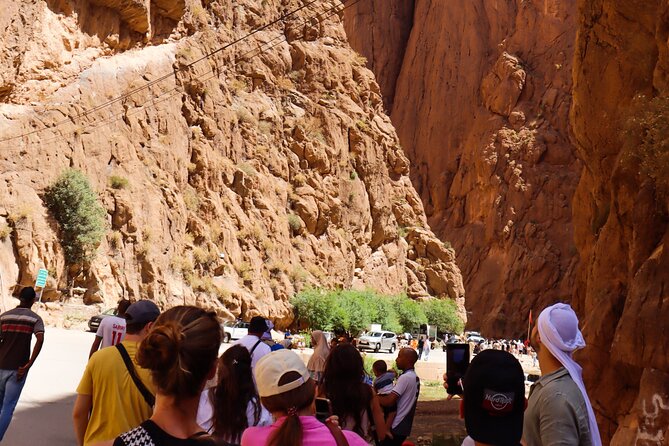
Then lunch happens along the way (lunch isn’t included, but the schedule builds in time for it), and you’ll have free time at Todgha Gorges—described as striking and one of the most beautiful tourist sites in southern Morocco. This is where the scenery becomes vertical and dramatic, with narrow rock corridors and a different kind of grandeur than the dunes.
In the afternoon, you’ll head back toward Marrakech, crossing the High Atlas again. This is a long travel day, but it’s also a satisfying loop: desert light, then gorge rock, then mountains.
Price and what’s included: value for transport, lodging, and camel time
At $128.93 per person for a multi-day Marrakech-to-Merzouga desert adventure, the value is mostly about what’s packaged together. You’re not just buying transportation. You’re buying the expensive bits that are hard to assemble solo: the ground logistics, the desert lodging, and the camel trek timing (sunset and sunrise) that typically requires local coordination.
Here’s the practical breakdown of what you’re getting:
- Transport in an air-conditioned 4×4 or minivan, plus fuel surcharge.
- Pickup and drop-off in Marrakech.
- English and French speaking driver/guide.
- First night: an ensuite private room with A/C.
- Second night: a private tent at a desert camp (luxury tent if selected).
- Sunset and sunrise camel trekking in Erg Chebbi, plus sandboarding.
- Meals: 2 dinners and 2 breakfasts.
What’s not included is equally important:
- Lunches.
- Water and drinks.
- A local guide fee for Ait Ben Haddou if you want one inside the kasbah.
Is it worth it?
If your goal is sunrise and sunset on the dunes with a proper camp overnight, yes—this format is usually the most cost-effective way to make those pieces happen without headaches. The included A/C first-night room is also a smart comfort buffer before or after desert cold.
If you already plan to stay in Merzouga on your own and you only want one camel ride, then the value drops. But if you want the full desert rhythm plus UNESCO and gorge time, the package makes sense.
Comfort, group size, and the physical side (what to plan for)
This tour notes moderate physical fitness. That doesn’t mean you need to be hiking-trail expert. It does mean you should be ready for:
- sitting for long stretches during drives,
- walking around kasbah areas,
- climbing or stepping on uneven sand for sunrise viewpoints and camel loading.
Your group size has a max of 17, which helps a lot. Smaller groups usually mean fewer waiting moments, easier communication, and less risk of someone getting left behind during quick stopovers.
A comfort checklist I recommend
- A light layer for sunrise: desert mornings can feel chilly.
- A warm layer for camp nights: desert air cools fast after sunset.
- Closed-toe shoes for walking in sand and at gorge areas.
- Sunscreen and a hat: the sun can be relentless even when the temperature feels manageable.
- Bring a small day bag: you’ll want water and a few essentials within reach, especially because water isn’t included.
On guides and day-to-day flow
One thing I consistently like about this kind of route is the importance of driver rhythm. The tour names a range of drivers and guides you might be assigned—people like Mohammed, Hassan, Hakim, Abdou, Agouim Houssein, Yassin, and Youssef show up in the guidance style described. Across those accounts, the common thread is safe, helpful driving and clear communication. You should get a day-by-day plan at the start of each morning, so you know what comes next.
Who should book this Marrakech to Merzouga desert tour
This is a strong fit if you want:
- A real desert overnight (not just a day trip),
- Both sunrise and sunset camel time,
- A route that includes UNESCO Ait Ben Haddou and Todgha Gorges,
- A setup where meals and lodging are handled, so you spend your energy on the experience instead of logistics.
It’s also a good choice if you’re traveling solo or as a pair and like meeting people at a manageable group size up to 17.
If you hate early mornings, long driving, or you’re strict about having lunch and drinks included, you might find the schedule a little demanding. The good news is the trade-off is exactly what you came for: dunes at golden hours and a night in the desert camp.
Should you book this Marrakech to Merzouga camel and desert camp tour?
I’d book it if your priority is the classic Morocco-Sahara experience: Ait Ben Haddou first, then desert dunes with real timing, then a final day with Todgha Gorge views and the return over the High Atlas.
I’d think twice if you only want one camel ride, dislike early starts, or you want full meal and drink inclusion. In that case, you could design a smaller, more flexible stay in Merzouga.
If you do book, pack for sun plus cold mornings, bring water snacks, and plan to unplug for the desert night. Do that, and you’ll get the best version of this trip: not just places, but moments—dune light, camp dinner, and the kind of travel memory that sticks long after the photos.
FAQ
What is the duration of the tour?
The tour is listed as approximately 3 days.
What time does the tour start?
The start time is 7:00 am.
Is pickup and drop-off in Marrakech included?
Yes, Marrakech pickup and drop-off are included.
What transport do you use?
You travel in an air-conditioned 4×4 or minivan.
What meals are included?
Dinner is included twice and breakfast is included twice. Lunches are not included.
Are water and drinks included?
No, water and drinks are not included.
Is camel riding included, and when does it happen?
Yes. Sunset & sunrise camel trekking in Erg Chebbi is included.
Is sandboarding included?
Yes, sandboarding is included.
What are the accommodations like?
You get a private ensuite bedroom with A/C for the first night. The second night is in a private tent at a desert camp (a luxury private tent is available if that option is selected).
What if the weather is bad or I need to cancel?
Free cancellation is available up to 24 hours before the experience starts for a full refund. The experience requires good weather; if it’s canceled due to poor weather, you’ll be offered a different date or a full refund.