REVIEW · KATHMANDU
10 Days Annapurna Base Camp Trek from Kathmandu
Book on Viator →Operated by CAN Travels · Bookable on Viator
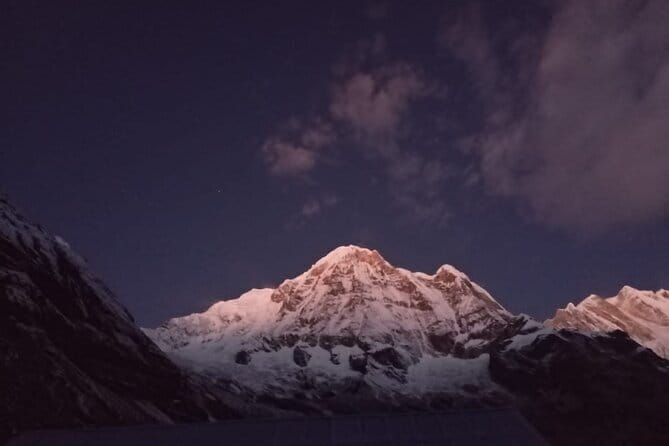
Base Camp feels close once you’re on the trail. This 10-day Annapurna Base Camp trek from Kathmandu mixes big Himalayan views with real village life, and it’s built around smooth logistics: hotel pickup, a bus ride to Pokhara, and a guided route linking Ghandruk, Chhomrong, Deurali, and finally Annapurna Base Camp. I also love how much you get for the money when compared with what’s typically hardest to organize—permits, an English-speaking guide, and transfers—plus the promise of sunrise views from the base-camp area.
The main thing to consider is effort: you’ll be doing long uphill-and-downhill days with steep segments, and the route includes high, alpine terrain where conditions can feel serious. If you have moderate physical fitness, you’ll be in the right neighborhood; if not, plan to train first.
In This Review
- Key moments that make this trek worth it
- Where this Annapurna Base Camp trek really shines (and why)
- Price and logistics: what the $490 covers in real life
- Day 1 in Kathmandu, then straight to Pokhara Lakeside
- Day 2: Pokhara to Ghandruk via Sauli Bazar (the first real hike)
- Day 3: Ghandruk to Chhomrong and the Gurung village feel
- Day 4: Chhomrong down toward Bamboo (a day of legs-on-fire ups and downs)
- Day 5: Bamboo to Deurali through bamboo and rhododendron forests
- Day 6: Deurali to Annapurna Base Camp (the adventurous day)
- Day 7: Back down from Annapurna Base Camp to Bamboo
- Day 8: Bamboo to Jhinu Danda (stone steps, steep climbs, and a reset)
- Day 9: Trek out to Siwai, then back to Pokhara
- Day 10: Pokhara back to Kathmandu (7 hours of highway views)
- Your guide and safety setup: where good service shows up
- What to expect day by day, realistically (and where you’ll feel it)
- Who this trek is best for
- Should you book this 10-day Annapurna Base Camp trek?
- FAQ
- What is included in the $490 per person price?
- Are trekking permits included?
- Is the trekking guide English-speaking?
- How do you travel between Kathmandu and Pokhara?
- How many nights will you stay in Pokhara?
- Are meals included on the trek?
- Is this tour private?
- When does the experience start?
- Is there free cancellation?
- Is there a fitness requirement?
Key moments that make this trek worth it
- Government-licensed English-speaking guide who helps you stay safe and understand what you’re walking through
- Pokhara as a buffer zone with two nights in a 2-star hotel and breakfast to reset before the trek
- Village days that aren’t just scenic (Ghandruk and Chhomrong are known for Gurung culture and daily life)
- Annapurna Base Camp day that’s physically real with avalanche-prone areas along the way
- A supported return route back down to Bamboo and onward to Jhinu Danda
- Hot springs timing may work out—some groups mention squeezing in Jhinu’s hot pools while finishing up
Where this Annapurna Base Camp trek really shines (and why)
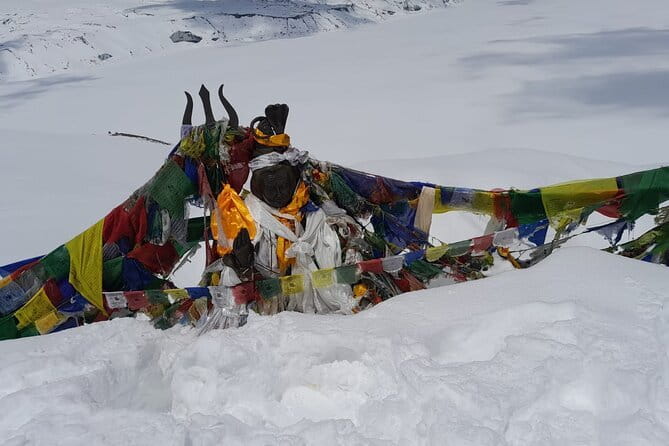
Annapurna Base Camp isn’t a “drive up and take photos” kind of goal. It’s a walking goal, and that changes everything. You earn the views step by step, then you get the payoff of standing near the Annapurna range where the scale stops feeling theoretical.
What makes this specific 10-day trek feel like good value is that it removes the usual stress points. Your Kathmandu-to-Pokhara and Pokhara-to-Nayapul style connections are handled, your permits and official documents are taken care of, and you don’t have to figure out day-by-day logistics on your own. That matters because on trek trips, it’s rarely the trail that breaks your plans—it’s the paperwork, missed transport, or confusing handoffs.
Also, I like that it’s not “only mountains.” Your route walks through recognizable stops—Ghandruk, Chhomrong, Bamboo, Deurali, Jhinu Danda—so you’re seeing how people live in these places, not just staring at peaks.
You can also read our reviews of more tours and experiences in Kathmandu.

Price and logistics: what the $490 covers in real life
At $490 per person, this trip looks simple on paper, but the included items are the real story.
Here’s what you’re paying for that’s hard to DIY:
- Hotel pickup and drop-off
- Kathmandu ↔ Pokhara transport by luxury sofa seat tourist bus
- Two nights in Pokhara in a 2-star hotel with breakfast
- A government-licensed English-speaking trekking guide
- Trekking permit + all official documents
- Transfers tied to the trek (Pokhara to Nayapul/Siwai, then back to Pokhara)
- Emergency normal first aid kit with your guide
- Guide food accommodation and expenses
- A private tour format (only your group participates)
What’s not included:
- Food and drinks on the trek (available on purchase)
- Gratuities (optional)
So you’re not paying for every single meal, but you are paying for the structure: you’ll know where you’re sleeping, you’ll have the guide and permits lined up, and your travel days won’t turn into a scavenger hunt.
If you’re traveling with a group, the tour summary also notes group discounts, which can make the per-person value even better.
Day 1 in Kathmandu, then straight to Pokhara Lakeside
Day 1 is all about getting your bearings. You’ll be picked up from your hotel, then travel toward Pokhara. The ride is about seven hours, and the day ends around Pokhara Lakeside where you can rest.
Why this start matters: Annapurna Base Camp is a big trek, and Podunk energy doesn’t help on day two. The Pokhara overnight setup gives you a chance to sleep, stretch, and handle any last-minute needs (like gear tweaks) without starting the climb on a tired brain.
Also, if you enjoy a low-pressure arrival, Pokhara is a comfortable place to land—still Nepal, still moving, but not the thin-air grind yet.
Day 2: Pokhara to Ghandruk via Sauli Bazar (the first real hike)
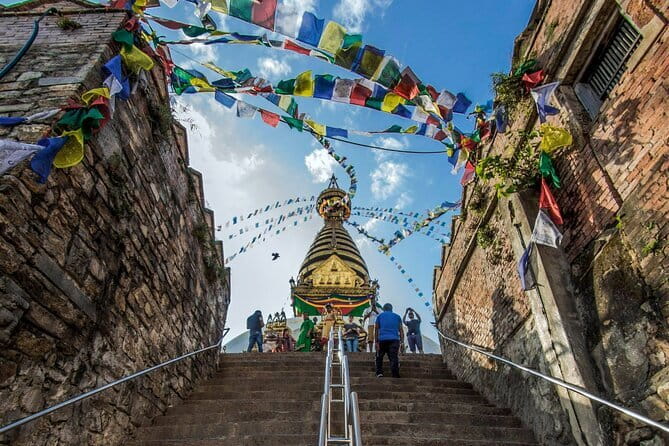
You’ll drive from Pokhara toward Nayapul, then begin walking to Ghandruk, typically via Sauli Bazar. This segment can take five to seven hours and involves steep hill trail work.
What you’ll feel on this day:
- It’s your first sustained trek time after the transport day.
- You’ll start building rhythm—pace, hydration habits, and how quickly your legs get tired.
Why Ghandruk is a highlight: it’s a famous stop for a reason. The village setting gives you that classic Annapurna feel—mountain views plus the lived-in texture of a place where trekking is part of the daily economy.
A practical note: plan your day with the expectation that this is “work,” not sightseeing. Your body will learn the route basics here.
Day 3: Ghandruk to Chhomrong and the Gurung village feel
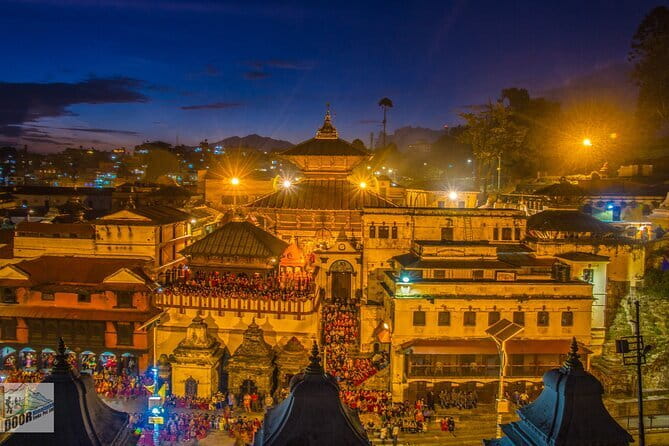
From Ghandruk, you trek toward Chhomrong through Kumrong danda, with steady ups and downs along the way. This is about six hours.
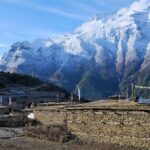
Chhomrong is where the trek starts to feel more cultural and less just physical. The route passes through areas tied to typical Gurung people lifestyle, and the village atmosphere tends to make the day feel more human-scale.
What I like about this stop: it breaks up the climb. Instead of constantly feeling like you’re “just going higher,” you get a real village break—places to look around, reset, and talk with people you pass.
Day 4: Chhomrong down toward Bamboo (a day of legs-on-fire ups and downs)
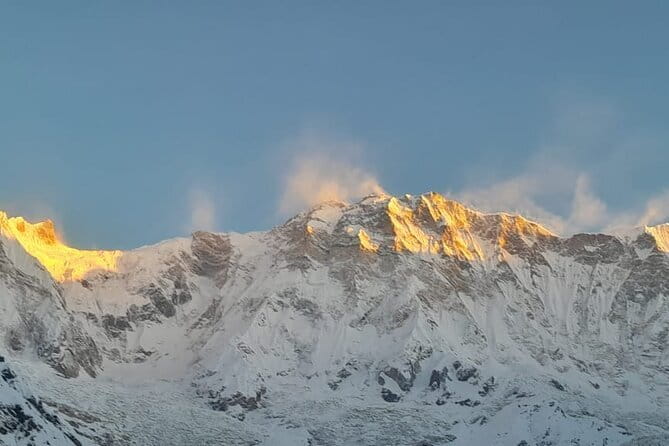
Day 4 takes you from Chhomrong to Bamboo in about six hours. The pattern is very trek-real:
- steep descent to Chhomrong Khola
- then a steep climb after crossing a stream
- multiple uphill and downhill sections
This is the kind of day where your technique matters more than your speed. If you rush the downhills, your knees will remind you later. If you grind too hard uphill, you’ll pay for it before Deurali.
By the time you reach Bamboo, you’re starting to feel the rhythm of the trek: short emotional highs, then long physical stretches, then a village check-in.
Day 5: Bamboo to Deurali through bamboo and rhododendron forests
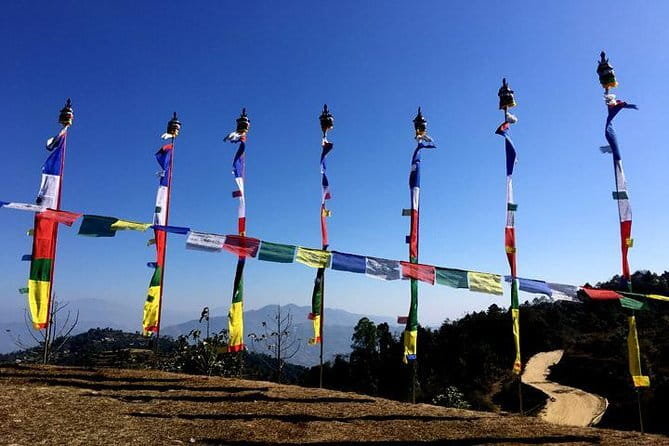
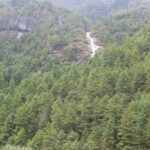
From Bamboo to Deurali is about seven hours. The trail is described as short and beautiful, passing through bamboo and rhododendron forests.
This day is a mood shift. Forest trekking tends to feel cooler and quieter than the open high view days, and it gives your mind something to chew on besides the next uphill bend.
Your reward is that Deurali brings majestic peaks into view, so the effort starts to feel paid back.
Day 6: Deurali to Annapurna Base Camp (the adventurous day)
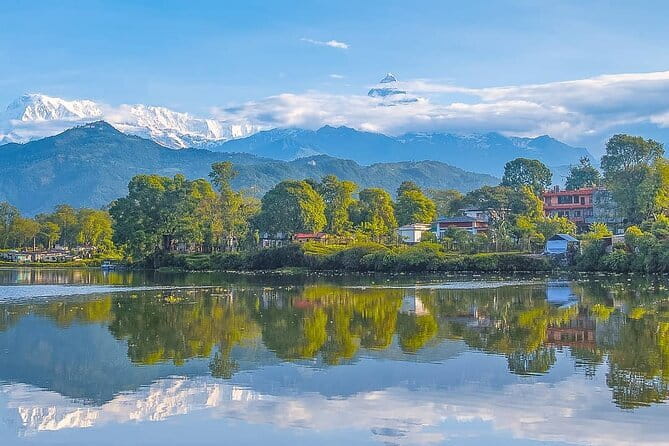
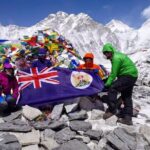
Day 6 is the big push to Annapurna Base Camp, about seven hours. The trek passes through high alpine forests and includes stunning Himalayan views of snow-capped peaks.
And here’s the realism: the route includes several spots known for avalanches, so the day is both dramatic and taken seriously. You’re not just walking a photo trail—you’re traveling through terrain that the guide and local knowledge respect.
This is also usually the day where your guide’s role becomes most valuable. In past departures for this operator, you might be led by guides such as Krishna, and other departures have paired trekking parties with guides like Prakash or Deepak. What they share in common in the feedback is attention to safety and details along the way—things like explaining what you’re seeing and helping you move at a safe pace.
Day 7: Back down from Annapurna Base Camp to Bamboo
After spending time at the base camp area, you head back to Bamboo. The walk is about six hours, and it drops by around 1,700 meters (as described), following much of the same path.
Returning days can feel tougher than the outbound because you’re tired and your legs carry gravity differently. Still, the descent is often a relief psychologically: you’re moving away from the hardest altitude pressure and toward the comfort of the next village stop.
Also, this is one of the best times to take in the details you missed on the way up. You’ve already earned the hard part, so your eyes can slow down.
Day 8: Bamboo to Jhinu Danda (stone steps, steep climbs, and a reset)
Day 8 takes you to Jhinu Danda in about six hours.
The route includes:
- a steep ascent to Kuldi Ghar
- trekking from Bamboo to Sinuwa
- stone steps connecting through Lower Chomrong
- then continued climbing segments as described
Why this day matters: it’s often the halfway point of your emotional energy. You’ve already done the base-camp mission. Now you’re working toward the finish while still getting hit with steep bits.
Jhinu Danda is also known for its hot springs area, and in one group’s experience, the trek wrapped with hot springs on the later side of the journey. You may or may not fit it perfectly depending on timing, but this area is often the place where people try to celebrate the trek with a soak.
Day 9: Trek out to Siwai, then back to Pokhara
From Jhinu Danda, you trek toward Siywai (Sawai/Siwai), then shift to transport:
- shared jeep or bus to Nayapul
- private car/jeep to Pokhara
- about seven hours total for the day
This day feels easier compared with the climbing days, and it’s also mentally helpful. You’ll be transitioning from “trail mode” to “travel mode.”
I like this design because it avoids the classic problem of leaving the trek feeling stranded. You’re not stuck figuring out how to get back—your route has a defined handoff.
Day 10: Pokhara back to Kathmandu (7 hours of highway views)
Finally, you return to Kathmandu by bus. The ride is about seven hours, following a highway through rivers, hills, and small Nepalese settlements. You’ll drop back into Kathmandu Valley and end around the tourist bus park area, from where you continue to your destination.
This last day is a quiet exhale. You’ll probably feel the trek in your body, but you also get that satisfaction of knowing your route is complete.
If you’re able to fit any hot-springs moment before this final transfer, it can be a great way to end the trip with comfort.
Your guide and safety setup: where good service shows up
What stands out in the feedback for CAN Travels is that the trek isn’t run like a conveyor belt. Guides named Krishna, Biru, Milan, Deepak, Amrit, Prakash, and others are mentioned for being friendly, proactive, and helpful with safety and local context.
That matters because Annapurna Base Camp travel is not just about walking. It’s about decisions: pace, rest timing, weather tolerance, and making sure you’re moving correctly through changing trail conditions.
On this trek, you also have:
- a government-licensed English-speaking guide
- an emergency normal first aid kit with the guide
- permits and official documents handled
These details may sound “administrative,” but on a mountain trek, they translate into fewer stressful surprises.
What to expect day by day, realistically (and where you’ll feel it)
This route alternates:
- steeper village-to-village trek segments
- forested sections that feel like “steady work”
- one intense base-camp push day with avalanche-prone zones noted
You should expect:
- Multiple uphill/downhill patterns on several days
- A major effort around the mid-to-late trek (especially the base-camp day)
- A long descent and then another steep push before the trek-out
If you’re the kind of person who loves hiking for the motion and the views—and you can handle long walking days—you’ll likely feel satisfied rather than overwhelmed.
If you want a gentle stroll with frequent, easy flat walking, this is probably not it.
Who this trek is best for
This Annapurna Base Camp trek suits you if:
- you have moderate physical fitness
- you want a guided experience with permits handled
- you like trekking that includes village culture stops (Ghandruk and Chhomrong especially)
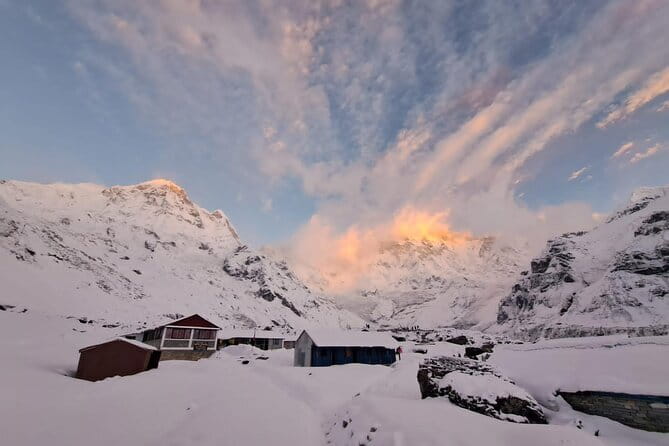
- you want the payoff of the base camp and a strong chance at sunrise views
It’s also a good match if you’re a first-timer who appreciates support. Multiple guide names show up in the feedback tied to making the trek feel manageable, even when it’s challenging.
If you’re a hardcore speed hiker, you might still enjoy it—but the value here is steadiness and organization, not racing.
Should you book this 10-day Annapurna Base Camp trek?
I’d book it if your priority is a well-run route where the tough logistics are handled—permits, guide, transfers, and Pokhara hotel planning—and you want the full mix of villages plus an honest shot at the base-camp experience.
I’d think twice if you know you’re not comfortable with steep uphill/downhill days or if you hate the idea of trekking near zones that are described as avalanche-prone, even with a guide. This is a real trek. The reward is real too.
If you want an adventure that’s practical, guided, and designed to keep you moving without constant planning stress, this one fits.
FAQ
What is included in the $490 per person price?
It includes hotel pickup and drop-off, Kathmandu to Pokhara to Kathmandu transfers by tourist bus, two nights in a 2-star hotel in Pokhara with breakfast, a government-licensed English-speaking trekking guide, trekking permits and official documents, transfers to the trek starting points, a private tour setup, and an emergency first aid kit with your guide.
Are trekking permits included?
Yes. Trekking permit and all official documents are included.
Is the trekking guide English-speaking?
Yes. The guide is described as a government-licensed English speaking trekking guide.
How do you travel between Kathmandu and Pokhara?
You take a luxury sofa seat tourist bus from Kathmandu to Pokhara, and then back from Pokhara to Kathmandu.
How many nights will you stay in Pokhara?
You’ll have 2 nights in Pokhara (2-star label hotel accommodation with breakfast).
Are meals included on the trek?
Food and drinks are not included. They’re available on purchase.
Is this tour private?
Yes. It’s listed as a private tour/activity, so only your group participates.
When does the experience start?
The listed start time is 11:15 am.
Is there free cancellation?
Yes. You can cancel up to 24 hours in advance for a full refund.
Is there a fitness requirement?
The tour states that travelers should have a moderate physical fitness level.
If you want, tell me your trekking experience (first time or not) and your travel month, and I’ll suggest how to pace yourself across the 10 days.