REVIEW · KATHMANDU
Everest Base Camp Trek 15 days | Local Guide | Flexible Itinerary
Book on Viator →Operated by Life Himalaya Trekking · Bookable on Viator
One thing is certain: Everest demands attention. This 15-day Everest Base Camp trek pairs the classic Sherpa trail with built-in acclimatization, tea house village days, and a summit-style early hike to Kala Patthar for big Everest, Lhotse, and Nuptse views.
I especially like how the plan is designed for altitude safety, not just mileage. I also like the practical comfort pieces: clean lodge stays, hygienic meals chosen from the lodge menu, and gear such as poles plus a sleeping bag and down jacket.
The main consideration is realism at altitude: you should expect cold nights, and the trek package does not include hot showers or battery charging during the route.
In This Review
- Key things that stood out on this EBC plan
- Entering the Everest world the right way
- Getting to Lukla: the early flight reality check
- Acclimatization that actually shapes your days
- Namche to Tengboche: tea houses, the Hillary Bridge, and a gompa morning
- Dingboche onward: the high country grind begins
- Reaching Everest Base Camp: your patience pays off
- Kala Patthar at dawn: the Everest photo route
- Coming down via Pangboche and a quieter trail feel
- Lodge comfort and meals: what’s included (and what isn’t)
- Guide, porters, and the safety mindset
- Price and value: what $1,890 is really buying
- Who should book this trek, and who should reconsider
- Final call: should you book this Everest Base Camp trek?
- FAQ
- FAQ
- Where does this Everest Base Camp trek start?
- How long is the trek?
- Is this a private tour or shared group?
- What flights are included for the Lukla route?
- What permits are included?
- What trekking gear is provided?
- Are meals included?
- Do I need travel insurance?
- Is full cancellation possible?
Key things that stood out on this EBC plan
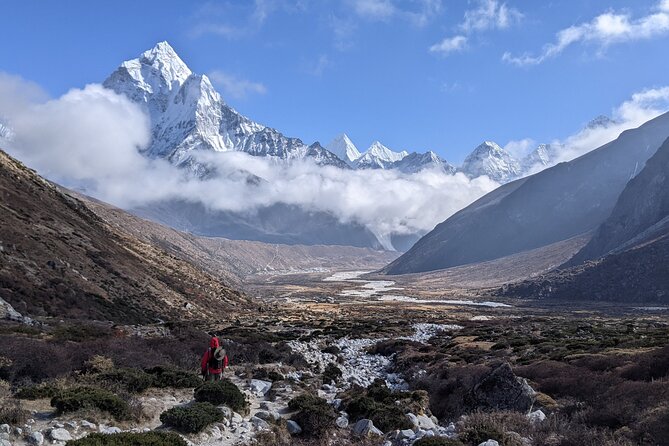
- Kala Patthar (5545m) at dawn for the classic, glacier-filled Everest view lineup
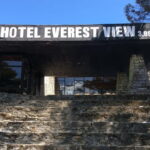
- Acclimatization stops at key elevations like Hotel Everest View (3440m) and Dingboche to help you manage altitude
- Tea house trekking where you eat what’s on the lodge menu and meet local Sherpa communities
- Included Lukla flights via Kathmandu/Ramechhap, so you skip the long road-bus scramble
- Porter support (1 porter for 2 people) carrying up to 20 kg total per porter team
- English-speaking licensed local guide plus an assistant guide for groups of 5+
Entering the Everest world the right way
Everest Base Camp is not a simple hike. It’s a long sequence of high-altitude days where your body has to adjust, your schedule has to make sense, and your logistics can’t wobble. What I like about this trek is that it aims to keep the experience steady: classic route towns, tea house rhythms, and enough breathing room built in.
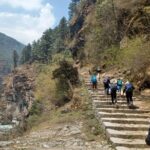
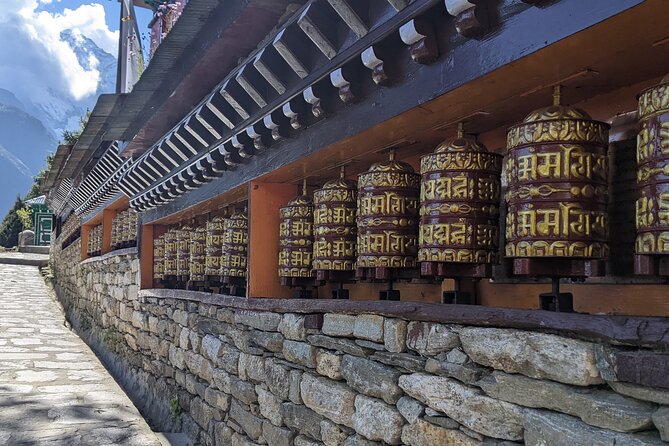
You’ll walk through Sherpa culture villages and see the local religious side at monastery stops such as Tengboche Gompa. That matters because it turns the trek from a single destination chase into a moving window into mountain life. And when the air thins, your guide’s job becomes even more important: pace control, hydration reminders, and keeping you on the safer side of effort.
Is this trek for people who want a casual stroll? Not really. You’ll be rewarded, but you’ll also work.
You can also read our reviews of more tours and experiences in Kathmandu.
Getting to Lukla: the early flight reality check
The trek’s big jump is the flight into the Everest region. You’ll transfer from Kathmandu to Lukla for the start on the high step at 2,810m (using the Tenzing-Hillary airstrip). This is one of those travel days where timing is everything, so the included early flight matters.
One practical thing: the package includes flights from Kathmandu/Ramechap to Lukla and back again. That means your team is thinking about the common routing options on the day of travel, rather than leaving you to handle it. You’ll also be going by private transportation to your departure point, which reduces stress the morning of.
What you should plan for: you’ll need to travel light enough to use the included baggage allowances, and you’ll want to be ready for cold conditions once you’re out of the plane and into the trekking towns.
Acclimatization that actually shapes your days
Good Everest trekking isn’t just “go higher.” It’s “go higher and live to tell the story.” This itinerary includes specific altitude breaks that are meant to reduce the odds of altitude sickness and make your progress more comfortable.
You get a dedicated acclimatization day around 3440m at the Hotel Everest View area. That’s a smart placement because it sits after you’ve already started moving up from Namche Bazaar and before you push into higher terrain. Then you get another key rest-and-adjust day in Dingboche, where you’ll also stay active with side excursions rather than just sitting still.
This is the part you feel most during the last third of the trek. When the days get harder, it helps when your body already learned how to handle the altitude in smaller steps.
Namche to Tengboche: tea houses, the Hillary Bridge, and a gompa morning
After arrival logistics, Day 3 is where the trek rhythm starts. You’ll eat breakfast at a tea house, walk for about five hours, and arrive in Namche Bazaar, the main hub of the region. Namche is where you’ll feel like you’re officially in the Everest circuit: lodges, shops, and a constant flow of trekkers and locals.
Along the way, you’ll pass Hillary Bridge, a simple but memorable checkpoint. It’s included in the planned day, and it gives you a sense of how the route connects these communities.
Then the trek continues uphill toward Tengboche. This is one of the better-known sections because it combines steady ascent with a monastery atmosphere. Tengboche Gompa is a highlight, and even if you’re not a religious traveler, it’s worth experiencing the place as part of local life, not just as a photo stop. Expect a day that’s mostly “walk, breathe, look up,” with the payoff of calmer terrain and big views as you get higher.
Dingboche onward: the high country grind begins
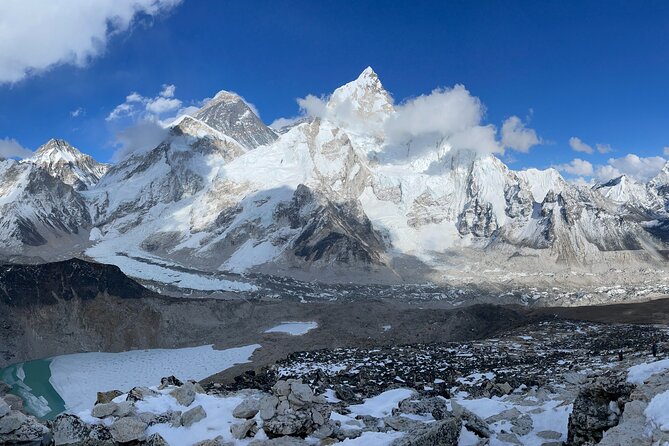
From Namche and Tengboche, the trekking terrain gets more demanding. One day takes you toward Dingboche after walking about four to five hours, including crossings like the Imja Khola bridge. You’ll move through names like Orsho and Pheriche areas as the route funnels you deeper into the higher valleys.
Day 6 sets up the next stage: the air feels thinner, but the walking is still manageable if you follow the pace your guide sets. Day 7 is your second acclimatization checkpoint in Dingboche, which is ideal for giving your legs a break while still keeping you moving.
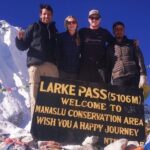
Then comes the stretch where you really start earning your Everest view. You’ll follow the route toward Thugla, then on to the big destination day. The important thing here is that the plan is paced so you’re not sprinting just to say you reached a number. You’re building to it.
Reaching Everest Base Camp: your patience pays off
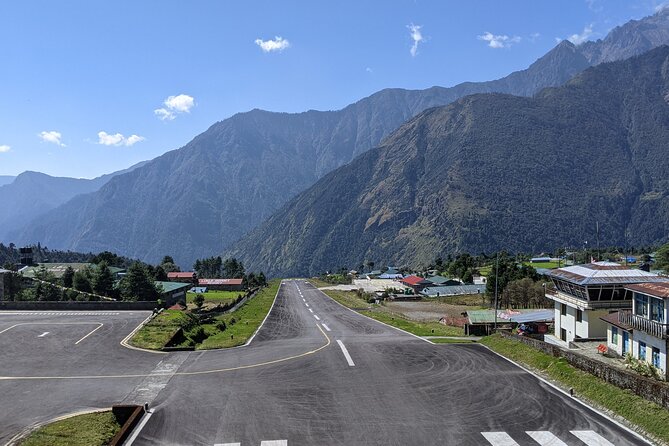
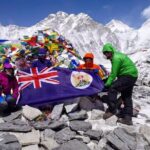
Day 9 is the “wait is over” day. Your walk takes you toward Everest Base Camp, the place that feels like a whole world even though it’s still just a camp sitting in a frozen landscape of glacial terrain. This day is often emotional because it represents the goal you’ve been talking about since day one.
You’re trekking at altitude, so the experience is not just about photos. It’s about how your breathing changes, how slow steps start to feel normal, and how the mountains look closer than they do from lower towns. Base Camp is also a reminder that the Everest story is bigger than the summit itself.
If you’re feeling tired here, that’s normal. The guide’s approach—keeping you safe and comfortable while still moving steadily—matters a lot on this day.
Kala Patthar at dawn: the Everest photo route
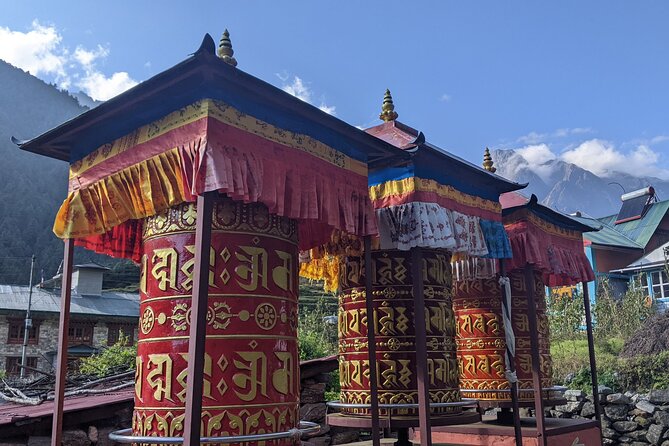
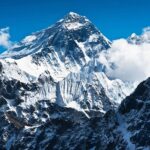
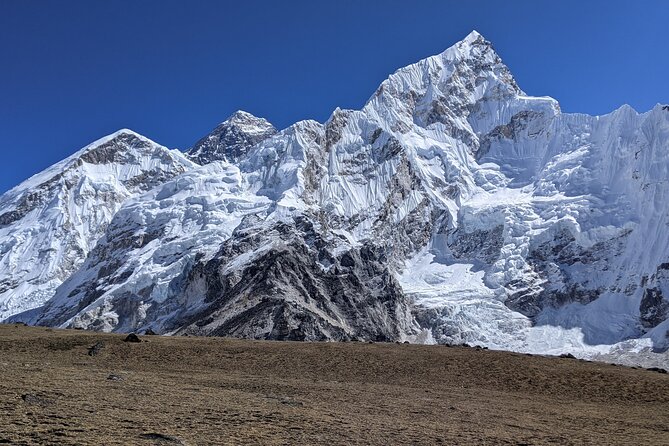
If Everest Base Camp is the finish line, Kala Patthar is the camera line. Day 10 starts very early because you’ll hike up to 5545m for the best views of Mt. Everest plus surrounding giants like Lhotse and Nuptse.
This is the highest point on the trek, and it tends to be the day that separates “I’m here” from “I’m really doing it.” Expect cold, and expect it to feel harder than the numbers suggest. Your best strategy is simple: slow steps, controlled breathing, and no heroic efforts.
The payoff is huge. You’re not just looking at one mountain; you’re seeing the full geometry of the Everest region in a way that’s hard to explain until you’re standing there.
Coming down via Pangboche and a quieter trail feel
The return route is about more than saving energy. It’s also about keeping your mind calm. Day 11 starts with trekking down toward Pangboche, then shifting to a less crowded route toward Phorste village. This is where the scenery keeps changing, and where you pass viewpoints tied to places like Amadablam and Thamserku.
You’ll also pass areas tied to the Tengboche monastery route, so you get that sense of coming full circle. But the mood changes: you’re moving downhill with the confidence that you already faced the hardest uphill days.
Day 12 adds another interesting element on the return side. You’ll trek down to a river coming from Gokyo lake, connect toward Gokyo trail points at Phorste Thanga (3680m), and then trek up toward Mong Danda. Even if you’re thinking of this as an Everest Base Camp trek, the return routing keeps things varied.
Day 13 then returns you along much of the earlier route—passing places like Toktok, Phakding, and ghat—so you reach Lukla again.
Lodge comfort and meals: what’s included (and what isn’t)
This trek is a tea house setup with lodge accommodation, and the package emphasizes clean, comfortable stays. Meals are arranged via the lodge menu, with hygienic food as a priority. That matters at altitude, because your appetite can swing and you still need steady energy.
The included meal counts are given as Breakfast (14), Lunch (12), Dinner (13), plus a farewell dinner. You should assume most trekking-day eating is covered, but lunch and dinner in Kathmandu are not included.
Two practical notes I think you’ll care about:
- Hot showers are not part of the package, so plan for sponge-bath vibes.
- Battery charging isn’t included during the trek, so bring a power plan you can live with.
If you rely on tech for navigation or photos, consider planning your charging schedule early with your guide and keep power use conservative.
Guide, porters, and the safety mindset
This is where the trek’s quality shows up day after day. The package includes an English-speaking, experienced licensed guide, and for groups of 5 or more there’s an assistant guide. That extra layer can make pacing and communication easier, especially when someone is struggling with altitude or cold.
Porter support is built in: 1 porter for every 2 people, with porters carrying up to 20 kg total (split as 10 kg per guest). That’s a big deal on a trek like this. When your pack isn’t crushing your shoulders, your legs can focus on steady steps instead of constant recovery.
You also see strong emphasis on safety and on avoiding altitude sickness through itinerary design and guide-led pacing. People mention guides such as Raj and Shiba, and porters like Suren and Sonam, plus support names including Ram, Phurpa, Prakash, Sagar, and team members such as Jal, Ravin, Ganesh, Vijay, and Teeras. That kind of staffing consistency is usually a good sign that the operation has handled lots of different personalities and fitness levels.
The funniest part is that you’ll still end up “managing your altitude” together. It’s half logistics, half encouragement.
Price and value: what $1,890 is really buying
At $1,890 per person, you’re not just paying for a guide’s time. You’re buying a bundled package that includes:
- Domestic flights between Kathmandu/Ramechap and Lukla
- Permits (Sagarmatha National Park, plus TIMS and local rural permits)
- Trek-day meals (breakfast, lunch, dinner on most days)
- Lodge accommodation (as described as clean and comfortable)
- Equipment like hiking poles, sleeping bag, and down jacket (to be returned after the trek)
- Private transportation, trail map, and an achievement certificate
- Porter support and a farewell dinner
The “gotchas” on cost aren’t hidden; they’re listed. You’ll need travel insurance covering up to 6000m (not included, shown as $200 per person). Tips for guide, porters, and drivers are also not included. And Kathmandu meals, snacks, beverages, hot showers, and charging aren’t covered.
So is it good value? For most people, yes—because altitude treks become expensive or messy when you have to assemble flights, permits, and staffing yourself. What you’re paying for is fewer moving parts and more accountability when conditions change.
Who should book this trek, and who should reconsider
This trek is best for people with strong physical fitness, since you’re hiking at high altitude for many days. If you’re the type who panics at cold mornings or gets frustrated by slow pacing, this one may feel long and demanding.
If you prefer structure, clear acclimatization logic, and a guide who is focused on safety and comfort, you’ll probably like it. Also, because it’s a private tour/activity where only your group participates, it suits couples, friends, and small groups who want a more controlled experience rather than blending into a big herd.
Final call: should you book this Everest Base Camp trek?
I’d book this trek if you want the classic Everest Base Camp experience with enough support to manage altitude—plus the comfort basics like clean lodges and included gear. The big selling points are the acclimatization planning, the licensed English-speaking guide, and the included flights and permits that keep the trip from turning into a last-minute scramble.
I would think twice if you want hot showers, battery charging included, or you’re hoping for a relaxed pace. This trek is about moving through the Everest region at altitude, and it asks you to meet it halfway.
FAQ
FAQ
Where does this Everest Base Camp trek start?
The trek start point is Tribhuvan Airport, Kathmandu, Nepal.
How long is the trek?
It runs 15 days (approx.).
Is this a private tour or shared group?
It’s a private tour/activity, meaning only your group will participate.
What flights are included for the Lukla route?
The package includes flights Kathmandu/Ramechap to Lukla and Lukla to Kathmandu/Ramechap for all members and staff.
What permits are included?
It includes the Sagarmatha National Park permit, TIMS permit, and a local rural area permit.
What trekking gear is provided?
You get hiking poles, sleeping bags, and a down jacket. These items are returned after the trek.
Are meals included?
Yes. Meals include breakfast (14), lunch (12), dinner (13), and a farewell dinner. Lunch and dinner in Kathmandu are not included.
Do I need travel insurance?
Yes, you need travel insurance covering up to 6000m. The data lists it as $200 per person, and it is not included in the package.
Is full cancellation possible?
Yes, there’s free cancellation. You can cancel up to 24 hours in advance for a full refund.
If you tell me your trekking date window and your current fitness level (and whether you’ve done high-altitude hikes before), I can also help you sanity-check whether 15 days is the right fit.