REVIEW · KATHMANDU
4 Days Pikey Peak Trek : The Best View of Mt Everest
Book on GetYourGuide →Operated by Alpinist Club · Bookable on GetYourGuide
Pikey Peak gives you Everest energy fast. I love the sunrise-style summit views and the quiet Sherpa villages that make this feel human, not like a cattle line. The trade-off is real: you’re in for a long drive out and back from Kathmandu, so it’s a trek, not a short hop.
This is an off-the-beaten-path Lower Khumbu trek designed for a small group (up to 8) and an easy pace. Pikey Peak is only 4,065 m, but altitude can still hit, so you’ll want smart pacing and extra water. If you’re expecting luxury lodges and private bathrooms, you might be disappointed—teahouses are basic but cozy.
In This Review
- Key things that make this trek worth your time
- Pikey Peak: the Everest view shortcut that still feels local
- The 4-day rhythm: what happens each day and why it matters
- Day 1: Kathmandu to Dhap Bazaar, then up to Jhapre (around 2 hours hiking)
- Day 2: Jhapre to Pikey Base Camp (about 6 hours)
- Day 3: Pikey Peak (4,065 m) sunrise-style moment, then back to Jhapre
- Day 4: Jhapre to Dhap, then drive back to Kathmandu
- Views of Everest, Dhaulagiri, and Kanchenjunga: how to make your camera count
- Sherpa culture in Lower Khumbu: what you’ll actually experience
- Lodges and food: basic but practical (and yes, you’ll want cash)
- Price and value: what $350 really buys on this trek
- Altitude reality check: Pikey Peak is moderate, not risk-free
- Guides and group size: why it feels calmer
- What to pack (and what to skip) for 4 days near Everest
- Best time to go: rhododendrons, weather, and visibility
- Should you book the Pikey Peak Trek?
- FAQ
- How long is the Pikey Peak Trek?
- What is the altitude of Pikey Peak?
- Is this trek good for beginners or people short on time?
- What’s included in the $350 price?
- Are meals included?
- Do I need cash for the trek?
Key things that make this trek worth your time
- The best views come with minimal altitude pressure compared to classic Everest routes
- Pikey Peak sunrise moment: big panoramic views with less crowd stress
- Rhododendron forests + alpine meadows make the trail feel alive seasonally
- Sherpa culture through nearby villages gives context, not just scenery
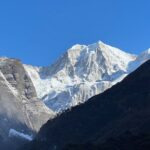
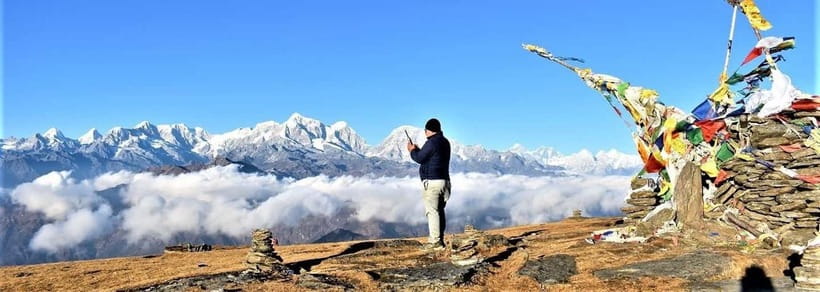
- Big-name Himalayan range views including Everest, Dhaulagiri, and Kanchenjunga
- Short enough to fit a city break in Kathmandu while still feeling “Himalayan”
Pikey Peak: the Everest view shortcut that still feels local
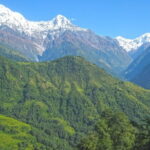
Pikey Peak Trek is the kind of Himalaya experience you can do without giving up your whole month. You’ll be hiking in the Lower Khumbu region near Kathmandu, but the reward is serious: wide, high-angle views that can include Mt Everest (8,848 m) alongside other giants like Dhaulagiri and Kanchenjunga.
What makes it feel different from the bigger Everest circuits is the vibe. You’re on peaceful trails through villages and forests, not constantly moving around crowds. Even better, the trek is structured so you spend your effort where it counts—on ridges and viewpoints—rather than just walking to reach the next queue.
And yes, the drive matters. This trip starts with a long jeep/van transfer from Kathmandu to the Dhap area and finishes with the return drive the last day. If you hate long rides, plan for it mentally (and bring water and something to keep you comfortable).
You can also read our reviews of more tours and experiences in Kathmandu.
The 4-day rhythm: what happens each day and why it matters
Day 1: Kathmandu to Dhap Bazaar, then up to Jhapre (around 2 hours hiking)
You’ll start in Kathmandu, with pickup from Thamel. Then it’s a scenic transfer out toward Dhap Bazaar, following the Sunkoshi River for a while. Expect countryside views—forests, rivers, and terraced fields—so you get a taste of Nepal before the trail even starts.
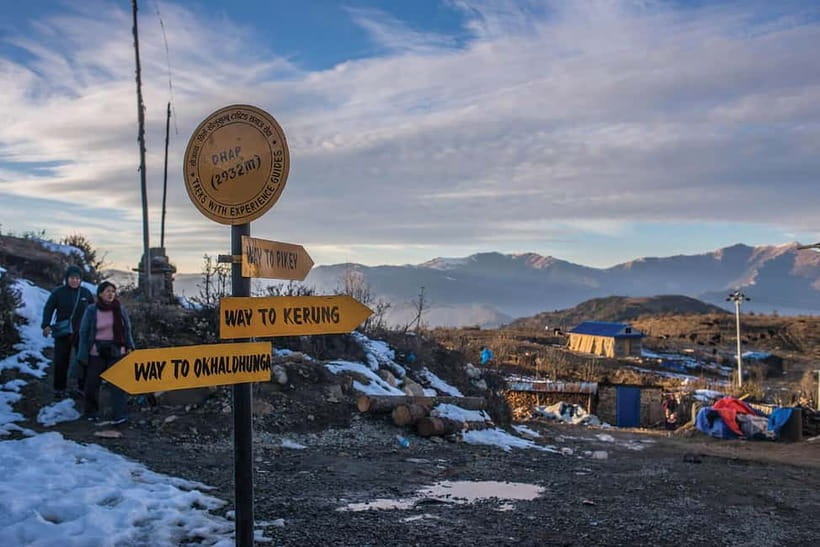
Once you reach Dhap Bazaar, you switch gears to trekking. The hike to Jhapre (at about 2,820 m) is short and manageable, roughly a couple hours of walking. Along the way, you may pass the Tibetan-influenced village of Kerung and stop to see Buddhist monasteries in the hills. The point of Day 1 is simple: settle into altitude gradually, learn the route feel, and sleep in a lodge so you’re ready for the higher day tomorrow.
Practical tip: Day 1 is also where you should test your footwear and clothing layers. If anything rubs, this is your chance to fix it before the bigger viewpoint push.
Day 2: Jhapre to Pikey Base Camp (about 6 hours)
Today is the main “climb to your viewpoint zone.” You hike up to Pikey Base Camp at 3,640 m. The walk takes around 6 hours, and the terrain gives you variety: trails marked with stone walls, ancient stupas, and Buddhist monasteries you can’t miss if you’re paying attention.
Pikey Base Camp matters because it’s a key rest point on this trek—described as the second-highest stop on the route. That’s not just a label. It means you spend the night at a high enough altitude to appreciate the scale, but still in a place designed for trekkers, so you’re not scrambling for comfort after a big day.
If you care about photos, this is where you start collecting angles: mountain views can open up at different levels as you gain height. Even if the summit isn’t totally visible yet, the Himalayan atmosphere becomes clearer as the day goes on.
Day 3: Pikey Peak (4,065 m) sunrise-style moment, then back to Jhapre
This is the day you came for. You trek to Pikey Peak (about 4,065 m). The summit part is roughly 1.5 hours of hiking from the base area, depending on conditions and how fast you move.
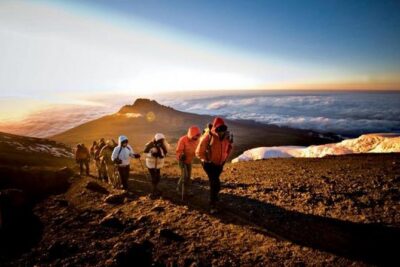
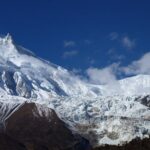
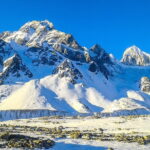
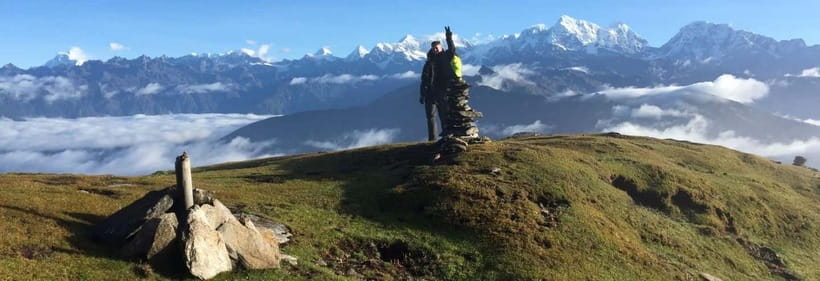
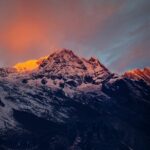
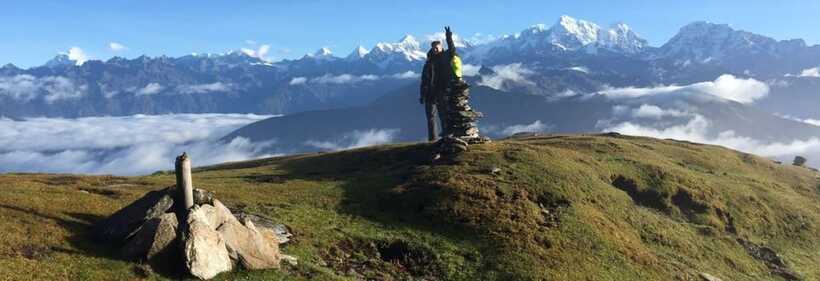
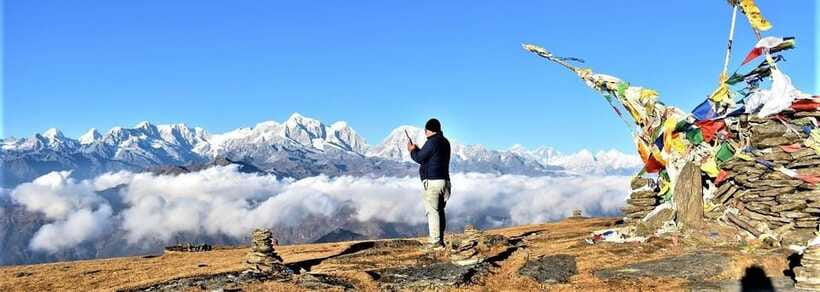
At the top, the view is the headline: from the east you can see Kanchenjunga, across to Dhaulagiri in the west, and you may catch Mt Everest in the frame at its staggering height. You’ll get panoramic, high-angle scenery—exactly the kind of view that makes a “short trek” feel worth it.
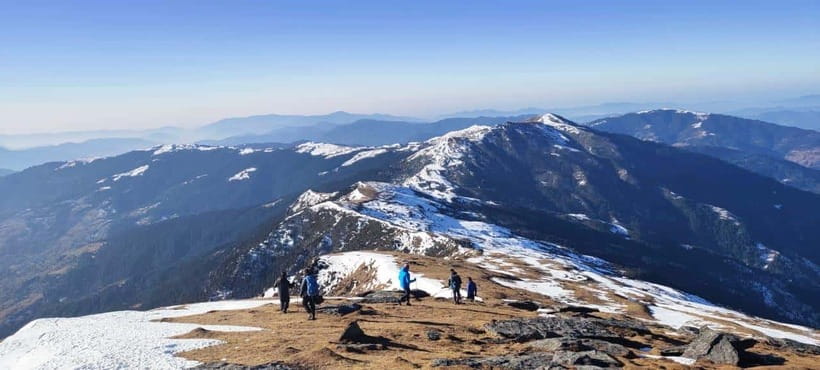
After you soak it in, you descend back to Pikey Base Camp and continue down to Jhapre. That return hiking totals around 6 hours. The reason this day works well for many trekkers is that it has a clear peak moment, then a controlled descent—helpful for feeling better physically compared to spending several days climbing higher.
Practical tip: Bring your headlamp and keep your layers ready. If you’re going for sunrise-style viewing, start cold, move slow, and don’t treat it like a race. Altitude doesn’t reward heroics.
Day 4: Jhapre to Dhap, then drive back to Kathmandu
You finish with a final descent trek to Dhap (breakdown timing varies, but it’s typically the last hiking leg after breakfast). Then you’re back in the jeep/van for the drive to Kathmandu, with drop-off at your hotel.
This day is mostly about recovery and reflection. You’ve already climbed to 4,065 m and had the big views; now you’re rewarded with a lower-elevation return. It also helps you avoid the trap of ending a trek by immediately needing another exhausting adventure.
When you arrive back in Kathmandu, you’re back in the normal rhythm of showers, hot meals, and fewer layers. You’ll feel the contrast.
Views of Everest, Dhaulagiri, and Kanchenjunga: how to make your camera count
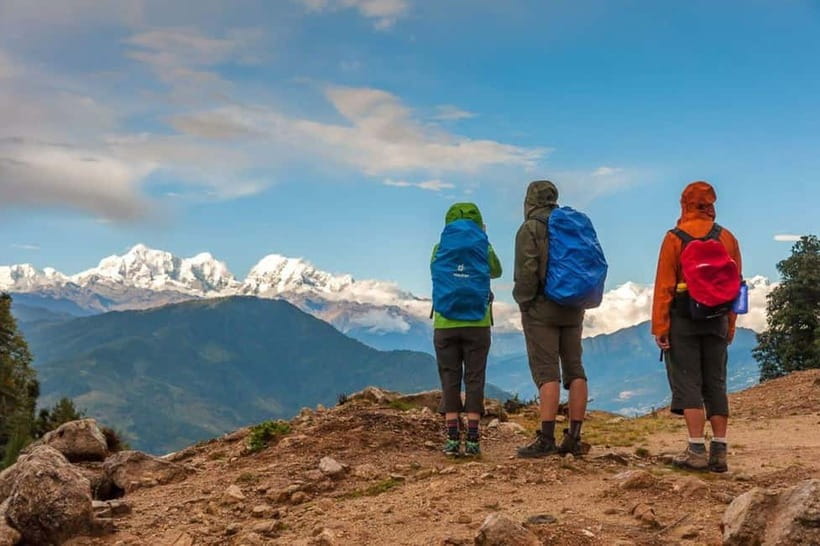
The selling point is the Himalayas, and it’s specific here: Everest is on the view list, alongside Dhaulagiri and Kanchenjunga. But you’ll get the best results if you treat visibility like a living thing.
In spring (March–May) you can get blooming rhododendrons and clearer mountain views. Autumn (Sept–Nov) is often the best for visibility and weather. Winter (Dec–Feb) brings cold conditions but can still deliver clear skies. That means the mountains can look different depending on the season, and your job is to be ready for what the day gives you.
What to bring for photos:
- A camera with charged batteries and a power bank (electricity is limited)
- Sunglasses and sunscreen—high-altitude reflection is no joke
- A plan for light changes: sunrise can be stunning, then quickly shift
Also, keep your expectations honest: even on the best day, cloud cover can change your view. That’s true on any Himalayan trek. The value of Pikey Peak is that the payoff is broad panoramic rather than one single “must be perfect or it’s ruined” viewpoint.
Sherpa culture in Lower Khumbu: what you’ll actually experience
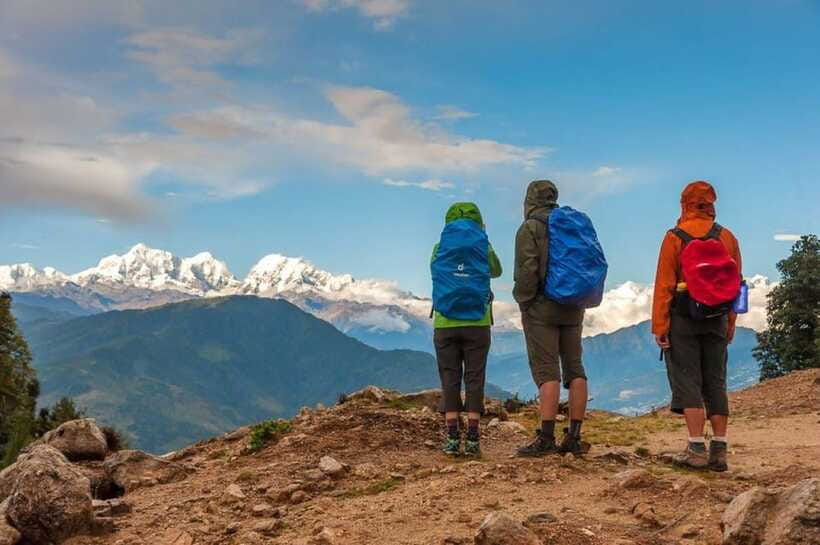
This trek isn’t just about altitude. You pass through communities where monasteries, village life, and mountain culture meet. Day 1 includes a Tibetan-influenced village (Kerung) and Buddhist monasteries. As you trek onward, you’ll also see Buddhist stupas and monasteries embedded in the trail corridors.
Then, on the way up and down, you’ll spend time in Sherpa village settings—small places where you can see everyday life rather than just scenic stops. That’s the kind of cultural encounter that feels real because it’s not forced into a “performance.” You’re moving through the region as trekkers, and you’re meeting people who live with these mountains as part of the daily background.
Language support helps too. The trek uses an English-speaking trekking guide, which matters when you want to understand what you’re seeing and not just walk past it.
Lodges and food: basic but practical (and yes, you’ll want cash)
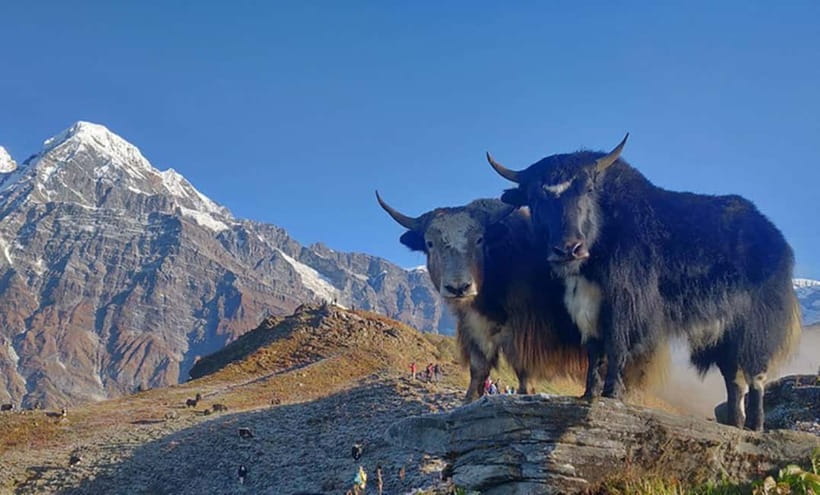
Accommodation is in teahouses/lodges, described as basic but cozy. Rooms are typically twin sharing with blankets. Food is simple, mountain-friendly fare such as dal bhat, noodles, soup, eggs, potatoes, Tibetan bread, tea, and coffee.
Two realities to plan for:
- Meals and beverages aren’t included in the stated tour price.
- Hot showers are available in some lodges, but they cost extra.
That means you should budget day-to-day and not assume every meal is covered. The plus side is that the food options are familiar enough to keep your energy up.
For payment: bring enough Nepali rupees. Cash machines aren’t available on the trail, and mobile network can be patchy. Electricity is limited, so charge devices when you can, and don’t leave your camera battery decisions until the last possible moment.
Price and value: what $350 really buys on this trek
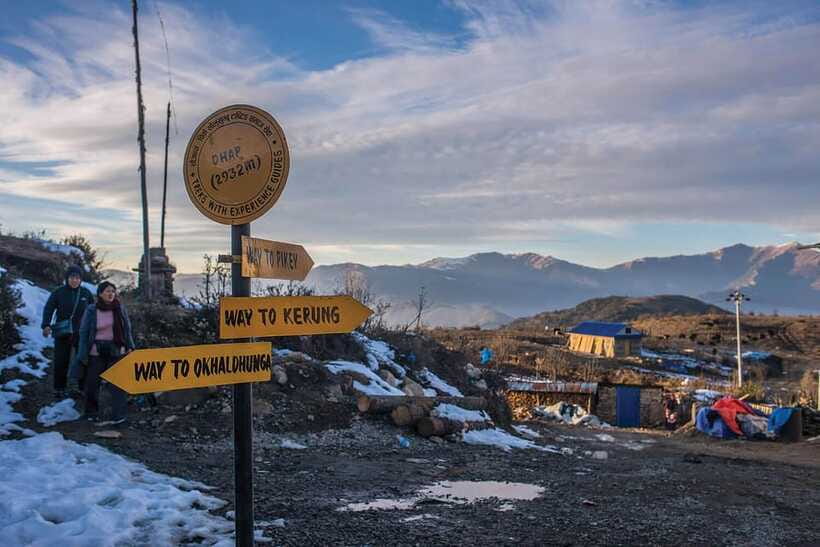
At $350 per person for 4 days, the key value is what’s included versus what you’ll pay separately.
Included:
- Experienced English-speaking trekking guide
- Permits and government taxes
- Private jeep/van transfers Kathmandu–Dhap–Kathmandu
- Pick up and drop at your Kathmandu hotel
- Lodge accommodation during the trek with breakfast
Not included:
- Meals and beverages
- Porter
- Personal expenses
Here’s how I think about value on a trek like this: the jeep/van transfer and the guide are the hardest parts to replicate on your own if you don’t want stress. Permits and taxes are another non-trivial factor. Once those pieces are covered, your remaining budget is mostly meals and small extras.
Is it a good deal? For many people, yes—because you’re buying convenience and reduced planning load, plus a guide who can keep you moving safely and efficiently. If you’re a strong independent trekker who already knows the region, you might compare costs. But for a short 4-day “Everest view” plan, this setup often hits the sweet spot.
Altitude reality check: Pikey Peak is moderate, not risk-free
Pikey Peak at 4,065 m is considered relatively moderate altitude. Still, mild altitude sickness (AMS) can happen. The common signs listed are headache, nausea, and fatigue.
The best part is that the trek design supports recovery:
- You climb gradually and sleep at high altitude before the summit day.
- After summiting, you descend back down toward lower elevation and sleep lower again.
Your job is to follow simple altitude rules:
- Drink plenty of water
- Walk slowly (especially early)
- Avoid alcohol
- Sleep lower after the summit day
- If you feel sick, don’t “push through” just because the summit is close
If you’re prone to altitude issues, consider talking with a medical professional before you go. And if you’re pregnant, this trek is not suitable based on the trip’s guidance.
Guides and group size: why it feels calmer
This is a small group trek, limited to 8 participants. That matters more than you might think. With fewer people, you get a smoother walking rhythm and more room for your guide to check in on how everyone is handling the day.
This trek is led by an experienced English-speaking guide. Names you might see associated with this route include guides such as Pemba, Sukbir Tamang, and Ngima Chhechi Sherpa. Whoever leads your group, the practical goal stays the same: good pacing, route support, and helping you get the best experience from each viewpoint.
What to pack (and what to skip) for 4 days near Everest
Even with only 4 days, conditions can change fast. Pack light but smart.
Bring:
- Trekking boots (broken in if possible)
- Layered clothing: base layer, fleece, down jacket, waterproof shell
- Gloves, hat, and a buff or scarf
- Sunglasses and sunscreen
- Headlamp (especially useful for early summit viewing)
- Water purification tablets or a filter
- Snacks like energy bars and nuts
- Sleeping bag if you prefer your own (lodges provide blankets)
- Small first-aid kit, including altitude and stomach medicine
- Power bank (electricity is limited)
Skip extra weight. Every unnecessary item becomes a tax on the uphill days.
Best time to go: rhododendrons, weather, and visibility
Your best season choices depend on what you want to see:
- Spring (March–May): rhododendrons and often clear views
- Autumn (Sept–Nov): best visibility and weather
- Winter (Dec–Feb): cold, but clear skies can happen
If you’re a photographer, you’ll likely love spring and autumn most, because daylight and visibility help your Everest framing. If you’re okay with cold, winter can pay off too—just don’t underestimate how cold it feels at higher elevations.
Should you book the Pikey Peak Trek?
Book this trek if:
- You want a short Himalayan adventure with a strong chance of Mt Everest views
- You prefer quieter trails and small-group trekking
- You like cultural context as you walk (villages, monasteries, stupas)
- You’re okay with basic lodges and paying for meals separately
Skip it or think twice if:
- You hate long driving days (there’s a long transfer out and back)
- You need fully included meals and drinks
- You’re not comfortable with mild altitude risk, even at moderate elevation
If you want a practical Everest-view experience without the big-expedition commitment, Pikey Peak is one of the most sensible ways to do it.
FAQ
How long is the Pikey Peak Trek?
The trek runs for 4 days.
What is the altitude of Pikey Peak?
Pikey Peak is 4,065 meters.
Is this trek good for beginners or people short on time?
Yes. It’s designed for a short Himalayan adventure with moderate altitude and peaceful trails, so it can work well for beginners and families.
What’s included in the $350 price?
The price includes an English-speaking trekking guide, permits, government taxes, private jeep/van Kathmandu to Dhap and back, hotel pickup/drop-off in Kathmandu, and lodge accommodation with breakfast during the trek.
Are meals included?
No. Meals and beverages are not included, so you’ll pay for food while you’re on the trail.
Do I need cash for the trek?
Yes. Bring enough cash in Nepali rupees because there are no ATMs on the trail, and network/cash access can be limited.