REVIEW · KATHMANDU
9 Days LANGTANG VALLEY TREKKING IN NEPAL
Book on Viator →Operated by Mountain Tiger Nepal · Bookable on Viator
Few treks hit two worlds this well. You get Kathmandu temple icons in the morning, then swap scooters for trails and tea houses as you work your way into Langtang’s mountain kingdom.
What I like most is the mix: UNESCO Kathmandu temples first, then Langtang Valley with Tamang culture and Himalayan scenery. I also love that your trek is guided with a professional team, plus practical support like a porter and provided trekking poles.
One consideration: you’ll be climbing up to about 4,773 m for Kyanjin Ri, so you should plan for cold, thin air, and slower uphill days. If you’re sensitive to altitude, take your guide’s pacing advice seriously.
In This Review
- Key Things That Make This Langtang Trek Click
- Kathmandu Before the Trek: Pashupatinath, Swayambhunath, and Boudhanath
- Driving Into Langtang: Dhunche, the Park Checkpost, and Syabrubesi
- Syabrubesi Hot Springs: A Simple Recovery Tool
- Thulo Syabru and Langtang Village: Tamang Culture Meets Mountain Views
- Kyanjin Gompa and the Kyanjin Ri Challenge: Where the Effort Pays Back
- Ghodatabela and the Long Descent Mood Shift
- Gear, Permits, Meals, and Porter Support: The Real Comfort Value
- Price and Logistics: What You’re Paying For at $1,050
- Who This Trek Fits Best (And Who Should Reconsider)
- FAQ
- What does the price include?
- What permits are included for the trek?
- Do I get trekking poles and a sleeping bag?
- Is a porter included?
- What meals are included during the trek?
- Can I get a full refund if I cancel?
- Should You Book This 9-Day Langtang Valley Trek?
Key Things That Make This Langtang Trek Click
- Temple start in Kathmandu: Pashupatinath, Swayambhunath (Monkey Temple), and Boudhanath set the tone before the mountains.
- Private vehicle transfer: Kathmandu to Syabrubesi by air-conditioned car keeps the start calmer.
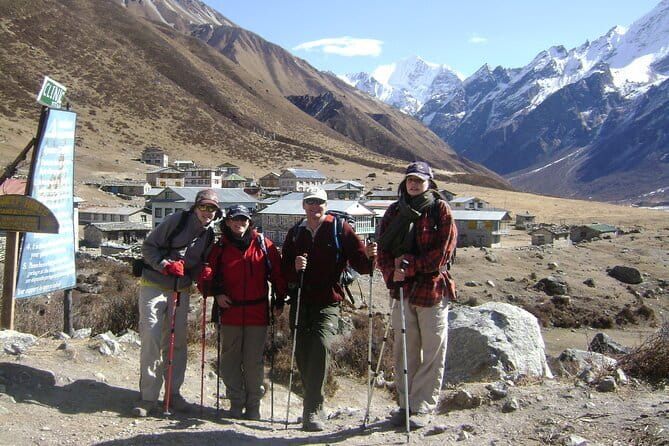
- Tamang village trail time: Stops like Thulo Syabru and Langtang Village keep this about people, not only views.
- Big highlight hike to Kyanjin Ri: Reward for effort with panoramic peak-and-glacier views.
- Comfort helpers included: Trekking poles, a camp-grade sleeping bag, a porter, and permits are handled for you.
Kathmandu Before the Trek: Pashupatinath, Swayambhunath, and Boudhanath
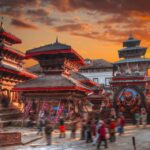
This trip makes a smart move: it doesn’t throw you straight onto a trail after landing. Instead, you start in Kathmandu with three major sacred sites that give you a real feel for Nepal beyond the airport lane.
At Pashupatinath Temple, you’ll see the Bagmati River as part of living Hindu practice. The temple is dedicated to Lord Shiva and draws pilgrims from Nepal, India, and beyond. It also means you’ll want to act like a guest: dress modestly and keep your voice low near worship areas.
Then it’s Swayambhunath Stupa, the Monkey Temple on a hill. The place is ancient and important in Buddhist tradition, and the name points to something that feels very Nepal: Swayambhunath means self-existent one. You’ll get sweeping views over Kathmandu from the hill while you pass prayer flags and painted details.
Finally, Boudhanath Stupa brings a different mood. With its massive dome base and the Buddha’s watchful eyes on all sides, it’s a visual lesson in how Buddhism reads compassion and awareness into everyday life. It’s also a nice buffer day after travel before you start altitude work.
You can also read our reviews of more tours and experiences in Kathmandu.
Driving Into Langtang: Dhunche, the Park Checkpost, and Syabrubesi
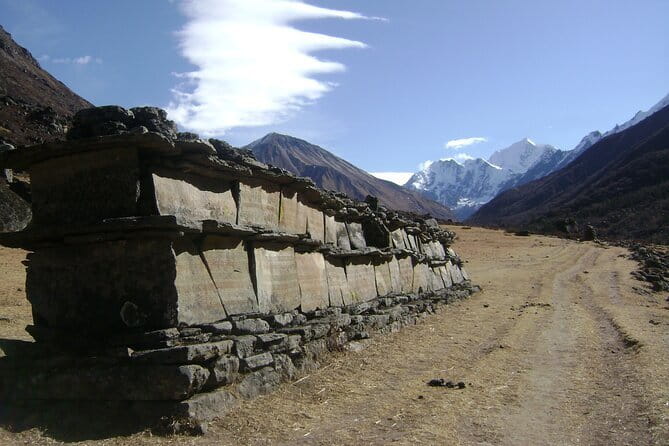
After Kathmandu, you switch from city time to mountain time fast. Your transfer goes from Kathmandu to Syabrubesi using a private air-conditioned vehicle. Along the way you pass small villages, terraced hills, and a growing sense that the valley is getting narrower and higher.
Dhunche is where the trek “becomes real.” It’s described as a gateway to Langtang National Park and the Langtang Valley trek, and it’s also where you can taste rural rhythm: simple shops, local accommodation, and the kind of atmosphere that’s built for trekkers to regroup.
As you enter Langtang National Park, you’ll go through the checkpost. This is where having your paperwork ready matters. The route notes that you may need to show your Langtang National Park permit, which is included in what you pay for here.
Syabrubesi is your starting village on this side of the valley system. You’ll likely feel the difference right away: quieter streets, guesthouses designed for hikers, and mountain views that don’t require you to climb for them first. One day here also helps you settle your logistics before the walking starts in earnest.
Syabrubesi Hot Springs: A Simple Recovery Tool
One of the most practical moments in the plan is Syabrubesi Hot Spring. After days of travel and early trekking effort, this is the kind of stop that can make your legs forgive you.
The hot spring sits near the village and is described as natural thermal water with mineral-rich pools. Translation: it’s a straightforward way to loosen muscles after uphill walking, without needing fancy recovery tech. Keep it casual. Bring something you can rinse and dry, and don’t overdo it if the water is really hot.
Even if you’re not the type to soak happily for long stretches, a short visit helps you reset. This matters because your trek includes multiple changes in elevation and long days of walking where comfort comes from small choices: warm-down time, hydration habits, and listening when your body says slow down.
Thulo Syabru and Langtang Village: Tamang Culture Meets Mountain Views
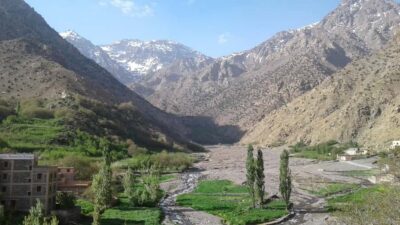
The Langtang route doesn’t just move through scenery. It moves through community. Stops like Thulo Syabru and Langtang Village are where you slow down enough to notice how Tamang life and mountain living fit together.
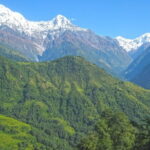
Thulo Syabru sits around 2,200 m and is known for traditional Tamang architecture. You’ll also get those classic valley views—green hills and peak silhouettes—without needing to be at the highest camps. This makes it a useful mental checkpoint on the trek. If you feel nervous early in the trek, this is where you learn the route isn’t only about pushing. It’s about rhythm.
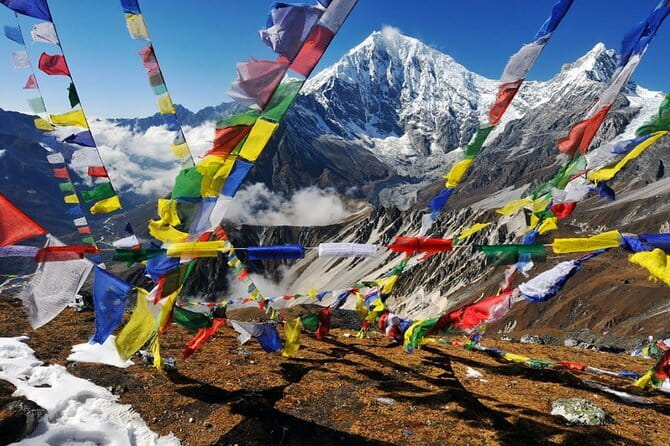
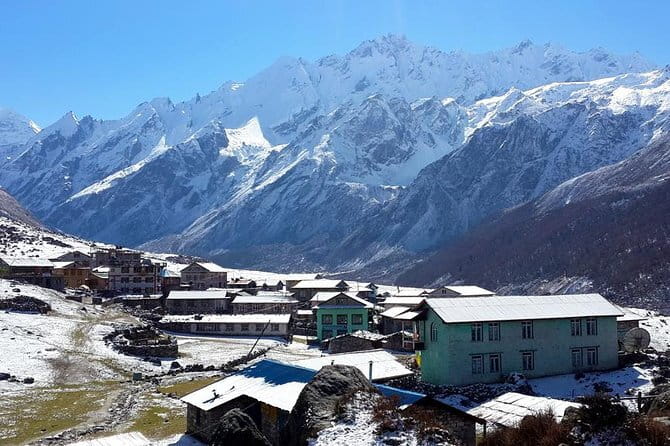
Then Langtang Village brings you deeper into the valley’s core. It’s described as a tranquil settlement with prayer flags and stone houses. This is where you’re most likely to meet locals who understand what it means when visitors show up with trekking poles and big questions about the mountains. The cultural exchange here is part of the value of the trek, not a side note.
A practical tip: tea houses here are part of the experience. Go with flexible expectations about rooms, hot water, and meals. You’re paying for guided access to the trail and the Himalayan setting, not for a hotel brochure.
Kyanjin Gompa and the Kyanjin Ri Challenge: Where the Effort Pays Back
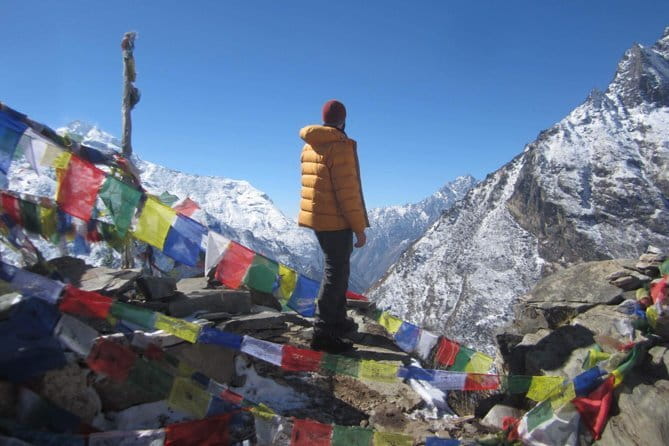
This is the main event. Kyanjin Gompa sits around 3,870 m and is a Buddhist monastery and pilgrimage stop. It’s known for ornate architecture, colorful prayer flags, and a quiet feeling that’s easy to understand once you’re surrounded by big peaks and glaciers.
You don’t just pass through. Gompa is also described as a place where trekkers can explore monastery grounds and enjoy panoramic mountain views. If you want a “pause” moment during the trek, this is it—short, respectful breaks where your body catches up to the views.
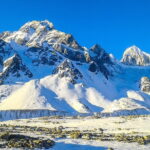
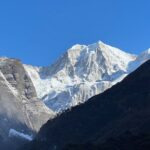
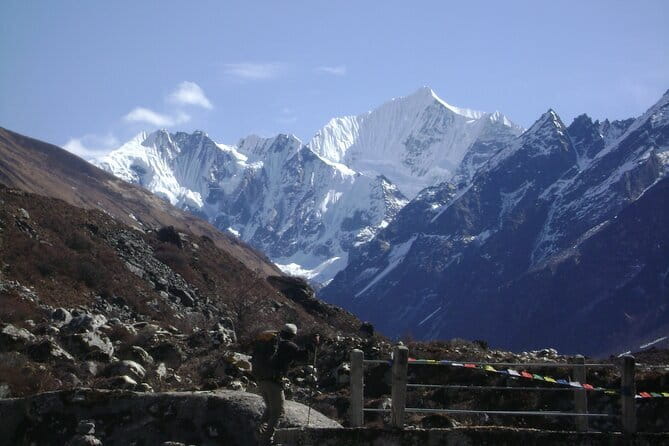
Then comes Kyanjin Ri, the hike up to about 4,773 m. This is where you earn the classic Langtang panorama, including peaks mentioned like Langtang Lirung and Dorje Lakpa. The route description frames it as an exhilarating hike from Kyanjin Gompa with summit effort rewarded by glaciers and snow-capped ridgelines.
How to handle it: start slowly, keep breathing steady, and trust your guide’s pacing. If you’ve never done altitude walks before, don’t sprint early just because the morning feels good. Most of the “wow” arrives when you make it to the top without draining yourself too soon.
Ghodatabela and the Long Descent Mood Shift
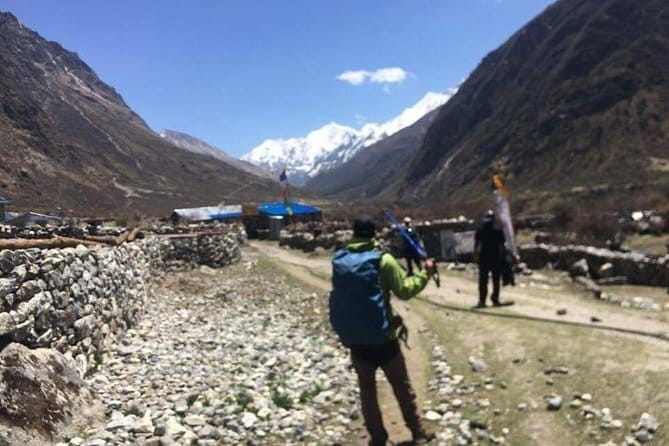
After the Kyanjin highlights, the trek shifts from high-drama effort to steady walking. Ghodatabela is described as a scenic stop in the Langtang Valley route, known for forests, cascading water, and mountain views.
The name Ghodatabela translates to horse stable, which gives the place a real sense of how these routes have served travelers (and animals) for a long time. Today it’s a popular overnight stop along the trail, and that history adds charm without turning it into a gimmick.
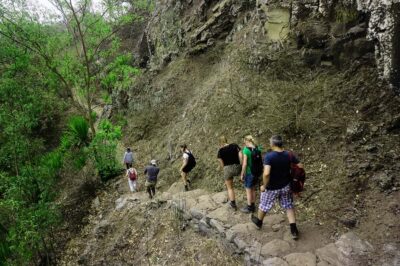
One thing I appreciate about returning via the valley route is the contrast. The mountains don’t stop being beautiful, but you start noticing different details: river sounds, the changing tree line, and how your legs respond when the steepness eases.
Just remember: downhill can still be hard on knees. Even with the right pace, you may want to use your trekking poles more than you expect. This is one of the reasons poles being provided is such a nice setup.
Gear, Permits, Meals, and Porter Support: The Real Comfort Value
This trek is built around tea house/lodge nights (6 nights on trail), and the included meal plan is practical: breakfast 8 times, lunch 7 times, dinner 6 times. That means your days are mostly covered once you’re on the trek, and you can focus on walking and acclimating instead of playing meal-guessing games each afternoon.
You’ll also get TIMS permit and Langtang National Park permit included. You should still expect your guide to handle paperwork checks, including showing permits at the national park checkpost.
For gear, the trip provides a camp-grade sleeping bag and trekking poles. That’s real value if you don’t want to buy gear for one trip. Camp-grade doesn’t mean lightweight comfort; cold mornings can happen in higher altitude zones, so treat layering as non-negotiable.
A porter is included too, which can reduce the strain of carrying extra weight. It doesn’t eliminate fatigue, but it changes how fatigue feels—less backpack burden, more focus on breathing and foot placement.
Finally, insurance and medical coverage aren’t included. That’s worth planning ahead because altitude trekking and remote trails are not the place to assume luck.
Price and Logistics: What You’re Paying For at $1,050
The listed price is $1,050 per person for an approx. 9-day trek. On paper, it might look like a lot until you break down what’s actually handled.
You’re paying for:
- Guidance by an experienced trekking guide throughout the trek
- Private transportation from Kathmandu to Syabrubesi by air-conditioned vehicle
- 2 nights in Kathmandu at a 3-star hotel
- Permits (TIMS and Langtang National Park)
- Meals on trail and included Kathmandu lodging coverage
- Trekking support gear (sleeping bag and poles)
- A porter
- Group discounts mentioned, plus the simplicity of a mobile ticket
Where the value shows up is in how little you have to manage yourself. Trekking in Langtang is not a DIY weekend. Paperwork, transfers, and day-to-day logistics matter. This plan hands those to the team so you can spend your energy on the trail and the views.
What you should watch for: personal expenses and drinks are not included. Also, any medical insurance choices are on you, not on the tour cost.
Who This Trek Fits Best (And Who Should Reconsider)
This is a guided Langtang Valley trek that most people can participate in. It’s also described as beginner trekking by someone who did it with family. That doesn’t mean it’s easy; it means the route is structured with guidance and tea house support, so you’re not making decisions alone.
You’ll probably love it if:
- you want classic Langtang scenery without planning every step yourself
- you like cultural stops, not only mountain photos
- you value having a guide who keeps safety and pacing front and center
- you want a team trip that still gives quiet time at major viewpoints like Kyanjin Gompa and Kyanjin Ri
You might reconsider if:
- you have major health concerns related to altitude, cold nights, or long walking days
- you hate basic tea house lodging setups (even with a guided plan, it’s not a resort)
If your goal is a first Himalayan trek that feels guided and rewarding, this route makes a lot of sense.
FAQ
What does the price include?
The tour includes breakfast (8 times), lunch (7 times), dinner (6 times), 6 nights on tea house/lodge during the Langtang trek, private transportation, a professional trekking guide, 2 nights in Kathmandu at a 3-star hotel, TIMS and Langtang National Park permits, a camp-grade sleeping bag and trekking poles, and a porter.
What permits are included for the trek?
TIMS and the Langtang National Park permit are included. You may also need to show your National Park permit at the Langtang National Park checkpost.
Do I get trekking poles and a sleeping bag?
Yes. Trekking poles and a camp-grade sleeping bag are provided for trekking.
Is a porter included?
Yes, a porter is included.
What meals are included during the trek?
Meals included are breakfast 8 times, lunch 7 times, and dinner 6 times.
Can I get a full refund if I cancel?
Yes. There is free cancellation, and you can cancel up to 24 hours in advance for a full refund.
Should You Book This 9-Day Langtang Valley Trek?
If you want a guided Langtang Valley trek that combines Kathmandu’s UNESCO temples with a serious mountain payoff at Kyanjin Gompa and Kyanjin Ri, this is a strong pick. The biggest reason to book is value in the details: permits handled, meals planned, trekking gear provided, and a porter so you can focus on walking and enjoying the valley.
I’d say book if you’re comfortable with chilly high-altitude hikes and basic mountain lodging. Pass if you’re unsure about altitude or you’re hoping for fully cushy hotel comforts every night.