REVIEW · MOSHI
6-Day Kilimanjaro Machame Route – A Stunning Trek to Uhuru Peak
Book on Viator →Operated by PINNACLE ADVENTURES & SAFARIS LTD. · Bookable on Viator
Kilimanjaro starts with a rainforest stairway. This 6-Day Machame Route is famous for its mix of jungle, moorland, and alpine desert as you work your way toward Uhuru Peak. It’s one of Kilimanjaro’s most popular climbs for good reason: the scenery changes day by day, and the schedule gives you time to acclimatize.
I like the way the plan balances effort with altitude sense. Your days include “work but not overload” sections, like the Baranco-area acclimatization timing. I also like the logistics support: the package covers transfers, campsite setup, and daily creature comforts like hot water for washing and fresh water for drinking.
One consideration: summit day starts at midnight and runs long. If you don’t handle endurance pressure well, the hours from Stella Point to Uhuru Peak (then down again) will feel very demanding.
In This Review
- Key highlights you’ll actually feel on the mountain
- Why the Machame Route earns its Whiskey Route reputation
- Moshi to Machame Gate: getting started without wasting energy
- Day 1: Machame Gate to Machame Camp through the rainforest (1,640m–2,835m)
- Day 2: Shira Cave Camp and the steep move out of the forest (2,835m–3,850m)
- Day 3: Ridge to Lava Tower area and down to Barranco Camp (~4,000m)
- Day 4: Barranco to Barafu Hut on the South Circuit (13,000–15,000ft / 9 km)
- Day 5: Midnight to Stella Point (5,756m) and Uhuru Peak (up to 5,895m), then down to Mweka
- Day 6: Mweka Trail down to the park gate and summit certificates (3,090m to 1,680m)
- Price and value: what $2,253 covers (and what it doesn’t)
- Guides, porters, and the small comforts that make a big difference
- Practical packing and altitude choices that protect your chances
- Who should book the 6-Day Machame Route
- Should you book this trek?
- FAQ
- How long is the 6-Day Kilimanjaro Machame trek?
- Where does the trek start and end?
- Does this experience include pickup?
- What’s the highest point you reach?
- What’s included in the price of $2,253?
- What is not included?
- What fitness level do I need?
Key highlights you’ll actually feel on the mountain
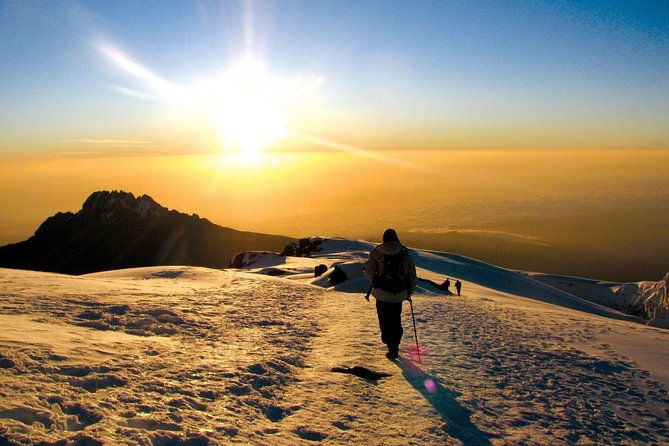
- The Whiskey Route variety: rainforest to moorland to alpine desert, on a classic Kilimanjaro timeline
- Acclimatization built into the route: you go up, then intentionally reset your body for summit day
- Lava Tower and the Shark’s Tooth moment: a big altitude milestone around 4,650m
- Midnight summit push: Stella Point at 5,756m before the final grind to Uhuru Peak
- Included team and camp setup: qualified guides, assistants, porters, cook, tents, tables, and mattress pads
- Daily comforts that reduce stress: hot water for washing and regular meal support
Why the Machame Route earns its Whiskey Route reputation
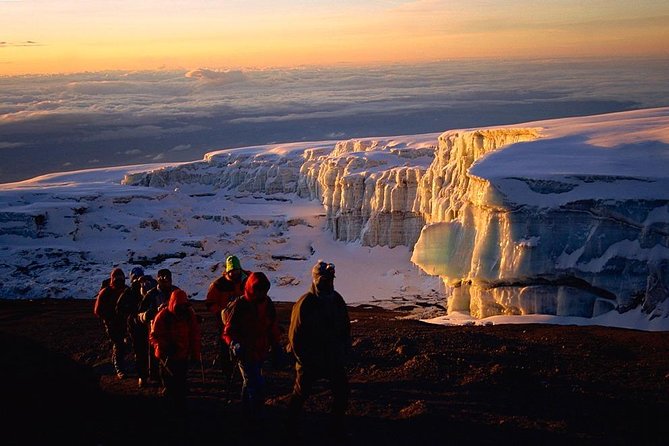
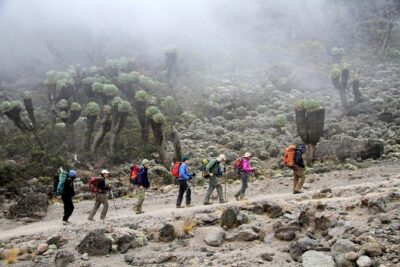
The Machame trek has a personality. One day it feels like a humid forest walk; the next, you’re moving across open moorland; then suddenly you’re in high, dry “nothing-but-rock” country. That rhythm matters because it keeps you focused and helps you mentally break the climb into chunks.
This route is also a favorite because it’s scenic without being random. The itinerary is designed to build you up for success: you gain altitude steadily, then you get planned breathing-room for acclimatization. You’re not just ticking off miles. You’re training your body for the thin air in the way Kilimanjaro expects.
And yes, you’re aiming for the top: Uhuru Peak is the highest point in Africa. The top of the mountain is a short celebration compared to the work it takes to get there. Still, when you finally reach it, that moment lands hard in a good way.
You can also read our reviews of more tours and experiences in Moshi.
Moshi to Machame Gate: getting started without wasting energy
You start in Moshi Urban, Tanzania, and the climb begins after you’re driven to the Machame Gate. If you’re coming through the area from Kilimanjaro airport, the package includes return transfers between the airport and Moshi, which removes a lot of last-minute chaos.
On your first morning there’s a briefing and a gear check. That’s not “just paperwork.” It matters because on Kilimanjaro, small oversights get bigger fast—like a missing warm layer or a water plan that doesn’t match the cold.
If you’re thinking about group size: this is listed as a private experience, meaning only your group participates. That’s helpful for pacing, especially if you want a guide who can stay on top of how you’re actually doing, not just moving the largest possible crowd.
Day 1: Machame Gate to Machame Camp through the rainforest (1,640m–2,835m)
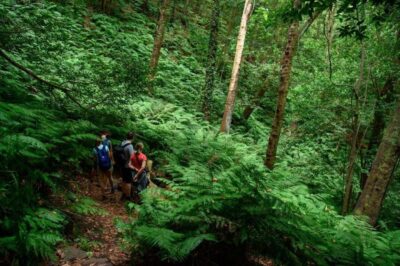
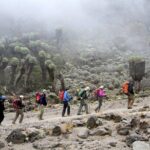
Day 1 is your on-ramp. You’ll hike about 11 km with 5–7 hours in the rainforest zone, moving from roughly 1,640m up to 2,835m. The walk tends to feel steady rather than brutal, which is ideal on day one.
What I love about starting in this environment is how it sets your rhythm. You’re not freezing right away. You’re learning how your body reacts to walking uphill while still having shade and moisture nearby. You’ll also likely see native plants and animals (Kilimanjaro is full of small surprises early on).
Possible drawback: if you go out too fast today, you’ll pay later. The best strategy is to keep the effort smooth. Your first day is about establishing pace, not “winning” the mountain.
Day 2: Shira Cave Camp and the steep move out of the forest (2,835m–3,850m)
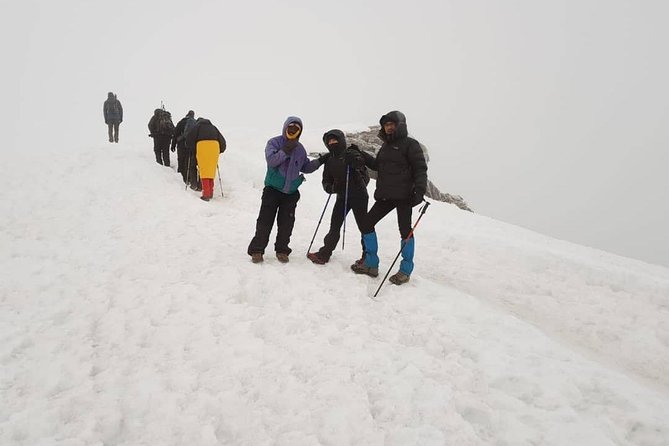
Day 2 climbs from about 2,835m to 3,850m over a shorter distance—roughly 5 km—but with 4–6 hours of hiking. That’s a good trade. Shorter distance often means steeper gradients and a slower, more controlled pace.
You start to leave the rainforest behind and head into moorland. Expect a steeper ascent, plus stream crossings. The views here can be big, and the area around Mount Meru and surrounding valleys tends to look dramatic once the humidity fades.
This is also the day where hydration and breathing matter most. The altitude jump is real, even if the distance is small. I’d treat day two like a “slow is smooth” training session: steady breathing, steady steps, and no hero moves.
Day 3: Ridge to Lava Tower area and down to Barranco Camp (~4,000m)
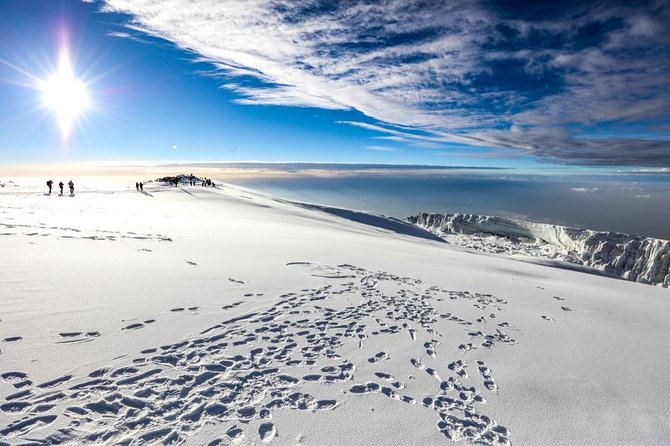
Day 3 is one of the most important acclimatization days. You’re hiking around 10 km (listed as about 6 miles) for 5–6 hours, ending at Barranco Camp around 3,850m to 4,000m.
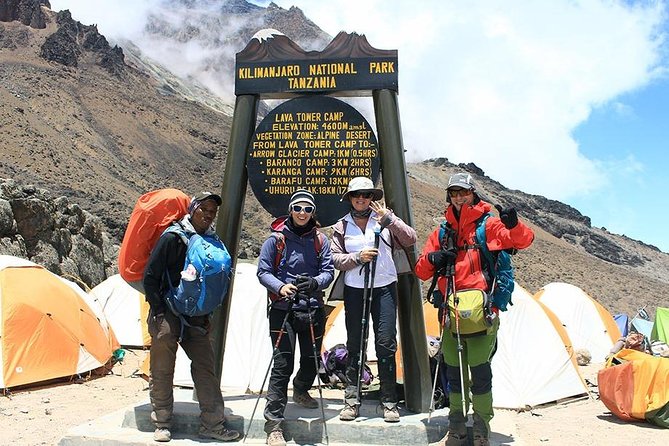
Here’s what makes this day feel special: you continue east from Shira and then shift toward the South East toward the Lava Tower, sometimes called the Shark’s Tooth at about 4,650m. The itinerary also references the junction toward the Arrow Glacier area.
Then you do something that seems counterintuitive until it saves summit success: you go down to Barranco Camp. That’s not a failure. It’s altitude strategy. By the time you’re around the same elevation you started the day, your body has practiced the effort and then rested in a smart way before pushing higher again.
Practical tip: don’t let the “down day” trick you into walking too fast. Descents can still be hard on your knees and lungs. The goal is controlled movement.
Day 4: Barranco to Barafu Hut on the South Circuit (13,000–15,000ft / 9 km)
Day 4 is where you feel the mountain tighten. You’ll hike about 9 km for 7–9 hours, moving through an alpine desert environment. You’ll start from the Barranco area, pass the Barranco Wall, and continue through the Karanga Valley campsite before connecting toward the Mweka Trail junction.
Then you climb up to Barafu Hut, where you rest and prepare for the summit push. This day completes the South Circuit, and it’s one of the last big “views from multiple angles” points before the midnight scramble.
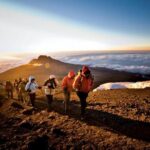
The itinerary notes you can see Mawenzi and Kibo from Barafu. Even if you’re tired, that moment matters. It helps you understand what you’re aiming at and why your body has to work through the night.
Possible consideration: Barafu day tends to feel long. The schedule includes rest time later, but you still need energy. Make sure you eat what you’re given and don’t wait until you’re too tired to think about it.
Day 5: Midnight to Stella Point (5,756m) and Uhuru Peak (up to 5,895m), then down to Mweka
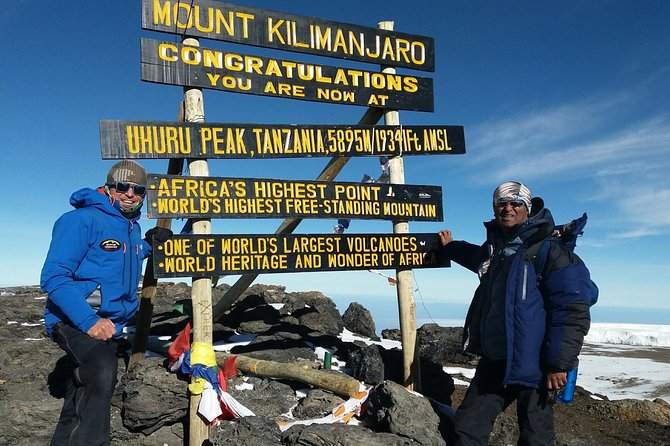
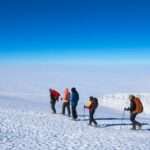
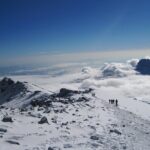
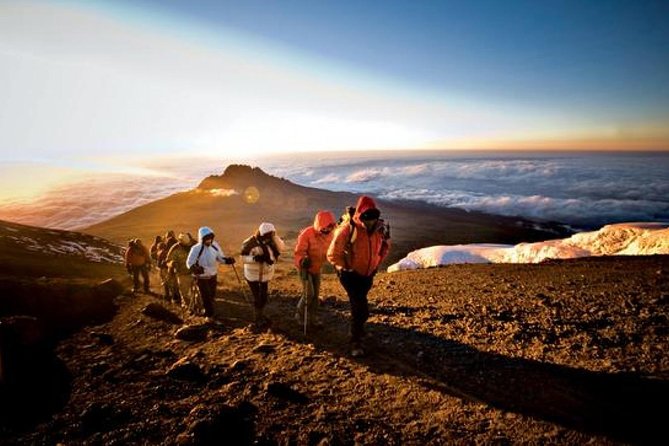
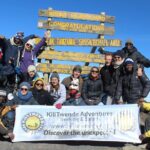
This is the day everyone remembers. You start at midnight, push to Stella Point at 5,756m, and then continue to Uhuru Peak, the top of Africa at up to 5,895m (the highest elevation listed for the summit).
The distance is listed as 17 km, but the real story is time and effort. You’ll spend about 11–14 hours on this day, and it’s the most challenging part of the trek. Expect cold, slow walking, and the need to manage your breathing carefully.
After the summit celebration, you descend to Mweka Camp for your last night on the mountain. Descending can be mentally easier (you’re going down), but physically it can be rough on your legs. Your body still has to handle cold air, fatigue, and uneven ground.
If you’re the type who gets anxious when plans are unclear, this is where you’ll be glad to have trained guides and assistants. The guide team support included in this package is a real value on summit day—not just a comfort, but safety and decision-making help.
Day 6: Mweka Trail down to the park gate and summit certificates (3,090m to 1,680m)
Day 6 is shorter on paper: about 10 km and 3–4 hours hiking, descending from roughly 3,090m down to 1,680m. After breakfast, you continue to the Mweka Park Gate for your summit certificates.
One practical thing: the lower areas can be wet and muddy. That’s why the trek guidance highlights gaiters and trekking poles. If you plan to use your shoes on this day, make sure they’re built for mud and slop, not just dry trails.
After you’re done at the gate, you continue about another hour to Mweka Village. Then a vehicle meets you at Mweka Village to drive you back to Moshi (about 30 minutes). It’s a good wrap-up: enough hiking to finish the trek strong, then a real transfer back to civilization.
Price and value: what $2,253 covers (and what it doesn’t)
$2,253 per person is a chunk of money, so it’s fair to ask what you’re actually buying. Here’s the value picture based on what’s included:
You get all fees and taxes, plus return transfers between Kilimanjaro airport and Moshi. That alone removes big logistical costs and headaches. You also get a full support team: qualified mountain guide, assistant guides, porters, and a cook, with their wages covered.
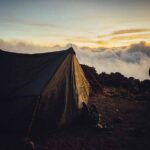
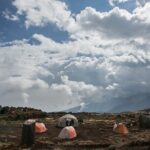
Then there’s the mountain infrastructure. You get camping equipment (tents, camp chairs, tables, and sleeping mattress), plus hot water for washing daily and fresh water for drinking. You also receive a structured meal plan: 5 breakfasts, 6 lunches, and 5 dinners.
You also get emergency oxygen, with an important note: it’s for emergencies only, not summit aid. That distinction matters because it sets the correct expectation—this is not a magic oxygen trip. It’s real mountaineering with real risk management.
What’s not included is equally important. You’ll still need to budget for visas and flights, travel and health insurance, and personal trekking gear. Optional but highly recommended: a portable toilet. Also plan for personal medicine and water purifying tablets since those aren’t included.
My take: you’re paying for safety support, camp infrastructure, and reduced logistical stress. If you’d otherwise be shopping for guides, porters, food logistics, and camping setup yourself, this package starts to look like smart value.
Guides, porters, and the small comforts that make a big difference
Kilimanjaro is physically hard. It’s also mentally tiring. That’s why I’m a fan of the included daily comforts and support structure.
The trip includes camp chairs and tables, tents, and sleeping mattress support. It’s basic, but it’s also the difference between “I can sleep” and “I lie awake in pain.” Hot water for washing every day is huge too. When you’re cold and sweaty for hours, even a simple wash does wonders for morale.
From the organization angle, you also get gear check, briefings, and daily meal timing. That reduces decision fatigue. On a mountain where you’ll be thinking about altitude all day, fewer uncertainties help.
And about the team: the guidance highlights that you’ll climb with a qualified guide plus assistant guides. Past climbers have credited specific guides by name—like Justin and Frazier—for professional guidance and communication. You can’t guarantee who you’ll get, but you can expect trained support and local expertise.
Practical packing and altitude choices that protect your chances
You don’t need to overthink gear, but you do need the right basics. Since personal trekking gear isn’t included, plan to either bring your own or rent gear from stores in Tanzania.
Here are the essentials that match what this trek’s schedule implies:
- Warm layers for freezing early starts, especially the midnight summit day
- Rain gear you can use without wrestling your pack
- Gaiters and trekking poles for the wet, muddy descent on day six
- A water plan (the trip provides fresh water, but you’ll still want personal medicine and water purifying tablets since they aren’t included)
Altitude is the other half of the planning. This route gives you acclimatization time, but it’s still on you to listen to your body. Move slowly, drink consistently, and don’t treat “short distances” as an excuse to push hard. The mountain doesn’t care about your hiking confidence.
If you feel sick or headachy at altitude, you don’t power through. You tell your guide. That’s where the trained team and the emergency oxygen for emergencies only become important safeguards.
Who should book the 6-Day Machame Route
This trek is best for people who:
- Have moderate physical fitness
- Want a classic route with ample time for acclimatization
- Prefer a schedule that balances effort and rest over a straight-up “fast and furious” plan
- Like support structure and don’t want to manage camp logistics
If you’re brand new to trekking, Machame can still work, but you’ll need discipline. The summit day is long and cold. If you’re prone to panicking in the dark or you hate long endurance events, you’ll likely feel it most on day five.
If you’re a seasoned hiker, you may enjoy the route’s variety and the way the itinerary makes you earn the peak without rushing. Either way, the Machame Route rewards steady pacing and good communication with your guide.
Should you book this trek?
If you want a Kilimanjaro climb with strong support, daily camp comfort, and a route that’s built for acclimatization, this Machame option makes a lot of sense. The included transfers, meals, oxygen for emergencies, and campsite setup take away many of the “unknowns” that sink trips.
I’d book it if:
- Your goal is Uhuru Peak and you prefer a classic, well-paced plan
- You want a private group experience
- You appreciate hot water and real camp setup after long days
I’d think twice if:
- You know you struggle with midnight starts and long summit-time exertion
- You don’t want to handle personal gear and personal medical planning
- You’re uncomfortable walking in wet, muddy conditions at the end
In short: this is a serious trek, but it’s serious in the right way. The structure helps you climb smarter, not just harder.
FAQ
How long is the 6-Day Kilimanjaro Machame trek?
It’s listed as 6 days (approx.), with daily hiking from about 3–4 hours on the final descent day up to 11–14 hours on summit day.
Where does the trek start and end?
The start is Moshi Urban, Tanzania. The activity ends back at the same meeting point.
Does this experience include pickup?
Yes, pickup is offered.
What’s the highest point you reach?
The summit day includes trekking to Uhuru Peak, with the summit listed at up to 5,895m.
What’s included in the price of $2,253?
Included: all fees and taxes, return transfers between Kilimanjaro airport and Moshi, emergency oxygen (for emergencies only) and basic first aid kit, qualified mountain guides/porters/cook and their wages, camping equipment, fresh drinking water and hot water for washing daily, and meals (5 breakfasts, 6 lunches, and 5 dinners).
What is not included?
Not included: visas and flights, travel and health insurance, personal hiking/trekking gear (you can rent it locally), optional but recommended portable toilet, personal medicine and water purifying tablets, and tips/gratuities.
What fitness level do I need?
The guidance says travelers should have moderate physical fitness.