REVIEW · MOSHI
5 Days Kilimanjaro Trekking – Marangu Route
Book on Viator →Operated by Afrishare Trekking and Safaris · Bookable on Viator
The Marangu route feels kinder than most. This 5-day trek from Moshi climbs Kilimanjaro through classic hut stops toward Kibo and Uhuru Peak, mixing rainforest, moorland, and crater views with real team support.
I especially like the private-tour setup and strong camp routine that keeps the day-to-day smooth. You’re not juggling logistics—your guide, meals, and hut nights are handled. That matters a lot when altitude starts to play games with your sleep and appetite.
One thing to consider: the summit push starts very early, usually around midnight to 2am. Even on the so-called easier route, you still need to be ready for steep scree, thick cold air, and long hours with a heavy pack.
In This Review
- Key Highlights That Make This Trek Worth It
- Marangu Route on Kilimanjaro: Why This “Coca Cola Route” Option Works
- Day 1: Getting to Marangu Gate and Starting the Climb in Moshi-Style Comfort
- Day 2: Mandara Hut to Horombo Hut at 3,700 m—Rainforest Exits, Views Arrive
- Day 3: The Horombo Rest Day That Can Make Summit Day More Real
- Summit Morning: Midnight-to-2am Start, Gilman’s Point, Then Uhuru Peak
- Day 5 Descent: From Moorland to Mandara and Down Through Lush Forest to the Gate
- What You Get for $1,460: The Value Behind the Price
- Guide and Team Support: Why Pace Feels Better on This Trek
- Packing and Planning Tips That Match This Itinerary
- Who Should Book This Marangu Trek (and Who Should Rethink It)
- Should You Book This 5 Days Kilimanjaro Trek With Afrishare?
- FAQ
- How long is the Kilimanjaro trek on the Marangu route?
- What altitude stops are part of the route?
- Do you provide pickup and drop-off?
- Is food included, and can you handle vegetarian meals?
- What should I wear for the trek?
- Is this a private tour?
- Is free cancellation available?
Key Highlights That Make This Trek Worth It
- Marangu Route, the hut-based option: fewer camping headaches and a more structured schedule.
- Acclimatization time at Horombo: an extra day that can improve how your body handles the climb.
- Summit timing to catch the sunrise: the late-night start is intense, but the views are the point.
- Big variety of zones: rainforest → open moorlands → semi-desert/crater country.
- A real team behind the scenes: professional guide plus the camp setup you rely on for meals and pace.
- Private group experience: only your group participates, so you can move at the pace that fits.
Marangu Route on Kilimanjaro: Why This “Coca Cola Route” Option Works
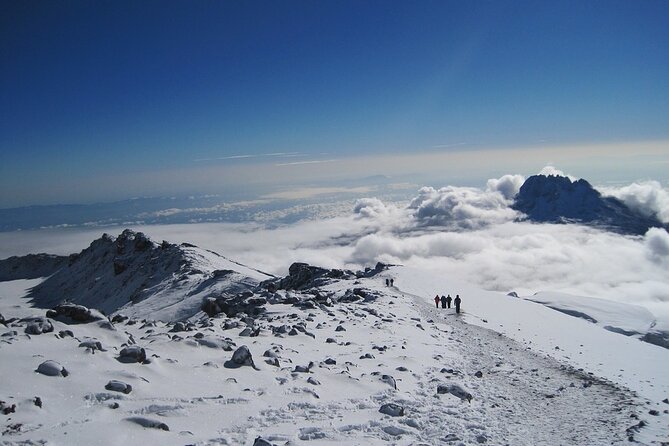
The Marangu Route is often called the Coca Cola route because it’s comparatively easier than several other Kilimanjaro options. That doesn’t mean it’s easy. Kilimanjaro is still Kilimanjaro. You’re going from lush forest down low to high, thin air where every step costs energy.
What makes this route practical is the hut system. You’ll stay at designated mountain huts rather than doing full wild camping. That structure helps you focus on the trek instead of camp logistics. It also means you’re more likely to keep a steady rhythm—sleep, eat, walk, rest—day after day.
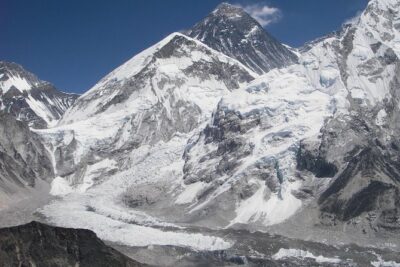
You’ll also get a clear sense of how Kilimanjaro is built. The mountain has three volcanic centers—Shira, Mawenzi, and snow-capped Kibo. On the Marangu route, you’re aiming straight at Kibo’s world. If you enjoy high-altitude scenery changes, the itinerary is built for that, with rainforest and open moorlands in the earlier days and the crater zone on summit morning.
You can also read our reviews of more tours and experiences in Moshi.
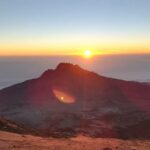
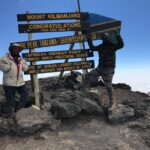
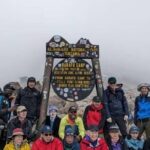
Day 1: Getting to Marangu Gate and Starting the Climb in Moshi-Style Comfort
Your day starts with pickup—either directly from the airport to the starting gate or from your accommodation in Moshi. That matters more than people think. After travel, you want the first stress to be the first steps on the mountain, not finding transport or chasing paperwork.
Once you’re transferred to the Marangu starting area, you’re set up to begin the official climb. The tour includes all fees and taxes, plus lunch and a professional guide, so you don’t waste mental energy on what’s paid versus what you still need to pay.
One subtle benefit of starting smoothly: your first day on Kilimanjaro is often about adjusting to effort. Even if you don’t feel altitude immediately, your body will notice uphill walking fast. Having a guide who manages the flow from gate to hut helps you avoid the early mistake—going too fast when you still feel strong.
Day 2: Mandara Hut to Horombo Hut at 3,700 m—Rainforest Exits, Views Arrive
Day two is a classic transition day. You trek from Mandara Hut up to Horombo Hut at about 3,700 m, and it’s listed as roughly a 3–4 hour walk. After around 15 minutes, you leave the glades of rainforest and move into open moorlands.
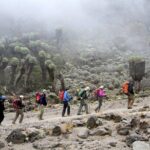
That rainforest-to-moorland shift is one of the nicest parts of the Marangu experience. The vegetation changes, the air feels different, and the space around you opens up. You also get sweeping views of Mawenzi and the summit of Kibo during the move toward Horombo, which helps make the climb feel like more than just altitude grind.
The itinerary also calls out wildlife you might spot, including giant senecio and lobelias. On Kilimanjaro, even small details like that help you stay present. It’s a long slog if you only stare at your boots.
Altitude note: you may start to feel altitude effects on this day. That’s not a failure. It’s just your body adapting. Your best move is to stick to your guide’s pacing and keep breathing steady.
Day 3: The Horombo Rest Day That Can Make Summit Day More Real
Today starts and ends at Horombo Hut, making it a true acclimatization day. The tour frames it as optional, but still important—because it’s the day that can improve your chances of reaching the summit.
If you want movement, you can take a day trek to Zebra Rocks (about 4,200 m) and Mawenzi Tarn Hut (about 4,300 m). Even if you don’t go all the way, this kind of short high-altitude day can help your body learn how to handle thin air. The key is that you return to Horombo for the overnight.
If you prefer rest, you can simply slow down. Don’t underestimate how much a good recovery day helps before the late-night climb. Think of it like prep for a long shift, not a “bonus hike.”
Possible drawback: some people feel extra pressure because it’s an optional day. If you’re not sure, lean conservative. You’re not trying to win a fitness contest at 4,200 m. You’re trying to give your body the best chance on summit night.
Summit Morning: Midnight-to-2am Start, Gilman’s Point, Then Uhuru Peak
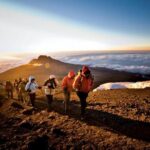
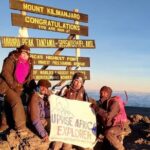
This is the day you came for. You begin the ascent very early—between midnight and 2am—climbing steep terrain with heavy scree or snow conditions. Expect about 4–5 hours to reach Gilman’s point at roughly 5,861 m.
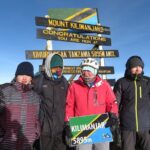
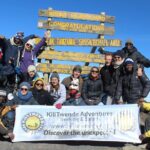
Then it’s another 1–2 hours to Uhuru Peak at 5,895 m, the highest point in Africa. The itinerary is clear: every turn brings views that feel unreal. And yes, you’ll get time for a summit photo.
Here’s what’s worth knowing from a practical point of view: this portion is as much about logistics in your body as it is about your legs. Cold air, lack of oxygen, and uneven footing can make you feel slower than you are. That’s why guides and pacing matter so much here. If you’ve got a patient team, you’re more likely to keep going instead of burning out early.
After the summit, you descend. Lunch and a rest are planned at Kibo, then you continue down to Horombo encampment for dinner and overnight (about 3–4 hours). Descending can feel easier in oxygen terms, but your legs still get hit hard. Plan on being tired, even if you feel relieved.
Day 5 Descent: From Moorland to Mandara and Down Through Lush Forest to the Gate
After breakfast, you start a steady descent down through moorland back toward Mandara Hut (about 2,700 m / 8,858 ft). The route continues down to the National Park gate at Marangu (about 1,830 m / 6,004 ft).
This final day is where you get the biggest “normal world” feeling. The higher you went, the more this drop makes your brain feel like it’s unclenching. You’ll also move through lush forest on a good path.
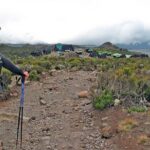
The tour notes a real weather reality: at lower elevations, it can be wet and muddy. That’s where gear helps. The itinerary specifically suggests gaiters and trekking poles. If your shoes are not grippy enough for slippery sections, you’ll feel it immediately.
Clothing-wise, shorts and t-shirts may be plenty for the lower part of the trek, but keep rain gear and warmer layers handy. Kilimanjaro weather can change fast, even if the forecast online looks simple.
At the gate, a car is waiting for you with a hot lunch. Then you drive back to Moshi or Arusha, with an airport drop-off option if you fly out the same day.
What You Get for $1,460: The Value Behind the Price
At $1,460 per person for a 5-day Marangu trek, you’re not just paying for steps on a mountain. You’re paying for the stuff that costs time, coordination, and risk management on Kilimanjaro.
This package includes:
- 4 nights accommodation (hut nights)
- All fees and taxes
- Lunch (and it’s included as part of the daily plan)
- A professional guide
- Hotel pickup and drop-off
- Private tour service (only your group)
It’s also helpful that the tour is built for practical traveler needs, with an emphasis on pickup and a team-run schedule. In real terms, that reduces the number of things you must figure out while you’re already dealing with altitude stress.
What’s not included is straightforward: alcohol and souvenir photos (available to purchase). So you can plan a budget that stays calm. You also don’t have to worry about the “surprise payments” feeling that can happen on some tours.
One more value point: there’s a vegetarian option available if you request it at booking. If your food needs are specific, you should flag dietary requirements ahead of time so your meals stay reliable.
Guide and Team Support: Why Pace Feels Better on This Trek
The Marangu route’s reputation for being easier is partly about terrain and hut logistics. The other part is pacing—how hard you push, and how quickly you recover between days.
In past experiences with Afrishare, groups highlighted guides who were patient and attentive, plus excellent food and a strong team including chefs and porters. One summit report even mentioned that all participants reached Uhuru Peak, which points to the value of not rushing.
I like the way this aligns with your goals as a hiker:
- A slower pace can help you stay comfortable through altitude days.
- Good camp food helps you keep walking the next day.
- A competent crew helps the day-to-day feel predictable.
Nobody can guarantee a summit on Kilimanjaro. But a well-run climb gives you more chances to succeed because you avoid the most common mistakes: going too fast, eating too little, and pushing through exhaustion instead of recovering.
Packing and Planning Tips That Match This Itinerary
This route includes a lot of time outside in changing conditions: rainforest mornings, open moorland afternoons, and cold summit-night climbing. The tour itself says it operates in all weather conditions, so bring layers and be ready.
Here’s what’s directly supported by the plan:
- Rain gear: the lower elevations can be wet and muddy.
- Warmer clothing: keep it handy even if you expect sun at altitude.
- Gaiters and trekking poles: specifically mentioned as helpful for muddy sections.
- Comfortable shorts and t-shirts: likely enough for lower elevations, but plan for a temperature swing.
Also think about sleep and hydration. Summit morning starts around midnight to 2am. If you’re uncomfortable at night, your body will pay for it during the climb. A steady routine—warm enough, dry enough, and not overpacked—helps more than people expect.
Physical fitness needs a “moderate” level. That means you don’t have to be a marathoner, but you should be comfortable hiking uphill for multiple days and handling cold and altitude stress.
Who Should Book This Marangu Trek (and Who Should Rethink It)
This 5-day Kilimanjaro trek via the Marangu route is a great fit if you want:
- A hut-based Kilimanjaro experience (less camp hassle)
- A structured plan with an acclimatization day at Horombo
- Pickup and drop-off from Moshi/airport convenience
- A private group feel, where your guide manages pacing for your team
It may be less ideal if you want a super rugged, off-the-beaten-path wilderness style trek with camping setups. Also, if you hate very early starts, you should know summit day begins between midnight and 2am.
If you’re carrying anxiety about altitude, the Horombo acclimatization day is a comfort. But still, be realistic: you’re climbing to nearly 5,900 m. Your comfort and safety depend on listening to your guide and staying disciplined with pace.
Should You Book This 5 Days Kilimanjaro Trek With Afrishare?
I’d book it if you want a classic Kilimanjaro route that’s built around structure: huts, clear days, a planned acclimatization window, and a summit schedule that’s intense but straightforward. The value at $1,460 gets better when you consider the included guide, fees, meals, accommodation, and Moshi pickup—because those are the things that make or break your stress level.
I would hesitate only if you’re not ready for the cold, the steep scree up to Gilman’s point, and the reality of that midnight-to-2am start. If you can handle early mornings and take altitude seriously, this is a strong way to experience Kilimanjaro without adding extra logistical chaos.
FAQ
How long is the Kilimanjaro trek on the Marangu route?
The trek runs for about 5 days, with 4 nights of accommodation included.
What altitude stops are part of the route?
You’ll reach key points including Horombo Hut at about 3,700 m, Gilman’s point at about 5,861 m, Uhuru Peak at 5,895 m, and the descent down to the Marangu gate at about 1,830 m.
Do you provide pickup and drop-off?
Yes. Hotel pickup and drop-off are included, with transfers starting either from your accommodation or the airport to the Marangu starting gate, and driving you back to Moshi/Arusha or the airport after the trek.
Is food included, and can you handle vegetarian meals?
Lunch is included, and a vegetarian option is available if you request it at the time of booking. If you have dietary requirements, you should advise the provider when booking.
What should I wear for the trek?
The tour notes that it operates in all weather conditions. You should dress appropriately and keep rain gear plus warmer clothing handy. At lower elevations it can be wet and muddy, so gaiters and trekking poles can help.
Is this a private tour?
Yes. It’s listed as a private tour/activity, with only your group participating.
Is free cancellation available?
Yes. You can cancel up to 24 hours in advance for a full refund, based on the experience’s local time.